

Feb . 11, 2026 00:01 Back to list
ppr cold water pipe products Performance Analysis
Introduction
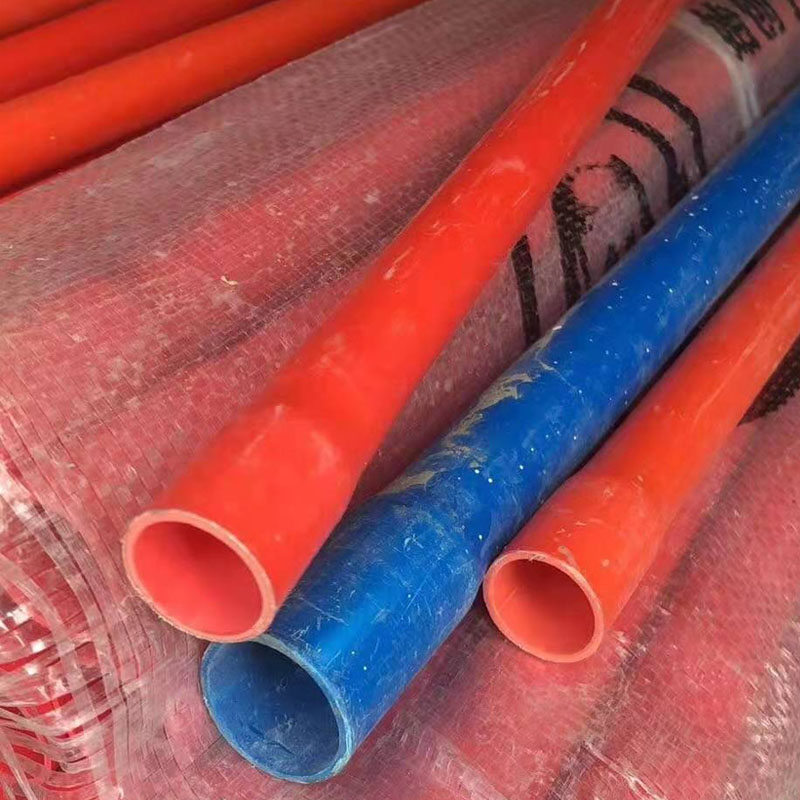
Polypropylene Random (PPR) cold water pipes represent a significant advancement in potable water distribution systems. These pipes, constructed from a thermoplastic polymer, offer a compelling alternative to traditional materials like copper, galvanized steel, and PVC. Their position within the industry chain is as a key component in residential, commercial, and industrial plumbing infrastructure, providing a reliable and corrosion-resistant conduit for transporting chilled water. Core performance characteristics include high flow capacity due to smooth internal surfaces, resistance to scaling and bacterial growth, and excellent thermal insulation properties, minimizing condensation. The adoption of PPR cold water pipes is driven by the increasing demand for durable, hygienic, and cost-effective water distribution solutions, particularly in applications sensitive to water quality and long-term maintenance costs. The pipes are joined using heat fusion welding, creating a leak-proof, homogeneous joint that eliminates the risks associated with threaded connections or solvent welding.
Material Science & Manufacturing
PPR cold water pipes are primarily composed of polypropylene random copolymer, which is created through the polymerization of propylene monomers with a random distribution of comonomers. This copolymerization imparts improved impact resistance and flexibility compared to homopolymer polypropylene. Raw material properties are critical; the polypropylene resin must exhibit a Melt Flow Index (MFI) within a specified range (typically 0.3-1.0 g/10min at 230°C/2.16 kg) to ensure optimal processability and pipe integrity. The density of the polypropylene typically falls between 0.905 and 0.92 g/cm³. Manufacturing involves extrusion, a process where molten polypropylene is forced through a die to create a continuous pipe profile. Key parameters during extrusion include melt temperature (190-230°C), die temperature, extrusion speed, and cooling rate. Precise control of these parameters is vital to achieve consistent wall thickness, dimensional accuracy, and a smooth inner surface. Heat fusion welding, specifically socket fusion and butt fusion, are the predominant joining methods. Socket fusion involves heating both the pipe end and the fitting socket before insertion, while butt fusion welds pipe ends directly together under controlled temperature and pressure. Post-extrusion quality control includes hydrostatic testing to verify pressure resistance and dimensional checks to ensure compliance with relevant standards.
Performance & Engineering
The performance of PPR cold water pipes is heavily reliant on their ability to withstand hydrostatic pressure and maintain structural integrity under varying temperatures. Force analysis reveals that hoop stress, induced by internal water pressure, is the primary stress component. The design must account for a safety factor to prevent failure. Environmental resistance is a key consideration; PPR exhibits excellent resistance to most chemicals commonly found in potable water, including chlorine, calcium carbonate, and various disinfection byproducts. However, prolonged exposure to strong oxidizing agents should be avoided. Compliance requirements are dictated by regional and international standards (detailed in the footer). These standards specify minimum pressure ratings (typically PN10, PN16, or PN20, corresponding to 10, 16, and 20 bar respectively), temperature limits (typically up to 60°C for continuous operation), and acceptable levels of migration of substances into the water. Functional implementation involves careful consideration of pipe support spacing to prevent sagging and strain on the joints. Thermal expansion and contraction must also be accounted for, particularly in long pipe runs, through the incorporation of expansion loops or flexible connectors. The smooth inner surface minimizes friction losses, contributing to lower pumping energy consumption.
Technical Specifications
| Parameter | PN10 (Bar) | PN16 (Bar) | PN20 (Bar) | Material Standard |
|---|---|---|---|---|
| Nominal Pressure | 1.0 MPa | 1.6 MPa | 2.0 MPa | ISO 15876-1 |
| Operating Temperature (°C) | -20 to +60 | -20 to +60 | -20 to +60 | DIN 19569-2 |
| Hydrostatic Pressure Test (Bar) | 15 | 24 | 30 | ASTM F441 |
| Tensile Strength (MPa) | >20 | >22 | >25 | ISO 527-2 |
| Elongation at Break (%) | >200 | >250 | >300 | ISO 527-2 |
| Melt Flow Index (g/10min) | 0.3 - 1.0 | 0.3 - 1.0 | 0.3 - 1.0 | ISO 1133 |
Failure Mode & Maintenance
PPR cold water pipe systems, while robust, are susceptible to specific failure modes. Fatigue cracking can occur at joints due to repeated stress from water hammer or thermal cycling. Delamination of the pipe wall can result from improper extrusion or contamination during manufacturing. Chemical degradation, though rare with potable water, can occur with exposure to aggressive chemicals. Oxidation can lead to embrittlement of the material over extended periods, especially at elevated temperatures. UV degradation is also a concern for exposed piping. Preventative maintenance includes regular visual inspections for leaks, cracks, or discoloration. Water hammer arrestors should be installed to mitigate pressure surges. Proper support and anchoring are crucial to prevent stress on joints. For repairs, heat fusion welding is the preferred method; mechanical couplings should only be used as a temporary solution. When replacing damaged sections, ensure the new pipe and fittings are compatible with the existing system. Regular flushing of the system can help remove sediment buildup and maintain water quality. Avoid using abrasive cleaning agents that could damage the pipe surface. In the event of a significant leak or structural failure, a qualified plumbing professional should be consulted.
Industry FAQ
Q: What is the long-term effect of consistently high water temperatures (e.g., 50-60°C) on the lifespan of PPR pipes?
A: While PPR pipes are rated for continuous operation up to 60°C, consistently operating at the upper end of this range will accelerate the degradation of the material, reducing its long-term lifespan. The rate of oxidation increases with temperature, leading to embrittlement and potential cracking over time. It is recommended to keep water temperatures as low as practically possible and to avoid prolonged exposure to peak temperatures.
Q: How does the quality of the welding process impact the overall reliability of a PPR piping system?
A: The quality of the heat fusion welding process is paramount to the reliability of a PPR system. Improper welding, such as insufficient heating time, inadequate pressure, or incorrect alignment, can result in weak joints prone to leakage. Properly trained and certified welders using calibrated equipment are essential. Regular inspection of welds is also recommended to identify and address any defects.
Q: Are PPR pipes suitable for use in areas with highly corrosive water, such as water with high levels of sulfates or chlorides?
A: While PPR exhibits good resistance to many common water constituents, highly corrosive water with elevated levels of sulfates or chlorides can potentially lead to chemical degradation over time. In such cases, it is advisable to consider alternative materials or implement water treatment strategies to reduce the corrosivity of the water before it enters the piping system.
Q: What is the recommended maximum pipe run length for PPR systems without requiring expansion joints?
A: The recommended maximum pipe run length depends on several factors, including pipe diameter, water temperature, and the number of bends and fittings. As a general guideline, runs exceeding 50 meters should incorporate expansion loops or flexible connectors to accommodate thermal expansion and contraction and prevent stress on the joints. Consult with a qualified engineer for specific project requirements.
Q: How do PPR pipes compare to PEX pipes in terms of cost, installation, and long-term performance?
A: PPR and PEX are both viable alternatives to traditional piping materials. PPR generally has a lower material cost than PEX, but PEX offers greater flexibility, making it easier to install in tight spaces. PEX utilizes crimp or expansion fittings, while PPR relies on heat fusion. Long-term performance is comparable, provided both systems are installed and maintained correctly. The choice between PPR and PEX often depends on the specific application and installation constraints.
Conclusion
PPR cold water pipes offer a compelling combination of durability, hygiene, and cost-effectiveness, making them a preferred choice for a wide range of potable water distribution applications. The material’s resistance to corrosion and scaling, coupled with the leak-proof nature of heat-fused joints, translates to long-term reliability and reduced maintenance costs. Careful consideration of material selection, proper installation techniques, and adherence to relevant standards are crucial to maximizing the lifespan and performance of PPR piping systems.
Future developments in PPR technology may focus on enhancing UV resistance, improving high-temperature performance, and incorporating smart sensors for leak detection and system monitoring. The ongoing refinement of welding techniques and the development of more robust quality control procedures will further solidify PPR’s position as a leading material in the plumbing industry, providing sustainable and efficient water distribution solutions for years to come.
-
DN25 HDPE Compression Fitting-HORON INTERNATIONAL|Reliable Irrigation Solutions
NewsFeb.11,2026
-
hdpe coupling joint product Manufacturing Analysis
News2026-11-18
-
ppr pipe heating time products Performance Analysis
News2026-11-16
-
hdpe pipe sizes factory Performance Analysis
News2026-11-09
-
HDPE Pipe Sizes Service Performance Analysis
News2026-10-26
-
wholesale 15mm ppr pipe Material Science and Performance Analysis
News2026-10-20
-
wholesale pvc pipe price per foot Technical Analysis
News2026-09-21
-
wholesale long pvc pipe Technical Analysis and Manufacturing Specifications
News2026-09-15
-
wholesale plumbing kitchen sink water lines Material Performance
News2026-09-15
-
wholesale hdpe drip irrigation Material Science
News2026-09-15
-
wholesale hot water ppr pipe Performance Analysis
News2026-09-15
-
wholesale ppr plumbing Performance Analysis
News2026-09-15
-
wholesale ppr pipe supplier Performance Analysis
News2026-09-13
-
wholesale 50mm ppr pipe Performance Analysis
News2026-09-13
-
wholesale hdpe drip pipe Performance Analysis
News2026-09-13
-
wholesale hdpe pipe 63mm price Manufacturing Specification and Performance Analysis
News2026-09-13