

Feb . 11, 2026 00:01 Back to list
ppr cold water pipe manufacturers Performance Analysis
Introduction
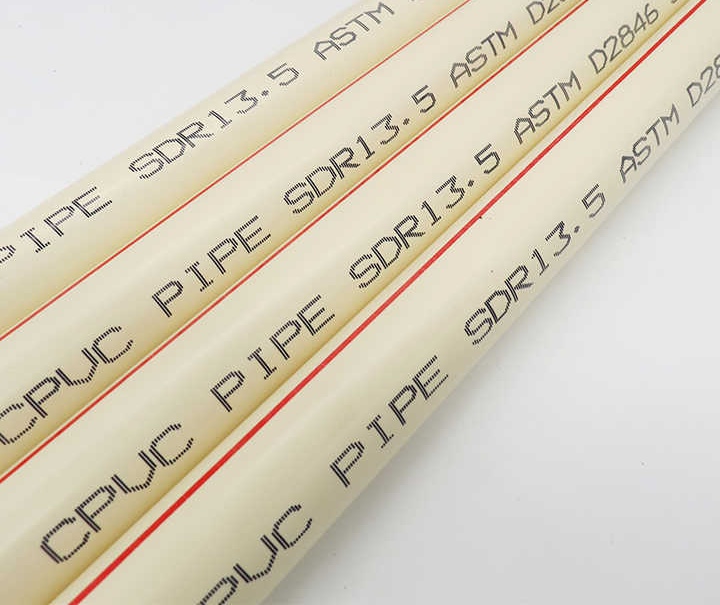
Polypropylene Random (PPR) cold water pipes represent a significant advancement in potable water distribution systems. These pipes, increasingly favored over traditional materials like galvanized steel and copper, are thermoplastic polymers engineered for the specific demands of cold water applications. Their technical position within the plumbing industry chain lies between raw material production (polypropylene resin) and final installation in residential, commercial, and industrial buildings. Core performance characteristics revolve around corrosion resistance, low thermal conductivity minimizing condensation, and a smooth internal surface reducing frictional losses and promoting hygienic water flow. The increasing adoption of PPR is driven by demands for lighter weight, ease of installation, and long-term reliability, addressing significant pain points related to the maintenance and lifespan of older pipe materials. A crucial performance aspect lies in the hydrostatic strength and pressure resistance, ensuring sustained operation within specified pressure ranges for cold water systems.
Material Science & Manufacturing
PPR pipes are manufactured primarily from polypropylene random copolymer resin. This copolymerization introduces random ethylenes, disrupting the crystallinity of the polypropylene and imparting improved impact strength and flexibility, especially at lower temperatures. Raw material quality is paramount; the resin’s melt flow index (MFI), density, and molecular weight distribution directly influence the pipe’s final mechanical properties. Manufacturing typically involves extrusion, where the resin is melted and forced through a die to create a seamless pipe. Critical parameters during extrusion include maintaining consistent melt temperature (typically between 230-260°C), precise die pressure, and controlled cooling rates. The cooling process, often utilizing water baths, dictates the pipe’s dimensional stability and amorphous structure. Socket fusion welding is the dominant joining method, requiring both pipe and fitting surfaces to be heated to a homogenous temperature (around 135-170°C) and quickly joined, creating a weld with comparable strength to the base material. Quality control involves hydrostatic pressure testing at elevated temperatures (e.g., 20°C and 60°C) to verify burst resistance and long-term performance. The chemical resistance is governed by the polypropylene’s inert nature, but prolonged exposure to certain organic solvents should be avoided. Additives such as UV stabilizers are sometimes incorporated to enhance resistance to degradation from sunlight exposure, although PPR is primarily intended for indoor use.
Performance & Engineering
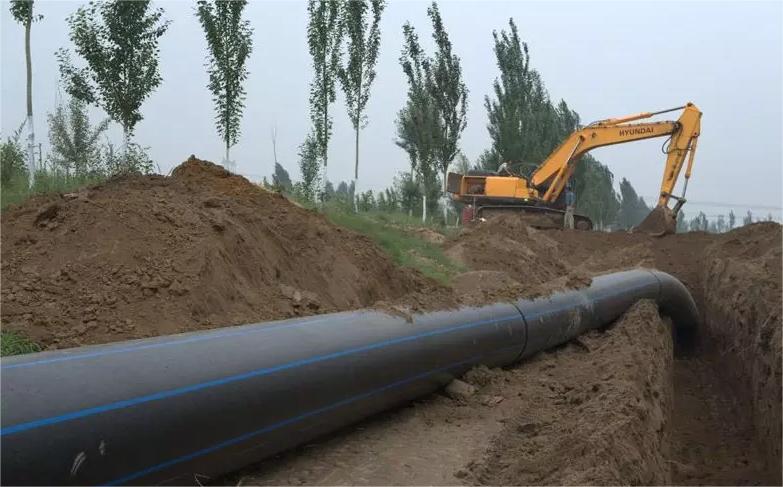
The performance of PPR cold water pipes is fundamentally governed by its mechanical and hydraulic properties. Force analysis focuses on hoop stress generated by internal water pressure, with pipe wall thickness being the primary design factor to prevent failure. The smooth inner surface minimizes friction losses, leading to reduced pumping energy requirements in large-scale systems. Environmental resistance is excellent concerning corrosion from waterborne chemicals commonly found in municipal water supplies; however, resistance to UV degradation limits outdoor exposure. Compliance requirements are extensive, varying by region. In Europe, EN 16765 specifies requirements for PPR pipe systems for cold water, covering material properties, hydrostatic pressure testing, and long-term performance. North America often references ASTM standards, particularly ASTM D3261 for polypropylene compounds used in pipe. Long-term hydrostatic strength (LTHS) is a critical performance indicator, determined through accelerated aging tests to predict pipe life under constant stress and temperature. Thermal expansion and contraction are also important engineering considerations; PPR has a higher coefficient of thermal expansion than metallic pipes, necessitating appropriate expansion loops or flexible connections to prevent stress cracking at joints. Fatigue resistance, particularly under cyclic pressure fluctuations, must be accounted for in system design. The allowable stress levels are defined by the relevant standards and influenced by the operating temperature.
Technical Specifications
| Parameter | Metric (PN16 - Standard Specification) | Metric (PN20 - High Pressure) | Test Standard |
|---|---|---|---|
| Nominal Pressure (PN) | 1.6 MPa | 2.0 MPa | EN 16765 / ASTM D3261 |
| Hydrostatic Pressure Test (Short Term) | 2.4 MPa | 3.0 MPa | EN 16765 / ASTM F412 |
| Hydrostatic Pressure Test (Long Term - 100h) | 1.6 MPa | 2.0 MPa | EN 16765 |
| Tensile Strength | ≥ 22 MPa | ≥ 28 MPa | ISO 527-2 |
| Elongation at Break | ≥ 300% | ≥ 350% | ISO 527-2 |
| Water Absorption (24h, 23°C) | ≤ 0.5 wt% | ≤ 0.5 wt% | ISO 62 |
Failure Mode & Maintenance
PPR cold water pipes, while durable, are susceptible to several failure modes. Fatigue cracking can occur at joints due to repeated pressure cycling and thermal expansion/contraction, particularly if the system lacks adequate expansion compensation. Delamination, although rare, can result from improper welding techniques or material defects during extrusion, leading to localized weakening. Oxidation, caused by prolonged exposure to elevated temperatures (above 60°C) and oxygenated water, can embrittle the material over time. Chemical attack from aggressive water chemistries (low pH or high chloride concentrations) can also contribute to degradation. Pressure surges (water hammer) can induce stress cracking at joints or along the pipe wall. Maintenance primarily involves visual inspection for leaks, cracks, or discoloration. Regular pressure testing can identify weakened sections. Joints should be periodically inspected for proper fusion and signs of stress. Avoid mechanical damage during installation or subsequent maintenance work. In cases of minor leaks at joints, re-fusion may be possible, but significant damage necessitates pipe replacement. The use of appropriate support brackets and anchors is crucial to prevent stress concentrations and maintain system integrity. Flushing the system periodically can remove sediment buildup and maintain water quality.
Industry FAQ
Q: What is the long-term impact of water hardness on PPR pipe systems?
A: While PPR is inherently resistant to most waterborne chemicals, high levels of calcium and magnesium (water hardness) can lead to scale buildup on the inner surface. This reduces the effective pipe diameter, increasing frictional losses and potentially restricting flow. Although the scale doesn’t directly degrade the PPR material, it can create areas for bacterial growth and reduce system efficiency. Water softening or regular flushing can mitigate this issue.
Q: How does the operating temperature affect the pressure rating of a PPR pipe?
A: PPR pipe pressure ratings, such as PN16 and PN20, are specified at a reference temperature (typically 20°C). As the water temperature increases, the pipe’s mechanical strength decreases. Exceeding the maximum operating temperature (generally 60°C for standard PPR) will reduce the allowable pressure. Design calculations must consider the expected water temperature and adjust the pressure rating accordingly.
Q: What are the key differences between PPR Type 1, Type 2, and Type 3 materials?
A: PPR Type 1 is the standard grade, suitable for cold water applications. Type 2 offers improved stress cracking resistance and is often used for hot water systems (though not the primary focus here). Type 3 exhibits enhanced temperature resistance and is typically employed in applications involving prolonged exposure to higher temperatures. Compatibility between these types during fusion welding is generally not recommended.
Q: What are the acceptable tolerances for pipe diameter and wall thickness in PPR pipes?
A: Tolerances are governed by the relevant standards (EN 16765, ASTM D3261). Typical tolerances for diameter are +/- 0.5% to 1%, while wall thickness tolerances range from +/- 10% to +/- 15%, depending on the pipe size. Maintaining these tolerances is critical to ensure proper socket fusion welding and system integrity.
Q: How important is proper surface preparation before socket fusion welding, and what constitutes proper preparation?
A: Proper surface preparation is paramount for a reliable fusion weld. Surfaces must be clean, dry, and free from contaminants such as dirt, grease, moisture, or oxidation. Wiping the surfaces with a clean, lint-free cloth immediately before welding is essential. Avoid touching the surfaces with bare hands. Using the correct welding tool and adhering to the recommended heating times and pressure are equally crucial.
Conclusion
PPR cold water pipe systems offer a compelling alternative to traditional materials, delivering benefits in terms of corrosion resistance, ease of installation, and long-term reliability. A thorough understanding of the material science, manufacturing processes, and engineering principles governing their performance is crucial for successful implementation. Adherence to relevant industry standards (EN 16765, ASTM D3261) is non-negotiable to ensure safety and durability.
The selection of the appropriate PPR grade (Type 1, 2, or 3) and meticulous attention to detail during welding and installation are key determinants of system longevity. Addressing potential failure modes through proper design, maintenance, and quality control practices will maximize the lifecycle and minimize the total cost of ownership for these increasingly prevalent water distribution systems.
-
DN25 HDPE Compression Fitting-HORON INTERNATIONAL|Reliable Irrigation Solutions
NewsFeb.11,2026
-
hdpe coupling joint product Manufacturing Analysis
News2026-11-18
-
ppr pipe heating time products Performance Analysis
News2026-11-16
-
hdpe pipe sizes factory Performance Analysis
News2026-11-09
-
HDPE Pipe Sizes Service Performance Analysis
News2026-10-26
-
wholesale 15mm ppr pipe Material Science and Performance Analysis
News2026-10-20
-
wholesale pvc pipe price per foot Technical Analysis
News2026-09-21
-
wholesale long pvc pipe Technical Analysis and Manufacturing Specifications
News2026-09-15
-
wholesale plumbing kitchen sink water lines Material Performance
News2026-09-15
-
wholesale hdpe drip irrigation Material Science
News2026-09-15
-
wholesale hot water ppr pipe Performance Analysis
News2026-09-15
-
wholesale ppr plumbing Performance Analysis
News2026-09-15
-
wholesale ppr pipe supplier Performance Analysis
News2026-09-13
-
wholesale 50mm ppr pipe Performance Analysis
News2026-09-13
-
wholesale hdpe drip pipe Performance Analysis
News2026-09-13
-
wholesale hdpe pipe 63mm price Manufacturing Specification and Performance Analysis
News2026-09-13