

Feb . 11, 2026 00:01 Back to list
ppr cold water pipe factories Manufacturing Analysis
Introduction
Polypropylene Random (PPR) cold water pipes represent a significant advancement in fluid conveyance systems, particularly within residential, commercial, and industrial cold water distribution networks. These pipes are characterized by their robust chemical resistance, excellent thermal stability for cold water applications, and a smooth inner surface minimizing frictional losses. PPR pipe systems are distinct from traditional metal piping (copper, galvanized steel) and other plastics (PVC, PE) due to their homogenous material composition and hot-fusion welding capabilities, creating leak-proof joints. The manufacturing process, typically involving extrusion and subsequent socket fusion, dictates the performance characteristics including pressure rating, temperature resistance, and long-term durability. A core pain point for procurement managers is ensuring consistent material quality and weld integrity across different manufacturers to avoid premature failure and costly repairs. This guide will detail the material science, manufacturing processes, performance characteristics, potential failure modes, and relevant industry standards for PPR cold water pipe systems.
Material Science & Manufacturing
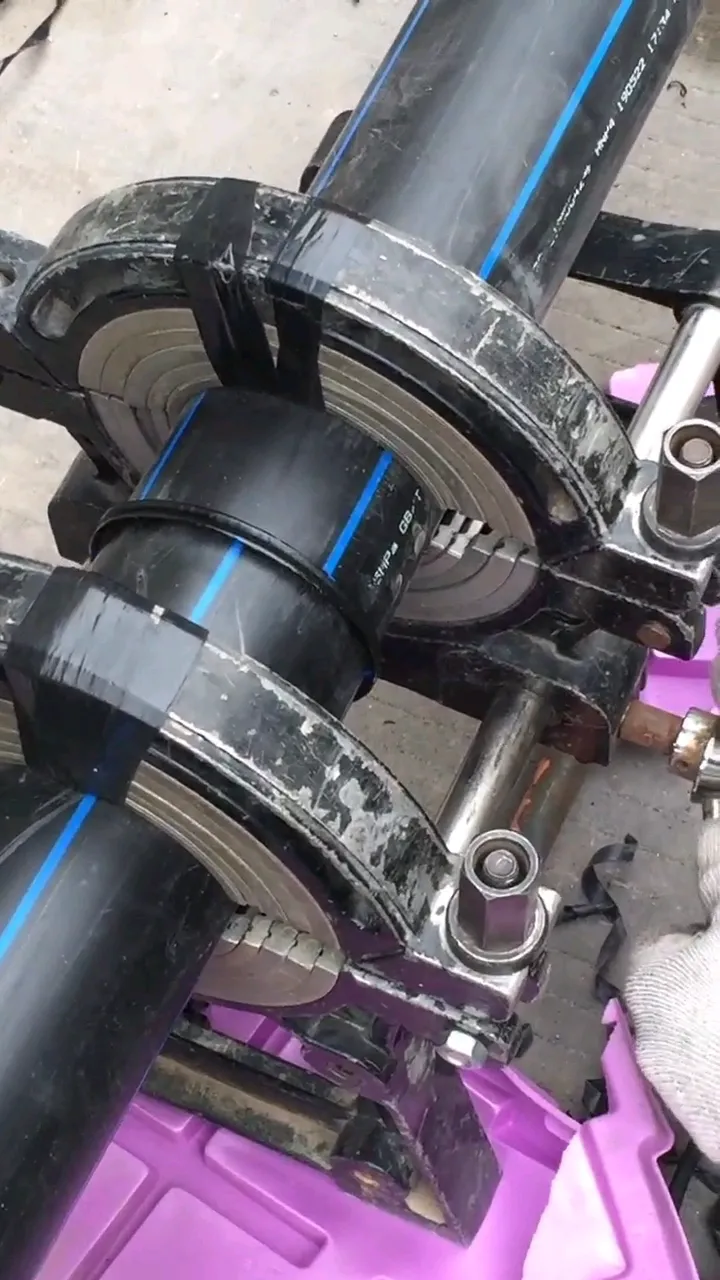
PPR pipes are manufactured from polypropylene random copolymer resin. The ‘random’ designation refers to the random distribution of comonomers (typically ethylene) within the polypropylene polymer chain. This randomization disrupts the crystallinity of the polypropylene, resulting in enhanced impact resistance and flexibility compared to homopolymer polypropylene. The raw material exhibits a density typically ranging from 0.905 to 0.92 g/cm³. Key physical properties include a tensile strength of 20-30 MPa, a flexural modulus of 800-1200 MPa, and a Vicat softening temperature between 130-150°C. Chemical compatibility is excellent with potable water, but prolonged exposure to strong oxidizing agents should be avoided. The manufacturing process begins with the melting of PPR granules in an extruder. Extrusion parameters – melt temperature (190-230°C), screw speed (30-80 RPM), and die pressure (5-10 MPa) – are critical for achieving consistent pipe dimensions and material homogeneity. Post-extrusion, pipes are cooled and cut to length. Socket fittings are manufactured using similar extrusion processes, designed for hot-fusion welding. Critical parameter control during fitting manufacturing involves precise dimensioning of the socket to ensure optimal weld penetration and bonding. The weldability of PPR is dependent on maintaining precise temperature control (130-170°C) and adequate welding pressure (0.2-0.4 MPa) during the fusion process. Non-uniform heating or insufficient pressure can lead to incomplete fusion and potential leak paths.
Performance & Engineering
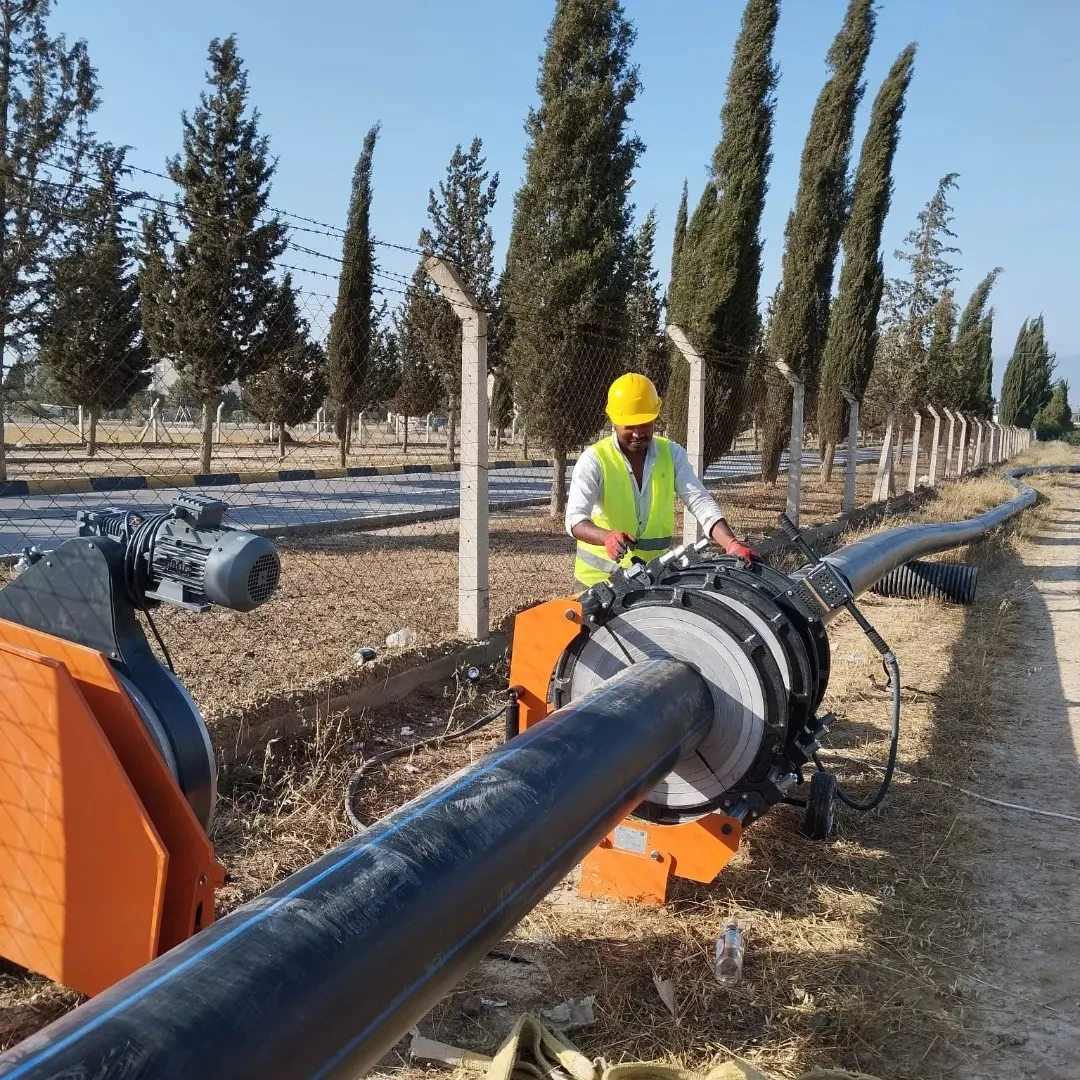
PPR cold water pipes are engineered to withstand hydrostatic pressure and thermal stresses associated with cold water distribution. Hydrostatic pressure testing, conducted according to standards like ISO 1167, ensures the pipe's ability to contain water pressure without rupture. The burst pressure typically exceeds the operating pressure by a significant margin, providing a substantial safety factor. Force analysis considers hoop stress (generated by internal pressure) and longitudinal stress (due to thermal expansion/contraction and support conditions). The relatively low coefficient of thermal expansion of PPR (0.15 mm/m·°C) minimizes stress buildup during temperature fluctuations. Environmental resistance is a key consideration. While PPR exhibits excellent resistance to most chemicals found in potable water, prolonged exposure to UV radiation can cause degradation and embrittlement. Therefore, pipes installed in exposed locations require UV protection (e.g., painting or using UV-stabilized grades of PPR). Compliance with potable water regulations (e.g., NSF/ANSI 61) is crucial, ensuring the material does not leach harmful substances into the water supply. The smoothness of the inner pipe surface (roughness coefficient of approximately 0.007 mm) results in minimal frictional losses, reducing pumping energy requirements. Proper pipe support design is essential to prevent excessive bending stresses and maintain long-term integrity. Support spacing should adhere to manufacturer's recommendations and relevant building codes.
Technical Specifications
| Parameter | Unit | Specification (Typical) | Test Standard |
|---|---|---|---|
| Nominal Diameter | mm | 20, 25, 32, 40, 50, 63, 75, 90, 110 | ISO 15876 |
| Pressure Rating (PN) | bar | PN10, PN16, PN20, PN25 | ISO 1167 |
| Tensile Strength | MPa | 20-30 | ISO 527-2 |
| Vicat Softening Temperature | °C | 130-150 | ISO 306 |
| Long-Term Hydrostatic Strength | bar | > 100 (at 20°C, 1000 hrs) | ISO 1167 |
| Coefficient of Linear Thermal Expansion | mm/m·°C | 0.15 | ISO 11359-2 |
Failure Mode & Maintenance
Several failure modes can affect PPR cold water pipe systems. The most common include: 1) Weld Failure: Incomplete or improperly executed hot-fusion welds are the leading cause of leaks. This is often due to insufficient heating, inadequate pressure, or contamination of the welding surfaces. 2) Slow Crack Growth (SCG): Prolonged exposure to sustained tensile stress, particularly in the presence of certain contaminants or residual stress from manufacturing, can initiate SCG. 3) UV Degradation: Exposure to ultraviolet radiation causes chain scission in the polymer, leading to embrittlement and cracking. 4) Water Hammer: Sudden changes in flow velocity can generate pressure surges (water hammer) exceeding the pipe's pressure rating, causing rupture. 5) Thermal Expansion Stress: While PPR has a relatively low CTE, significant temperature variations without adequate expansion loops can induce stress leading to joint failure. Maintenance involves periodic visual inspections for leaks, cracks, or deformation. Preventive maintenance includes ensuring proper pipe support, minimizing water hammer through the use of pressure reducing valves or surge arrestors, and protecting exposed pipes from UV radiation. For weld repairs, the affected section must be cut out and replaced with a new fitting using proper hot-fusion welding techniques. Regular flushing of the system can help remove sediment buildup and prevent clogging. In cases of suspected SCG, a thorough assessment of the system’s operating conditions and water quality is necessary.
Industry FAQ
Q: What is the acceptable level of weld protrusion after hot-fusion welding of PPR pipes?
A: A slight bead of material (0.5-1.5 mm) is generally acceptable and indicates sufficient material fusion. However, excessive protrusion (>2 mm) suggests overheating or excessive pressure during welding, potentially weakening the joint. Conversely, minimal to no protrusion indicates insufficient heating or pressure, resulting in an incomplete weld.
Q: How does water quality affect the long-term performance of PPR pipes?
A: PPR is generally resistant to most chemicals in potable water, but highly chlorinated water or water with a high mineral content can potentially accelerate degradation over time. Monitoring water quality and implementing appropriate filtration or treatment measures can mitigate these effects.
Q: What is the recommended maximum operating temperature for PPR cold water pipes?
A: While designed for cold water applications, PPR can withstand short-term exposure to temperatures up to 60°C. However, continuous operation above 40°C is not recommended, as it can reduce the pipe’s long-term creep resistance and potentially lead to premature failure.
Q: What are the key considerations for supporting long runs of PPR pipe?
A: Support spacing should be determined based on pipe diameter and fluid velocity, adhering to manufacturer’s recommendations. Supports should be non-corrosive and designed to distribute the pipe load evenly. Expansion loops should be incorporated to accommodate thermal expansion and contraction.
Q: Are PPR pipes suitable for burial? If so, what precautions should be taken?
A: PPR pipes can be buried, but require adequate bedding and backfill to protect against mechanical damage. A minimum cover depth of 600mm is generally recommended. The trench bottom should be free of rocks and sharp objects. Consider using a protective sleeve around the pipe in areas prone to soil movement or rock formation.
Conclusion
PPR cold water pipe systems offer a compelling combination of durability, chemical resistance, and ease of installation. However, realizing these benefits requires meticulous attention to material quality, proper manufacturing processes, and adherence to established installation guidelines. Understanding the potential failure modes – particularly weld integrity and environmental degradation – is crucial for ensuring long-term system reliability.
Future developments in PPR technology may focus on enhancing UV resistance through advanced polymer formulations and incorporating smart monitoring systems to detect leaks and predict potential failures. Continued adherence to international standards and rigorous quality control measures will be essential for maintaining the integrity and performance of PPR cold water pipe systems in diverse applications.
-
DN25 HDPE Compression Fitting-HORON INTERNATIONAL|Reliable Irrigation Solutions
NewsFeb.11,2026
-
hdpe coupling joint product Manufacturing Analysis
News2026-11-18
-
ppr pipe heating time products Performance Analysis
News2026-11-16
-
hdpe pipe sizes factory Performance Analysis
News2026-11-09
-
HDPE Pipe Sizes Service Performance Analysis
News2026-10-26
-
wholesale 15mm ppr pipe Material Science and Performance Analysis
News2026-10-20
-
wholesale pvc pipe price per foot Technical Analysis
News2026-09-21
-
wholesale long pvc pipe Technical Analysis and Manufacturing Specifications
News2026-09-15
-
wholesale plumbing kitchen sink water lines Material Performance
News2026-09-15
-
wholesale hdpe drip irrigation Material Science
News2026-09-15
-
wholesale hot water ppr pipe Performance Analysis
News2026-09-15
-
wholesale ppr plumbing Performance Analysis
News2026-09-15
-
wholesale ppr pipe supplier Performance Analysis
News2026-09-13
-
wholesale 50mm ppr pipe Performance Analysis
News2026-09-13
-
wholesale hdpe drip pipe Performance Analysis
News2026-09-13
-
wholesale hdpe pipe 63mm price Manufacturing Specification and Performance Analysis
News2026-09-13