

Feb . 11, 2026 00:01 Back to list
plumbing kitchen sink water lines manufacturers Performance Analysis
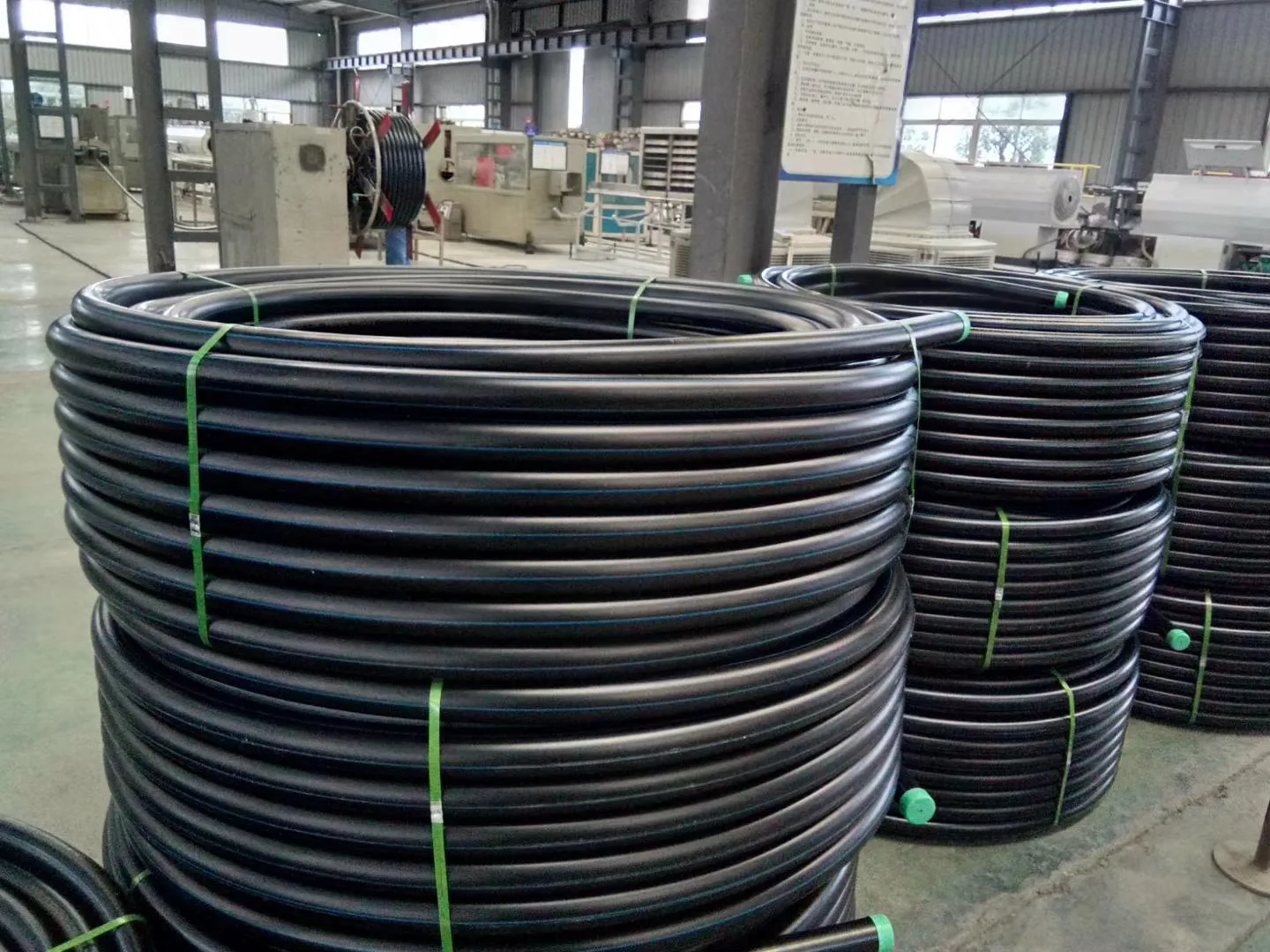
Introduction
Plumbing kitchen sink water lines represent a critical, yet often overlooked, component of residential and commercial infrastructure. These lines facilitate the delivery of potable water to kitchen sinks and the drainage of wastewater, impacting public health and sanitation. The industry chain encompasses raw material suppliers (primarily polymers and metals), tubing manufacturers utilizing extrusion, molding, or welding processes, fitting manufacturers employing injection molding or forging techniques, and ultimately, plumbing contractors responsible for installation. Core performance characteristics include consistent flow rate, leak-proof integrity, resistance to corrosion and chemical degradation, pressure sustainability, and adherence to stringent plumbing codes. A significant pain point within the industry lies in balancing cost-effectiveness with long-term durability and compliance with increasingly strict regulations concerning lead content and water quality. The proliferation of various materials – PEX, CPVC, copper, stainless steel – introduces complexities in compatibility and installation techniques, demanding comprehensive understanding from both manufacturers and installers.
Material Science & Manufacturing
The material selection for kitchen sink water lines fundamentally dictates performance and longevity. Common materials include: Cross-linked Polyethylene (PEX), known for its flexibility, freeze resistance, and cost-effectiveness; Chlorinated Polyvinyl Chloride (CPVC), offering high temperature resistance and corrosion resistance, but requiring careful installation due to potential for solvent welding issues; Copper, historically dominant due to its durability, antimicrobial properties, and resistance to corrosion in most water conditions, though susceptible to pitting corrosion in aggressive water chemistries and increasingly expensive; and Stainless Steel, providing exceptional corrosion resistance and strength but at a higher cost and potentially requiring specialized joining techniques.
Manufacturing Processes: PEX tubing is typically produced via a crosslinking process – either peroxide (XLPO), silane (XLS), or radiation crosslinking – altering the polyethylene’s molecular structure for enhanced thermal stability. CPVC is manufactured through the chlorination of PVC resin, increasing its chlorine content and thus its temperature resistance. Copper tubing is produced through drawing and annealing processes, establishing the desired wall thickness and temper. Stainless steel tubing relies on seamless extrusion or welding techniques. Fittings, essential components, are largely manufactured using injection molding (for plastics) or forging/casting (for metals). Critical parameters in manufacturing include dimensional accuracy (inner diameter, outer diameter, wall thickness), uniformity of material properties, and surface finish. Quality control relies on hydrostatic testing, ultrasonic testing (for detecting flaws in welds), and material composition analysis using techniques like X-ray fluorescence (XRF).

Performance & Engineering
The performance of kitchen sink water lines is governed by several key engineering principles. Hydrostatic Pressure Analysis is critical to ensuring the lines can withstand maximum water pressure without failure. This involves calculating hoop stress within the tubing wall based on pressure and diameter, adhering to safety factors specified by plumbing codes. Thermal Expansion & Contraction must be accounted for, particularly with PEX and CPVC, which exhibit significant dimensional changes with temperature fluctuations. Expansion loops or flexible connectors mitigate stress caused by thermal movement. Flow Rate Analysis, utilizing the Hagen-Poiseuille equation, determines the inner diameter required to deliver adequate water flow to the sink faucet under varying pressure conditions.
Environmental Resistance is paramount. Lines must resist corrosion from water chemistry (pH, dissolved oxygen, mineral content), chemical attack from cleaning agents, and degradation from UV exposure (especially for exposed lines). Compliance Requirements are dictated by local plumbing codes (e.g., Uniform Plumbing Code – UPC, International Plumbing Code – IPC) and national standards regarding lead content (e.g., Safe Drinking Water Act in the US). Specific functional implementation considerations include minimizing flow restriction by utilizing smooth inner surfaces and gradual bends, ensuring compatibility between tubing and fitting materials to prevent galvanic corrosion, and providing adequate support to prevent sagging or strain on connections.
Technical Specifications
| Material | Operating Pressure (PSI) | Temperature Rating (°F) | Inner Diameter (in) |
|---|---|---|---|
| PEX | 100-160 | 140 | 0.5 - 1.0 |
| CPVC | 100-400 | 180 | 0.5 - 1.0 |
| Copper (Type L) | 200-600 | 250 | 0.375 - 1.0 |
| Stainless Steel (304) | 300-1000 | 500 | 0.5 - 1.5 |
| PEX-AL-PEX | 120-180 | 140 | 0.5 - 1.0 |
| HDPE | 80-120 | 140 | 0.5 - 1.0 |
Failure Mode & Maintenance
Common failure modes in kitchen sink water lines include: Fatigue Cracking, particularly in copper tubing subjected to repeated pressure cycles and vibration; Corrosion, leading to pinhole leaks in copper and steel due to aggressive water chemistry; Delamination in PEX-AL-PEX composite tubing due to inadequate adhesion between layers; Chemical Degradation of plastic tubing (PEX, CPVC) due to prolonged exposure to harsh cleaning agents; and Connection Failures at fittings due to improper installation, material incompatibility, or thermal stress. Oxidation of stainless steel, though generally resistant, can occur in highly corrosive environments.
Maintenance Solutions involve regular inspection for leaks, corrosion, and damage. Water quality testing can identify aggressive chemical constituents contributing to corrosion. Proper installation techniques – including correct solvent welding procedures for CPVC, appropriate insertion depth for PEX fittings, and use of dielectric unions to prevent galvanic corrosion – are crucial. Periodic flushing of lines can remove sediment buildup. For corroded copper lines, replacement with CPVC or PEX is recommended. For PEX-AL-PEX, ensuring proper crimping and support is critical. Implementing a water softener can mitigate the effects of hard water and reduce scale buildup. Preventative maintenance, rather than reactive repair, is the most cost-effective long-term strategy.
Industry FAQ
Q: What are the advantages of PEX over traditional copper piping?
A: PEX offers greater flexibility, reducing the number of fittings required and simplifying installation. It is also more resistant to freezing and offers lower material costs compared to copper. However, copper provides superior resistance to UV degradation and can handle higher water temperatures in some applications.
Q: How does water chemistry affect the lifespan of copper piping?
A: Highly acidic or alkaline water, or water with high chloride or sulfate content, can accelerate corrosion of copper piping. Low pH water (acidic) leads to pitting corrosion, while high pH water (alkaline) can cause scaling. Chlorine and sulfates can also contribute to corrosion.
Q: What is the significance of the SDR (Standard Dimension Ratio) rating for plastic piping like CPVC?
A: The SDR rating indicates the relationship between the pipe’s outer diameter and its wall thickness. A lower SDR value indicates a thicker wall and therefore higher pressure resistance. Selecting the appropriate SDR for the intended application is crucial to ensure structural integrity.
Q: How can galvanic corrosion be prevented when connecting dissimilar metals in a plumbing system?
A: Galvanic corrosion occurs when dissimilar metals are in contact in the presence of an electrolyte (water). To prevent this, use dielectric unions to electrically isolate the metals. Alternatively, choose compatible materials or apply a protective coating to the connection.
Q: What are the key considerations when selecting fittings for PEX tubing?
A: Ensure the fittings are specifically designed for PEX and are compatible with the chosen PEX tubing type (A, B, or C). Use the appropriate crimping or expansion tools and follow the manufacturer’s instructions carefully to ensure a secure and leak-proof connection. Proper support for PEX tubing is also essential to prevent stress on the fittings.
Conclusion
The selection and implementation of kitchen sink water lines are complex engineering decisions requiring consideration of material properties, manufacturing processes, performance characteristics, and long-term durability. The balance between cost, compliance, and reliability dictates the optimal solution for a given application. A thorough understanding of potential failure modes and preventative maintenance practices is crucial to minimizing life-cycle costs and ensuring a safe and sustainable plumbing system.
Future trends in this industry are leaning towards increased use of sustainable materials, smart plumbing systems with leak detection capabilities, and improved installation techniques utilizing prefabricated components. Ongoing research and development focusing on corrosion-resistant alloys and advanced polymer formulations will continue to refine the performance and longevity of kitchen sink water lines, ultimately contributing to more efficient and reliable plumbing infrastructure.
-
DN25 HDPE Compression Fitting-HORON INTERNATIONAL|Reliable Irrigation Solutions
NewsFeb.11,2026
-
hdpe coupling joint product Manufacturing Analysis
News2026-11-18
-
ppr pipe heating time products Performance Analysis
News2026-11-16
-
hdpe pipe sizes factory Performance Analysis
News2026-11-09
-
HDPE Pipe Sizes Service Performance Analysis
News2026-10-26
-
wholesale 15mm ppr pipe Material Science and Performance Analysis
News2026-10-20
-
wholesale pvc pipe price per foot Technical Analysis
News2026-09-21
-
wholesale long pvc pipe Technical Analysis and Manufacturing Specifications
News2026-09-15
-
wholesale plumbing kitchen sink water lines Material Performance
News2026-09-15
-
wholesale hdpe drip irrigation Material Science
News2026-09-15
-
wholesale hot water ppr pipe Performance Analysis
News2026-09-15
-
wholesale ppr plumbing Performance Analysis
News2026-09-15
-
wholesale ppr pipe supplier Performance Analysis
News2026-09-13
-
wholesale 50mm ppr pipe Performance Analysis
News2026-09-13
-
wholesale hdpe drip pipe Performance Analysis
News2026-09-13
-
wholesale hdpe pipe 63mm price Manufacturing Specification and Performance Analysis
News2026-09-13