

Feb . 11, 2026 00:01 Back to list
plumbing kitchen sink water lines manufacturer Material Performance Analysis
Introduction
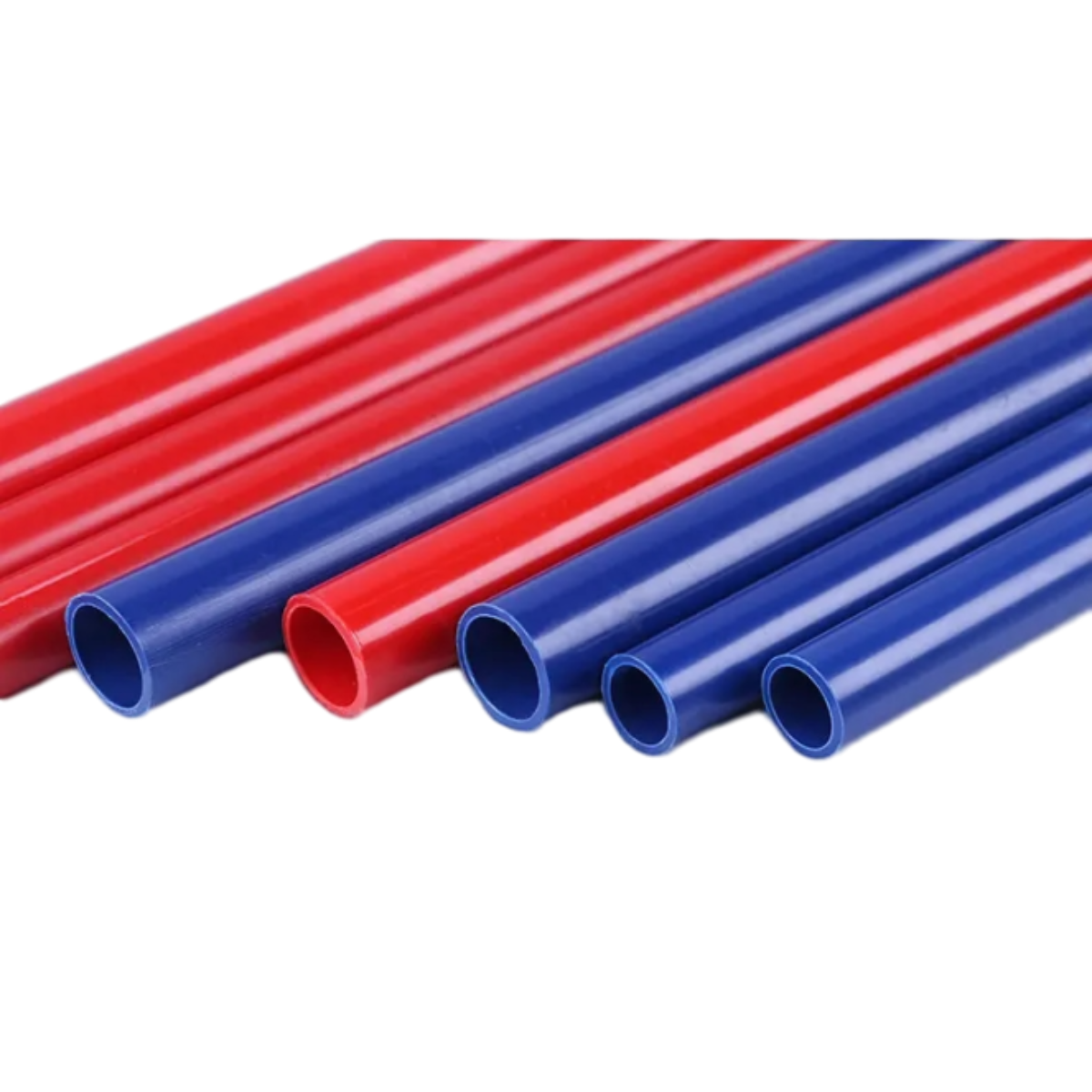
Plumbing kitchen sink water lines represent a critical component within residential and commercial plumbing infrastructure. These lines, typically constructed from a variety of materials including copper, PEX (cross-linked polyethylene), CPVC (chlorinated polyvinyl chloride), and stainless steel, are responsible for delivering potable water to kitchen sinks and removing wastewater. Their performance directly impacts water pressure, sanitation, and the overall reliability of the plumbing system. This technical guide provides an in-depth analysis of material science, manufacturing processes, performance characteristics, failure modes, and industry standards governing kitchen sink water lines, addressing the core concerns of B2B procurement managers and engineering professionals. A primary industry pain point revolves around long-term corrosion resistance, leak prevention, and compliance with evolving potable water safety regulations, particularly regarding lead content and material leaching. The selection of appropriate water line materials and installation techniques is paramount to ensuring system longevity and minimizing lifecycle costs.
Material Science & Manufacturing
The materials utilized in kitchen sink water line manufacturing dictate their performance characteristics and service life. Copper, historically dominant, offers excellent corrosion resistance and antimicrobial properties but is susceptible to price fluctuations and potential leaching in certain water conditions. Its manufacturing involves extrusion and drawing processes, requiring precise temperature control to achieve desired ductility and wall thickness. PEX, a thermoplastic, has gained popularity due to its flexibility, freeze resistance, and lower cost. PEX production relies on cross-linking polyethylene resins via peroxide, radiation, or silane methods. Critical parameters include cross-linking density, molecular weight distribution, and oxidation stability. CPVC, engineered from PVC, exhibits higher temperature resistance and chlorine tolerance compared to standard PVC, making it suitable for hot water lines. Its manufacture involves chlorination of PVC resin followed by extrusion. Maintaining consistent chlorine content and avoiding thermal degradation during processing are crucial. Stainless Steel, specifically grades 304 and 316, offers superior corrosion resistance and strength but is more expensive. Manufacturing involves welding and forming processes, requiring careful control of welding parameters to prevent sensitization and maintain corrosion resistance. The joining methods—soldering for copper, crimping or expansion for PEX, solvent welding for CPVC, and welding/compression fittings for stainless steel—are equally critical, requiring skilled technicians and adherence to industry best practices. Material compatibility with fittings and other plumbing components must be verified to prevent galvanic corrosion or chemical reactions.
Performance & Engineering
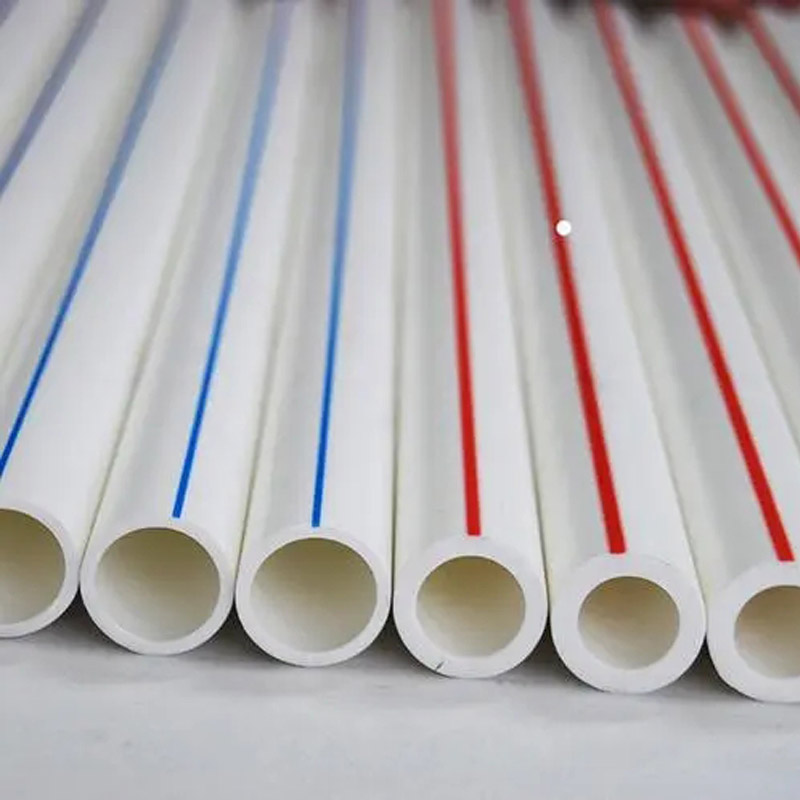
The performance of kitchen sink water lines is governed by several engineering principles. Hydrostatic pressure testing is crucial to verify the integrity of the lines and fittings, exceeding the maximum operating pressure specified by local plumbing codes. Burst pressure testing determines the ultimate strength of the material. Tensile strength and elongation are essential material properties influencing resistance to mechanical stress during installation and operation. Thermal expansion and contraction must be accounted for, particularly with PEX and CPVC, to prevent stress on joints and fittings. Flow rate is impacted by pipe diameter, material roughness, and the presence of fittings. Proper pipe sizing minimizes pressure drop and ensures adequate water delivery. Corrosion resistance is paramount, particularly in aggressive water environments. Material selection and protective coatings are critical. Water hammer, caused by sudden valve closures, generates pressure surges that can damage lines and fittings. Water hammer arrestors are often required in systems prone to this phenomenon. Compliance with plumbing codes such as the Uniform Plumbing Code (UPC) and the International Plumbing Code (IPC) is mandatory. These codes specify material requirements, installation procedures, and testing protocols to ensure safe and reliable plumbing systems.
Technical Specifications
| Material | Operating Pressure (PSI) | Temperature Rating (°F) | Burst Pressure (PSI) |
|---|---|---|---|
| Copper (Type L) | 200 | 180 | 600 |
| PEX (ASTM F877) | 100 | 180 | 300 |
| CPVC (ASTM D2846) | 100 | 200 | 400 |
| Stainless Steel (304) | 300 | 250 | 1200 |
| PEX-AL-PEX | 150 | 140 | 450 |
| HDPE (High-Density Polyethylene) | 125 | 140 | 350 |
Failure Mode & Maintenance
Kitchen sink water lines are susceptible to several failure modes. Corrosion, particularly galvanic corrosion in dissimilar metal connections, leads to leaks and reduced pipe wall thickness. Freeze damage can rupture PEX and copper lines in cold climates. Scaling, caused by mineral deposits, restricts flow and can lead to pressure buildup. Fatigue cracking can occur in stainless steel lines subjected to repeated stress cycles. Delamination can occur in composite materials like PEX-AL-PEX, reducing their structural integrity. UV degradation can embrittle PEX exposed to sunlight. Preventative maintenance includes periodic visual inspections for leaks and corrosion, flushing the lines to remove sediment, and ensuring adequate insulation in cold climates. Leak detection systems can provide early warning of failures. If corrosion is detected, replacing the affected section of pipe is recommended. Damaged PEX lines should be replaced using appropriate crimping or expansion fittings. Regularly checking and tightening fittings can prevent leaks. Water softener installation can mitigate scaling issues. Properly supporting the lines prevents sagging and stress on joints.
Industry FAQ
Q: What are the key advantages of PEX over traditional copper piping for kitchen sink applications?
A: PEX offers several advantages, including lower material cost, greater flexibility simplifying installation in tight spaces, freeze resistance minimizing the risk of burst pipes in cold climates, and resistance to mineral buildup reducing flow restrictions. However, copper boasts superior resistance to UV degradation and a longer track record of long-term performance, though this comes at a higher initial investment.
Q: What are the concerns regarding lead leaching from older copper plumbing, and what mitigation strategies are available?
A: Older copper piping, particularly when joined with lead-based solder, can leach lead into the potable water supply. This poses a significant health risk. Mitigation strategies include replacing lead-based solder with lead-free alternatives during repairs, installing point-of-use filters certified to remove lead, and, in severe cases, replacing the entire plumbing system.
Q: What considerations are important when selecting fittings for PEX piping to ensure a watertight seal?
A: Selecting the correct fitting type (crimp, expansion, or push-fit) and ensuring compatibility with the PEX tubing are crucial. Proper tool calibration and technician training are essential for achieving a reliable connection. Using fittings certified to NSF/ANSI 61 standards ensures material safety and compatibility with potable water.
Q: How does water quality (pH, mineral content) affect the longevity of different water line materials?
A: Highly acidic water (low pH) can accelerate corrosion of copper and steel. Hard water with high mineral content can lead to scaling in any material, reducing flow. Chloramine in treated water can degrade PEX over time. Understanding the water chemistry is vital when choosing materials and implementing corrosion control measures.
Q: What are the typical warranty periods offered by manufacturers for different types of kitchen sink water lines?
A: Warranty periods vary significantly by material and manufacturer. Copper typically has a limited warranty covering material defects. PEX often comes with warranties ranging from 25 years to lifetime coverage, typically limited to material defects and excluding damage caused by improper installation or external factors. Stainless steel often has warranties of 10-20 years.
Conclusion
The selection of kitchen sink water lines requires careful consideration of material properties, manufacturing processes, performance requirements, and potential failure modes. While copper remains a viable option, PEX and CPVC have gained significant traction due to their cost-effectiveness and ease of installation. Stainless steel offers superior corrosion resistance but comes at a premium. Understanding the nuances of each material and adhering to industry best practices during installation and maintenance are paramount to ensuring long-term reliability and minimizing lifecycle costs.
Ultimately, a holistic approach encompassing material selection, proper installation, preventative maintenance, and adherence to relevant plumbing codes is essential for delivering a safe, efficient, and durable kitchen sink water line system. Continuous monitoring of water quality and early detection of potential issues will further contribute to the longevity and performance of the plumbing infrastructure.
-
DN25 HDPE Compression Fitting-HORON INTERNATIONAL|Reliable Irrigation Solutions
NewsFeb.11,2026
-
hdpe coupling joint product Manufacturing Analysis
News2026-11-18
-
ppr pipe heating time products Performance Analysis
News2026-11-16
-
hdpe pipe sizes factory Performance Analysis
News2026-11-09
-
HDPE Pipe Sizes Service Performance Analysis
News2026-10-26
-
wholesale 15mm ppr pipe Material Science and Performance Analysis
News2026-10-20
-
wholesale pvc pipe price per foot Technical Analysis
News2026-09-21
-
wholesale long pvc pipe Technical Analysis and Manufacturing Specifications
News2026-09-15
-
wholesale plumbing kitchen sink water lines Material Performance
News2026-09-15
-
wholesale hdpe drip irrigation Material Science
News2026-09-15
-
wholesale hot water ppr pipe Performance Analysis
News2026-09-15
-
wholesale ppr plumbing Performance Analysis
News2026-09-15
-
wholesale ppr pipe supplier Performance Analysis
News2026-09-13
-
wholesale 50mm ppr pipe Performance Analysis
News2026-09-13
-
wholesale hdpe drip pipe Performance Analysis
News2026-09-13
-
wholesale hdpe pipe 63mm price Manufacturing Specification and Performance Analysis
News2026-09-13