

Feb . 11, 2026 00:01 Back to list
plumbing kitchen sink water lines factory Performance Analysis
Introduction
Plumbing kitchen sink water lines, manufactured in dedicated factory settings, represent a critical component of residential and commercial water distribution systems. These systems are responsible for delivering potable water to kitchen sinks and removing wastewater. The manufacturing process extends beyond simple pipe assembly, encompassing material selection, joining techniques (soldering, crimping, push-fit connections), pressure testing, and quality control to ensure long-term reliability and compliance with stringent plumbing codes. A core industry pain point revolves around material degradation from water chemistry, specifically corrosion and scaling, leading to leaks and potential contamination. This guide provides an in-depth exploration of the materials, manufacturing processes, performance characteristics, failure modes, and relevant standards governing plumbing kitchen sink water lines.
Material Science & Manufacturing
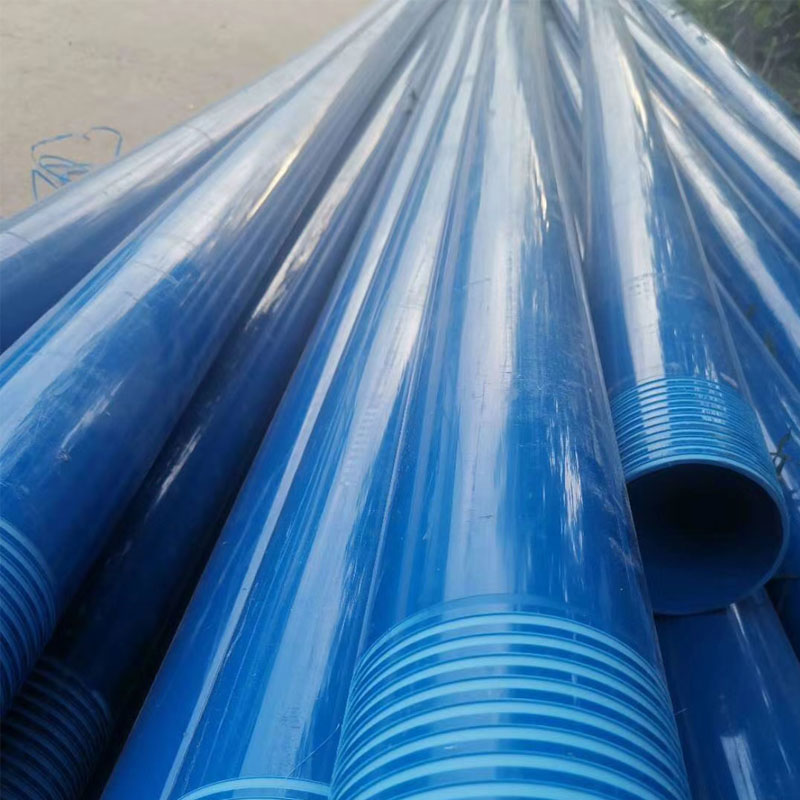
The predominant materials used in kitchen sink water lines are Copper, CPVC (Chlorinated Polyvinyl Chloride), PEX (Cross-linked Polyethylene), and increasingly, Stainless Steel. Copper, historically the standard, offers excellent corrosion resistance in many water conditions and is known for its ductility and ease of soldering. However, it is susceptible to pitting corrosion in aggressive water environments and is subject to price volatility. CPVC provides excellent resistance to high temperatures and chemical attack but requires solvent welding, which demands skilled technicians. PEX, a flexible plastic, is quickly gaining market share due to its ease of installation using crimp or expansion fittings and resistance to freeze cracking, but its long-term performance and compatibility with certain water treatments are ongoing areas of study. Stainless Steel offers exceptional durability and resistance to corrosion but is significantly more expensive and requires specialized joining techniques.
Manufacturing processes vary depending on the material. Copper tubing is produced via extrusion and drawing, followed by annealing and straightening. Critical parameters include die temperature, drawing speed, and annealing atmosphere to control grain size and mechanical properties. CPVC and PEX are manufactured via extrusion, where precise temperature control and resin formulation are paramount. PEX crosslinking, typically achieved using peroxide, electron beam, or silane methods, dramatically alters its physical properties, enhancing temperature resistance and burst strength. Joining methods—soldering for copper, solvent welding for CPVC, and crimping/expansion for PEX—require stringent process control. Soldering necessitates proper flux application and temperature regulation to ensure reliable joints free of voids or oxidation. CPVC solvent welding requires precise alignment and curing times. PEX fitting installation must adhere to manufacturer’s specifications regarding crimp ring selection and tool calibration. Non-destructive testing (NDT) such as pressure testing and visual inspection are critical quality control steps.
Performance & Engineering
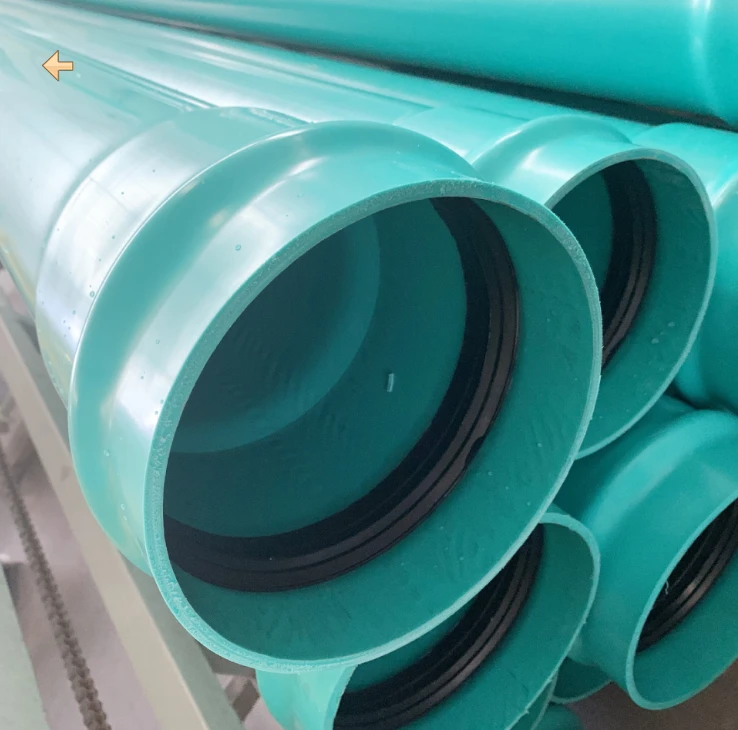
The performance of kitchen sink water lines is dictated by several key engineering considerations. First, hydrostatic pressure testing is crucial, adhering to standards such as ASTM D2846 for PEX and ASME B133.7 for Copper. This testing verifies the system’s ability to withstand normal operating pressures and pressure surges. Second, thermal expansion and contraction must be accounted for, especially with PEX, to prevent stress on fittings and potential leaks. Expansion loops or flexible connectors are often incorporated into the design. Third, flow rate and friction loss are important parameters, influencing water delivery speed and energy consumption. Pipe diameter selection must consider flow velocity limitations to minimize noise and erosion. Fourth, material compatibility with water chemistry is critical. Highly acidic or alkaline water can accelerate corrosion or degradation. Finally, seismic considerations are essential in earthquake-prone regions, necessitating flexible connections and secure anchoring to mitigate damage during ground motion. Force analysis on fittings and joints must demonstrate their ability to withstand anticipated loads without failure.
Technical Specifications
| Material | Operating Pressure (PSI) | Temperature Rating (°F) | Burst Pressure (PSI) |
|---|---|---|---|
| Copper (Type L) | 200 | 180 | 800 |
| CPVC | 100 | 180 | 400 |
| PEX (AL-PEX) | 160 | 180 | 600 |
| Stainless Steel (304) | 300 | 250 | 1200 |
| PEX (PEX-a) | 160 | 180 | 800 |
| Copper (Type M) | 125 | 180 | 600 |
Failure Mode & Maintenance
Common failure modes in kitchen sink water lines include corrosion (particularly in copper), pitting corrosion due to aggressive water chemistry, scale buildup restricting flow, joint failures (leaks at soldered, crimped, or solvent-welded connections), and freeze cracking (primarily in rigid materials). Fatigue cracking can occur in PEX tubing subjected to repeated flexing or vibration. Delamination of PEX layers can also occur due to improper manufacturing or installation. Oxidation of stainless steel, while slower, can lead to localized corrosion in chloride-rich environments. Maintenance involves periodic inspection for leaks, corrosion, and scale buildup. Water softener installation can mitigate scale formation. For copper lines, sacrificial anodes can be used to protect against corrosion. Joints should be regularly checked for tightness and signs of deterioration. If leaks are detected, immediate repair or replacement is necessary. Preventative maintenance includes flushing the lines to remove sediment and debris. In areas prone to freezing, insulation is critical.
Industry FAQ
Q: What are the primary advantages of PEX over traditional copper piping?
A: PEX offers several advantages, including lower material cost, increased flexibility simplifying installation, and resistance to freeze cracking. It also eliminates the need for soldering, reducing the risk of fire and minimizing the skill required for installation. However, long-term durability and compatibility with certain water treatment chemicals are ongoing considerations.
Q: How does water quality affect the lifespan of copper plumbing?
A: Water quality is a critical factor. Low pH (acidic water) accelerates corrosion of copper. High chloride concentrations can cause pitting corrosion. Dissolved oxygen also contributes to corrosion. Water hardness and the presence of sulfates can lead to scale buildup, reducing flow rates and potentially damaging the pipes.
Q: What are the best practices for solvent welding CPVC pipes to ensure a leak-proof seal?
A: Proper surface preparation is essential. Pipe ends and fitting sockets must be clean, dry, and free of debris. Apply primer evenly to both surfaces, followed by CPVC cement. Ensure immediate assembly and a slight twisting motion to distribute the cement. Hold the joint firmly for the recommended curing time specified by the cement manufacturer.
Q: What is the significance of hydrostatic testing, and what standards are relevant?
A: Hydrostatic testing verifies the integrity of the plumbing system by pressurizing it to a level exceeding normal operating pressure. It identifies leaks and weak points before they cause issues. Relevant standards include ASTM D2846 for PEX and ASME B133.7 for Copper, which specify test pressures and procedures.
Q: What types of corrosion inhibitors are commonly used to protect copper plumbing systems?
A: Phosphate-based corrosion inhibitors are frequently used to form a protective layer on the interior of copper pipes, reducing corrosion rates. Silicate inhibitors can also be effective. However, it's crucial to ensure compatibility with other water treatment chemicals and to follow manufacturer's recommendations for dosage and application.
Conclusion
The selection and installation of kitchen sink water lines require a comprehensive understanding of material science, manufacturing processes, and performance characteristics. While copper remains a viable option, newer materials like PEX and CPVC offer compelling advantages in terms of cost, ease of installation, and resistance to certain failure modes. Regular maintenance and water quality management are crucial for ensuring long-term reliability and preventing costly repairs.
Future advancements will likely focus on developing more durable and sustainable materials, improving joining technologies, and incorporating smart monitoring systems to detect leaks and corrosion proactively. Furthermore, standardization of testing procedures and performance criteria will be essential for maintaining the integrity and safety of plumbing systems. A holistic approach encompassing material selection, installation best practices, and ongoing maintenance is paramount to ensuring a reliable and efficient water supply.
-
DN25 HDPE Compression Fitting-HORON INTERNATIONAL|Reliable Irrigation Solutions
NewsFeb.11,2026
-
hdpe coupling joint product Manufacturing Analysis
News2026-11-18
-
ppr pipe heating time products Performance Analysis
News2026-11-16
-
hdpe pipe sizes factory Performance Analysis
News2026-11-09
-
HDPE Pipe Sizes Service Performance Analysis
News2026-10-26
-
wholesale 15mm ppr pipe Material Science and Performance Analysis
News2026-10-20
-
wholesale pvc pipe price per foot Technical Analysis
News2026-09-21
-
wholesale long pvc pipe Technical Analysis and Manufacturing Specifications
News2026-09-15
-
wholesale plumbing kitchen sink water lines Material Performance
News2026-09-15
-
wholesale hdpe drip irrigation Material Science
News2026-09-15
-
wholesale hot water ppr pipe Performance Analysis
News2026-09-15
-
wholesale ppr plumbing Performance Analysis
News2026-09-15
-
wholesale ppr pipe supplier Performance Analysis
News2026-09-13
-
wholesale 50mm ppr pipe Performance Analysis
News2026-09-13
-
wholesale hdpe drip pipe Performance Analysis
News2026-09-13
-
wholesale hdpe pipe 63mm price Manufacturing Specification and Performance Analysis
News2026-09-13