

Feb . 11, 2026 00:01 Back to list
perforated pvc pipe for drainage product Performance Analysis
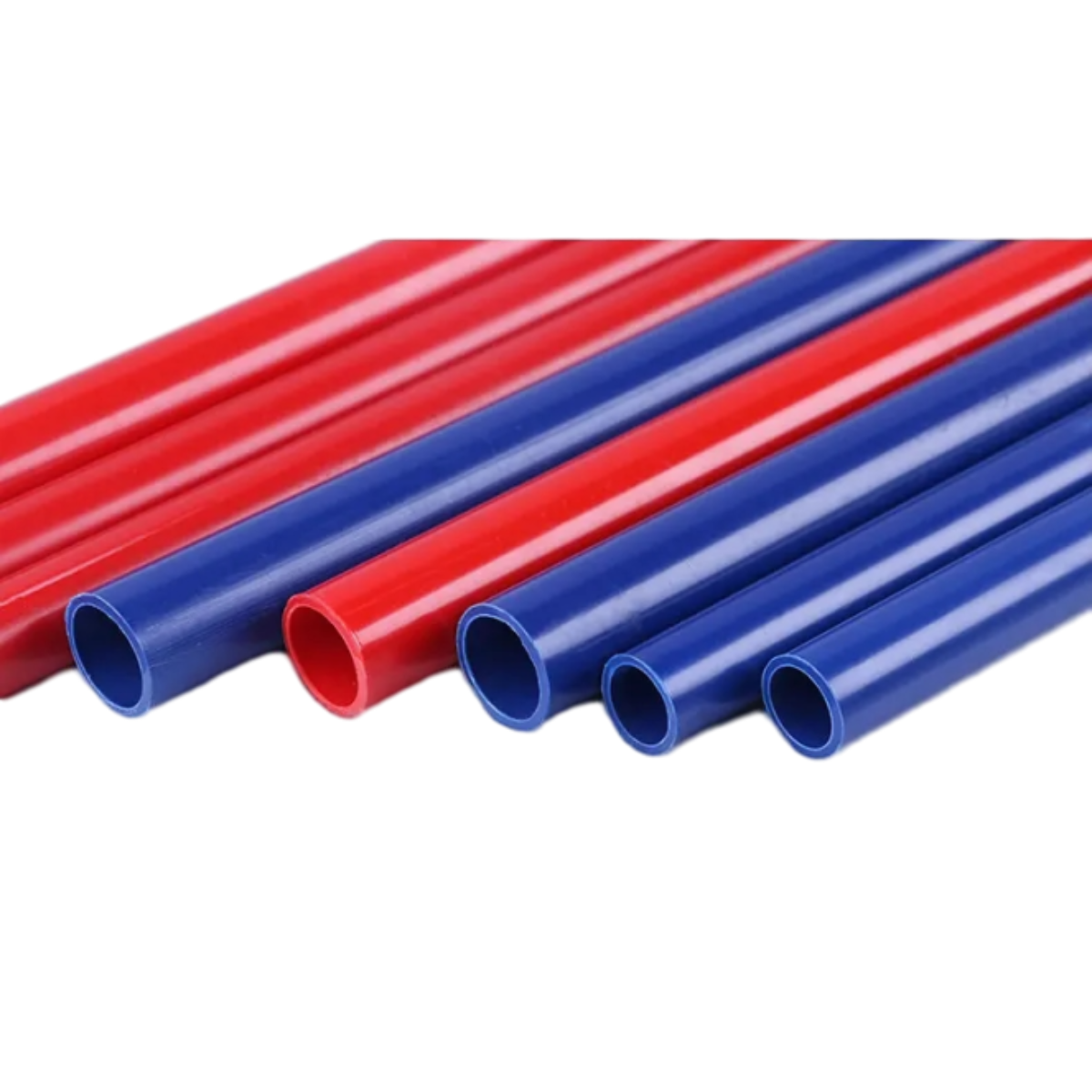
Introduction
Perforated Polyvinyl Chloride (PVC) pipe is a widely utilized subsurface drainage solution across diverse civil engineering applications, including stormwater management, agricultural drainage, and wastewater conveyance. Its primary function is to efficiently collect and transport water from saturated soils, preventing waterlogging and associated structural damage. Unlike solid PVC pipe, perforated PVC incorporates precisely engineered openings along its length, allowing for ingress of water while maintaining structural integrity. This guide provides a comprehensive technical overview of perforated PVC drainage pipe, covering material science, manufacturing processes, performance characteristics, potential failure modes, and relevant industry standards. Core to its success is the balance between hydraulic efficiency – maximized by perforation pattern and diameter – and structural strength, governed by pipe schedule (wall thickness) and PVC formulation. The industry currently faces challenges related to long-term durability in aggressive soil environments, optimal perforation design for varying soil types, and the increasing demand for sustainable material alternatives. This guide addresses these pain points with detailed technical analysis.
Material Science & Manufacturing
Perforated PVC drainage pipe is fundamentally composed of Polyvinyl Chloride, a thermoplastic polymer known for its chemical resistance, durability, and cost-effectiveness. The PVC resin used typically incorporates stabilizers, lubricants, and impact modifiers to enhance its processing characteristics and performance. Common PVC formulations include Type I (general purpose), Type II (impact-resistant), and Type IV (high-temperature resistance). The choice of formulation impacts the pipe's ability to withstand varying temperatures and soil stresses. Manufacturing begins with the extrusion of a seamless PVC pipe. Precise temperature control during extrusion (typically between 180-220°C) is critical to ensure uniform wall thickness and prevent material degradation. Following extrusion, the pipe undergoes a cooling process. Perforation is typically achieved through drilling, punching, or laser cutting, performed after the pipe has cooled and solidified. Drilling is common for larger diameter holes, while punching and laser cutting offer greater precision for smaller, more complex patterns. Critical parameters during perforation include hole diameter, hole spacing, perforation pattern (inline, staggered, spiral), and the removal of burrs to ensure smooth flow and prevent clogging. The chemical compatibility of the PVC with the surrounding soil environment is paramount; prolonged exposure to certain chemicals (e.g., concentrated acids, solvents) can induce degradation and embrittlement. Quality control measures include dimensional checks, hydrostatic pressure testing, and impact resistance testing to verify adherence to industry standards.
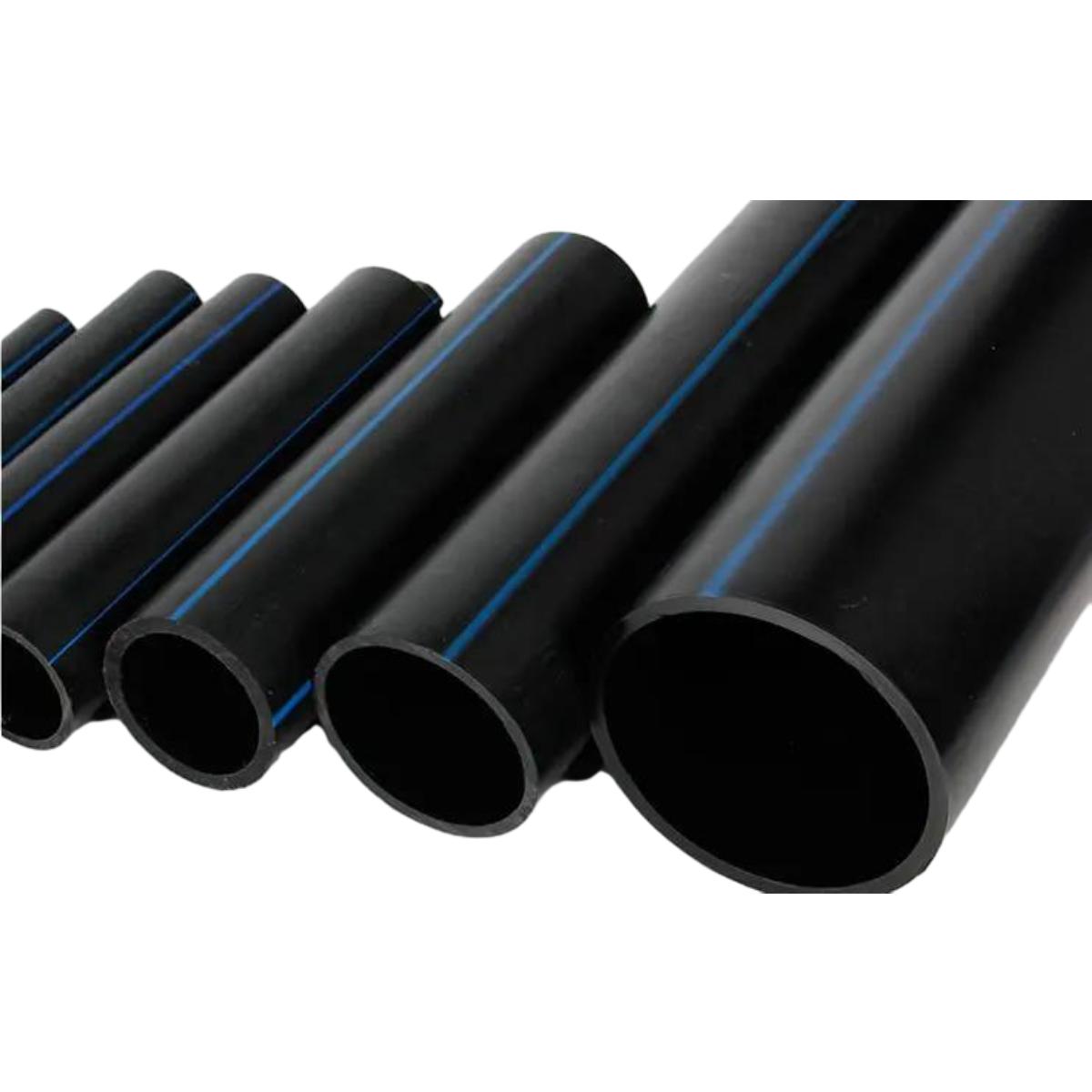
Performance & Engineering
The performance of perforated PVC drainage pipe is dictated by several key engineering principles. Hydraulic performance relies on minimizing headloss, which is influenced by hole size, hole spacing, and pipe roughness. Darcy-Weisbach equation and Manning’s equation are used to model flow characteristics. Larger diameter holes and wider spacing increase flow capacity but may compromise structural integrity. A balance must be struck based on the specific application and anticipated flow rates. Structural integrity is paramount, with the pipe needing to withstand external loads from soil overburden, traffic loads (in some applications), and hydrostatic pressure. Finite element analysis (FEA) is commonly employed to model stress distribution and optimize pipe wall thickness (schedule). The long-term creep resistance of PVC is a critical consideration, as sustained loads can lead to deformation over time. Environmental resistance is also crucial; PVC is susceptible to UV degradation, requiring the addition of UV stabilizers, particularly for above-ground applications. Furthermore, the pipe must resist chemical attack from soil contaminants and wastewater components. Compliance with local building codes and environmental regulations (e.g., regarding wastewater discharge) is essential. Geotechnical considerations play a significant role; the permeability of the surrounding soil directly influences the rate of water infiltration into the pipe. Filter fabric is often used to wrap the pipe to prevent soil fines from entering the perforations and causing clogging.
Technical Specifications
| Parameter | Unit | Typical Value (Schedule 40) | Typical Value (Schedule 80) |
|---|---|---|---|
| Nominal Pipe Size | inches | 4, 6, 8, 10, 12 | 4, 6, 8, 10, 12 |
| Wall Thickness | inches | 0.133 | 0.179 |
| Outside Diameter | inches | 4.500 | 4.500 |
| Pressure Rating | psi | 80 | 160 |
| Hole Diameter | inches | 0.25 – 0.50 | 0.25 – 0.50 |
| Hole Spacing | inches | 6, 12, 24 | 6, 12, 24 |
| Tensile Strength | psi | 6,750 | 6,750 |
Failure Mode & Maintenance
Perforated PVC drainage pipe, while durable, is susceptible to several failure modes. One common issue is clogging due to sediment, silt, or root intrusion. This reduces hydraulic capacity and can lead to system failure. Regular inspection and cleaning (using high-pressure water jetting or mechanical rodding) are crucial preventative measures. Another failure mode is cracking, which can be caused by excessive external loads, soil settlement, or impact damage during installation. Fatigue cracking can also occur due to repeated stress cycles. UV degradation can embrittle the PVC, particularly in exposed sections, leading to cracking and loss of structural integrity. Chemical attack from aggressive soil environments can also induce degradation. Delamination, though less common, can occur if the PVC formulation is flawed or if the manufacturing process is not properly controlled. Maintenance includes visual inspections for cracks, deformations, and signs of clogging. Preventative measures include proper soil compaction during backfilling, the use of protective barriers to shield the pipe from impact damage, and the installation of filter fabric to prevent soil intrusion. Periodic flushing of the system with water can help remove sediment buildup. Repair options range from patching small cracks with PVC cement to replacing damaged sections of pipe.
Industry FAQ
Q: What is the optimal perforation pattern for sandy soil versus clay soil?
A: Sandy soils have high permeability and require larger, more widely spaced perforations to handle the higher flow rates. A spiral pattern is often preferred to distribute water intake evenly. Clay soils, conversely, have low permeability, necessitating smaller, more closely spaced perforations to maximize water collection. Inline perforation patterns are generally sufficient for clay soils, as the primary challenge is capturing the limited available water.
Q: How does pipe schedule (40 vs. 80) affect long-term performance in heavily loaded applications?
A: Schedule 80 pipe, with its thicker wall, provides significantly greater structural strength and resistance to deformation under heavy loads (e.g., traffic). While Schedule 40 is suitable for most drainage applications, Schedule 80 is recommended for situations where the pipe is subjected to significant external stress or where a higher safety factor is desired.
Q: What is the impact of root intrusion on pipe performance, and what preventative measures are most effective?
A: Root intrusion is a major cause of clogging in drainage pipes. Roots seek out water sources and can penetrate perforations, creating blockages and reducing flow capacity. Effective preventative measures include wrapping the pipe with a geotextile fabric, using root barriers, and applying root control chemicals (where permitted by local regulations). Regular inspection and root removal are also essential.
Q: What is the recommended slope for perforated PVC drainage pipe to ensure proper gravity flow?
A: The recommended minimum slope is typically 1% (1 foot of fall per 100 feet of pipe). However, the optimal slope depends on factors such as pipe diameter, flow rate, and soil characteristics. A steeper slope will increase flow velocity but may also increase erosion potential. A shallower slope may require a larger pipe diameter to maintain adequate flow capacity.
Q: What are the limitations of PVC in highly corrosive soil environments, and are there alternative materials to consider?
A: PVC can be susceptible to degradation in highly corrosive soils containing sulfates, chlorides, or acidic compounds. Alternative materials to consider in such environments include High-Density Polyethylene (HDPE), which offers superior chemical resistance, or concrete pipe with a corrosion-resistant lining. The specific choice depends on the severity of the corrosion risk and the budget constraints.
Conclusion
Perforated PVC pipe remains a highly effective and cost-efficient solution for a wide range of drainage applications. Its performance is fundamentally linked to a deep understanding of material science, manufacturing control, and proper engineering design principles. Selecting the appropriate pipe schedule, perforation pattern, and installation techniques are critical for ensuring long-term reliability and minimizing the risk of failure. The ongoing challenges surrounding durability in aggressive environments and the need for sustainable materials necessitate continued research and development in PVC formulations and alternative polymer technologies.
Future advancements are likely to focus on enhancing the chemical resistance of PVC, developing bio-based PVC alternatives, and optimizing perforation designs for improved hydraulic efficiency. Implementing robust quality control measures throughout the manufacturing process and adopting predictive maintenance strategies based on sensor data will further enhance the performance and longevity of perforated PVC drainage systems. Ultimately, a holistic approach—encompassing material science, engineering design, and diligent maintenance—is essential for maximizing the benefits of this versatile drainage solution.
-
DN25 HDPE Compression Fitting-HORON INTERNATIONAL|Reliable Irrigation Solutions
NewsFeb.11,2026
-
hdpe coupling joint product Manufacturing Analysis
News2026-11-18
-
ppr pipe heating time products Performance Analysis
News2026-11-16
-
hdpe pipe sizes factory Performance Analysis
News2026-11-09
-
HDPE Pipe Sizes Service Performance Analysis
News2026-10-26
-
wholesale 15mm ppr pipe Material Science and Performance Analysis
News2026-10-20
-
wholesale pvc pipe price per foot Technical Analysis
News2026-09-21
-
wholesale long pvc pipe Technical Analysis and Manufacturing Specifications
News2026-09-15
-
wholesale plumbing kitchen sink water lines Material Performance
News2026-09-15
-
wholesale hdpe drip irrigation Material Science
News2026-09-15
-
wholesale hot water ppr pipe Performance Analysis
News2026-09-15
-
wholesale ppr plumbing Performance Analysis
News2026-09-15
-
wholesale ppr pipe supplier Performance Analysis
News2026-09-13
-
wholesale 50mm ppr pipe Performance Analysis
News2026-09-13
-
wholesale hdpe drip pipe Performance Analysis
News2026-09-13
-
wholesale hdpe pipe 63mm price Manufacturing Specification and Performance Analysis
News2026-09-13