

Feb . 11, 2026 00:01 Back to list
perforated pvc pipe for drainage factory Performance Analysis
Introduction
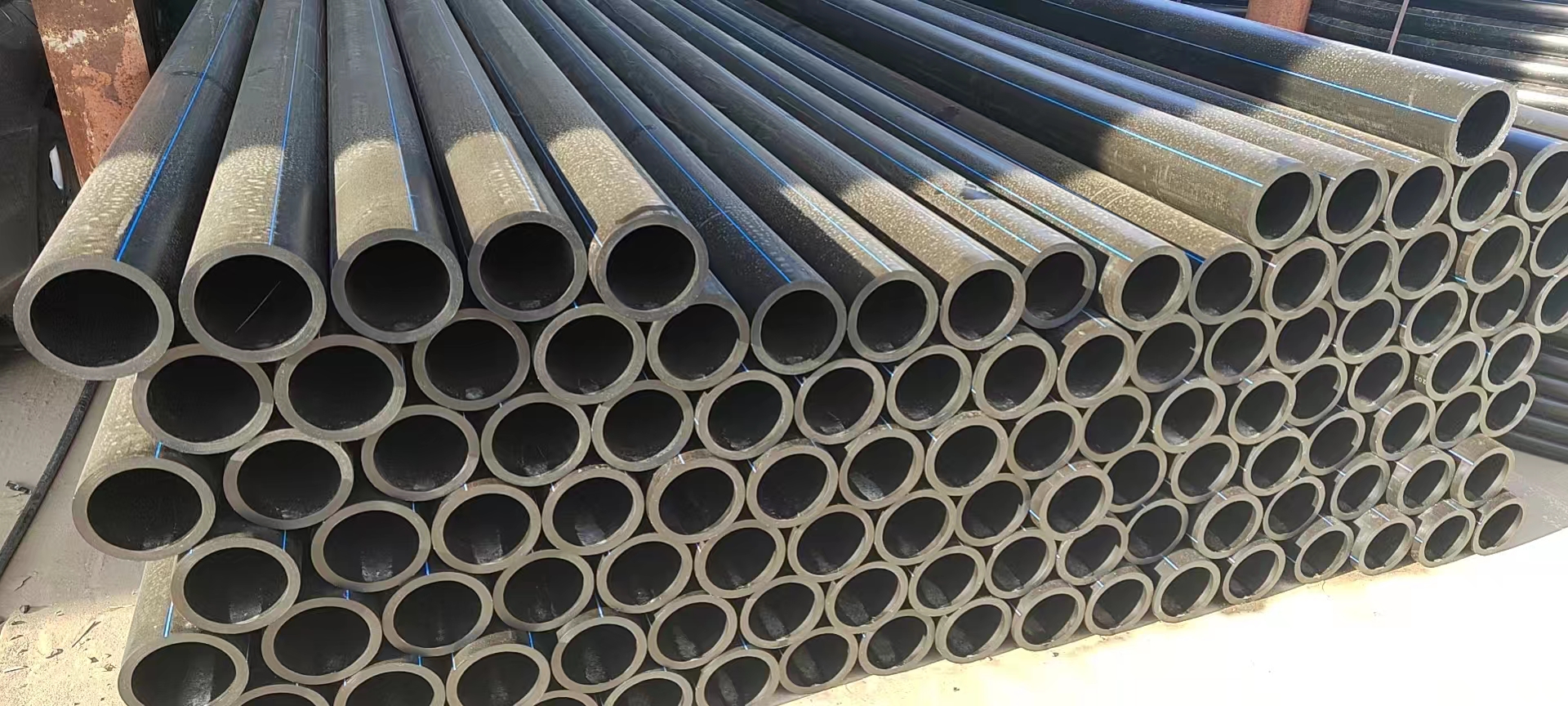
Perforated Polyvinyl Chloride (PVC) pipe is a ubiquitous component in subsurface drainage systems across a broad spectrum of applications, including agricultural land reclamation, stormwater management, foundation dewatering, and wastewater disposal. This technical guide provides a comprehensive overview of perforated PVC pipe for drainage, detailing its material science, manufacturing processes, performance characteristics, potential failure modes, and relevant industry standards. Unlike solid PVC piping, perforated PVC incorporates precisely engineered openings designed to facilitate fluid ingress while retaining structural integrity. Its primary function is to efficiently convey water away from a defined area, preventing saturation and associated issues such as soil instability, root rot, and structural damage. The cost-effectiveness, ease of installation, and corrosion resistance of PVC contribute to its widespread adoption over alternative materials such as concrete or metal piping. However, proper selection of perforation patterns, pipe rigidity, and backfill materials are critical to ensuring long-term performance and preventing system failure.
Material Science & Manufacturing
Perforated PVC pipe is manufactured primarily from PVC resin, typically a copolymer of vinyl chloride and vinyl acetate. The PVC compound is formulated with various additives to enhance its properties, including impact modifiers (e.g., chlorinated polyethylene – CPE), heat stabilizers (e.g., calcium-zinc stabilizers replacing traditional lead-based stabilizers due to environmental concerns), lubricants, and processing aids. The raw material exhibits a glass transition temperature (Tg) around 80-85°C, influencing its flexibility and impact resistance at varying temperatures. Manufacturing begins with PVC resin blending and extrusion into a seamless pipe. Critical parameters during extrusion include temperature control (barrel zones and die), screw speed, and haul-off speed to maintain consistent wall thickness and diameter. Perforation is subsequently achieved through several methods: drilling, punching, or laser cutting. Drilling and punching are more cost-effective for high-volume production, but laser cutting offers greater precision in hole size, shape, and pattern. Post-perforation, pipes are often subjected to quality control checks, including dimensional accuracy, hole integrity, and hydrostatic pressure testing. The density of PVC is approximately 1.4 g/cm³, and its tensile strength ranges from 55-75 MPa, depending on the formulation and processing conditions. Chemical resistance is excellent to most acids, bases, and salts, but prolonged exposure to certain solvents (e.g., ketones, aromatic hydrocarbons) can cause swelling and degradation.
Performance & Engineering
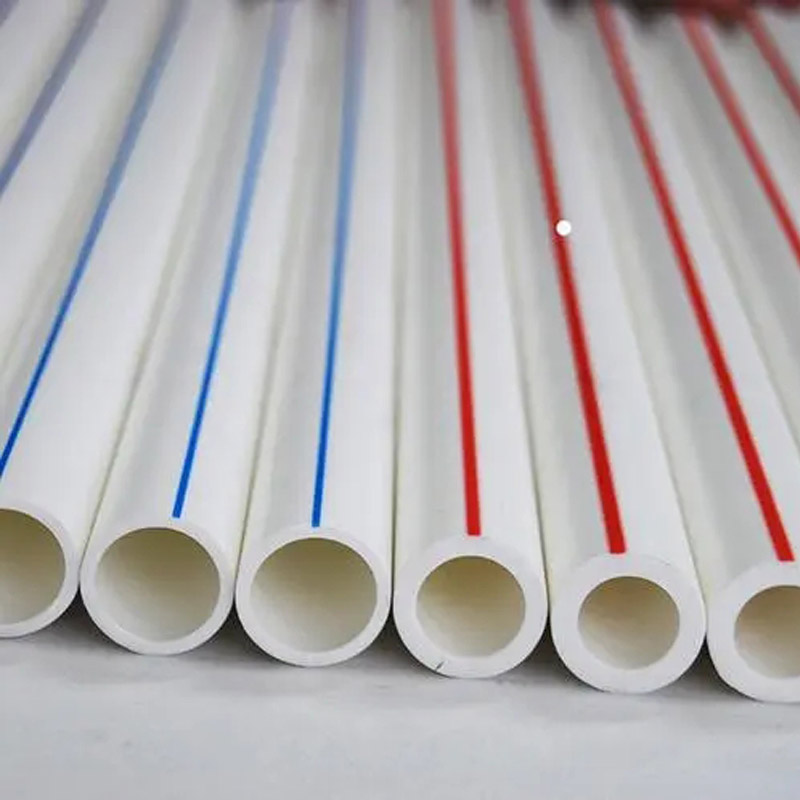
The performance of perforated PVC pipe is dictated by hydraulic capacity, structural load bearing capability, and long-term durability. Hydraulic capacity is determined by the pipe diameter, perforation characteristics (size, shape, spacing, and arrangement), and the Manning’s roughness coefficient (typically 0.009 for PVC). The hole pattern significantly impacts flow rate and susceptibility to soil intrusion. Larger holes facilitate higher flow rates but increase the risk of sediment blockage. A common perforation pattern involves round holes with a diameter of 1/4" to 1/2" spaced at 6" to 12" intervals. Structurally, PVC pipe must withstand external loads from backfill material, traffic, and soil settlement. The pipe’s rigidity, determined by its schedule number (e.g., Schedule 40, Schedule 80), and the embedment depth are crucial factors. Proper bedding and backfilling procedures, utilizing granular materials conforming to ASTM D2412, are essential to distribute loads evenly and prevent pipe deformation. Environmental resistance is another critical consideration. While PVC is inherently corrosion-resistant, UV exposure can lead to embrittlement. Incorporating UV inhibitors in the PVC formulation and providing adequate cover depth can mitigate this effect. Furthermore, differential settlement can induce stress concentrations around the perforations, potentially leading to cracking. Engineers must perform thorough soil analysis and hydraulic calculations to ensure the drainage system is adequately sized and designed for its intended application.
Technical Specifications
| Parameter | Schedule 40 PVC | Schedule 80 PVC | ASTM D1785 Dimension Ratio |
|---|---|---|---|
| Nominal Pipe Size (inches) | 4, 6, 8, 10, 12 | 4, 6, 8, 10, 12 | DR 32.5, DR 26, DR 21 |
| Wall Thickness (mm) | 3.2, 4.2, 5.1, 6.4, 7.9 | 4.2, 5.8, 7.1, 8.9, 11.2 | Calculated based on Diameter and DR |
| Pressure Rating (psi) | Up to 200 @ 73°F | Up to 600 @ 73°F | Dependent on DR & Temperature |
| Perforation Diameter (inches) | 0.25 – 0.50 | 0.25 – 0.50 | Customizable |
| Perforation Spacing (inches) | 6, 8, 12 | 6, 8, 12 | Application Specific |
| Tensile Strength (MPa) | 60-70 | 65-75 | Varies with Formulation |
Failure Mode & Maintenance
Perforated PVC drainage systems are subject to several potential failure modes. One common issue is blockage of the perforations due to sediment accumulation, root intrusion, or mineral precipitation. This reduces hydraulic capacity and can lead to system inefficiency. Another failure mode is cracking, which can occur due to excessive external loads, differential settlement, or impact damage during installation or operation. UV degradation, particularly in exposed sections, can cause embrittlement and cracking over time. Joint failures, resulting from improper solvent welding or gasket degradation, can lead to leakage and erosion. Chemical attack, though less common, can occur if the pipe is exposed to incompatible substances. Maintenance practices include periodic inspection of the system, flushing to remove sediment, and root cutting to prevent blockage. Regular cleaning of catch basins and outlet structures is also essential. Preventative measures include utilizing geotextiles around the pipe to prevent soil intrusion, employing proper bedding and backfilling procedures, and ensuring adequate UV protection. In cases of significant cracking or joint failure, pipe replacement is often necessary. Failure analysis should involve visual inspection, soil testing, and potentially hydraulic testing to identify the root cause and implement appropriate corrective actions.
Industry FAQ
Q: What is the optimal backfill material for perforated PVC drainage pipe?
A: The optimal backfill material is a granular material conforming to ASTM D2412, typically consisting of washed gravel or crushed stone with a particle size ranging from 3/8" to 3". This provides adequate support, promotes drainage, and minimizes the risk of clogging the perforations. Avoid using clay or silty soils, as they can impede water flow and exert excessive pressure on the pipe.
Q: How does temperature affect the performance of perforated PVC pipe?
A: Elevated temperatures can reduce the rigidity of PVC, making it more susceptible to deformation under load. Conversely, low temperatures can increase its brittleness and risk of cracking, especially during installation. The specified pressure ratings are typically given at 73°F; performance will decrease at higher temperatures.
Q: What is the recommended slope for a perforated PVC drainage line?
A: A minimum slope of 1% (0.01 ft/ft) is generally recommended to ensure adequate gravity flow. However, the optimal slope depends on the pipe diameter, flow rate, and distance to the outlet. Steeper slopes may be necessary for longer runs or higher flow rates.
Q: How can I prevent root intrusion into perforated PVC drainage pipes?
A: Wrapping the pipe with a geotextile fabric can provide a physical barrier against root intrusion. Regular inspection and root cutting are also essential. In severe cases, chemical root control agents may be used, but these should be applied cautiously and in accordance with local regulations.
Q: What is the lifespan of a properly installed perforated PVC drainage system?
A: A properly installed and maintained perforated PVC drainage system can have a lifespan of 50 years or more. However, this is dependent on factors such as soil conditions, loading, UV exposure, and the effectiveness of maintenance practices.
Conclusion
Perforated PVC pipe represents a reliable and cost-effective solution for subsurface drainage applications. Its inherent corrosion resistance, ease of installation, and adaptable performance characteristics make it a preferred choice across diverse industries. However, successful implementation hinges on a thorough understanding of material science, manufacturing nuances, and engineering principles. Selecting the appropriate pipe schedule, perforation pattern, and backfill materials, coupled with adherence to established installation standards, is paramount to maximizing system longevity and minimizing the risk of failure.
Future advancements in PVC formulation, such as the incorporation of nano-additives to enhance UV resistance and impact strength, promise to further improve the performance and durability of perforated PVC drainage systems. Continued research into sustainable manufacturing processes and recycling initiatives will also be crucial to minimizing the environmental footprint of this widely used infrastructure component.
-
DN25 HDPE Compression Fitting-HORON INTERNATIONAL|Reliable Irrigation Solutions
NewsFeb.11,2026
-
hdpe coupling joint product Manufacturing Analysis
News2026-11-18
-
ppr pipe heating time products Performance Analysis
News2026-11-16
-
hdpe pipe sizes factory Performance Analysis
News2026-11-09
-
HDPE Pipe Sizes Service Performance Analysis
News2026-10-26
-
wholesale 15mm ppr pipe Material Science and Performance Analysis
News2026-10-20
-
wholesale pvc pipe price per foot Technical Analysis
News2026-09-21
-
wholesale long pvc pipe Technical Analysis and Manufacturing Specifications
News2026-09-15
-
wholesale plumbing kitchen sink water lines Material Performance
News2026-09-15
-
wholesale hdpe drip irrigation Material Science
News2026-09-15
-
wholesale hot water ppr pipe Performance Analysis
News2026-09-15
-
wholesale ppr plumbing Performance Analysis
News2026-09-15
-
wholesale ppr pipe supplier Performance Analysis
News2026-09-13
-
wholesale 50mm ppr pipe Performance Analysis
News2026-09-13
-
wholesale hdpe drip pipe Performance Analysis
News2026-09-13
-
wholesale hdpe pipe 63mm price Manufacturing Specification and Performance Analysis
News2026-09-13