

Feb . 11, 2026 00:01 Back to list
perforated pvc pipe for drainage factories Technical Analysis
Introduction
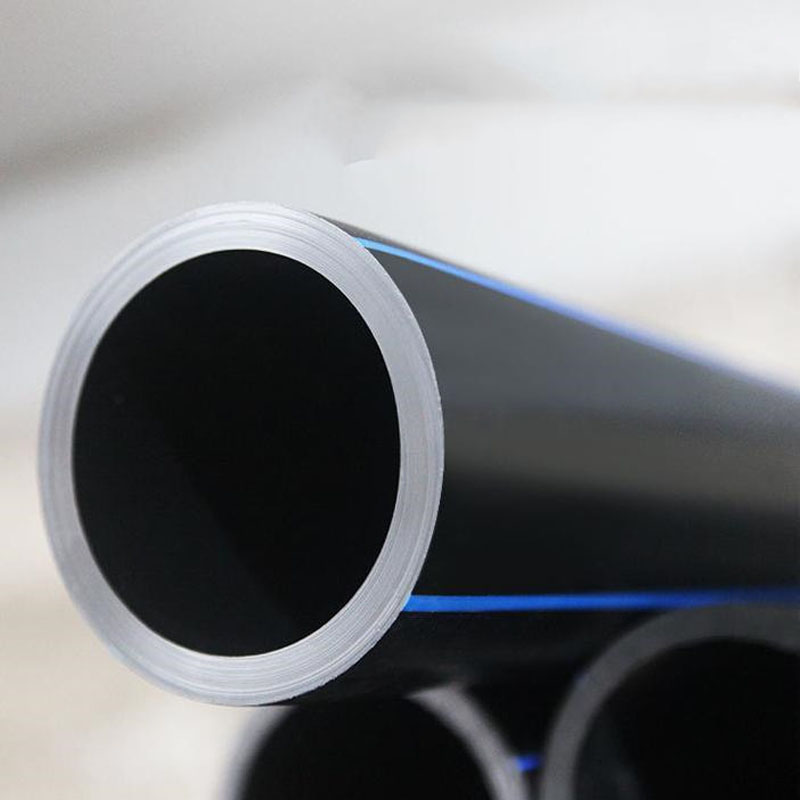
Perforated Polyvinyl Chloride (PVC) pipe for drainage represents a critical component in modern infrastructure systems, specifically designed for subsurface water management. This guide provides a comprehensive technical overview of perforated PVC drainage pipe, detailing its material properties, manufacturing processes, performance characteristics, failure modes, and relevant industry standards. Unlike solid PVC pipe primarily used for pressure applications, perforated PVC is engineered to efficiently collect and convey water from saturated soils, preventing hydrostatic pressure buildup and mitigating potential structural damage. Its application extends across a variety of sectors including agriculture, construction (foundations, retaining walls), landscaping, and road/railway infrastructure. The core performance advantage lies in its balance of cost-effectiveness, durability, lightweight nature, and ease of installation, offering a viable alternative to traditional drainage materials such as clay tile or concrete pipe. This document caters to engineers, procurement managers, and technical staff involved in the specification, installation, and maintenance of drainage systems.
Material Science & Manufacturing
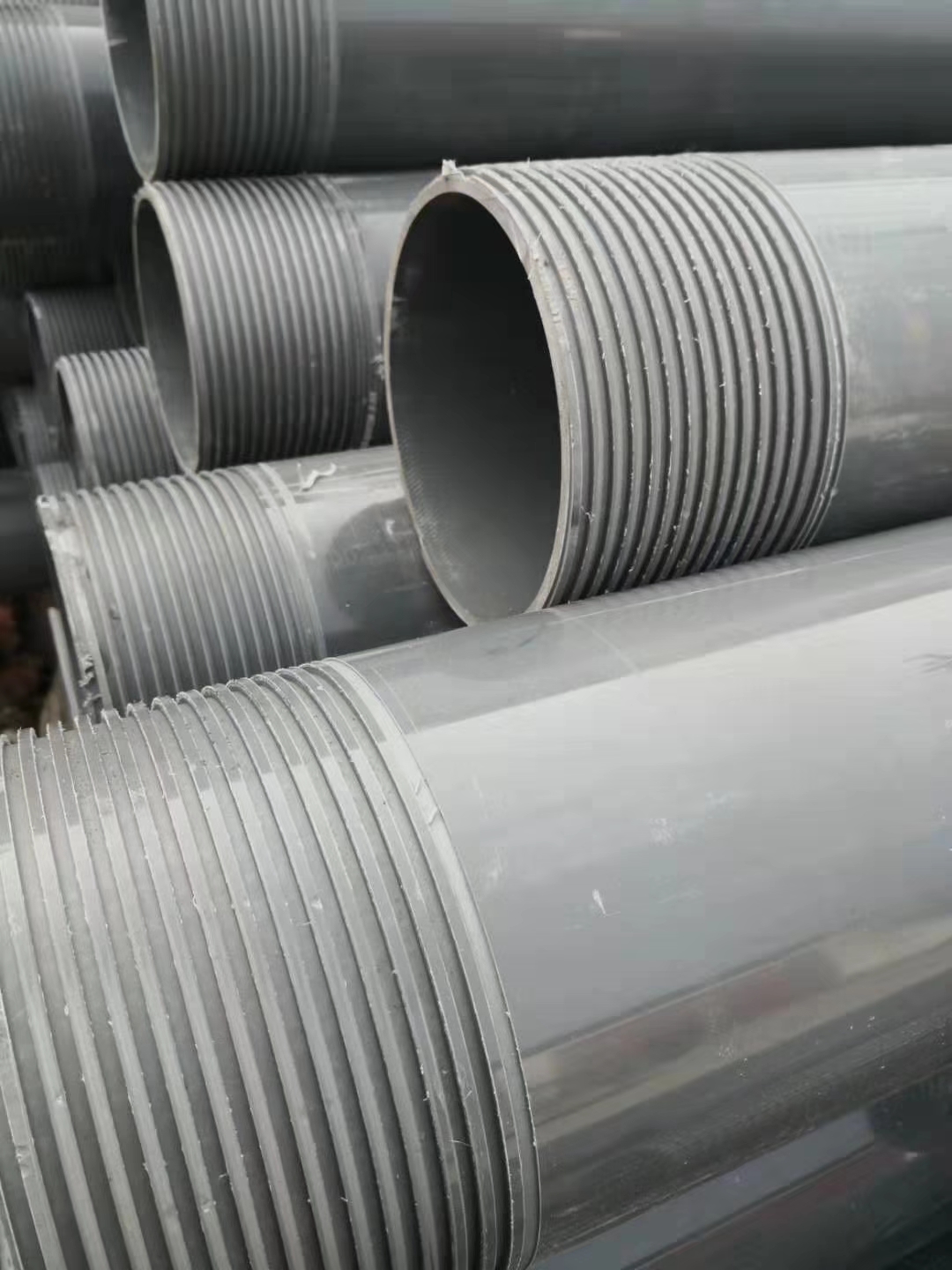
Perforated PVC drainage pipe is primarily manufactured from PVC resin, typically a copolymer of vinyl chloride and vinyl acetate. The base resin imparts inherent chemical resistance, low flammability, and dimensional stability. The addition of plasticizers, such as phthalates or adipates (increasingly replaced by phthalate-free alternatives due to environmental concerns), provides flexibility and impact resistance. Stabilizers (e.g., organotin compounds, calcium-zinc stabilizers) are incorporated to prevent thermal degradation during processing and prolonged UV exposure. Fillers, such as calcium carbonate, can be added to reduce cost and improve rigidity. The manufacturing process typically begins with PVC compound mixing, followed by extrusion. Extrusion involves melting the PVC compound and forcing it through a die to create a continuous pipe profile. Perforation is achieved either during extrusion using a drilling mechanism integrated into the die, or post-extrusion via laser drilling or mechanical punching. Critical process parameters include extrusion temperature (180-210°C), die pressure (25-40 MPa), and cooling rate. The perforation pattern (hole size, spacing, and arrangement) is a crucial design parameter dictated by the anticipated infiltration rate and soil characteristics. Quality control involves dimensional checks (diameter, wall thickness, perforation accuracy), hydrostatic pressure testing, and impact resistance testing according to ASTM D2412 and D1785. Material compatibility with commonly encountered soil constituents (pH levels, salinity, organic matter) is a key consideration, as prolonged exposure to aggressive chemicals can lead to material degradation.
Performance & Engineering
The performance of perforated PVC drainage pipe is governed by hydraulic capacity, structural integrity, and long-term durability. Hydraulic capacity is directly related to the pipe’s diameter, perforation characteristics, and the permeability of the surrounding filter media (typically geotextile fabric). Darcy’s Law dictates the flow rate through the pipe and surrounding soil. Structural integrity is evaluated based on the pipe’s ability to withstand external loads, including soil overburden, traffic loads (where applicable), and hydrostatic pressure. The pipe’s ring stiffness, a measure of its resistance to flattening, is a critical parameter. Finite Element Analysis (FEA) is often employed to model stress distribution under various loading conditions. Long-term durability is influenced by factors such as UV exposure, temperature fluctuations, and chemical attack. PVC exhibits relatively low thermal expansion coefficient, minimizing dimensional changes with temperature variations. However, prolonged UV exposure can lead to embrittlement. Engineering design must consider soil characteristics, including grain size distribution, permeability, and groundwater table elevation. Proper installation practices, including the use of appropriate filter media and slope maintenance, are crucial for optimal performance. Compliance with local building codes and drainage regulations (e.g., stormwater management ordinances) is mandatory. Furthermore, the pipe’s resistance to creep (long-term deformation under sustained load) is a critical factor, especially in applications involving heavy loads or high temperatures.
Technical Specifications
| Parameter | Unit | Typical Value | Test Method |
|---|---|---|---|
| Nominal Pipe Size (NPS) | inch | 4, 6, 8, 12 | ASTM D1785 |
| Material | - | PVC (Polyvinyl Chloride) | ASTM D1785 |
| Wall Thickness | mm | 2.3 - 5.8 | ASTM D2412 |
| Perforation Diameter | mm | 4.76, 6.35, 9.53 | Visual Inspection |
| Perforation Spacing | mm | 76.2, 152.4, 304.8 | Visual Inspection |
| Ring Stiffness | psi | 48 - 125 | ASTM D2412 |
| Hydrostatic Design Stress | psi | 2000 - 4000 | ASTM D1785 |
Failure Mode & Maintenance
Perforated PVC drainage pipe, while durable, is susceptible to several failure modes. One common issue is clogging, resulting from sediment buildup within the perforations, reducing hydraulic capacity. This is often exacerbated by inadequate filter media or improper installation. Another failure mode is cracking, which can occur due to excessive external loads, ground movement, or impact damage during installation. Creep deformation, particularly under sustained loading and elevated temperatures, can lead to pipe flattening and reduced flow capacity. Chemical attack, from aggressive soil constituents or industrial effluent, can cause material degradation and embrittlement. UV exposure, without adequate protection, can lead to surface cracking and loss of impact resistance. Joint failures, at pipe connections, can occur due to improper solvent welding or gasket deterioration. Maintenance strategies include periodic inspection for clogging (visual assessment, flow rate monitoring), cleaning of perforations (mechanical flushing, hydro-jetting), and repair of cracks or joint failures (pipe replacement, patching). Preventive measures include ensuring proper filter media selection and installation, minimizing external loads, and protecting the pipe from UV exposure. Regular monitoring of drainage system performance, including observation of standing water or reduced flow rates, can identify potential problems before they escalate into major failures. Failure analysis, involving visual inspection and material testing, is crucial for determining the root cause of failures and implementing appropriate corrective actions.
Industry FAQ
Q: What is the impact of soil pH on the long-term performance of perforated PVC pipe?
A: Highly acidic or alkaline soils can accelerate PVC degradation. Acidic conditions can promote hydrolysis, breaking down the polymer chains, while alkaline conditions can cause plasticizer leaching, leading to embrittlement. It's crucial to select PVC compounds with enhanced chemical resistance for use in such environments and consider protective coatings or alternative materials.
Q: How does the geotextile filter fabric impact the overall drainage system efficiency?
A: The geotextile prevents soil particles from entering the pipe perforations and clogging the system. Its pore size distribution must be carefully selected to retain soil fines while allowing water to pass freely. Improper geotextile selection or installation can lead to reduced hydraulic capacity and premature failure.
Q: What is the recommended minimum slope for perforated PVC drainage pipe?
A: A minimum slope of 1% is generally recommended to ensure gravity flow and prevent sediment accumulation. The required slope may vary depending on the pipe diameter, flow rate, and soil characteristics. Steeper slopes may be necessary for longer pipe runs or high flow volumes.
Q: What are the implications of using improper solvent cement for PVC pipe joints?
A: Improper solvent cement application or the use of incompatible cements can lead to weak joints that are prone to leakage or failure. Proper surface preparation, cement application technique, and cure time are critical for achieving a reliable watertight seal.
Q: How can I determine if a perforated PVC drainage system is clogged?
A: Signs of clogging include standing water, reduced flow rates, and increased ponding. A visual inspection of the pipe outlet can reveal sediment buildup. Flow rate measurements, compared to the original design capacity, can quantify the extent of the blockage.
Conclusion
Perforated PVC drainage pipe offers a robust and cost-effective solution for subsurface water management. Its performance is heavily reliant on material selection, manufacturing precision, and correct installation practices. A thorough understanding of the material science, hydraulic principles, and potential failure modes is critical for ensuring long-term reliability.
Future advancements in PVC formulation, incorporating bio-based plasticizers and enhanced UV stabilizers, promise to further improve the durability and environmental sustainability of these drainage systems. Continued research into innovative perforation patterns and filter media materials will optimize hydraulic performance and minimize clogging. Adherence to established industry standards and best practices remains paramount for successful implementation and operation.
-
DN25 HDPE Compression Fitting-HORON INTERNATIONAL|Reliable Irrigation Solutions
NewsFeb.11,2026
-
hdpe coupling joint product Manufacturing Analysis
News2026-11-18
-
ppr pipe heating time products Performance Analysis
News2026-11-16
-
hdpe pipe sizes factory Performance Analysis
News2026-11-09
-
HDPE Pipe Sizes Service Performance Analysis
News2026-10-26
-
wholesale 15mm ppr pipe Material Science and Performance Analysis
News2026-10-20
-
wholesale pvc pipe price per foot Technical Analysis
News2026-09-21
-
wholesale long pvc pipe Technical Analysis and Manufacturing Specifications
News2026-09-15
-
wholesale plumbing kitchen sink water lines Material Performance
News2026-09-15
-
wholesale hdpe drip irrigation Material Science
News2026-09-15
-
wholesale hot water ppr pipe Performance Analysis
News2026-09-15
-
wholesale ppr plumbing Performance Analysis
News2026-09-15
-
wholesale ppr pipe supplier Performance Analysis
News2026-09-13
-
wholesale 50mm ppr pipe Performance Analysis
News2026-09-13
-
wholesale hdpe drip pipe Performance Analysis
News2026-09-13
-
wholesale hdpe pipe 63mm price Manufacturing Specification and Performance Analysis
News2026-09-13