

Feb . 11, 2026 00:01 Back to list
long pvc pipe service Performance Analysis
Introduction
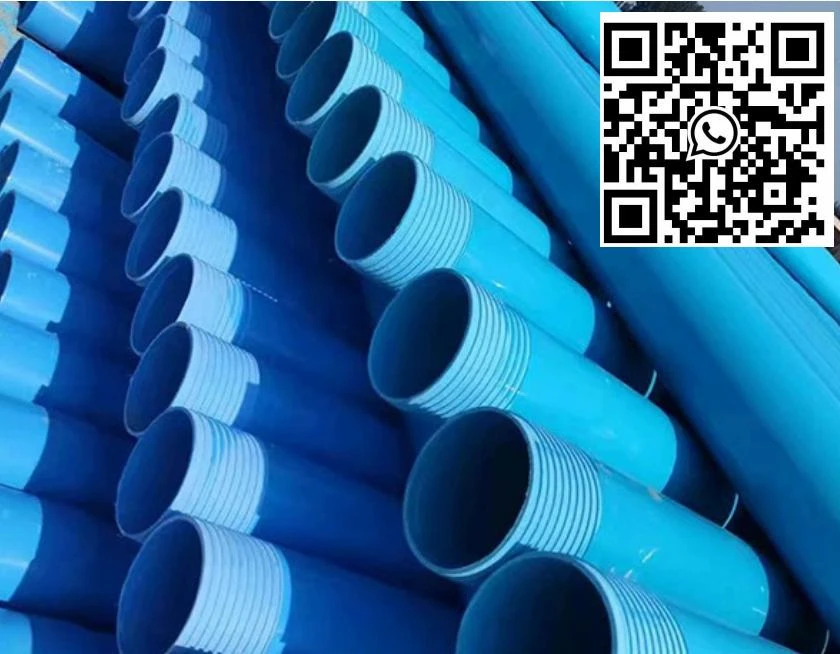
Polyvinyl chloride (PVC) pipe, particularly long-length configurations, represents a cornerstone material in fluid conveyance systems across diverse industries including water distribution, irrigation, sewage, and industrial process piping. This technical guide provides an in-depth analysis of long PVC pipe service, encompassing material science, manufacturing processes, performance characteristics, failure modes, and relevant industry standards. The increasing demand for durable, cost-effective, and corrosion-resistant piping solutions has positioned PVC as a primary alternative to traditional materials like ductile iron, steel, and concrete. However, ensuring optimal long-term performance necessitates a thorough understanding of PVC’s properties and limitations, particularly regarding pressure ratings, temperature sensitivity, and susceptibility to specific failure mechanisms. This guide focuses on Schedule 40 and Schedule 80 PVC pipe commonly utilized in extended lengths, addressing critical considerations for engineers, procurement managers, and maintenance personnel.
Material Science & Manufacturing
Long PVC pipe is primarily manufactured from PVC resin, a thermoplastic polymer created through the polymerization of vinyl chloride monomer (VCM). The raw PVC resin is rarely used in its pure form; instead, it’s compounded with various additives to enhance its processing characteristics and end-use performance. Key additives include plasticizers (e.g., dioctyl phthalate – DOP, or more modern alternatives like DINCH) to impart flexibility, stabilizers (e.g., organotin compounds, calcium-zinc stabilizers) to prevent thermal degradation during processing and UV exposure, lubricants to improve flow and mold release, and impact modifiers (e.g., chlorinated polyethylene – CPE, or acrylic impact modifiers) to increase toughness. The specific formulation dictates the pipe’s mechanical properties, chemical resistance, and long-term durability.
Manufacturing typically employs extrusion processes. PVC compound is fed into a single-screw or twin-screw extruder, where it’s heated, melted, and homogenized. The molten PVC is then forced through a die that shapes it into the desired pipe diameter and wall thickness. Critical parameters during extrusion include barrel temperature profiles (typically ranging from 160-210°C depending on the formulation), screw speed, die pressure, and cooling rates. Accurate temperature control is essential to prevent PVC degradation and ensure consistent material properties. After extrusion, the pipe is cooled using water baths and subsequently cut to length. Quality control measures, including hydrostatic pressure testing and dimensional checks, are integral to ensuring compliance with industry standards. The selection of appropriate stabilizers is critical for long-term UV resistance, particularly in exposed applications.
Performance & Engineering
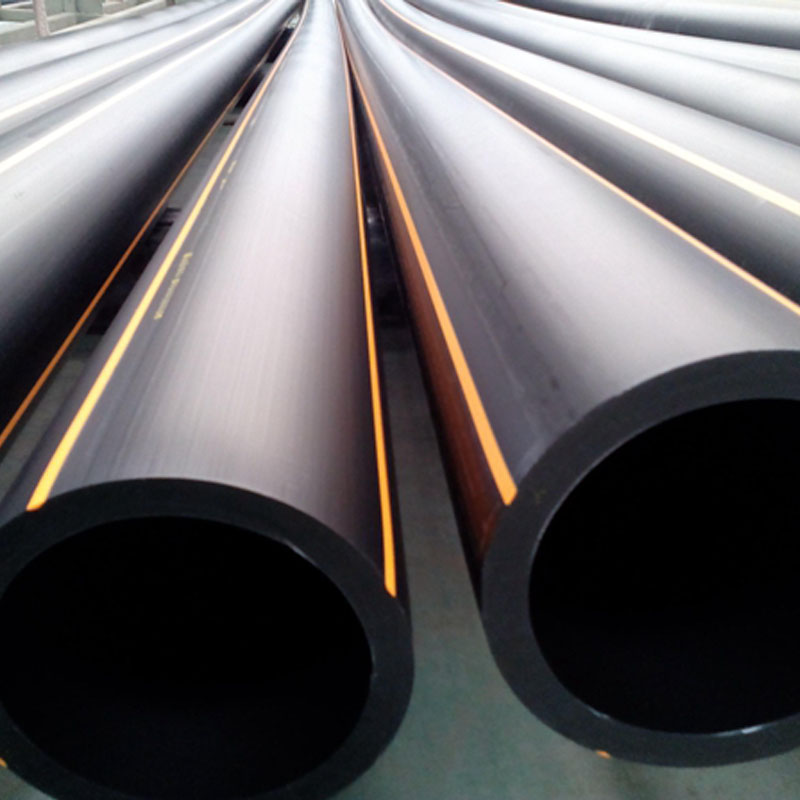
The performance of long PVC pipe is fundamentally governed by its mechanical strength and resistance to internal and external pressures. Hoop stress, induced by internal pressure, is a primary design consideration, and pipe schedules (e.g., Schedule 40, Schedule 80) dictate the minimum pressure rating. Schedule 80 pipe possesses a thicker wall and consequently higher pressure capacity than Schedule 40. Force analysis must account for static head, surge pressures (water hammer), and external loads (soil loading, traffic loads). The modulus of elasticity of PVC is relatively low compared to metals, resulting in greater deflection under load. Therefore, proper bedding and backfill procedures are crucial to prevent excessive stress concentrations and pipe distortion.
PVC’s resistance to chemical attack is generally excellent, making it suitable for a wide range of fluids. However, prolonged exposure to certain solvents, strong acids, and chlorinated hydrocarbons can cause swelling, softening, and eventual failure. Temperature significantly impacts PVC’s mechanical properties. As temperature increases, the tensile strength and modulus of elasticity decrease, reducing the pipe's ability to withstand pressure. Long-term exposure to elevated temperatures can also accelerate degradation and embrittlement. Compliance with local building codes and industry standards (e.g., AWWA standards for water distribution) is mandatory. Consideration must be given to thermal expansion and contraction; long pipe runs require expansion joints or flexible couplings to accommodate dimensional changes due to temperature fluctuations. Long-term creep, the gradual deformation under sustained load, is another critical factor to consider in engineering design, especially in applications involving constant pressure.
Technical Specifications
| Parameter | Schedule 40 PVC | Schedule 80 PVC | Unit |
|---|---|---|---|
| Nominal Pipe Size | 0.5 to 12 inches | 0.5 to 12 inches | inches |
| Outside Diameter | Varies with size | Varies with size | inches |
| Wall Thickness | 0.065 to 0.154 inches | 0.085 to 0.218 inches | inches |
| Pressure Rating (at 73°F) | Up to 400 psi | Up to 600 psi | psi |
| Tensile Strength | 6,000 to 8,000 | 6,000 to 8,000 | psi |
| Flexural Modulus | 300,000 to 400,000 | 300,000 to 400,000 | psi |
| Water Absorption (24 hours) | < 0.1% | < 0.1% | % |
Failure Mode & Maintenance
Long PVC pipe is susceptible to several failure modes. Longitudinal cracking, often initiated by stress concentrations around fittings or due to poor bedding, is a common issue. Environmental Stress Cracking (ESC) occurs when PVC is exposed to sustained tensile stress in the presence of certain chemicals (e.g., some detergents, solvents). UV degradation leads to embrittlement and surface cracking, particularly in exposed applications. Fatigue cracking can occur due to cyclic pressure fluctuations or vibration. Joint failures, including leaks at solvent-welded joints and gasket failures in mechanical joints, are also frequently observed.
Regular inspection is vital for early failure detection. Visual inspection should focus on identifying cracks, discoloration, or deformation. Hydrostatic testing can verify the pipe's pressure integrity. Maintenance strategies include proper bedding and backfill, UV protection (e.g., coatings or burial), and periodic cleaning to prevent buildup of deposits that can accelerate corrosion. Repair of minor cracks can be achieved using PVC repair clamps or sleeves. Significant damage often necessitates pipe replacement. For solvent-welded joints, proper surface preparation and application of appropriate primers and cement are critical during installation. Avoid over-tightening mechanical joints, which can damage gaskets. Documenting maintenance activities and failure incidents is crucial for identifying recurring issues and improving long-term performance. Preventative maintenance programs should include regular pressure testing and visual inspections, particularly in critical applications.
Industry FAQ
Q: What is the impact of soil corrosivity on long-term PVC pipe performance?
A: Soil corrosivity doesn’t directly corrode PVC like it does metals. However, corrosive soils can accelerate degradation by creating stress concentrations and contributing to ESC. Aggressive soils with high chloride or sulfate content can leach plasticizers, leading to embrittlement. Proper bedding and backfill materials are crucial; using non-corrosive sand or gravel provides a protective barrier and reduces stress on the pipe. Geotextile fabrics can also be employed to isolate the pipe from corrosive soils.
Q: How does water hammer affect the lifespan of long PVC pipe systems?
A: Water hammer, or surge pressure, can generate significant stress waves within the pipeline. Repeated water hammer events can lead to fatigue cracking and joint failures, particularly in long, straight runs. Mitigation strategies include installing surge arrestors (air chambers or pressure relief valves) to dampen pressure fluctuations. Slow-closing valves and controlled pump start-up/shut-down procedures can also minimize water hammer. Pressure ratings must adequately account for potential surge pressures.
Q: What are the key differences between Schedule 40 and Schedule 80 PVC pipe, and when should each be used?
A: Schedule 80 pipe has a thicker wall than Schedule 40, resulting in a higher pressure rating and greater resistance to impact. Schedule 40 is typically used for lower-pressure applications, such as irrigation and cold water distribution. Schedule 80 is preferred for higher-pressure systems, industrial process piping, and applications where greater mechanical strength is required. The choice also depends on cost considerations, as Schedule 80 is more expensive.
Q: What are the best practices for solvent welding PVC pipe, and what causes joint failures?
A: Proper solvent welding requires thorough surface preparation – cleaning and deburring the pipe and fitting ends. Using the correct primer and cement, compatible with the PVC formulation, is essential. Apply primer evenly, followed immediately by cement. Ensure sufficient wet-out and hold the joint firmly for the recommended time. Joint failures often result from inadequate surface preparation, incorrect cement application, or using incompatible materials. Avoid solvent welding in cold or wet conditions.
Q: How can I assess the remaining useful life of an existing long PVC pipe system?
A: Assessing remaining useful life involves visual inspection for cracks, deformation, and discoloration. Hydrostatic testing can verify pressure integrity. Non-destructive testing methods, such as ultrasonic testing, can detect subsurface flaws. Reviewing maintenance records and analyzing past failure incidents provides valuable insights. Consider factors like operating pressure, temperature history, soil conditions, and exposure to chemicals to estimate remaining lifespan. In some cases, a professional engineering assessment may be necessary.
Conclusion
Long PVC pipe service demands a holistic understanding of material properties, manufacturing intricacies, and potential failure mechanisms. While PVC offers a compelling combination of cost-effectiveness, corrosion resistance, and ease of installation, its performance is contingent upon proper design, installation, and maintenance practices. Addressing critical parameters such as pressure ratings, temperature limitations, and environmental factors is paramount to ensuring long-term reliability and minimizing the risk of premature failure.
Future advancements in PVC formulations, including the development of enhanced impact modifiers and UV stabilizers, will further expand the application range of PVC piping. Continued research into non-destructive testing methods and predictive modeling will enable more accurate assessments of remaining useful life and optimized maintenance strategies. A commitment to adhering to industry standards and best practices is essential for maximizing the service life and minimizing the life-cycle cost of long PVC pipe systems.
-
DN25 HDPE Compression Fitting-HORON INTERNATIONAL|Reliable Irrigation Solutions
NewsFeb.11,2026
-
hdpe coupling joint product Manufacturing Analysis
News2026-11-18
-
ppr pipe heating time products Performance Analysis
News2026-11-16
-
hdpe pipe sizes factory Performance Analysis
News2026-11-09
-
HDPE Pipe Sizes Service Performance Analysis
News2026-10-26
-
wholesale 15mm ppr pipe Material Science and Performance Analysis
News2026-10-20
-
wholesale pvc pipe price per foot Technical Analysis
News2026-09-21
-
wholesale long pvc pipe Technical Analysis and Manufacturing Specifications
News2026-09-15
-
wholesale plumbing kitchen sink water lines Material Performance
News2026-09-15
-
wholesale hdpe drip irrigation Material Science
News2026-09-15
-
wholesale hot water ppr pipe Performance Analysis
News2026-09-15
-
wholesale ppr plumbing Performance Analysis
News2026-09-15
-
wholesale ppr pipe supplier Performance Analysis
News2026-09-13
-
wholesale 50mm ppr pipe Performance Analysis
News2026-09-13
-
wholesale hdpe drip pipe Performance Analysis
News2026-09-13
-
wholesale hdpe pipe 63mm price Manufacturing Specification and Performance Analysis
News2026-09-13