

Feb . 11, 2026 00:01 Back to list
long pvc pipe factory Manufacturing Analysis
Introduction
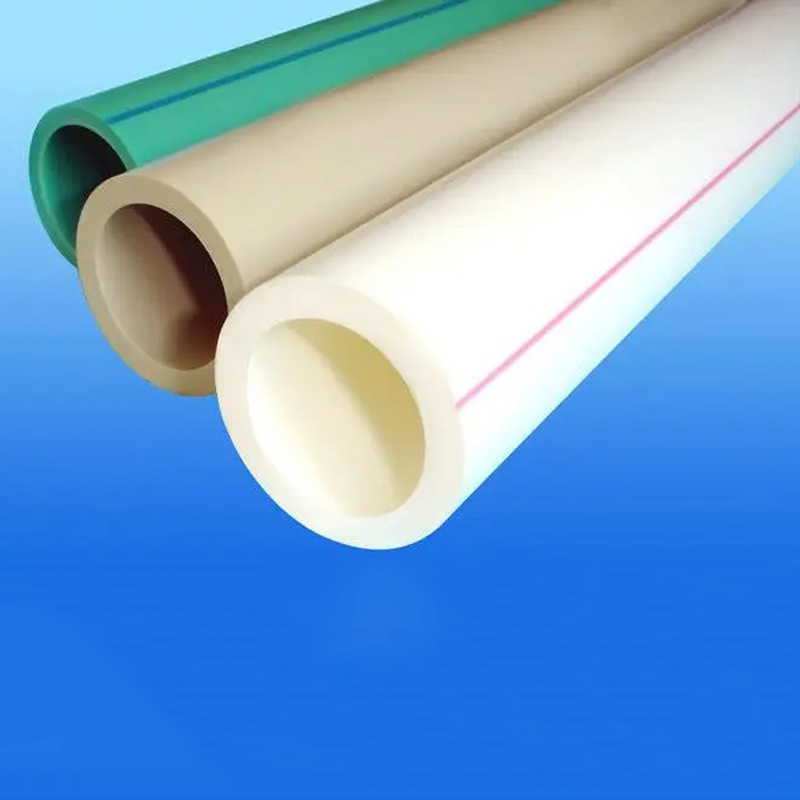
Polyvinyl Chloride (PVC) pipe, particularly long-length PVC pipe manufactured by dedicated factories, represents a cornerstone material in modern infrastructure. Its primary function is fluid conveyance – water, wastewater, chemicals, and gas – across a diverse range of applications including municipal water systems, irrigation, industrial processing, and drainage. Long PVC pipe production necessitates stringent quality control and adherence to specific manufacturing processes to ensure dimensional accuracy, pressure resistance, and long-term durability. This guide provides an in-depth technical overview of long PVC pipe, covering material science, manufacturing techniques, performance characteristics, potential failure modes, and relevant industry standards. A critical pain point within the industry is ensuring consistent material quality and dimensional stability over extended production runs, particularly concerning the prevention of premature cracking and maintaining long-term hydrostatic strength. Another significant concern is navigating the complex landscape of regional regulations and ensuring compliance with potable water standards, especially regarding the leaching of additives and contaminants.
Material Science & Manufacturing
The core material for long PVC pipe is Polyvinyl Chloride, a thermoplastic polymer synthesized from the polymerization of vinyl chloride monomer (VCM). Commercial PVC typically comprises a blend of high-molecular-weight PVC resin, plasticizers (such as phthalates or DINP), stabilizers (typically metal-based compounds like calcium-zinc or lead-based – increasingly calcium-zinc due to environmental concerns), lubricants, and impact modifiers. The specific formulation determines the pipe’s mechanical properties and intended application. Rigid PVC, used for pressure applications, contains minimal plasticizers, resulting in a higher glass transition temperature (Tg) and greater stiffness. Flexible PVC, utilized for non-pressure applications, incorporates a higher percentage of plasticizers, increasing its ductility.
Manufacturing typically involves extrusion. PVC compound is fed into a single-screw or twin-screw extruder, where it is heated, melted, and homogenized. The molten PVC is then forced through a die, which shapes it into the desired pipe diameter and wall thickness. Critical process parameters include extrusion temperature (maintained within a narrow range to avoid thermal degradation), screw speed (influencing melt homogeneity and output rate), die geometry (dictating dimensional accuracy), and cooling rate (affecting crystallinity and mechanical properties). Post-extrusion, the pipe is calibrated (using a vacuum tank or pressure forming) to ensure dimensional consistency, then cut to length. For solvent-welded joints, the pipe ends are often bell-shaped or grooved. Quality control measures at each stage – from raw material testing to dimensional inspection and hydrostatic pressure testing – are paramount. The molecular weight distribution of the PVC resin significantly impacts the pipe's impact resistance and long-term creep resistance; a broader distribution generally improves these properties. Thermal stabilizers are crucial to prevent degradation during processing and extend the service life of the pipe. Careful control of plasticizer content is vital for achieving the desired flexibility and preventing embrittlement over time.

Performance & Engineering
The performance of long PVC pipe is dictated by several key engineering considerations. Hydrostatic pressure resistance is a primary concern, determined by the pipe's dimensions (diameter and wall thickness) and the material's yield strength. The Barlow’s formula (S = PT/2Wt, where S=stress, P=pressure, T=wall thickness, W=diameter) provides a foundational understanding of this relationship. Long-term hydrostatic strength is further affected by creep, the tendency of the material to deform slowly under sustained stress. PVC exhibits creep, and its rate is temperature-dependent; higher temperatures accelerate creep deformation.
Impact resistance, especially in cold weather, is another critical factor. Impact modifiers are incorporated into the PVC formulation to enhance toughness and prevent brittle failure. Soil loading, particularly for buried pipelines, must be accounted for during design. The pipe's ability to withstand external loads without buckling or cracking is crucial. Furthermore, chemical resistance is paramount in industrial applications. PVC exhibits good resistance to many acids, bases, and salts, but can be affected by certain organic solvents and chlorinated hydrocarbons. UV exposure can cause degradation, leading to discoloration and embrittlement; UV stabilizers are added to mitigate this effect. The coefficient of thermal expansion for PVC is relatively high, necessitating expansion joints or flexible connections to accommodate temperature fluctuations and prevent stress buildup. Pipe design must also consider the effects of water hammer (pressure surges) and thermal expansion/contraction of the fluid being conveyed. Compliance with relevant codes and standards (e.g., ASTM D1785, D2241, D3212) is mandatory to ensure safe and reliable performance.
Technical Specifications
| Parameter | Unit | ASTM D1785 (Schedule 40) | ASTM D2241 (Schedule 80) |
|---|---|---|---|
| Outside Diameter | inches | 1.905 | 1.905 |
| Wall Thickness | inches | 0.065 | 0.112 |
| Pressure Rating (at 73°F) | psi | 400 | 600 |
| Burst Pressure | psi | 1600 | 2400 |
| Tensile Strength | psi | 6000 | 6000 |
| Flexural Modulus | psi | 300,000 | 300,000 |
Failure Mode & Maintenance
Long PVC pipe is susceptible to several failure modes. Hydrostatic failure, resulting from exceeding the pressure rating, is catastrophic. Slow crack growth (SCG), induced by sustained tensile stress in the presence of certain chemicals (e.g., chlorinated solvents), is a common cause of long-term failure. Environmental stress cracking (ESC) occurs similarly, driven by external stresses and exposure to aggressive environments. UV degradation leads to embrittlement and cracking, particularly on exposed sections. Impact damage, from accidental strikes or soil movement, can cause localized fractures.
Maintenance involves regular visual inspections for cracks, leaks, and discoloration. Hydrostatic testing can be performed to assess the pipe’s pressure-holding capacity. For minor cracks, repair sleeves or wraps can be used. However, significant damage typically necessitates pipe replacement. Preventative measures include proper installation techniques (adequate bedding and backfill), avoiding exposure to incompatible chemicals, and protecting against UV radiation. Regular flushing of the pipeline can remove sediment and debris that can contribute to erosion and corrosion. For buried pipelines, cathodic protection may be necessary in corrosive soil conditions. Careful selection of the appropriate PVC compound for the specific application and environmental conditions is crucial for maximizing service life. Addressing ground movement and ensuring adequate support are also vital to prevent stress-induced failures. Maintaining accurate records of installation date, material specifications, and maintenance activities is recommended for proactive management.
Industry FAQ
Q: What is the impact of temperature on the long-term performance of PVC pipe?
A: Elevated temperatures significantly accelerate creep deformation in PVC, reducing its long-term hydrostatic strength. Higher temperatures also increase the rate of chemical degradation and UV damage. Conversely, very low temperatures can increase brittleness and susceptibility to impact failure. Selection of the appropriate PVC compound and consideration of operating temperature ranges are crucial.
Q: How does the type of plasticizer affect the flexibility and durability of PVC pipe?
A: Phthalate plasticizers were traditionally used but are increasingly being replaced with alternatives like DINP due to health and environmental concerns. The type and concentration of plasticizer impact the pipe's flexibility, low-temperature performance, and resistance to leaching. Higher plasticizer content increases flexibility but can also reduce long-term durability and increase the risk of embrittlement.
Q: What are the common causes of slow crack growth (SCG) in PVC pipe?
A: SCG is typically initiated by sustained tensile stress combined with exposure to specific chemicals, particularly chlorinated solvents. Notches or scratches on the pipe surface can act as stress concentrators, accelerating SCG. The quality of the PVC compound and the presence of residual stress from manufacturing can also contribute.
Q: What are the key differences between Schedule 40 and Schedule 80 PVC pipe?
A: Schedule 80 pipe has a thicker wall than Schedule 40 pipe, resulting in a higher pressure rating and greater rigidity. Schedule 80 is typically used for higher-pressure applications or where greater mechanical strength is required. The higher wall thickness also provides increased resistance to corrosion and erosion.
Q: What steps can be taken to prevent UV degradation of PVC pipe?
A: Incorporating UV stabilizers into the PVC formulation is the primary method of preventing UV degradation. Painting or coating the pipe with a UV-resistant material provides additional protection. Burying the pipe or shielding it from direct sunlight also minimizes UV exposure.
Conclusion
Long PVC pipe remains a vital component of modern infrastructure, offering a cost-effective and durable solution for fluid conveyance. However, realizing its full potential requires a thorough understanding of its material science, manufacturing processes, performance characteristics, and potential failure modes. Careful consideration of application-specific requirements, adherence to relevant industry standards, and implementation of proactive maintenance strategies are essential for ensuring long-term reliability and minimizing the risk of premature failure.
Future advancements in PVC technology will likely focus on developing more sustainable plasticizers, enhancing UV resistance, and improving impact strength. The ongoing development of non-destructive testing methods for detecting SCG and other forms of degradation will also play a crucial role in extending the service life of PVC pipelines. As environmental regulations become increasingly stringent, the industry will continue to seek innovative solutions for minimizing the environmental impact of PVC production and disposal.
-
DN25 HDPE Compression Fitting-HORON INTERNATIONAL|Reliable Irrigation Solutions
NewsFeb.11,2026
-
hdpe coupling joint product Manufacturing Analysis
News2026-11-18
-
ppr pipe heating time products Performance Analysis
News2026-11-16
-
hdpe pipe sizes factory Performance Analysis
News2026-11-09
-
HDPE Pipe Sizes Service Performance Analysis
News2026-10-26
-
wholesale 15mm ppr pipe Material Science and Performance Analysis
News2026-10-20
-
wholesale pvc pipe price per foot Technical Analysis
News2026-09-21
-
wholesale long pvc pipe Technical Analysis and Manufacturing Specifications
News2026-09-15
-
wholesale plumbing kitchen sink water lines Material Performance
News2026-09-15
-
wholesale hdpe drip irrigation Material Science
News2026-09-15
-
wholesale hot water ppr pipe Performance Analysis
News2026-09-15
-
wholesale ppr plumbing Performance Analysis
News2026-09-15
-
wholesale ppr pipe supplier Performance Analysis
News2026-09-13
-
wholesale 50mm ppr pipe Performance Analysis
News2026-09-13
-
wholesale hdpe drip pipe Performance Analysis
News2026-09-13
-
wholesale hdpe pipe 63mm price Manufacturing Specification and Performance Analysis
News2026-09-13