

Feb . 11, 2026 00:01 Back to list
kitchen sink water plumbing service Performance Analysis
Introduction
Kitchen sink water plumbing service encompasses the installation, maintenance, and repair of the network of pipes, fixtures, and appliances responsible for delivering potable water to and removing wastewater from a kitchen sink. This constitutes a critical component of residential and commercial building infrastructure, directly impacting public health and hygiene. The service extends beyond simple fixture replacement, requiring adherence to stringent plumbing codes, understanding of water pressure dynamics, and proficiency in joining techniques for diverse piping materials. Core performance indicators center around leak-free operation, consistent water flow rates, appropriate drainage, and compliance with backflow prevention regulations. Historically reliant on copper and galvanized steel, modern installations increasingly utilize PEX, PVC, and CPVC due to cost-effectiveness, corrosion resistance, and ease of installation. The industry currently faces challenges stemming from aging infrastructure, evolving building codes concerning water conservation and lead mitigation, and a shortage of skilled plumbers.
Material Science & Manufacturing
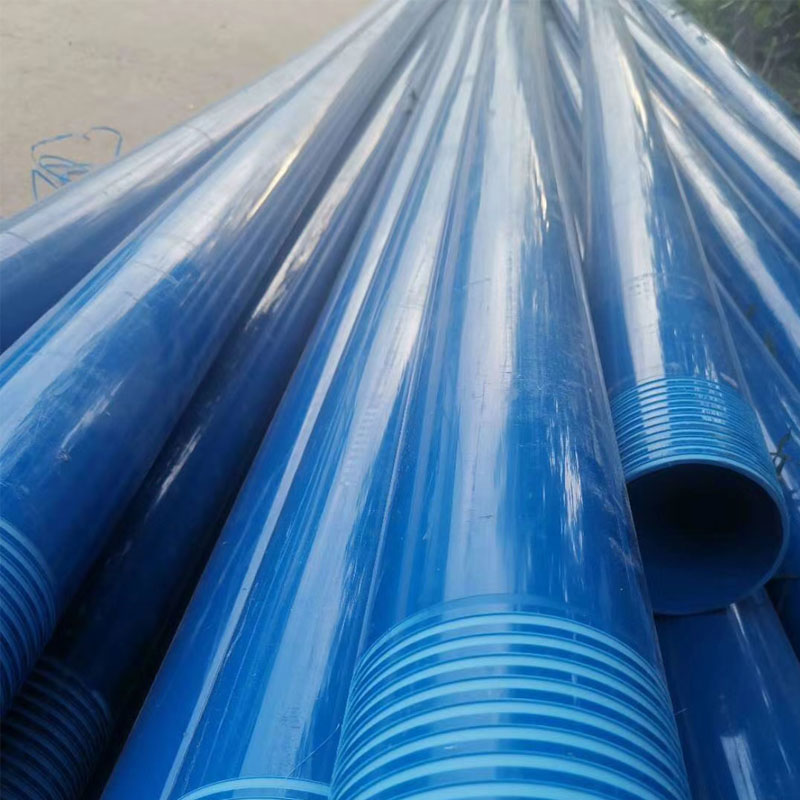
The materials employed in kitchen sink plumbing systems dictate their longevity, corrosion resistance, and suitability for varying water qualities. Copper, historically favored for its malleability and antimicrobial properties, possesses a crystalline structure susceptible to pitting corrosion in aggressive water environments. PVC (Polyvinyl Chloride) is manufactured through polymerization of vinyl chloride monomer, resulting in a rigid, thermoplastic material exhibiting excellent chemical resistance but limited temperature tolerance. CPVC (Chlorinated Polyvinyl Chloride) addresses this limitation through chlorination, increasing its glass transition temperature and enabling hot water applications. PEX (Cross-linked Polyethylene) is created via irradiation or chemical crosslinking of polyethylene, conferring flexibility, freeze resistance, and ease of installation with crimp or expansion fittings. Manufacturing processes vary accordingly: copper tubing is produced through extrusion and drawing, PVC and CPVC through extrusion, and PEX through crosslinking and spooling. Key parameter control during manufacturing involves maintaining precise dimensions (diameter, wall thickness), ensuring material homogeneity, and verifying mechanical properties (tensile strength, burst pressure). Jointing methods – soldering (copper), solvent welding (PVC/CPVC), and crimping/expansion (PEX) – require specific temperature control, surface preparation, and adherence to manufacturer specifications to prevent leaks and ensure structural integrity. The emergence of lead-free alloys for faucets and fittings addresses growing concerns regarding lead contamination of potable water, driving material science innovation.
Performance & Engineering
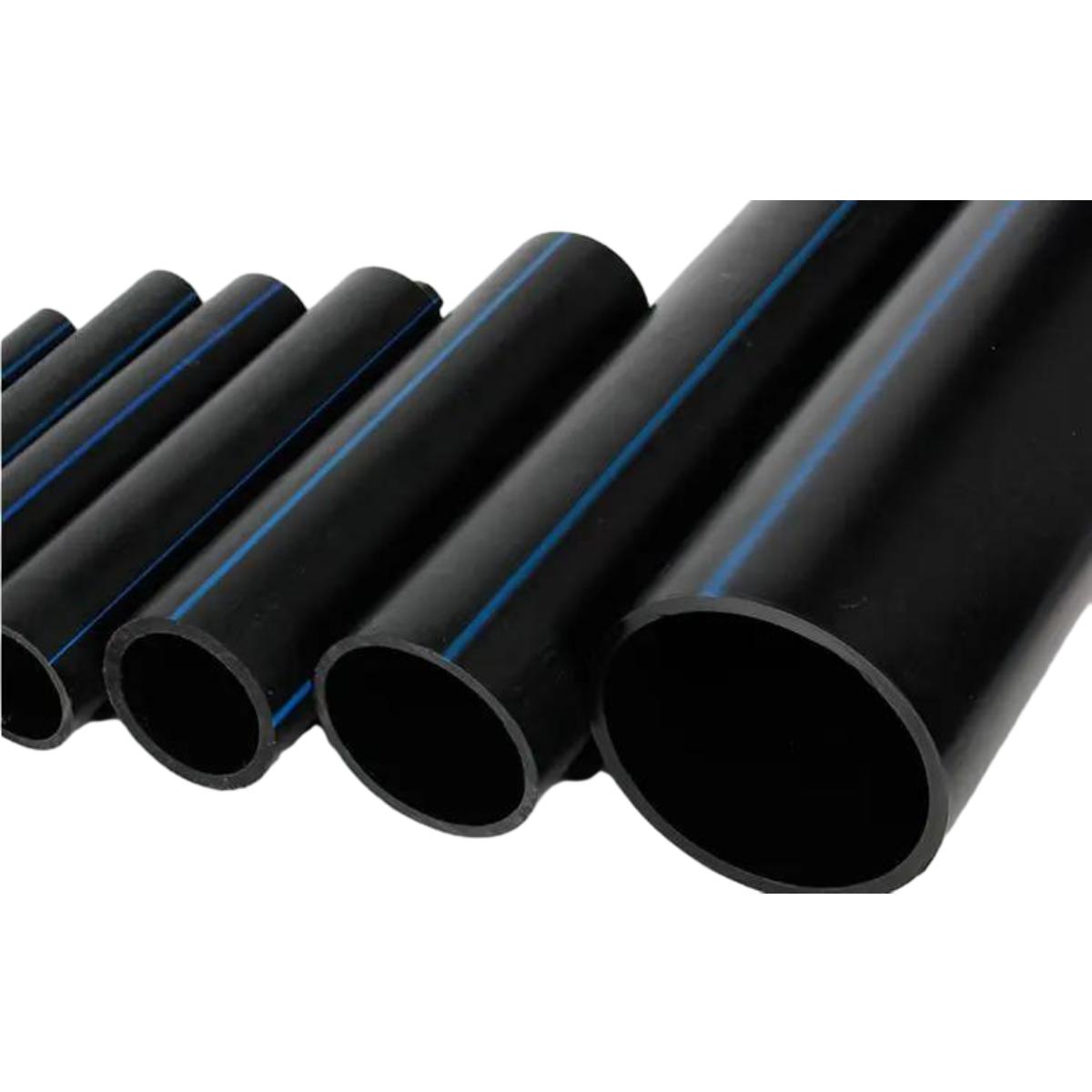
Effective kitchen sink plumbing necessitates a comprehensive understanding of fluid dynamics, stress analysis, and materials compatibility. Water hammer, a transient pressure surge caused by sudden valve closure, poses a significant threat to pipe integrity, particularly in rigid systems. Properly sized air chambers or water hammer arrestors mitigate this effect by absorbing shock waves. Drainage systems rely on gravity and proper venting to ensure efficient wastewater removal and prevent siphonage. Vent stacks, typically constructed from PVC or cast iron, equalize pressure and allow air to enter the drainage system. Force analysis involves calculating hydrostatic pressure, considering water column height and flow velocity. Materials must withstand these forces without deformation or failure. Environmental resistance is crucial; prolonged exposure to moisture, temperature fluctuations, and chemical cleaning agents can degrade materials over time. Compliance requirements, dictated by local plumbing codes (often based on the International Plumbing Code - IPC), dictate minimum pipe sizes, material specifications, and fixture clearances. Backflow prevention devices, such as air gaps and check valves, are essential to prevent contaminated water from flowing back into the potable water supply. Selection of appropriate pipe hangers and supports ensures adequate structural support and prevents stress concentrations.
Technical Specifications
| Piping Material | Pressure Rating (PSI) | Temperature Rating (°F) | Diameter (inches) |
|---|---|---|---|
| Copper Type L | 600 | 250 | 0.375 – 4 |
| PVC Schedule 40 | 400 | 140 | 0.5 – 12 |
| CPVC Schedule 40 | 300 | 200 | 0.5 – 4 |
| PEX-AL-PEX | 160 | 180 | 0.25 – 1 |
| Galvanized Steel | 400 | 250 | 0.5 – 6 |
| Stainless Steel 304 | 500 | 500 | 0.25 – 4 |
Failure Mode & Maintenance
Common failure modes in kitchen sink plumbing include corrosion (particularly in copper and galvanized steel), pinhole leaks (due to corrosion or manufacturing defects), joint failures (caused by improper installation or material degradation), and blockages (resulting from grease buildup, food particles, or sediment). Fatigue cracking can occur in rigid piping systems subjected to repeated stress from water hammer. Delamination of PEX piping can occur if the aluminum core is exposed to corrosive environments. Oxidation and scale buildup can reduce flow rates and contribute to corrosion. Regular maintenance involves inspecting exposed pipes for leaks, cleaning aerators to maintain flow, and flushing drains to remove blockages. Preventive measures include installing water filters to reduce sediment and chemical contaminants, using enzyme-based drain cleaners to break down grease, and insulating pipes in unheated areas to prevent freezing. When soldering copper pipes, proper flux application and annealing are critical to prevent corrosion. For PVC/CPVC joints, ensuring complete solvent cement coverage and allowing adequate curing time are essential. Replacement of worn or corroded components, particularly valves and faucets, is crucial to prevent catastrophic failures. Leak detection devices, such as electronic water sensors, can provide early warning of potential problems.
Industry FAQ
Q: What is the best material for replacing old galvanized steel pipes?
A: While cost is a factor, PEX is often the preferred replacement for galvanized steel due to its corrosion resistance, flexibility, and ease of installation. CPVC is another viable option, particularly for hot water lines, but requires solvent welding, which some plumbers may be less familiar with. The choice depends on specific site conditions and plumber expertise, but PEX generally offers the most long-term reliability and simplifies the replacement process compared to copper, which requires soldering.
Q: How can I prevent water hammer in my kitchen sink plumbing?
A: Water hammer can be mitigated by installing air chambers (vertical sections of pipe capped at the top), or more effectively, by installing commercially available water hammer arrestors near the quick-closing valves (faucets, dishwashers). Ensuring proper pipe sizing and securing pipes adequately to prevent movement during water flow can also help. Reducing water pressure within the acceptable range for your plumbing system is a proactive measure.
Q: What are the key considerations when installing a garbage disposal?
A: Proper electrical connection is paramount, requiring a dedicated circuit and GFCI protection. The drain line must be adequately supported to prevent strain on the disposal. A knockout plug must be removed from the disposal inlet before connecting to the dishwasher drain hose. Backflow prevention is essential; the disposal should be connected to a P-trap with a vent. Ensure the disposal is securely mounted to prevent vibration and noise.
Q: What are the common causes of slow draining in a kitchen sink?
A: The most common cause is grease buildup in the drain pipes. Food particles and soap scum also contribute to blockages. Less frequent causes include a clogged P-trap, a partially collapsed drain line, or a vent stack obstruction. Regular flushing with hot water and enzyme-based drain cleaners can help prevent buildup. Avoid pouring grease down the drain. For persistent clogs, professional snaking of the drain line may be required.
Q: Are lead-free faucets and fittings required by code?
A: Yes, increasingly, plumbing codes mandate the use of lead-free faucets and fittings. The Reduction of Lead in Drinking Water Act (in the US) and similar regulations globally limit the lead content in plumbing components. NSF/ANSI 61 and NSF/ANSI 372 certifications verify compliance with these standards. Always verify that the fixtures and fittings you are installing meet local code requirements.
Conclusion
Kitchen sink water plumbing service is a multifaceted discipline demanding a comprehensive understanding of material science, engineering principles, and regulatory compliance. The selection of appropriate materials, coupled with proper installation techniques, is crucial for ensuring long-term reliability, preventing costly failures, and safeguarding public health. The industry is continually evolving, driven by concerns over water conservation, lead contamination, and the need for more sustainable plumbing solutions.
Future advancements will likely focus on smart plumbing systems incorporating leak detection sensors, automated shut-off valves, and remote monitoring capabilities. The integration of BIM (Building Information Modeling) into plumbing design and installation will enhance efficiency and reduce errors. Continued research into innovative materials, such as advanced polymers and composite materials, will further improve the performance and durability of kitchen sink plumbing systems.
-
DN25 HDPE Compression Fitting-HORON INTERNATIONAL|Reliable Irrigation Solutions
NewsFeb.11,2026
-
hdpe coupling joint product Manufacturing Analysis
News2026-11-18
-
ppr pipe heating time products Performance Analysis
News2026-11-16
-
hdpe pipe sizes factory Performance Analysis
News2026-11-09
-
HDPE Pipe Sizes Service Performance Analysis
News2026-10-26
-
wholesale 15mm ppr pipe Material Science and Performance Analysis
News2026-10-20
-
wholesale pvc pipe price per foot Technical Analysis
News2026-09-21
-
wholesale long pvc pipe Technical Analysis and Manufacturing Specifications
News2026-09-15
-
wholesale plumbing kitchen sink water lines Material Performance
News2026-09-15
-
wholesale hdpe drip irrigation Material Science
News2026-09-15
-
wholesale hot water ppr pipe Performance Analysis
News2026-09-15
-
wholesale ppr plumbing Performance Analysis
News2026-09-15
-
wholesale ppr pipe supplier Performance Analysis
News2026-09-13
-
wholesale 50mm ppr pipe Performance Analysis
News2026-09-13
-
wholesale hdpe drip pipe Performance Analysis
News2026-09-13
-
wholesale hdpe pipe 63mm price Manufacturing Specification and Performance Analysis
News2026-09-13