

Feb . 11, 2026 00:01 Back to list
kitchen sink water plumbing products Performance Analysis
Introduction
Kitchen sink water plumbing products encompass a critical component of residential and commercial sanitation systems, facilitating the safe and efficient removal of wastewater. This guide details the materials, manufacturing processes, performance characteristics, failure modes, and relevant standards governing these products, specifically focusing on drain lines, P-traps, supply lines, and faucet connections. The industry chain begins with raw material extraction (plastics, metals) and progresses through component manufacturing, assembly, distribution, installation, and finally, maintenance. Core performance metrics center on leak-proof operation, durability under varying water pressures and temperatures, resistance to corrosion and chemical degradation, and compliance with stringent plumbing codes designed to protect public health and safety. A significant industry pain point revolves around the longevity of plastic components subjected to cyclic stress and the prevention of galvanic corrosion in mixed-metal systems.
Material Science & Manufacturing
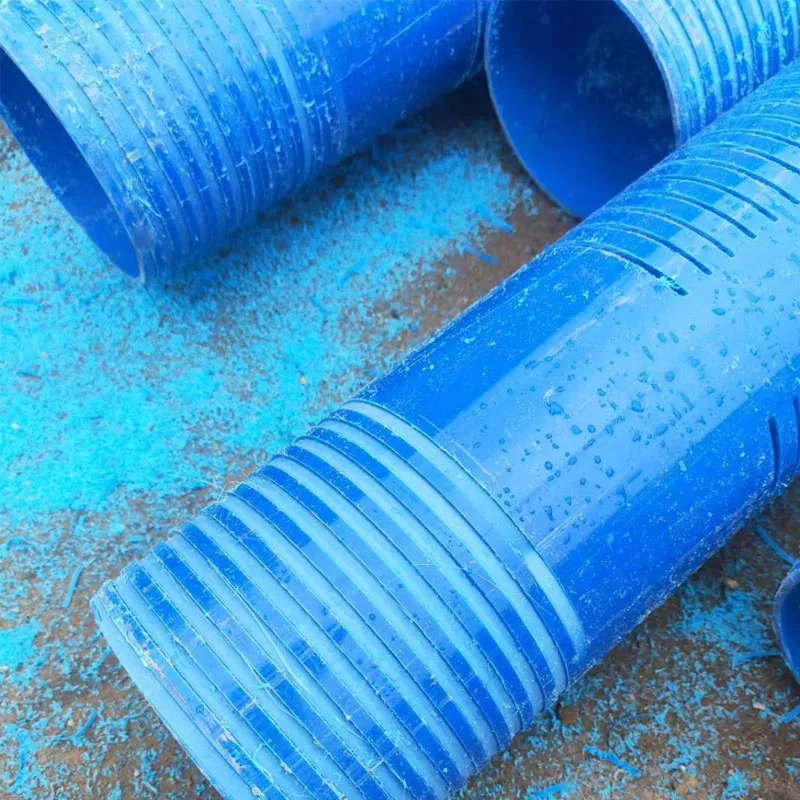
The primary materials used in kitchen sink plumbing are Polyvinyl Chloride (PVC), Acrylonitrile Butadiene Styrene (ABS), Polypropylene (PP), Copper, Brass, and Stainless Steel. PVC, known for its rigidity and chemical resistance, is widely used in drain lines. ABS offers greater impact resistance but is less heat tolerant. PP is gaining traction due to its flexibility and recyclability. Copper and brass provide excellent corrosion resistance and are frequently used in supply lines and fittings. Stainless steel (typically 304 or 316) offers superior durability and corrosion resistance, commanding a premium price point.
Manufacturing processes vary by material. PVC and ABS pipes are typically produced via extrusion, where molten polymer is forced through a die to create continuous lengths. Fittings are commonly manufactured through injection molding, requiring precise temperature and pressure control to prevent warping and ensure dimensional accuracy. Copper pipes are produced through drawing and annealing, creating seamless tubes. Brass fittings are cast using investment casting or die casting, followed by machining for precise threads and dimensions. Stainless steel components undergo similar drawing, machining, and welding processes. Critical parameters include maintaining consistent wall thickness in extruded pipes (monitored via ultrasonic sensors), controlling cooling rates in injection molding to minimize internal stresses, and ensuring proper annealing temperatures in metal processing to optimize ductility and corrosion resistance. Quality control includes hydrostatic pressure testing to identify leaks and dimensional inspections to verify adherence to specifications. The chemical compatibility of seals (typically rubber or silicone) with potable water and cleaning agents is also a vital consideration.
Performance & Engineering
Performance of kitchen sink plumbing hinges on several key engineering principles. Hydraulic flow analysis is crucial for determining appropriate pipe diameters to minimize pressure drop and prevent backflow. Force analysis must account for water hammer (sudden pressure surges caused by valve closure), static water pressure, and the weight of the water column. Environmental resistance considerations include temperature cycling (expansion and contraction of materials), UV exposure (for exterior components), and chemical exposure from household cleaning products. Compliance requirements are dictated by local and national plumbing codes (e.g., UPC, IPC), which specify material standards, pressure ratings, and installation procedures.
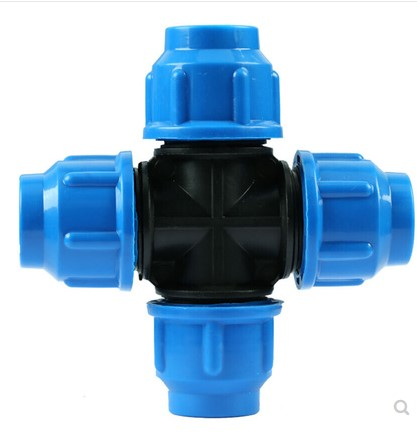
Specifically, P-traps rely on the principle of creating a water seal to prevent sewer gases from entering the building. The trap arm length and diameter must meet minimum code requirements to ensure effective sealing. Supply lines require burst pressure testing significantly exceeding typical operating pressures to guarantee safety. Faucet connections necessitate leak-proof sealing achieved through precision threading, compression fittings, or O-ring seals. Material selection is critical; for example, using dissimilar metals in direct contact can lead to galvanic corrosion, necessitating the use of dielectric unions or protective coatings. Finite element analysis (FEA) is frequently employed to simulate stress distribution in fittings and optimize their geometry for maximum strength and durability.
Technical Specifications
| Parameter | PVC (Schedule 40) | Copper Type L | Stainless Steel 304 | PEX (Cross-linked Polyethylene) |
|---|---|---|---|---|
| Material | Polyvinyl Chloride | Copper | Stainless Steel | Cross-linked Polyethylene |
| Pressure Rating (psi) | 400 | 600 | 1000 | 160 |
| Temperature Rating (°F) | 140 | 250 | 500 | 200 |
| Tensile Strength (psi) | 6,900 | 40,000 | 75,000 | 4,000 |
| Corrosion Resistance | Excellent (to most chemicals) | Excellent | Excellent | Good (resistant to many chemicals, but susceptible to chlorine degradation) |
| Cost (per foot) | $0.50 - $1.50 | $3.00 - $6.00 | $5.00 - $10.00 | $0.75 - $2.00 |
Failure Mode & Maintenance
Common failure modes in kitchen sink plumbing include: 1) Fatigue cracking in PVC and ABS pipes due to cyclic stress from water pressure and temperature fluctuations. 2) Corrosion in copper and brass pipes, particularly in areas with acidic water. Galvanic corrosion can occur when dissimilar metals are connected without proper isolation. 3) Leakage at threaded connections due to improper tightening, damaged threads, or worn-out sealing tape. 4) Delamination and cracking in PEX pipes due to UV exposure or improper installation. 5) Blockages caused by grease, food particles, and mineral buildup.
Preventive maintenance includes regular inspection for leaks, corrosion, and blockages. Flushing drain lines with hot water and baking soda can help dissolve grease buildup. Using a strainer in the sink can prevent food particles from entering the drain. Insulating pipes in unheated areas can prevent freezing and subsequent cracking. Replacing worn-out seals and gaskets is crucial to prevent leaks. For corrosion mitigation, water softening systems and pH neutralization filters can be employed. When replacing components, always use compatible materials and follow proper installation procedures as outlined in plumbing codes. For PEX, use appropriate fittings and avoid prolonged UV exposure. Regular professional inspections by a licensed plumber are recommended.
Industry FAQ
Q: What are the advantages and disadvantages of using PEX versus copper for supply lines?
A: PEX offers lower material cost, ease of installation (due to its flexibility), and resistance to freezing bursts. However, it has a lower temperature rating than copper, is susceptible to chlorine degradation over time, and may require specialized crimping or expansion tools for installation. Copper provides superior durability, higher temperature resistance, and is less prone to chemical degradation but is more expensive and requires soldering skills for installation.
Q: How can I prevent galvanic corrosion when connecting copper pipes to stainless steel fixtures?
A: The key is to electrically isolate the two metals. This can be achieved by using dielectric unions, which incorporate a non-conductive barrier between the copper and stainless steel. Alternatively, applying a corrosion-inhibiting coating to the dissimilar metal can help prevent the flow of electrons that drives the corrosion process.
Q: What is the best way to deal with a slow-draining kitchen sink?
A: Begin by removing and cleaning the P-trap, as this is a common location for blockages. If the clog persists, use a plumbing snake to clear the drain line. Avoid using harsh chemical drain cleaners, as they can damage pipes and are environmentally harmful. If the issue remains unresolved, a professional plumber may be required to inspect for deeper blockages.
Q: What is the significance of the ‘Schedule’ number for PVC pipes (e.g., Schedule 40, Schedule 80)?
A: The Schedule number indicates the pipe wall thickness. Higher Schedule numbers (e.g., Schedule 80) represent thicker walls and, consequently, higher pressure ratings and greater resistance to impact. Schedule 40 is typically sufficient for residential kitchen sink drain lines, while Schedule 80 may be required for industrial applications or areas with higher pressure demands.
Q: Are there any specific requirements for venting kitchen sink drain lines?
A: Yes, proper venting is crucial to prevent siphoning and ensure efficient drainage. Vent pipes allow air to enter the drain system, equalizing pressure and preventing a vacuum from forming. Local plumbing codes specify the required vent pipe diameter, length, and termination point. Improper venting can lead to slow drainage, gurgling noises, and potentially, sewer gases entering the building.
Conclusion
Kitchen sink water plumbing systems are integral to modern sanitation, demanding careful material selection, precise manufacturing processes, and adherence to stringent performance and safety standards. Understanding the material science – the properties of PVC, ABS, copper, and stainless steel – is paramount to selecting the appropriate components for specific applications. The industry is continually evolving, with a growing emphasis on sustainable materials like PP and the optimization of designs to enhance durability and longevity.
Future developments are likely to focus on advanced materials with improved corrosion resistance and chemical compatibility, as well as smart plumbing systems incorporating sensors for leak detection and predictive maintenance. Addressing the industry's pain points regarding material degradation and the prevention of galvanic corrosion will remain critical priorities. Proper installation, regular maintenance, and compliance with international standards are essential to ensuring the reliable and safe operation of these vital systems, safeguarding public health and protecting property.
-
DN25 HDPE Compression Fitting-HORON INTERNATIONAL|Reliable Irrigation Solutions
NewsFeb.11,2026
-
hdpe coupling joint product Manufacturing Analysis
News2026-11-18
-
ppr pipe heating time products Performance Analysis
News2026-11-16
-
hdpe pipe sizes factory Performance Analysis
News2026-11-09
-
HDPE Pipe Sizes Service Performance Analysis
News2026-10-26
-
wholesale 15mm ppr pipe Material Science and Performance Analysis
News2026-10-20
-
wholesale pvc pipe price per foot Technical Analysis
News2026-09-21
-
wholesale long pvc pipe Technical Analysis and Manufacturing Specifications
News2026-09-15
-
wholesale plumbing kitchen sink water lines Material Performance
News2026-09-15
-
wholesale hdpe drip irrigation Material Science
News2026-09-15
-
wholesale hot water ppr pipe Performance Analysis
News2026-09-15
-
wholesale ppr plumbing Performance Analysis
News2026-09-15
-
wholesale ppr pipe supplier Performance Analysis
News2026-09-13
-
wholesale 50mm ppr pipe Performance Analysis
News2026-09-13
-
wholesale hdpe drip pipe Performance Analysis
News2026-09-13
-
wholesale hdpe pipe 63mm price Manufacturing Specification and Performance Analysis
News2026-09-13