

Feb . 11, 2026 00:01 Back to list
kitchen sink water plumbing manufacturer Material Science Performance
Introduction
Kitchen sink water plumbing systems represent a critical component of residential and commercial infrastructure, responsible for the safe and efficient conveyance of potable water and wastewater. This guide details the materials, manufacturing processes, performance characteristics, failure modes, and relevant standards governing these systems. The industry chain encompasses raw material suppliers (plastics, metals), component manufacturers (faucets, drainpipes, traps, valves), assembly and installation services, and regulatory oversight. Core performance is defined by leak-proof operation, resistance to corrosion, compliance with potable water standards (lead content, material leachates), and consistent flow rates under varying pressure conditions. A primary industry pain point is balancing cost optimization with long-term durability and avoiding costly failures related to material degradation and improper installation. Another significant challenge is adapting to increasingly stringent environmental regulations regarding water conservation and material recyclability.
Material Science & Manufacturing
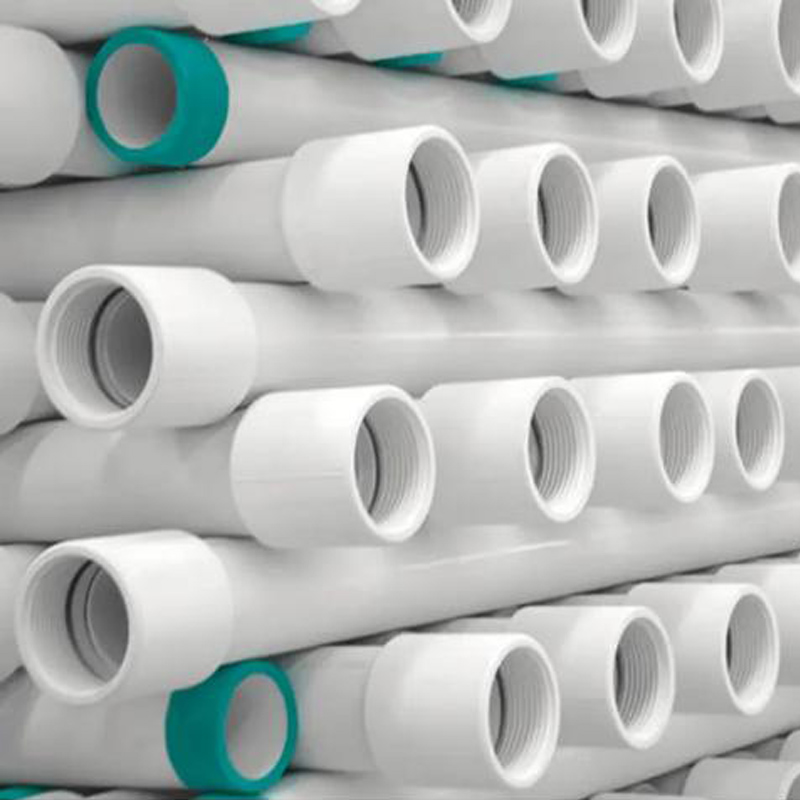
The predominant materials used in kitchen sink plumbing are Polyvinyl Chloride (PVC), Acrylonitrile Butadiene Styrene (ABS), Polypropylene (PP), Copper, and Stainless Steel. PVC and ABS are favored for drain, waste, and vent (DWV) piping due to their cost-effectiveness and resistance to a broad range of chemicals. Their chemical structures provide inherent resistance to acids and bases commonly found in household wastewater. PP offers superior temperature resistance and is often used in hot water supply lines. Copper, traditionally a material of choice for water supply, offers excellent corrosion resistance and antimicrobial properties, but is experiencing increased cost pressure. Stainless Steel (typically 304 or 316 grades) provides exceptional durability and resistance to pitting corrosion, making it ideal for high-end faucet components and drain baskets.
Manufacturing processes vary based on material. PVC and ABS piping are typically produced via extrusion, where molten plastic is forced through a die to create the desired pipe diameter and wall thickness. Critical parameters include extrusion temperature, die pressure, and cooling rate – all impacting dimensional accuracy and material crystallinity. Copper pipes are manufactured through drawing and annealing processes, optimizing ductility and tensile strength. Stainless steel components often undergo investment casting or machining for intricate geometries, requiring precise control of cutting speeds, feed rates, and coolant application. Faucets commonly utilize die-casting for brass or zinc alloy bodies followed by surface finishing (plating, painting) to enhance aesthetics and corrosion resistance. Quality control at each stage includes dimensional inspections, hydrostatic pressure testing, and material composition analysis (using techniques like X-ray fluorescence).
Performance & Engineering
Performance of kitchen sink plumbing is governed by hydraulic principles and material strength. Force analysis is crucial in designing pipe supports and connections to withstand hydrostatic pressure and thermal expansion/contraction. Burst pressure testing (ASTM D1785 for PVC pipe) verifies the ability of piping to handle peak pressure events. Environmental resistance is paramount, especially considering exposure to varying water temperatures, chemical cleaning agents, and humidity. Copper and stainless steel exhibit excellent resistance to corrosion, while plastic materials require stabilizers (e.g., UV absorbers) to mitigate degradation from sunlight and chlorine exposure.
Compliance requirements are extensive, varying by region. In the US, NSF/ANSI 61 certification ensures materials do not leach harmful contaminants into drinking water. UPC (Uniform Plumbing Code) and IPC (International Plumbing Code) dictate minimum pipe sizing, slope requirements for drainage, and proper venting to prevent siphonage. Flow rate calculations (Darcy-Weisbach equation) are essential for determining appropriate pipe diameters to maintain adequate water pressure at the faucet. Finite Element Analysis (FEA) is often employed in the design of complex components (faucets, valves) to optimize stress distribution and predict fatigue life. Properly designed traps (P-traps, S-traps) are critical for preventing sewer gases from entering the living space, and their efficiency is determined by water seal depth and venting configuration.
Technical Specifications
| Material | Tensile Strength (MPa) | Operating Temperature Range (°C) | Hydrostatic Pressure Rating (psi) |
|---|---|---|---|
| PVC | 55-70 | 0-60 | 400-600 |
| ABS | 40-50 | -40-80 | 300-500 |
| Copper (Type L) | 220-240 | -50-120 | 600-1000 |
| Stainless Steel (304) | 500-700 | -196-850 | 1500-3000 |
| Polypropylene (PP) | 30-40 | -20-90 | 500-700 |
| Brass (C36000) | 400-500 | -60-200 | 800-1200 |
Failure Mode & Maintenance
Common failure modes in kitchen sink plumbing include fatigue cracking in metal pipes due to repeated stress from water hammer, delamination of plastic pipes caused by UV exposure and chemical attack, and corrosion of metal components leading to pinhole leaks. Plastic pipes are also susceptible to deformation under sustained loads, especially at joints. Threaded connections are prone to leaks due to improper tightening or degradation of Teflon tape. Faucet cartridge failures, often manifesting as dripping, are a frequent issue attributable to wear and tear on rubber seals.
Preventative maintenance involves periodic inspections for leaks, corrosion, and signs of material degradation. Flushing the drain lines with hot water and baking soda can help dissolve grease buildup and prevent clogs. Replacing worn seals and cartridges in faucets extends their lifespan. For metal piping, applying a corrosion inhibitor can mitigate oxidation. In cases of significant corrosion or cracking, complete pipe replacement is necessary. Proper winterization of plumbing in cold climates (draining pipes, insulating exposed lines) prevents freezing and bursting. Avoid using harsh chemical drain cleaners, as they can damage plastic pipes and seals. Regular cleaning of aerators on faucets prevents sediment buildup and maintains optimal flow rate.
Industry FAQ
Q: What are the primary differences between PVC and CPVC piping, and when is CPVC preferred?
A: Polyvinyl Chloride (PVC) is suitable for cold water applications up to 60°C. Chlorinated Polyvinyl Chloride (CPVC) undergoes a chlorination process, increasing its temperature resistance up to approximately 93°C. CPVC is therefore preferred for hot water distribution systems where higher temperatures are present. CPVC also exhibits greater resistance to certain chemicals.
Q: How does water hardness affect the lifespan of metal plumbing components?
A: High water hardness (high mineral content) can lead to scale buildup inside pipes, reducing flow rate and potentially causing blockages. More significantly, it accelerates corrosion of metal pipes (especially copper) by creating galvanic cells. Scale can also provide sites for bacterial growth. Water softening systems can mitigate these effects.
Q: What is the significance of the NSF/ANSI 61 certification?
A: NSF/ANSI 61 certification verifies that materials used in potable water systems do not introduce harmful levels of contaminants into the water. It's a critical requirement for ensuring public health and safety, and compliance is often mandated by local regulations. The standard tests for a wide range of substances, including lead, volatile organic compounds (VOCs), and other potentially toxic chemicals.
Q: What are the common causes of water hammer and how can it be prevented?
A: Water hammer is a pressure surge caused by the sudden stopping of water flow, typically when a valve is closed quickly. It can damage pipes, fittings, and appliances. Prevention methods include installing water hammer arrestors (air chambers or spring-loaded devices), using slow-closing valves, and properly securing pipes to prevent movement.
Q: What are the advantages of using PEX (cross-linked polyethylene) tubing compared to traditional copper or PVC?
A: PEX is flexible, simplifying installation and reducing the number of fittings required. It’s also resistant to freezing and bursting, and is relatively inexpensive. PEX doesn't corrode like copper and is less susceptible to scale buildup. However, it's generally not suitable for outdoor applications due to UV degradation unless shielded.
Conclusion
The selection and implementation of kitchen sink water plumbing systems demand a thorough understanding of material science, hydraulic principles, and relevant industry standards. A balance between cost, durability, and compliance is essential for ensuring long-term performance and preventing costly failures. The continued evolution of materials and manufacturing techniques, alongside increasingly stringent environmental regulations, necessitates ongoing innovation in this critical infrastructure component.
Future trends point towards greater adoption of sustainable materials, such as recycled plastics and bio-based polymers, and the integration of smart technologies for leak detection and water usage monitoring. A proactive approach to maintenance, coupled with adherence to best practices in installation and material selection, will remain paramount for safeguarding water quality and preserving the longevity of kitchen sink plumbing systems.
-
DN25 HDPE Compression Fitting-HORON INTERNATIONAL|Reliable Irrigation Solutions
NewsFeb.11,2026
-
hdpe coupling joint product Manufacturing Analysis
News2026-11-18
-
ppr pipe heating time products Performance Analysis
News2026-11-16
-
hdpe pipe sizes factory Performance Analysis
News2026-11-09
-
HDPE Pipe Sizes Service Performance Analysis
News2026-10-26
-
wholesale 15mm ppr pipe Material Science and Performance Analysis
News2026-10-20
-
wholesale pvc pipe price per foot Technical Analysis
News2026-09-21
-
wholesale long pvc pipe Technical Analysis and Manufacturing Specifications
News2026-09-15
-
wholesale plumbing kitchen sink water lines Material Performance
News2026-09-15
-
wholesale hdpe drip irrigation Material Science
News2026-09-15
-
wholesale hot water ppr pipe Performance Analysis
News2026-09-15
-
wholesale ppr plumbing Performance Analysis
News2026-09-15
-
wholesale ppr pipe supplier Performance Analysis
News2026-09-13
-
wholesale 50mm ppr pipe Performance Analysis
News2026-09-13
-
wholesale hdpe drip pipe Performance Analysis
News2026-09-13
-
wholesale hdpe pipe 63mm price Manufacturing Specification and Performance Analysis
News2026-09-13