

Feb . 11, 2026 00:01 Back to list
kitchen sink water plumbing factory Performance Analysis
Introduction
Kitchen sink water plumbing systems represent a critical component within residential and commercial building infrastructure, responsible for the safe and efficient conveyance of potable water to, and wastewater from, kitchen sinks. This technical guide provides an in-depth examination of these systems, encompassing material science, manufacturing processes, performance characteristics, potential failure modes, and relevant industry standards. These systems are typically comprised of supply lines delivering pressurized hot and cold water, drain lines removing waste, and associated fittings, valves, and traps. The core performance criteria center around maintaining water pressure, preventing leaks, ensuring adequate drainage capacity, and adhering to stringent health and safety regulations concerning water quality and waste disposal. The increasing demand for water conservation and improved material durability drives ongoing innovation in plumbing system design and component manufacturing. Industry pain points include corrosion resistance in varying water chemistries, maintaining consistent flow rates under varying pressures, and ensuring long-term reliability of plastic components susceptible to degradation.
Material Science & Manufacturing
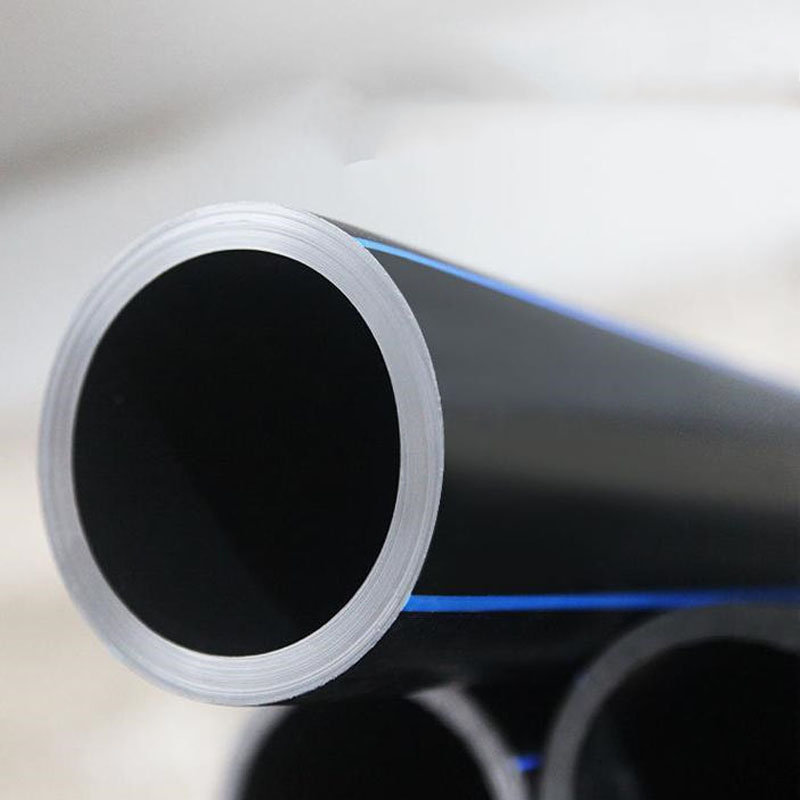
The materials used in kitchen sink water plumbing are diverse, each selected for specific properties and application requirements. Supply lines commonly utilize Copper Type L or K, PEX (Cross-Linked Polyethylene), and CPVC (Chlorinated Polyvinyl Chloride). Copper offers excellent corrosion resistance and durability but is susceptible to price fluctuations. PEX is flexible, cost-effective, and resistant to freezing, but requires specialized crimping or expansion fitting systems. CPVC provides higher temperature resistance than PVC, suitable for hot water lines, but can be more brittle. Drain lines typically employ PVC, ABS (Acrylonitrile Butadiene Styrene), and increasingly, polypropylene. PVC is widely used due to its low cost and chemical resistance, however, its environmental impact is a concern. ABS is lightweight and durable but can warp under high temperatures. Polypropylene offers improved impact resistance and heat resistance. Fittings are commonly manufactured from brass, chrome-plated brass, or engineered plastics like polypropylene. Manufacturing processes vary by material. Copper tubing is produced through extrusion and drawing. PEX is created via a crosslinking process applied to polyethylene resin. PVC and ABS pipes are manufactured via extrusion. Injection molding is prevalent for fittings. Key parameter control during manufacturing includes precise dimensional tolerances to ensure leak-proof connections, consistent material thickness to maintain pressure ratings, and rigorous quality control to detect defects like cracks or voids. Chemical compatibility of materials with potable water and common household cleaning agents is also a critical consideration.

Performance & Engineering
Performance evaluation of kitchen sink plumbing systems centers around hydraulic performance, structural integrity, and long-term durability. Hydraulic analysis involves assessing flow rates, pressure drops, and water hammer effects. Supply lines must maintain adequate water pressure to meet fixture demands, typically 40-60 psi. Drain lines must be sized appropriately to prevent backflow and ensure rapid wastewater removal. Force analysis is crucial for evaluating the structural integrity of pipes and fittings under hydrostatic pressure and mechanical stress. Finite Element Analysis (FEA) is often employed to simulate stress distribution and identify potential failure points. Environmental resistance is paramount, particularly corrosion resistance in the face of varying water pH, mineral content, and chloride levels. PEX and CPVC exhibit superior corrosion resistance compared to copper in aggressive water conditions. Compliance requirements are dictated by local plumbing codes, which typically reference standards such as the Uniform Plumbing Code (UPC) and the International Plumbing Code (IPC). Functional implementation requires careful consideration of pipe layout, slope for gravity drainage, proper venting to prevent siphonage, and appropriate support to prevent sagging or stress on joints. The thermal expansion and contraction of materials must also be accounted for to prevent stress cracking or joint separation.
Technical Specifications
| Material | Pressure Rating (psi) | Temperature Rating (°F) | Tensile Strength (MPa) |
|---|---|---|---|
| Copper Type L | 600 | 250 | 240 |
| PEX | 100 | 180 | 18-24 |
| CPVC | 400 | 200 | 55-75 |
| PVC | 80 | 140 | 50-60 |
| ABS | 60 | 170 | 40-50 |
| Polypropylene | 100 | 180 | 30-40 |
Failure Mode & Maintenance
Common failure modes in kitchen sink water plumbing systems include corrosion-induced leaks, freeze damage, joint failures, and material degradation. Copper pipes are susceptible to pitting corrosion, particularly in acidic water environments. PEX can experience slow crack growth due to chlorine and UV exposure. CPVC can become brittle and crack with prolonged exposure to high temperatures. PVC and ABS are vulnerable to solvent welding failures and impact damage. Joint failures commonly occur due to improper installation, inadequate support, or thermal stress. Fatigue cracking can develop in fittings subjected to cyclic loading. Maintenance strategies focus on preventative measures and timely repairs. Regularly inspect exposed pipes and fittings for signs of corrosion, leaks, or damage. Flush drain lines periodically to remove sediment buildup. Insulate pipes in unheated areas to prevent freezing. Use appropriate cleaning agents that are compatible with plumbing materials. When replacing components, ensure compatibility between different materials to avoid galvanic corrosion. For persistent leaks or complex repairs, consult a qualified plumber. A proactive maintenance schedule can significantly extend the service life of the plumbing system and prevent costly water damage.
Industry FAQ
Q: What are the key differences between PEX and copper for supply lines, and when would you recommend one over the other?
A: PEX offers advantages in terms of cost, flexibility, and freeze resistance. Copper provides superior durability and corrosion resistance, especially in aggressive water chemistries. PEX is generally preferred for new construction and renovations where ease of installation and cost savings are prioritized. Copper remains the material of choice for critical applications and areas with known water quality issues.
Q: How does water hardness affect the longevity of a plumbing system?
A: High water hardness causes scale buildup inside pipes, reducing flow rates and potentially leading to blockages. Scale can also accelerate corrosion of metal pipes. Water softening systems can mitigate these effects.
Q: What are the best practices for preventing backflow in drain lines?
A: Proper venting is essential to prevent siphonage and backflow. Drain lines should be adequately sloped to ensure gravity drainage. Air admittance valves (AAVs) can be used in situations where traditional venting is impractical.
Q: What is the impact of using incompatible materials in plumbing connections?
A: Using incompatible materials can lead to galvanic corrosion, where one metal corrodes preferentially due to an electrochemical reaction with another metal. Always use dielectric unions or fittings to separate dissimilar metals.
Q: How often should a plumber inspect the kitchen sink plumbing system as part of a routine home maintenance schedule?
A: A professional plumbing inspection should be conducted at least every two years, or more frequently in areas with known water quality issues or aging plumbing infrastructure.
Conclusion
Kitchen sink water plumbing systems represent a complex interplay of material science, engineering principles, and regulatory compliance. Understanding the nuances of material selection, manufacturing processes, performance characteristics, and potential failure modes is critical for ensuring the long-term reliability and safety of these essential systems. The ongoing trend towards water conservation and sustainable materials will continue to drive innovation in the industry.
The selection of appropriate materials, diligent installation practices, and proactive maintenance are paramount to mitigating the risk of failures and maximizing the lifespan of kitchen sink plumbing infrastructure. Future developments will likely focus on smart plumbing systems with integrated leak detection and remote monitoring capabilities, further enhancing efficiency and reducing water waste.
-
DN25 HDPE Compression Fitting-HORON INTERNATIONAL|Reliable Irrigation Solutions
NewsFeb.11,2026
-
hdpe coupling joint product Manufacturing Analysis
News2026-11-18
-
ppr pipe heating time products Performance Analysis
News2026-11-16
-
hdpe pipe sizes factory Performance Analysis
News2026-11-09
-
HDPE Pipe Sizes Service Performance Analysis
News2026-10-26
-
wholesale 15mm ppr pipe Material Science and Performance Analysis
News2026-10-20
-
wholesale pvc pipe price per foot Technical Analysis
News2026-09-21
-
wholesale long pvc pipe Technical Analysis and Manufacturing Specifications
News2026-09-15
-
wholesale plumbing kitchen sink water lines Material Performance
News2026-09-15
-
wholesale hdpe drip irrigation Material Science
News2026-09-15
-
wholesale hot water ppr pipe Performance Analysis
News2026-09-15
-
wholesale ppr plumbing Performance Analysis
News2026-09-15
-
wholesale ppr pipe supplier Performance Analysis
News2026-09-13
-
wholesale 50mm ppr pipe Performance Analysis
News2026-09-13
-
wholesale hdpe drip pipe Performance Analysis
News2026-09-13
-
wholesale hdpe pipe 63mm price Manufacturing Specification and Performance Analysis
News2026-09-13