

Feb . 11, 2026 00:01 Back to list
kitchen sink water plumbing factories Performance Analysis
Introduction
Kitchen sink water plumbing factories encompass the manufacturing of the complex network of pipes, fittings, valves, and associated components responsible for delivering potable water to and removing wastewater from kitchen sinks. This industry is a critical subset of broader plumbing infrastructure manufacturing and directly supports residential, commercial, and institutional sectors. The core performance characteristics revolve around ensuring leak-proof connections, maintaining water pressure, facilitating efficient drainage, and complying with stringent health and safety regulations. The increasing demand for water conservation and sustainable materials presents ongoing challenges and opportunities for innovation in material selection and manufacturing processes. A key pain point in this industry lies in maintaining dimensional accuracy across high-volume production runs, minimizing material waste, and preventing corrosion-related failures that compromise system integrity and potentially lead to water contamination.
Material Science & Manufacturing
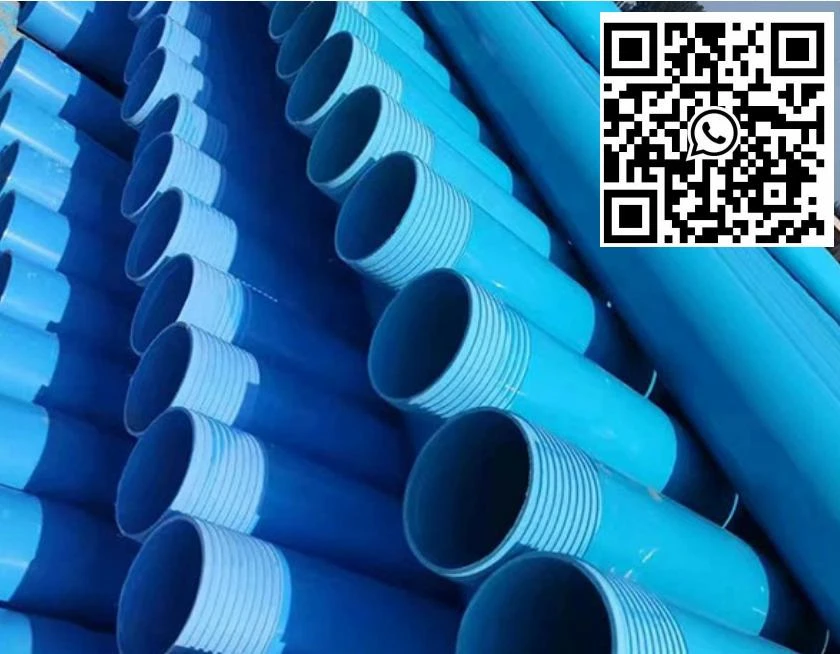
The dominant materials in kitchen sink water plumbing are copper alloys (brass, bronze), Polyvinyl Chloride (PVC), Cross-linked Polyethylene (PEX), and Stainless Steel. Brass, an alloy of copper and zinc, offers excellent corrosion resistance and machinability, crucial for manufacturing fittings. PVC, a thermoplastic polymer, is favored for drain, waste, and vent (DWV) applications due to its low cost and chemical resistance. PEX, a flexible polyethylene, is increasingly used for water supply lines due to its ease of installation and freeze resistance. Stainless steel provides superior strength and corrosion resistance, commonly utilized in sink baskets and strainers.
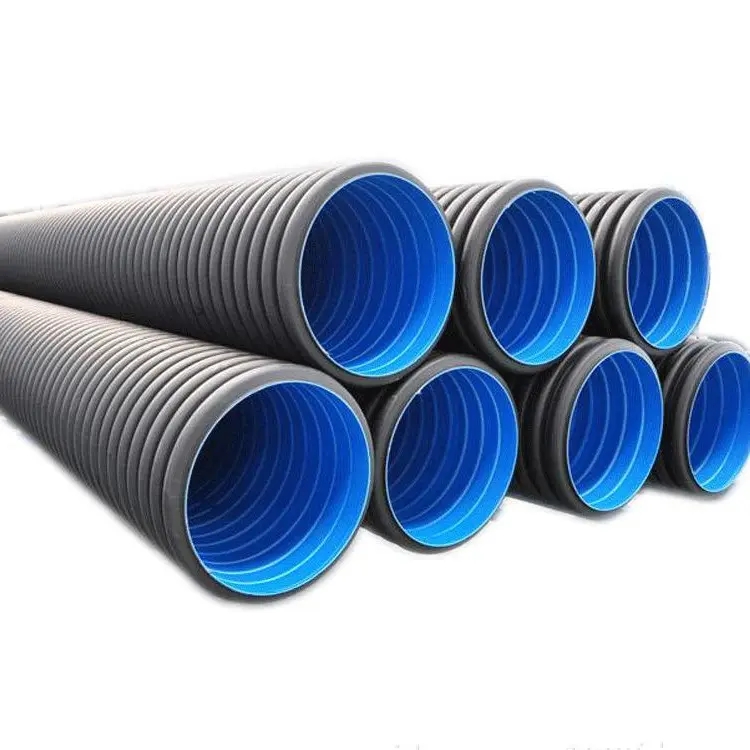
Manufacturing processes vary with the material. Brass fittings are typically produced via hot forging, followed by machining to achieve precise dimensions. PVC pipes are manufactured through extrusion, where molten PVC is forced through a die to create a continuous tube. PEX tubing is also extruded, with crosslinking achieved through chemical or irradiation methods to enhance its thermal stability. Stainless steel components are formed through processes like stamping, drawing, and welding. Key parameter control involves maintaining consistent alloy composition, precise temperature regulation during extrusion and forging, and strict dimensional tolerances enforced through automated inspection systems. Surface finishing, such as electroplating for brass fittings, is crucial for enhancing corrosion resistance and aesthetic appeal. Quality control at each stage, including hydrostatic pressure testing for pipes and leak testing for fittings, is paramount.
Performance & Engineering
Performance requirements are dictated by fluid dynamics, structural mechanics, and environmental resistance. Force analysis focuses on withstanding hydrostatic pressure, thermal expansion and contraction, and mechanical stresses during installation and operation. Burst pressure testing is critical for verifying pipe and fitting strength. Environmental resistance encompasses corrosion from potable water, cleaning agents, and localized environmental factors. The chemical compatibility of materials with various water qualities (pH levels, mineral content) is a significant consideration. Compliance requirements are stringent, governed by plumbing codes (e.g., Uniform Plumbing Code – UPC, International Plumbing Code – IPC), and lead content regulations (e.g., Safe Drinking Water Act – SDWA). The selection of appropriate gaskets and sealants is vital to prevent leaks. Specific functional implementation requires detailed understanding of flow rates, pressure drop calculations, and the impact of pipe diameter and material roughness on system performance. Fatigue analysis is also important, particularly for components subjected to repeated stress cycles. Creep resistance is crucial for PEX tubing, ensuring dimensional stability over prolonged periods at elevated temperatures.
Technical Specifications
| Material | Tensile Strength (MPa) | Yield Strength (MPa) | Hardness (Rockwell C) | Corrosion Resistance (ASTM B117 Salt Spray Test - hours to 5% red rust) |
|---|---|---|---|---|
| Brass (C36000) | 450-550 | 240-300 | 65-75 | 400+ |
| PVC (Schedule 40) | 55-70 | N/A (Brittle) | N/A | Excellent |
| PEX (Crosslinked PE) | 20-30 | N/A (Flexible) | N/A | Good |
| Stainless Steel (304) | 500-700 | 205-290 | 85-95 | Excellent |
| CPVC (Chlorinated PVC) | 65-80 | N/A (Brittle) | N/A | Excellent (Higher Temp) |
| Polypropylene (PP) | 30-40 | N/A (Flexible) | N/A | Good (Limited Chemical Resistance) |
Failure Mode & Maintenance
Common failure modes include corrosion-induced leaks (particularly in brass components exposed to corrosive water), pressure-induced cracking in PVC pipes, and fitting failures due to improper installation or material defects. Galvanic corrosion can occur when dissimilar metals are in contact in the presence of an electrolyte. Fatigue cracking in threaded connections can arise from repeated tightening and loosening. Delamination of PEX layers can occur due to improper crosslinking. Maintenance primarily focuses on leak detection and repair. Preventative maintenance involves periodic inspection of exposed pipes and fittings for signs of corrosion or damage. Proper support and bracing of pipes are critical to prevent stress-induced failures. Water quality monitoring and treatment can mitigate corrosion risks. When repairing leaks, it's crucial to use compatible materials and follow proper installation procedures. Replacement of corroded or damaged components is essential to maintain system integrity. Regular flushing of the system can remove sediment buildup that can contribute to corrosion.
Industry FAQ
Q: What are the primary causes of lead leaching in older brass plumbing components?
A: Lead leaching primarily arises from dezincification, a corrosive process where zinc is selectively removed from brass, leaving behind a porous structure enriched in lead. This is exacerbated by low pH water and the presence of chloride ions. Modern brass formulations are significantly lower in lead content, often utilizing lead-free alloys to comply with regulations like the Safe Drinking Water Act.
Q: How does water hammer affect the lifespan of plumbing systems?
A: Water hammer, the pressure surge caused by the sudden closure of valves, creates significant stress on pipes and fittings. Repeated water hammer events can lead to fatigue cracking, joint failures, and ultimately, leaks. Water hammer arrestors are essential for mitigating this issue by absorbing the pressure surge.
Q: What are the advantages and disadvantages of using PEX versus copper for residential water supply lines?
A: PEX offers advantages such as flexibility, ease of installation (fewer fittings required), and freeze resistance. Disadvantages include lower temperature resistance compared to copper and potential for permeation of certain chemicals. Copper is more durable, has higher temperature resistance, and is less susceptible to permeation, but is more expensive and requires specialized installation skills.
Q: What is the impact of hard water on plumbing systems and what preventative measures can be taken?
A: Hard water, containing high concentrations of calcium and magnesium ions, leads to scale buildup inside pipes, reducing flow rates and potentially causing blockages. Scale also insulates pipes, reducing heat transfer efficiency. Water softeners can remove these minerals, preventing scale formation. Regular flushing of water heaters can also mitigate scale buildup.
Q: How do different types of pipe joint connections (soldered, threaded, compression) compare in terms of reliability and maintenance?
A: Soldered joints, when properly executed, offer high reliability and long-term performance. However, they require skilled labor and can be susceptible to failure due to thermal stress. Threaded joints are simpler to install but are prone to leaks if not properly sealed with thread sealant. Compression fittings are easy to install and remove but may require periodic tightening to maintain a leak-proof seal. The best choice depends on the application and material being used.
Conclusion
The kitchen sink water plumbing industry is characterized by a complex interplay of material science, manufacturing precision, and stringent regulatory compliance. Successful operation relies on a deep understanding of fluid dynamics, corrosion prevention, and failure analysis. Maintaining consistent quality control throughout the manufacturing process, from raw material selection to final product testing, is paramount.
Future trends will likely focus on the development of more sustainable materials, such as bio-based polymers, and the implementation of smart plumbing technologies for leak detection and water conservation. Continuous innovation in manufacturing processes, driven by automation and data analytics, will be essential for improving efficiency and reducing costs. Adherence to evolving standards and regulations remains a critical factor for ensuring the safety and reliability of kitchen sink water plumbing systems.
-
DN25 HDPE Compression Fitting-HORON INTERNATIONAL|Reliable Irrigation Solutions
NewsFeb.11,2026
-
hdpe coupling joint product Manufacturing Analysis
News2026-11-18
-
ppr pipe heating time products Performance Analysis
News2026-11-16
-
hdpe pipe sizes factory Performance Analysis
News2026-11-09
-
HDPE Pipe Sizes Service Performance Analysis
News2026-10-26
-
wholesale 15mm ppr pipe Material Science and Performance Analysis
News2026-10-20
-
wholesale pvc pipe price per foot Technical Analysis
News2026-09-21
-
wholesale long pvc pipe Technical Analysis and Manufacturing Specifications
News2026-09-15
-
wholesale plumbing kitchen sink water lines Material Performance
News2026-09-15
-
wholesale hdpe drip irrigation Material Science
News2026-09-15
-
wholesale hot water ppr pipe Performance Analysis
News2026-09-15
-
wholesale ppr plumbing Performance Analysis
News2026-09-15
-
wholesale ppr pipe supplier Performance Analysis
News2026-09-13
-
wholesale 50mm ppr pipe Performance Analysis
News2026-09-13
-
wholesale hdpe drip pipe Performance Analysis
News2026-09-13
-
wholesale hdpe pipe 63mm price Manufacturing Specification and Performance Analysis
News2026-09-13