

Feb . 11, 2026 00:01 Back to list
kitchen sink hot cold water lines products Performance Analysis
Introduction
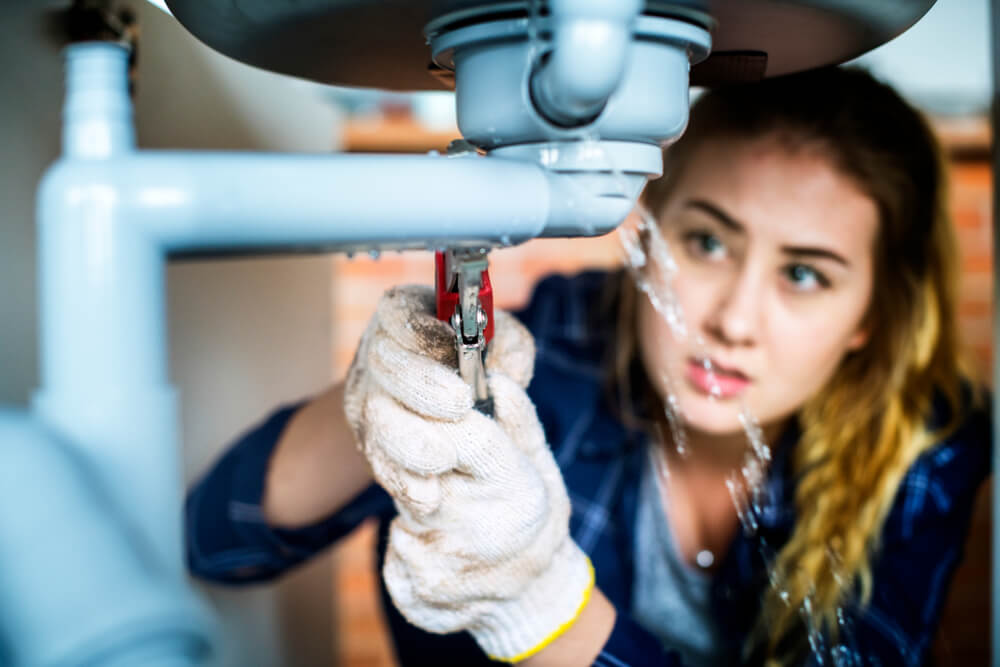
Kitchen sink hot and cold water lines, encompassing flexible supply lines, shut-off valves, and associated fittings, represent a critical yet often overlooked component of residential and commercial plumbing infrastructure. These lines deliver potable water to the faucet, enabling both hot and cold water functionality. Their technical position within the plumbing supply chain is post-distribution manifold, acting as the final conduit between centralized water heating and supply, and the point-of-use fixture. Core performance characteristics are defined by burst pressure, flow rate, temperature resistance, material compatibility with potable water, and leak-proof performance. The industry currently faces challenges in balancing cost-effectiveness with long-term durability and the growing demand for lead-free and environmentally sustainable materials. A primary pain point is the prevalence of premature failure due to material degradation, particularly in areas with high mineral content or aggressive water chemistry, leading to costly repairs and potential water damage. Addressing these concerns requires a deep understanding of material science, manufacturing processes, and applicable industry standards.
Material Science & Manufacturing
The composition of kitchen sink water lines varies, impacting performance and longevity. Common materials include: Stainless Steel: Offering corrosion resistance and high burst pressure, typically a 304 or 316 grade. Manufacturing involves extrusion and forming, followed by welding or brazing of fittings. Critical parameters include weld integrity, surface finish (to minimize scaling), and passivation treatment. Cross-Linked Polyethylene (PEX): Known for flexibility, freeze resistance, and ease of installation. Production utilizes a crosslinking process on polyethylene resins, improving thermal stability and pressure resistance. Manufacturing involves extrusion and precise diameter control. Chlorinated Polyvinyl Chloride (CPVC): Offers higher temperature resistance than PVC, suitable for hot water lines. Manufacturing involves compounding PVC resin with chlorine and subsequent extrusion. Parameters like chlorine content and annealing temperature are vital. Brass: Traditionally used for fittings, but increasingly replaced due to lead content concerns. Modern brass formulations utilize lead-free alloys. Manufacturing involves die-casting or machining. Engineered Polymers (e.g., Polypropylene): Increasingly used in flexible connectors. Requires careful selection of polymers with suitable chemical compatibility and pressure ratings. Manufacturing typically employs injection molding. A key manufacturing process is the crimping or swaging of fittings onto the hose body, ensuring a secure and leak-proof connection. Quality control emphasizes hydrostatic testing to verify burst pressure and leak tightness.
Performance & Engineering
Performance is dictated by several engineering principles. Burst Pressure Analysis: Lines must withstand hydrostatic pressure significantly exceeding typical operating pressures (typically 80-120 psi), with safety factors incorporated according to plumbing codes. Finite Element Analysis (FEA) is employed during design to model stress distribution and predict failure points. Flow Rate & Friction Loss: Internal diameter and smoothness influence flow rate; smaller diameters and rougher surfaces increase friction loss. The Hazen-Williams equation is used to calculate friction loss based on pipe material and diameter. Thermal Expansion & Contraction: PEX and other polymeric materials exhibit significant thermal expansion and contraction. Installation must accommodate this movement to prevent stress on connections. Expansion loops are often incorporated. Corrosion Resistance: Water chemistry (pH, mineral content) impacts corrosion. Stainless steel and PEX offer excellent resistance. Brass is susceptible to dezincification in certain water conditions. Compliance Requirements: Products must comply with relevant plumbing codes (e.g., UPC, IPC) and potable water safety standards. Lead-free requirements are increasingly stringent. Temperature ratings must be clearly indicated. Dielectric unions are used to prevent galvanic corrosion when connecting dissimilar metals. The selection of appropriate materials and manufacturing processes is crucial to ensure long-term reliability and prevent premature failure.
Technical Specifications
| Material | Burst Pressure (psi) | Operating Temperature (°F) | Internal Diameter (in) |
|---|---|---|---|
| Stainless Steel (304) | 400 | -40 to 300 | 0.375 |
| PEX (Cross-Linked Polyethylene) | 300 | -40 to 180 | 0.375 - 0.625 |
| CPVC (Chlorinated Polyvinyl Chloride) | 350 | -40 to 200 | 0.5 |
| Brass (Lead-Free Alloy) | 300 | -40 to 250 | 0.375 - 0.625 |
| Polypropylene | 250 | -40 to 150 | 0.375 |
| Stainless Steel Braided | 450 | -40 to 250 | 0.5 |
Failure Mode & Maintenance
Common failure modes include: Fatigue Cracking: Repeated pressure cycles can induce fatigue cracks, particularly in metallic components at connection points. Corrosion: Galvanic corrosion (between dissimilar metals) or general corrosion due to water chemistry. Delamination: In polymeric lines, delamination of layers can lead to weakening and leaks. Kinking: Sharp bends in flexible lines can restrict flow and weaken the material. Seal Failure: Degradation of rubber washers or O-rings causes leaks. Mineral Buildup: Scale accumulation can reduce internal diameter and restrict flow. Maintenance recommendations include: Regular visual inspection for leaks or corrosion. Flushing the lines to remove sediment and mineral buildup. Replacing lines periodically (every 5-10 years, depending on water quality). Ensuring proper support to prevent kinking or stress on connections. Using dielectric unions when connecting dissimilar metals. Replacing worn washers and O-rings. Water softener installation can mitigate scale buildup in areas with hard water. Promptly addressing any signs of corrosion or leaks to prevent more extensive damage.
Industry FAQ
Q: What are the key differences between PEX and Stainless Steel water lines in terms of long-term durability?
A: Stainless steel generally offers superior resistance to long-term degradation from internal corrosion and higher temperature operation. PEX is susceptible to chlorine degradation over extended periods, and its temperature limits are lower. However, PEX is less prone to fatigue cracking from pressure cycling and is more flexible, simplifying installation. The choice depends heavily on water chemistry and expected service life.
Q: How does water hardness affect the lifespan of kitchen sink water lines?
A: High water hardness leads to mineral scale buildup (calcium and magnesium deposits) within the lines, reducing flow rate and potentially causing blockages. Scale can also promote corrosion in certain materials. PEX is particularly susceptible to scale buildup. Water softening is recommended in hard water areas to extend lifespan.
Q: Are all brass fittings now lead-free? What standards apply?
A: Modern brass fittings intended for potable water applications are required to be lead-free, typically containing less than 0.25% lead by weight. Relevant standards include NSF/ANSI 61 and NSF/ANSI 372. However, older brass fittings may contain lead, necessitating replacement.
Q: What is the importance of burst pressure rating, and how is it determined?
A: Burst pressure rating indicates the maximum pressure a line can withstand before failure. It’s a critical safety parameter. It’s determined through hydrostatic testing, where the line is pressurized with water until it ruptures. A safety factor (typically 2-4x) is applied to the tested burst pressure to establish the working pressure limit.
Q: What role do dielectric unions play in preventing failures, and where should they be used?
A: Dielectric unions prevent galvanic corrosion, which occurs when dissimilar metals (e.g., copper pipes and brass fittings) are in contact in the presence of an electrolyte (water). They isolate the metals electrically. They should be used wherever copper pipes connect to fittings made of dissimilar metals.
Conclusion
Kitchen sink hot and cold water lines are deceptively complex components requiring careful material selection, precise manufacturing, and adherence to stringent industry standards. The optimal choice of material hinges on a detailed evaluation of water chemistry, operating temperature, pressure requirements, and anticipated service life. Addressing the challenges of corrosion, scale buildup, and regulatory compliance is paramount to ensuring long-term reliability and preventing costly failures.
Looking ahead, the industry will continue to prioritize lead-free materials, explore innovative polymer formulations with enhanced durability, and adopt advanced manufacturing techniques to improve connection integrity. Increased focus on preventative maintenance, coupled with the implementation of smart plumbing systems for leak detection, will further contribute to the longevity and safety of these critical plumbing components.
-
DN25 HDPE Compression Fitting-HORON INTERNATIONAL|Reliable Irrigation Solutions
NewsFeb.11,2026
-
discount ppr pipe for chilled water system Performance Analysis
News2026-06-28
-
discount ppr plumbing pipe Performance Analysis
News2026-06-28
-
discount yellow pvc pipe Technical Analysis
News2026-06-28
-
discount pvc down pipe Performance Analysis
News2026-06-28
-
discount ppr pipes Performance Analysis
News2026-06-28
-
discount hdpe pipe coupling Performance Analysis
News2026-06-27
-
discount kitchen sink water lines Performance Analysis
News2026-06-27
-
discount dn25 hdpe Performance Analysis
News2026-06-27
-
discount hdpe sprinkler coupler Performance Analysis
News2026-06-27
-
discount black pvc pipe for sale Performance Analysis
News2026-06-27
-
discount 40mm pvc pipe Performance Analysis
News2026-06-26
-
discount hdpe to pvc connection Performance Analysis
News2026-06-26
-
discount ppr pipe 1 price Technical Analysis
News2026-06-26
-
discount colored pvc pipe Material Science and Manufacturing
News2026-06-26
-
discount hdpe pipe price list pdf Performance and Engineering
News2026-06-26