

Feb . 11, 2026 00:01 Back to list
kitchen sink hot cold water lines Product Performance Analysis
Introduction
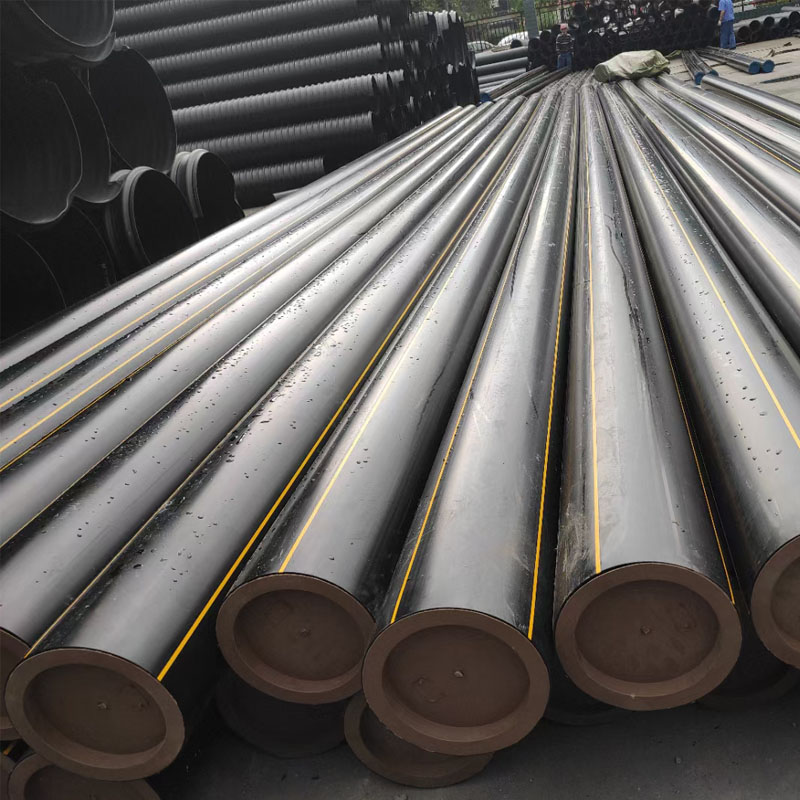
Kitchen sink hot and cold water lines constitute a critical component of residential and commercial plumbing systems. These lines, typically constructed from flexible tubing or rigid piping, deliver potable hot and cold water to faucets and associated appliances. Their primary function is efficient and safe water delivery, while maintaining pressure and temperature requirements. The industry chain encompasses raw material suppliers (e.g., stainless steel, PEX, PVC), component manufacturers (fittings, connectors), assembly plants, and distribution networks. Core performance characteristics center on burst pressure, temperature resistance, material compatibility with potable water, and adherence to stringent lead-free regulations. A significant pain point in this industry is ensuring long-term reliability and preventing leaks, which can lead to water damage and mold growth. Furthermore, compliance with evolving environmental standards regarding material composition and manufacturing processes remains a constant challenge.
Material Science & Manufacturing
The materials utilized in kitchen sink water lines significantly impact performance and longevity. Common materials include: 304/316 Stainless Steel – offering excellent corrosion resistance, high tensile strength, and temperature stability. The manufacturing process typically involves extrusion and welding. Parameter control focuses on weld integrity (penetration, porosity), surface finish (to minimize crevices for bacterial growth), and dimensional accuracy. Cross-linked Polyethylene (PEX) – A flexible plastic known for its resistance to freezing and cracking. PEX is manufactured through a cross-linking process that enhances its durability and thermal memory. Precise control of cross-linking degree is crucial to achieve optimal performance. Polyvinyl Chloride (PVC) - A rigid plastic commonly used for drain lines and, in some instances, cold water supply. PVC is produced via polymerization of vinyl chloride monomer. Control parameters include resin molecular weight, plasticizer content, and extrusion temperature. The manufacturing process for flexible lines often involves crimping or swaging fittings onto the tubing. Critical parameters include fitting material compatibility (brass, stainless steel), crimp force consistency, and leak testing. Quality control procedures include hydrostatic testing (to verify burst pressure), tensile strength testing, and material composition analysis. Failure to maintain tight control over these parameters can lead to premature failure and warranty claims.
Performance & Engineering
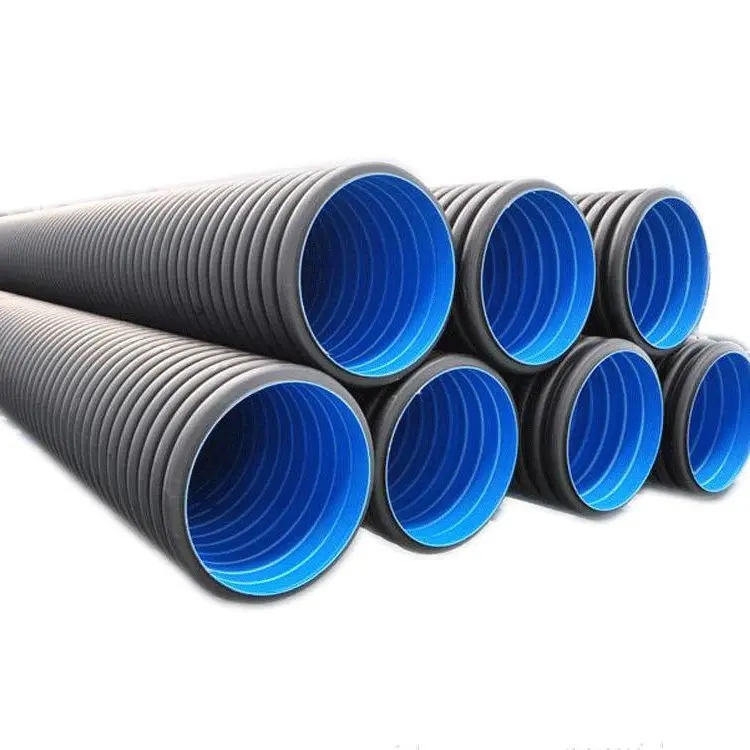
The performance of kitchen sink water lines is governed by principles of fluid mechanics and materials science. Burst pressure is a critical engineering parameter, determined by the material's tensile strength and the line's diameter and wall thickness. Finite Element Analysis (FEA) is commonly used to simulate stress distribution under various pressure loads and identify potential failure points. Temperature resistance is equally important, especially for hot water lines. Materials must withstand prolonged exposure to elevated temperatures without degradation or loss of mechanical properties. Cyclic thermal stress (repeated heating and cooling) can induce fatigue cracking over time. Water hammer, a pressure surge caused by sudden valve closure, is a common source of stress on water lines. Surge arrestors or properly sized lines can mitigate this effect. Material compatibility with potable water is paramount to prevent leaching of harmful substances. Regulations such as NSF/ANSI 61 establish acceptable levels of lead and other contaminants. Corrosion resistance is crucial for long-term durability. Galvanic corrosion can occur when dissimilar metals are in contact in the presence of an electrolyte (water). Proper material selection and the use of dielectric unions can prevent this. Installation practices also play a vital role. Lines must be adequately supported to prevent sagging and stress concentration. Avoiding sharp bends and kinks is essential to maintain flow rates and prevent damage.
Technical Specifications
| Parameter | Stainless Steel Braided Hose | PEX Tubing with Crimp Fittings | Chlorinated Polyvinyl Chloride (CPVC) |
|---|---|---|---|
| Maximum Operating Pressure (PSI) | 800 | 400 | 400 |
| Maximum Operating Temperature (°F) | 250 | 200 | 180 |
| Minimum Burst Pressure (PSI) | 2400 | 1200 | 1200 |
| Material Composition | 304 Stainless Steel Braid, EPDM Rubber Inner Tube | Cross-linked Polyethylene (PEX), Brass Fittings | Chlorinated Polyvinyl Chloride (CPVC), PVC Fittings |
| Outer Diameter (inches) | 0.625 | 0.625 | 0.840 |
| Wall Thickness (inches) | 0.045 | 0.062 | 0.100 |
Failure Mode & Maintenance
Common failure modes in kitchen sink water lines include: Leakage at Fittings – Often caused by improper crimping, thread sealant failure, or corrosion of fitting materials. Maintenance involves tightening fittings, replacing thread sealant, or replacing damaged fittings. Bursting – Typically results from exceeding the maximum operating pressure, material defects, or corrosion. Requires complete line replacement. Fatigue Cracking – Occurs in flexible lines due to repeated bending and flexing. Inspection for cracks and proactive replacement are crucial. Corrosion – Can lead to pinhole leaks or complete line failure. Corrosion is often accelerated by aggressive water chemistry (low pH, high chloride content). Regular inspection and replacement of corroded lines are necessary. Kinking – Reduces flow rate and can eventually lead to line rupture. Proper line support and avoiding sharp bends prevent kinking. Delamination (PEX) – Separation of layers within the PEX tubing. Indicates material degradation and requires replacement. Preventative maintenance includes periodic visual inspection for leaks, corrosion, or damage. Water quality testing can identify aggressive water chemistry that accelerates corrosion. Flushing the lines periodically can remove sediment buildup. Following manufacturer's recommended installation and maintenance guidelines is essential.
Industry FAQ
Q: What is the difference between PEX and CPVC for hot water lines?
A: PEX offers greater flexibility and resistance to freezing, making it easier to install in tight spaces and less prone to bursting in cold temperatures. CPVC, however, has a higher temperature rating and is generally more resistant to chlorine degradation, making it potentially longer-lasting in areas with chlorinated water supplies, although its rigidity can pose installation challenges.
Q: How do I prevent corrosion in stainless steel water lines?
A: Avoid direct contact between stainless steel and dissimilar metals (like copper or galvanized steel) as this can induce galvanic corrosion. Use dielectric unions to isolate the materials. Maintain neutral water pH and control chloride levels to minimize corrosion rates. Regularly inspect for signs of corrosion.
Q: What is the significance of NSF/ANSI 61 certification?
A: NSF/ANSI 61 certification ensures that the water line materials meet stringent requirements for the leaching of harmful contaminants into potable water. It demonstrates that the materials are safe for drinking water applications and comply with public health standards.
Q: What causes water hammer, and how can it be prevented?
A: Water hammer is caused by the sudden stopping of water flow, creating a pressure surge. It can be prevented by using slow-closing valves, installing water hammer arrestors, and properly sizing water lines to reduce flow velocity.
Q: What is the proper way to crimp PEX fittings?
A: Proper crimping requires using the correct size crimp ring and crimp tool specified by the fitting manufacturer. The crimp must be centered on the fitting and create a tight, secure seal. Improper crimping can lead to leaks and premature failure.
Conclusion
Kitchen sink hot and cold water lines are a critical, often-overlooked, component of any plumbing system. The selection of appropriate materials – stainless steel, PEX, or CPVC – hinges on a careful evaluation of operating pressure, temperature requirements, water quality, and installation constraints. Understanding the potential failure modes, from leakage at fittings to corrosion and fatigue cracking, is paramount for ensuring long-term reliability and preventing costly water damage.
Proactive maintenance, including regular visual inspection, water quality testing, and adherence to manufacturer guidelines, are essential for extending the lifespan of these lines. Continued advancements in material science and manufacturing techniques will likely lead to the development of more durable, corrosion-resistant, and environmentally friendly water line solutions in the future. Prioritizing quality and proper installation practices remains the most effective strategy for mitigating risks and maintaining a safe and efficient plumbing system.
-
DN25 HDPE Compression Fitting-HORON INTERNATIONAL|Reliable Irrigation Solutions
NewsFeb.11,2026
-
discount ppr pipe for chilled water system Performance Analysis
News2026-06-28
-
discount ppr plumbing pipe Performance Analysis
News2026-06-28
-
discount yellow pvc pipe Technical Analysis
News2026-06-28
-
discount pvc down pipe Performance Analysis
News2026-06-28
-
discount ppr pipes Performance Analysis
News2026-06-28
-
discount hdpe pipe coupling Performance Analysis
News2026-06-27
-
discount kitchen sink water lines Performance Analysis
News2026-06-27
-
discount dn25 hdpe Performance Analysis
News2026-06-27
-
discount hdpe sprinkler coupler Performance Analysis
News2026-06-27
-
discount black pvc pipe for sale Performance Analysis
News2026-06-27
-
discount 40mm pvc pipe Performance Analysis
News2026-06-26
-
discount hdpe to pvc connection Performance Analysis
News2026-06-26
-
discount ppr pipe 1 price Technical Analysis
News2026-06-26
-
discount colored pvc pipe Material Science and Manufacturing
News2026-06-26
-
discount hdpe pipe price list pdf Performance and Engineering
News2026-06-26