

Feb . 11, 2026 00:01 Back to list
irrigation hdpe pipe products Performance Analysis
Introduction
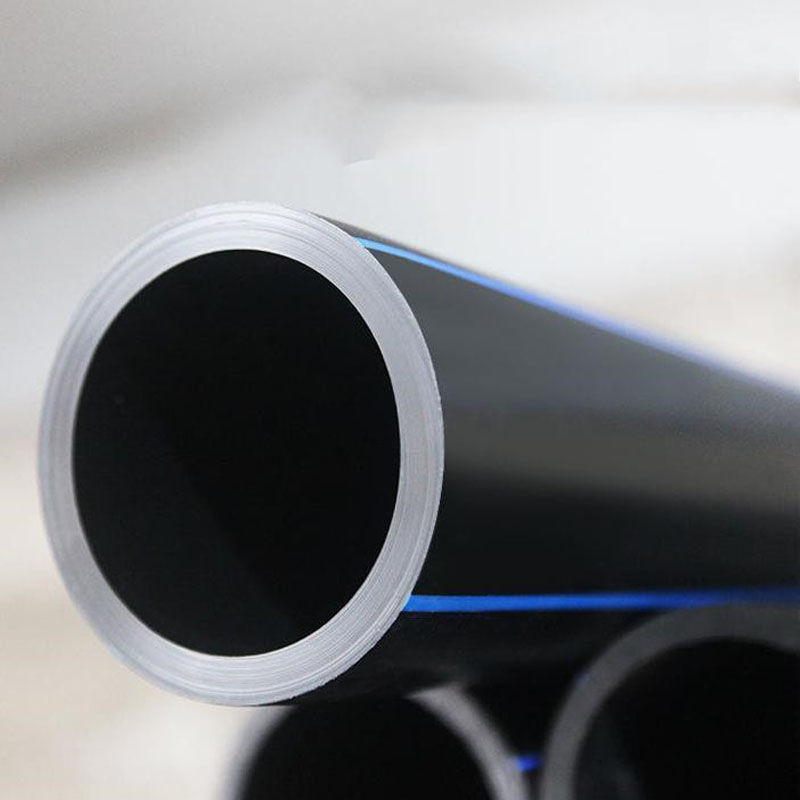
High-Density Polyethylene (HDPE) pipe is a thermoplastic pipe commonly utilized in irrigation systems, water mains, and various fluid transport applications. Within the agricultural and civil engineering sectors, it occupies a critical position due to its durability, cost-effectiveness, and resistance to chemical degradation. HDPE irrigation pipe offers a flexible and reliable alternative to traditional materials like PVC, ductile iron, and steel. Core performance characteristics include pressure-bearing capacity, flow rate efficiency, and long-term operational reliability under diverse environmental conditions. Its lightweight nature simplifies installation, reducing labor costs and project timelines. This guide provides an in-depth analysis of HDPE irrigation pipe, covering material science, manufacturing processes, performance engineering, failure modes, and relevant industry standards.
Material Science & Manufacturing
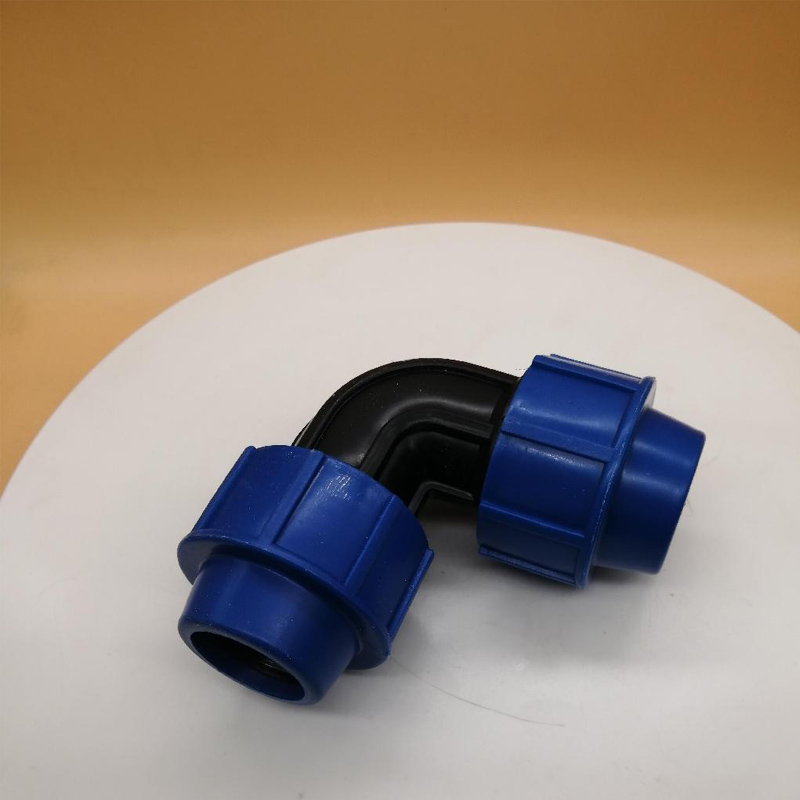
HDPE irrigation pipe is manufactured from high-density polyethylene, a petroleum-based thermoplastic polymer. The raw material’s key properties influencing pipe performance include molecular weight distribution, density (typically ranging from 0.93 to 0.97 g/cm³), and melt flow index. Higher density contributes to increased tensile strength and rigidity. Manufacturing typically involves extrusion processes. Raw HDPE pellets are fed into an extruder, where they are heated and melted. The molten polymer is then forced through a die, forming a continuous pipe. Key parameters controlled during extrusion include temperature profiles (barrel, die, and melt temperature), screw speed, and haul-off speed. Proper temperature control is critical to prevent thermal degradation of the polymer, which can compromise mechanical properties. Butt fusion, electrofusion, and socket fusion are common joining methods. Butt fusion involves heating the pipe ends and pressing them together, creating a homogenous weld. Electrofusion uses electrical resistance heating to melt and fuse the pipe and fitting. Socket fusion relies on a heating tool to soften both the pipe and fitting socket for a mechanical connection. Cooling rates are also meticulously controlled to minimize residual stress in the finished product. The addition of carbon black provides UV resistance, extending the pipe’s lifespan when exposed to sunlight. Stabilizers are also added to inhibit oxidative degradation.
Performance & Engineering
The performance of HDPE irrigation pipe is significantly influenced by hydrostatic pressure, temperature, and soil loading. Force analysis considers hoop stress (circumferential stress) and longitudinal stress due to internal pressure and external loads. The Barlow formula is frequently used to calculate hoop stress: σ = (P D) / (2 t), where σ is hoop stress, P is internal pressure, D is pipe diameter, and t is pipe wall thickness. Environmental resistance is a key performance indicator. HDPE exhibits excellent resistance to most chemicals encountered in agricultural applications, including fertilizers, pesticides, and soil additives. However, prolonged exposure to strong oxidizing agents should be avoided. Compliance requirements vary depending on the application and geographic location. For potable water systems, HDPE pipes must meet NSF/ANSI Standard 61 for health effects. For irrigation, standards such as ASTM D1785 and ASTM F441 specify minimum performance requirements. The pipe’s flexibility allows for installation in challenging terrains and minimizes the need for expansion joints. Soil loading must be considered during installation to prevent pipe deformation or failure. Proper bedding and backfill materials are essential to distribute the load evenly. Creep, the tendency of a material to deform slowly under sustained stress, is a potential long-term performance concern. Higher quality HDPE grades and appropriate wall thicknesses mitigate creep effects.
Technical Specifications
| Parameter | Unit | Typical Value (DN63, SDR17) | Test Standard |
|---|---|---|---|
| Nominal Diameter | mm | 63 | ISO 4427 |
| Standard Dimension Ratio (SDR) | - | 17 | ASTM D2412 |
| Wall Thickness | mm | 3.7 | Calculated based on SDR |
| Burst Pressure | MPa | 17.2 | ISO 1167 |
| Hydrostatic Design Stress (HDS) | MPa | 8.6 | ASTM D2837 |
| Tensile Strength | MPa | >20 | ASTM D638 |
Failure Mode & Maintenance
Common failure modes in HDPE irrigation pipes include slow crack growth (SCG), particularly in areas of stress concentration. SCG is often initiated by surface defects or imperfections and exacerbated by sustained tensile stress and exposure to certain chemicals. Fatigue cracking can occur due to cyclic pressure fluctuations and ground movement. Delamination can result from improper fusion welding or contamination during the joining process. Oxidative degradation, caused by long-term exposure to UV radiation and oxygen, can embrittle the pipe material, reducing its impact resistance. Maintenance involves regular visual inspections for cracks, leaks, and signs of deformation. Pressure testing should be conducted periodically to verify the integrity of the system. Proper burial depth and adequate backfill protection are crucial to prevent mechanical damage. If SCG is detected, the affected section of pipe should be replaced immediately. For joint failures, re-fusion or replacement is recommended. Prevention of damage during installation and operation is the most effective maintenance strategy. Regular flushing of the pipe system can remove sediment and debris, preventing blockages and reducing internal pressure.
Industry FAQ
Q: What is the impact of temperature on the long-term performance of HDPE irrigation pipe?
A: Elevated temperatures can reduce the hydrostatic design stress (HDS) of HDPE pipe, potentially leading to premature failure. The HDS decreases with increasing temperature, as defined by industry standards like ISO 4427. Furthermore, sustained high temperatures can accelerate creep deformation. Conversely, extremely low temperatures can make the pipe more brittle.
Q: How does the pipe's wall thickness affect its pressure-bearing capacity?
A: The wall thickness is directly proportional to the pipe's pressure-bearing capacity. A thicker wall provides greater resistance to hoop stress and burst pressure. However, increasing the wall thickness also increases the cost of the pipe and can reduce flow capacity. Selecting the appropriate wall thickness is a trade-off between cost, pressure requirements, and flow rate.
Q: What are the best practices for joining HDPE pipe to ensure a leak-proof connection?
A: Proper surface preparation is paramount. Pipe ends must be clean, dry, and free of contaminants. Follow the manufacturer's recommendations for heating times and pressures during butt fusion or electrofusion. Ensure the fusion equipment is properly calibrated and maintained. For socket fusion, use the correct size heating tool and ensure the pipe and fitting are adequately heated before joining. Post-fusion inspection is also crucial.
Q: Can HDPE pipe be used in areas with high soil corrosivity?
A: HDPE itself is inherently corrosion-resistant, unlike metallic pipes. However, highly corrosive soils can potentially affect the surrounding backfill material and contribute to stress corrosion cracking if the pipe is subjected to excessive tensile stress. Proper bedding and backfill materials, along with adequate cathodic protection (if necessary), can mitigate this risk.
Q: What is the typical lifespan of a properly installed and maintained HDPE irrigation pipe system?
A: A properly installed and maintained HDPE irrigation pipe system can have a lifespan of 50 years or more. Factors influencing lifespan include UV exposure, soil conditions, water quality, operating pressure, and adherence to recommended maintenance practices. Regular inspections and prompt repairs can significantly extend the system's service life.
Conclusion
HDPE irrigation pipe represents a robust and reliable solution for modern irrigation systems. Its inherent material properties, coupled with established manufacturing and joining techniques, offer significant advantages over traditional piping materials. Understanding the critical performance parameters—pressure rating, environmental resistance, and long-term durability—is essential for selecting the appropriate pipe grade and dimensions for specific applications.
Looking ahead, continued advancements in HDPE formulation and extrusion technology will further enhance pipe performance and sustainability. Focusing on preventative maintenance, proper installation practices, and adherence to relevant industry standards will maximize the lifespan and efficiency of HDPE irrigation systems, contributing to water conservation and agricultural productivity.
-
DN25 HDPE Compression Fitting-HORON INTERNATIONAL|Reliable Irrigation Solutions
NewsFeb.11,2026
-
hdpe coupling joint product Manufacturing Analysis
News2026-11-18
-
ppr pipe heating time products Performance Analysis
News2026-11-16
-
hdpe pipe sizes factory Performance Analysis
News2026-11-09
-
HDPE Pipe Sizes Service Performance Analysis
News2026-10-26
-
wholesale 15mm ppr pipe Material Science and Performance Analysis
News2026-10-20
-
wholesale pvc pipe price per foot Technical Analysis
News2026-09-21
-
wholesale long pvc pipe Technical Analysis and Manufacturing Specifications
News2026-09-15
-
wholesale plumbing kitchen sink water lines Material Performance
News2026-09-15
-
wholesale hdpe drip irrigation Material Science
News2026-09-15
-
wholesale hot water ppr pipe Performance Analysis
News2026-09-15
-
wholesale ppr plumbing Performance Analysis
News2026-09-15
-
wholesale ppr pipe supplier Performance Analysis
News2026-09-13
-
wholesale 50mm ppr pipe Performance Analysis
News2026-09-13
-
wholesale hdpe drip pipe Performance Analysis
News2026-09-13
-
wholesale hdpe pipe 63mm price Manufacturing Specification and Performance Analysis
News2026-09-13