

Feb . 11, 2026 00:01 Back to list
irrigation hdpe pipe product Performance Analysis
Introduction
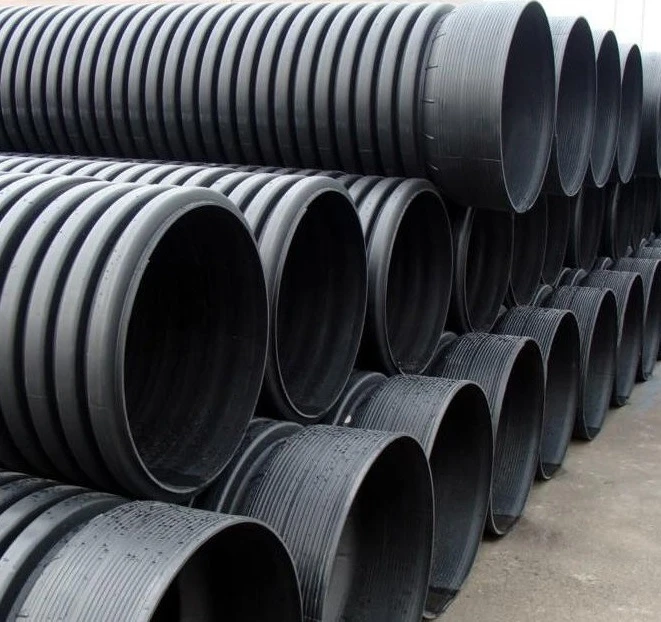
High-Density Polyethylene (HDPE) pipe for irrigation constitutes a critical component in modern agricultural water management. Positioned within the water conveyance infrastructure, it follows raw water sources (wells, reservoirs, surface water) and precedes irrigation delivery systems (sprinklers, drip lines). HDPE pipe’s primary function is the efficient and reliable transport of water to agricultural fields, minimizing losses due to leakage, evaporation, and degradation. Its core performance characteristics revolve around pressure containment, flow capacity, chemical resistance to fertilizers and agricultural chemicals, and long-term durability in subsurface environments. The selection of appropriate HDPE pipe specifications (pressure rating, diameter, wall thickness) is paramount to optimize irrigation system efficiency and minimize operational costs. This guide provides an in-depth technical examination of HDPE irrigation pipe, covering material properties, manufacturing processes, performance parameters, failure modes, and relevant industry standards.
Material Science & Manufacturing
HDPE irrigation pipe is manufactured from high-density polyethylene, a thermoplastic polymer derived from the polymerization of ethylene. The polyethylene resin exhibits a high degree of linear crystallinity, contributing to its strength, rigidity, and resistance to chemical attack. Key raw material properties include density (typically 0.941 – 0.965 g/cm³), molecular weight distribution, and melt flow index (MFI), which dictate processability. Manufacturing typically utilizes extrusion processes. The process involves melting the HDPE resin, forcing it through a die to create the desired pipe diameter and wall thickness, and subsequently cooling the extruded material. Critical parameters during extrusion include die temperature, extrusion pressure, puller speed, and cooling water temperature. These parameters directly influence the pipe’s dimensional accuracy, wall thickness uniformity, and overall mechanical properties. Further, bimodal HDPE resins are often employed, offering enhanced stress crack resistance. The addition of carbon black (typically 2-4%) provides UV protection, preventing degradation from sunlight exposure during installation and operation. Pipe dimensions are governed by standards like ASTM D3350, which defines diameter, schedule number (relating to pressure rating), and wall thickness. Post-extrusion quality control checks include hydrostatic pressure testing to verify burst pressure and dimensional inspections to confirm adherence to specifications.
Performance & Engineering
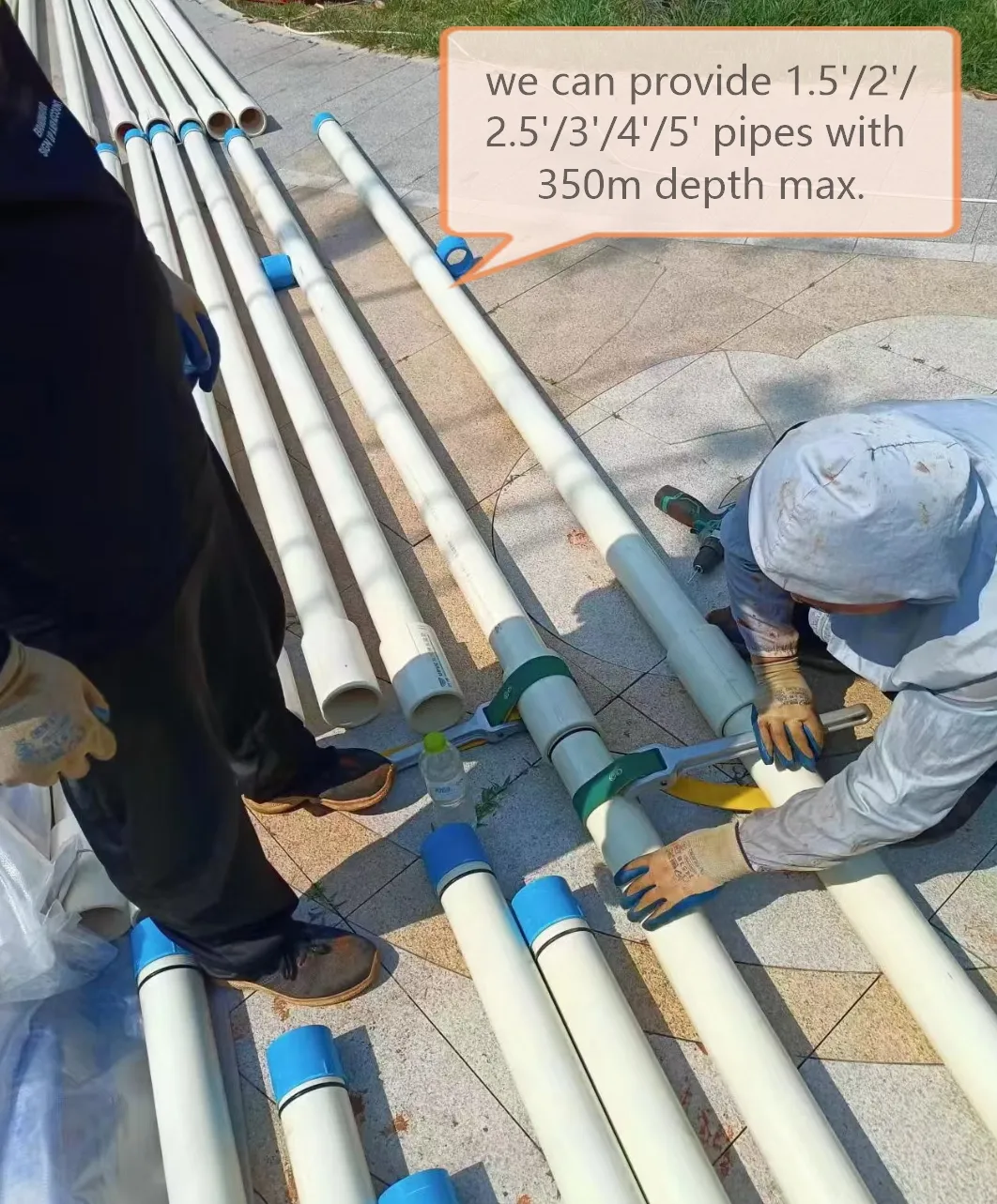
The performance of HDPE irrigation pipe is critically dependent on its ability to withstand internal hydrostatic pressure, external loads from soil cover, and environmental stresses. Hydrostatic design basis (HDB) calculations, based on ASTM D3350, determine the allowable sustained pressure considering factors like temperature, pipe diameter, and safety factors. External load resistance is evaluated using finite element analysis (FEA) to model soil loading conditions and predict pipe deformation and stress. Long-term creep resistance is a key consideration, particularly in pressurized systems. HDPE exhibits time-dependent deformation under sustained stress; therefore, design must account for creep rupture potential over the pipe's intended service life. Chemical resistance is also paramount. Irrigation water often contains fertilizers, herbicides, and pesticides, which can induce stress cracking or degradation of the HDPE material. The compatibility of HDPE with commonly used agricultural chemicals must be verified. Furthermore, joining methods (butt fusion, socket fusion, electrofusion) significantly impact system performance. Improperly fused joints are prone to failure, leading to leakage and system downtime. The strength of the joint must be equivalent to or greater than the pipe itself. Corrosion resistance is a significant advantage of HDPE over metallic piping systems, eliminating the need for costly corrosion protection measures. HDPE’s flexibility allows for installation in challenging terrain and minimizes the need for expansion joints.
Technical Specifications
| Parameter | Unit | Typical Value (DN 63mm, SDR 17) | Test Standard |
|---|---|---|---|
| Nominal Pipe Diameter | mm | 63 | ISO 4427 |
| Standard Dimension Ratio (SDR) | - | 17 | ASTM D3350 |
| Pipe Wall Thickness | mm | 3.7 | ASTM F477 |
| Hydrostatic Design Pressure (HDP) | MPa | 1.0 | ASTM D3350 |
| Burst Pressure | MPa | 2.5 | ASTM D1597 |
| Tensile Strength | MPa | >25 | ASTM D638 |
| Carbon Black Content | % | 2.0-4.0 | ASTM D1603 |
Failure Mode & Maintenance
HDPE irrigation pipe can experience several failure modes in service. Slow Crack Growth (SCG) is a common issue, initiated by sustained tensile stress and exacerbated by exposure to aggressive chemicals or environmental factors. SCG manifests as brittle cracking perpendicular to the stress direction. Another failure mode is Rapid Crack Propagation (RCP), triggered by a sharp flaw or pre-existing defect. RCP results in catastrophic failure, propagating rapidly along the pipe length. Joint failure is also frequent, often stemming from inadequate fusion parameters or contamination during the fusion process. UV degradation, despite the presence of carbon black, can occur with prolonged exposure to sunlight, leading to embrittlement and reduced mechanical properties. Soil settlement or uneven loading can cause excessive bending stress, leading to pipe cracking or deformation. Maintenance typically involves regular visual inspections to identify signs of cracking, deformation, or leakage. Hydrostatic testing can be employed to assess the integrity of the system. Repair options include mechanical couplings, heat fusion repairs (for minor cracks), or pipe replacement. Preventive maintenance includes ensuring proper soil cover to protect the pipe from UV exposure and mechanical damage, avoiding the use of incompatible chemicals, and implementing a robust quality control program during installation to ensure proper fusion procedures are followed. Periodic flushing of the system can prevent buildup of sediment and debris that can contribute to blockages and increased pressure.
Industry FAQ
Q: What is the impact of water hammer on HDPE irrigation pipe, and how can it be mitigated?
A: Water hammer, caused by sudden changes in flow velocity, generates pressure surges that can exceed the pipe’s hydrostatic design pressure, leading to cracking or joint failure. Mitigation strategies include the installation of air release valves at high points in the system, surge relief valves to dissipate excess pressure, and slow-closing valves to minimize flow velocity changes. Proper pipe anchoring is also crucial to prevent movement and stress concentration during pressure surges.
Q: What is the expected service life of HDPE irrigation pipe under typical agricultural conditions?
A: The expected service life of HDPE irrigation pipe typically ranges from 20 to 50 years, depending on operating pressure, temperature, soil conditions, and the quality of installation. Properly installed and maintained HDPE pipe can exceed this lifespan. Regular inspections and preventive maintenance are crucial for maximizing service life.
Q: What are the advantages of butt fusion versus socket fusion for joining HDPE pipes?
A: Butt fusion generally provides a stronger, more reliable joint compared to socket fusion, especially for larger diameter pipes. Butt fusion creates a homogeneous weld, eliminating the stress concentrations inherent in socket fusion joints. However, butt fusion requires specialized equipment and trained operators. Socket fusion is suitable for smaller diameter pipes and simpler installations.
Q: How does temperature affect the performance of HDPE irrigation pipe?
A: Elevated temperatures reduce the pipe’s pressure rating and creep resistance. Conversely, low temperatures can increase brittleness. Design must account for the expected operating temperature range. Hydrostatic design basis calculations should be adjusted for temperature variations. HDPE pipe is generally suitable for temperatures between 0°C and 60°C.
Q: What are the considerations for installing HDPE pipe in sandy or rocky soils?
A: In sandy soils, adequate bedding and backfill are essential to prevent pipe movement and stress concentration. In rocky soils, excavation should be carefully performed to avoid damaging the pipe. Protective layers (sand bedding, geotextiles) should be used to cushion the pipe and prevent abrasion from rocks. Pipe anchoring may be required to prevent uplift or lateral movement.
Conclusion
HDPE irrigation pipe represents a robust and reliable solution for agricultural water conveyance. Its inherent advantages – corrosion resistance, flexibility, lightweight construction, and ease of installation – make it a preferred choice over traditional materials like steel or concrete. Understanding the material science underpinning HDPE, the nuances of the extrusion manufacturing process, and the critical performance parameters is essential for optimizing system design and ensuring long-term operational integrity.
Effective mitigation of potential failure modes, through appropriate installation practices, regular maintenance, and careful chemical compatibility assessments, will maximize the service life and economic benefits of HDPE irrigation systems. Continued advancements in HDPE resin technology and fusion techniques promise to further enhance the performance and durability of these vital components of modern agriculture.
-
DN25 HDPE Compression Fitting-HORON INTERNATIONAL|Reliable Irrigation Solutions
NewsFeb.11,2026
-
hdpe coupling joint product Manufacturing Analysis
News2026-11-18
-
ppr pipe heating time products Performance Analysis
News2026-11-16
-
hdpe pipe sizes factory Performance Analysis
News2026-11-09
-
HDPE Pipe Sizes Service Performance Analysis
News2026-10-26
-
wholesale 15mm ppr pipe Material Science and Performance Analysis
News2026-10-20
-
wholesale pvc pipe price per foot Technical Analysis
News2026-09-21
-
wholesale long pvc pipe Technical Analysis and Manufacturing Specifications
News2026-09-15
-
wholesale plumbing kitchen sink water lines Material Performance
News2026-09-15
-
wholesale hdpe drip irrigation Material Science
News2026-09-15
-
wholesale hot water ppr pipe Performance Analysis
News2026-09-15
-
wholesale ppr plumbing Performance Analysis
News2026-09-15
-
wholesale ppr pipe supplier Performance Analysis
News2026-09-13
-
wholesale 50mm ppr pipe Performance Analysis
News2026-09-13
-
wholesale hdpe drip pipe Performance Analysis
News2026-09-13
-
wholesale hdpe pipe 63mm price Manufacturing Specification and Performance Analysis
News2026-09-13