

Feb . 11, 2026 00:01 Back to list
irrigation hdpe pipe factory Performance Analysis
Introduction
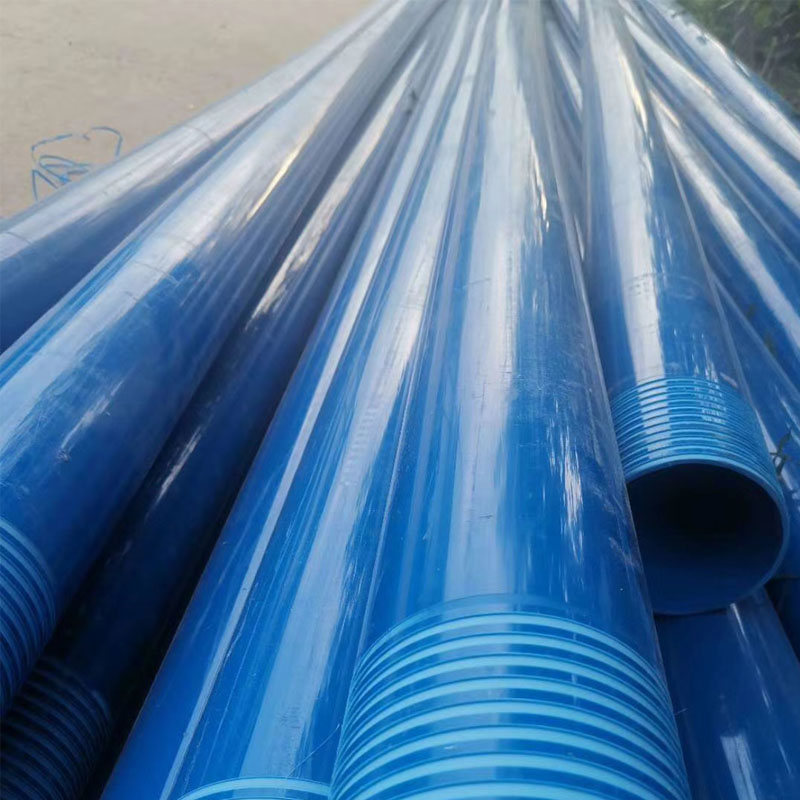
High-Density Polyethylene (HDPE) pipe for irrigation systems represents a critical component in modern agricultural infrastructure. Positioned within the fluid conveyance segment of the agricultural supply chain, these pipes deliver water and nutrient solutions directly to plant roots, optimizing resource utilization and enhancing crop yields. HDPE irrigation pipes offer a robust alternative to traditional materials like PVC, galvanized steel, and concrete, primarily due to their corrosion resistance, flexibility, and longevity. Core performance characteristics include pressure rating, flow capacity, UV resistance, and resistance to chemical degradation from fertilizers and pesticides. The demand for these pipes is driven by the global need for efficient irrigation solutions, particularly in regions facing water scarcity and a growing population. A major pain point for end-users revolves around ensuring consistent wall thickness and material purity to prevent premature failure and system downtime, alongside understanding long-term degradation characteristics under specific environmental conditions.
Material Science & Manufacturing
HDPE irrigation pipes are manufactured from polyethylene resin, typically grades conforming to PE100 or PE80 classifications. PE100 offers superior mechanical properties and resistance to slow crack growth compared to PE80. Raw material properties impacting pipe performance include molecular weight distribution, density, and melt flow index. These dictate the ultimate tensile strength, ductile-brittle transition temperature, and processability. Manufacturing predominantly utilizes extrusion processes. Virgin HDPE resin is fed into an extruder where it’s heated and plasticized before being forced through a die to form a continuous pipe. Key parameters controlled during extrusion include barrel temperature profiles (typically ranging from 180°C to 240°C depending on the PE grade), die pressure, haul-off speed (influencing wall thickness and diameter), and cooling rates (critical for crystallization and dimensional stability). Butt fusion, electrofusion, and mechanical fittings are used to join pipe sections. Proper joint preparation and adherence to manufacturer’s specifications are paramount to maintaining the integrity of the system. Chemical compatibility with common agricultural inputs, such as sulfuric acid, nitric acid, and various pesticides, is verified through immersion testing to prevent swelling, cracking or leaching of potentially harmful substances.
Performance & Engineering
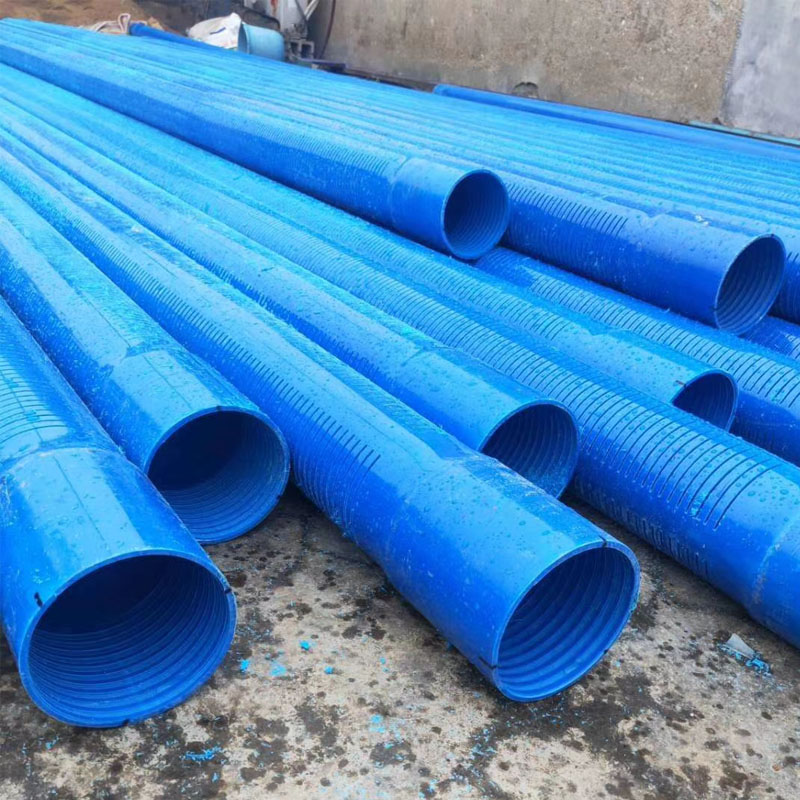
The performance of HDPE irrigation pipes is largely governed by hydraulic principles and material mechanics. Darcy-Weisbach equation and Hazen-Williams formula are used to calculate head loss and flow rate based on pipe diameter, length, flow velocity, and roughness coefficient. Engineering design must account for hydrostatic pressure, surge pressures (water hammer), and soil loading. The pipe’s ability to withstand these stresses is determined by its pressure rating (PN - nominal pressure), typically ranging from PN6 to PN16 for irrigation applications. Finite element analysis (FEA) is employed to model stress distribution under various loading conditions, ensuring structural integrity. UV resistance is achieved through the incorporation of carbon black additives in the HDPE compound; however, prolonged exposure to sunlight can still lead to embrittlement and cracking. Therefore, pipes are often buried or coated with UV-stabilizing compounds. Compliance requirements include adherence to NSF/ANSI 61 standards for drinking water systems (where applicable), ensuring the pipe doesn't leach harmful contaminants into the water supply. Fatigue analysis is crucial for assessing the long-term durability of pipes subjected to cyclical pressure fluctuations and ground movement. Furthermore, understanding the creep behavior of HDPE under sustained pressure is vital for predicting long-term performance.
Technical Specifications
| Parameter | PE80 (Typical) | PE100 (Typical) | Units |
|---|---|---|---|
| Hydrostatic Pressure Rating (PN) | 6-12.5 | 10-16 | bar |
| Density | 0.953 | 0.960 | g/cm³ |
| Melt Flow Index (MFI) | 0.3 - 0.8 | 0.5 - 1.5 | g/10min |
| Tensile Strength (at yield) | 3.5 - 4.5 | 4.5 - 6.0 | MPa |
| Elongation at Break | 300 - 500 | 400 - 600 | % |
| Service Temperature Range | -40 to +60 | -40 to +80 | °C |
Failure Mode & Maintenance
Common failure modes in HDPE irrigation pipes include slow crack growth (SCG), caused by sustained tensile stress and exposure to aggressive chemicals; brittle fracture, particularly in cold temperatures or due to impact damage; UV degradation leading to surface cracking and loss of mechanical properties; and joint failures due to improper fusion or inadequate preparation. SCG is often initiated at stress concentrators like scratches or gouges. Failure analysis typically involves visual inspection, fracture surface analysis (using scanning electron microscopy), and chemical compatibility testing. Maintenance strategies include regular visual inspections for cracks or deformation, flushing the system to remove debris and sediment, and ensuring proper drainage to prevent waterlogging and potential stress cracking. For larger diameter pipes, cathodic protection may be considered to mitigate corrosion in specific soil conditions. Repairing minor cracks can be attempted using specialized HDPE repair clamps. In cases of significant damage, pipe replacement is generally recommended. Preventative maintenance also includes protecting exposed pipe sections from direct sunlight and physical damage. Long term monitoring of pressure fluctuations can help identify potential areas of stress and preemptively address issues before they escalate into catastrophic failures.
Industry FAQ
Q: What is the impact of varying water pH levels on the long-term performance of HDPE irrigation pipes?
A: Highly acidic or alkaline water can accelerate the degradation of HDPE over extended periods. While HDPE exhibits good chemical resistance, extreme pH levels can promote stress cracking and reduce the material's ductility. Regular water quality testing and pH adjustments are recommended, particularly in areas with naturally corrosive water sources. Selecting a PE100 grade with enhanced chemical resistance can also mitigate this risk.
Q: How do different fertilizer types affect the lifespan of HDPE irrigation lines?
A: Certain fertilizers, particularly those containing high concentrations of ammonium nitrate or phosphates, can contribute to SCG. The presence of these chemicals increases the susceptibility of HDPE to crack propagation under tensile stress. It's crucial to ensure proper dilution of fertilizers and avoid prolonged exposure of the pipe to concentrated solutions. Using UV-stabilized HDPE pipes can also provide an additional layer of protection.
Q: What is the recommended burial depth for HDPE irrigation pipes to maximize their lifespan?
A: The optimal burial depth depends on several factors, including soil type, climate, and potential for mechanical damage. Generally, a minimum burial depth of 60cm (2 feet) is recommended to provide adequate protection from UV radiation, temperature fluctuations, and surface loads. In areas prone to frost heave, deeper burial depths may be necessary to prevent pipe deformation.
Q: What are the common causes of leaks at HDPE pipe joints, and how can they be prevented?
A: Leaks at joints typically result from improper fusion parameters (temperature, pressure, fusion time), inadequate surface preparation prior to fusion, or contamination of the fusion area. Proper training of fusion operators, meticulous surface cleaning, and adherence to manufacturer's fusion guidelines are essential to prevent leaks. Regular inspection of joints after installation is also recommended.
Q: How does the presence of clay soil affect the long-term performance of HDPE irrigation pipes?
A: Clay soils can exert significant external pressure on buried pipes, potentially leading to deformation or cracking, especially during periods of soil expansion and contraction due to moisture fluctuations. Proper bedding and backfilling procedures, using granular materials around the pipe, can help mitigate these stresses. Selecting a pipe with a higher pressure rating (PN) may also be advisable in areas with highly expansive clay soils.
Conclusion
HDPE irrigation pipes represent a durable and efficient solution for modern agricultural irrigation systems. Their inherent corrosion resistance, flexibility, and relative ease of installation contribute to reduced maintenance costs and enhanced system reliability. However, long-term performance is contingent upon careful material selection, proper manufacturing processes, adherence to installation best practices, and proactive maintenance strategies. Understanding the potential failure modes – including SCG, UV degradation, and joint failures – is crucial for maximizing the lifespan and operational efficiency of these systems.
Future developments in HDPE irrigation pipe technology are likely to focus on enhancing UV resistance through advanced additive formulations, improving jointing techniques to minimize leak potential, and incorporating smart monitoring systems to detect early signs of degradation or stress. These advancements will further solidify the position of HDPE as the preferred material for irrigation infrastructure, contributing to sustainable water management practices and improved agricultural productivity.
-
DN25 HDPE Compression Fitting-HORON INTERNATIONAL|Reliable Irrigation Solutions
NewsFeb.11,2026
-
hdpe coupling joint product Manufacturing Analysis
News2026-11-18
-
ppr pipe heating time products Performance Analysis
News2026-11-16
-
hdpe pipe sizes factory Performance Analysis
News2026-11-09
-
HDPE Pipe Sizes Service Performance Analysis
News2026-10-26
-
wholesale 15mm ppr pipe Material Science and Performance Analysis
News2026-10-20
-
wholesale pvc pipe price per foot Technical Analysis
News2026-09-21
-
wholesale long pvc pipe Technical Analysis and Manufacturing Specifications
News2026-09-15
-
wholesale plumbing kitchen sink water lines Material Performance
News2026-09-15
-
wholesale hdpe drip irrigation Material Science
News2026-09-15
-
wholesale hot water ppr pipe Performance Analysis
News2026-09-15
-
wholesale ppr plumbing Performance Analysis
News2026-09-15
-
wholesale ppr pipe supplier Performance Analysis
News2026-09-13
-
wholesale 50mm ppr pipe Performance Analysis
News2026-09-13
-
wholesale hdpe drip pipe Performance Analysis
News2026-09-13
-
wholesale hdpe pipe 63mm price Manufacturing Specification and Performance Analysis
News2026-09-13