

Feb . 11, 2026 00:01 Back to list
hot water ppr pipe products Manufacturing Analysis
Introduction
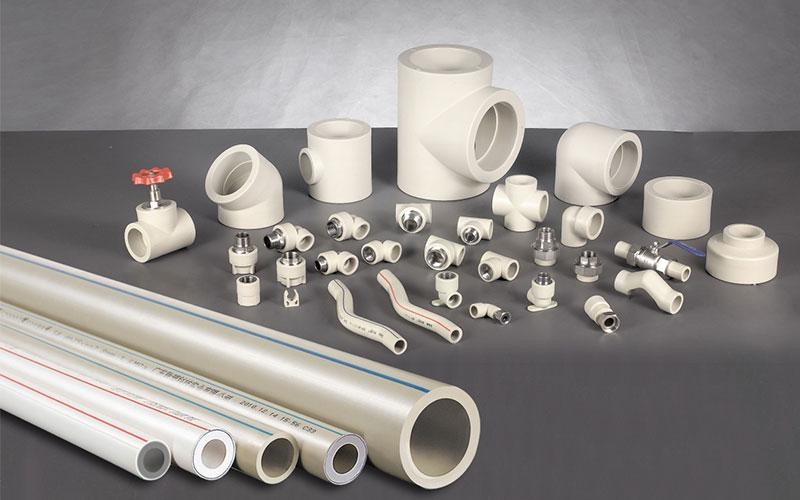
Polypropylene Random (PPR) hot water pipes represent a significant advancement in plumbing technology, particularly for hot and cold water distribution systems. These pipes are distinguished by their inherent corrosion resistance, thermal stability, and hygienic properties. Positioned within the building materials supply chain, PPR pipes occupy a critical role, replacing traditional materials such as galvanized steel, copper, and CPVC in numerous applications. Core performance characteristics center around maintaining consistent water temperature, withstanding internal pressure, and ensuring long-term structural integrity. A key industry pain point is the consistent need for materials that minimize scale buildup, reduce energy loss during water transport, and offer reliable performance over extended service lives, particularly in aggressive water chemistries. PPR pipes address these concerns through their smooth internal surfaces and resistance to common waterborne contaminants.
Material Science & Manufacturing
PPR pipe production begins with polypropylene random copolymer resin, typically derived from propylene monomer. The resin's molecular structure introduces random comonomers, disrupting crystallinity and enhancing impact resistance, particularly at lower temperatures. Key physical properties include a density of approximately 0.905 g/cm³, a Vicat softening temperature ranging from 135°C to 150°C (depending on formulation), and a tensile strength of 25-35 MPa. Chemical compatibility is excellent with most common water treatments and cleaning agents; however, prolonged exposure to strong oxidizing agents should be avoided.
The manufacturing process primarily utilizes extrusion molding. Raw polypropylene pellets are fed into an extruder, where they are heated and homogenized. The molten polymer is then forced through a die to form the pipe shape. Crucial parameters include maintaining precise temperature control throughout the extrusion process – typically segmented into heating zones ranging from 190°C to 240°C – to prevent thermal degradation and ensure consistent wall thickness. Cooling is achieved via a water bath, followed by dimensional stabilization and cutting to length. Socket fusion welding is the predominant joining method, relying on controlled heating of both the pipe and fitting surfaces to create a homogenous weld. Parameter control during welding – specifically temperature (around 260-270°C) and pressure/dwelling time – is paramount to achieving a structurally sound, leak-proof joint. Quality control measures include hydrostatic pressure testing and impact resistance assessments according to relevant standards.
Performance & Engineering
PPR pipes exhibit robust performance characteristics under operational conditions. Force analysis focuses on hoop stress due to internal pressure and longitudinal stress from thermal expansion and contraction. The material’s inherent flexibility allows for limited deformation under stress, mitigating the risk of brittle failure. Environmental resistance is a key consideration; while PPR demonstrates excellent resistance to most chemicals found in potable water, prolonged exposure to UV radiation can lead to surface degradation and reduced mechanical properties. Therefore, UV stabilizers are commonly incorporated into the resin formulation. Compliance requirements vary regionally, but generally adhere to standards dictating minimum burst pressure, hydrostatic testing durations, and temperature resistance. Specifically, hot water applications require PPR formulations capable of withstanding continuous temperatures up to 70-80°C and short-term peaks up to 95°C without significant creep or dimensional changes. Functional implementation necessitates careful consideration of pipe support spacing to prevent sagging and excessive stress on joints. Thermal expansion loops are often incorporated into long pipe runs to accommodate dimensional changes and prevent stress buildup.
Technical Specifications
| Parameter | Units | Standard Specification (e.g., DIN 8077/8078) | Typical Value (PN20) |
|---|---|---|---|
| Nominal Diameter | mm | DIN 8077/8078 | 20, 25, 32, 40, 50, 63, 75, 90, 110 |
| Pressure Rating (PN) | bar | DIN 8077/8078 | 20 |
| Burst Pressure | bar | ISO 11671 | 80 |
| Hydrostatic Test Pressure | bar | ISO 11671 | 48 |
| Vicat Softening Temperature | °C | ISO 306 | 135-150 |
| Tensile Strength | MPa | ISO 527-2 | 25-35 |
Failure Mode & Maintenance
Common failure modes in PPR piping systems include fatigue cracking at joints due to repeated thermal cycling, delamination of the pipe wall due to manufacturing defects or improper installation, and degradation of the material caused by prolonged exposure to high temperatures or aggressive chemicals. Oxidation can occur if the material is exposed to excessively high temperatures for extended periods, leading to embrittlement. A critical failure mode is “cold cracking” during socket fusion welding, often caused by insufficient welding temperature or excessive cooling rates. Preventative maintenance involves regular visual inspections for signs of leaks, discoloration, or deformation. Proper installation is crucial; adherence to manufacturer’s guidelines regarding welding parameters and pipe support spacing significantly reduces the risk of failure. Should a leak occur, the affected section of pipe should be cut out and replaced with a new section using proper socket fusion welding techniques. Avoid using abrasive cleaning agents, as these can damage the pipe surface and create stress concentrations. Periodic flushing of the system can help prevent scale buildup, reducing the risk of pressure-related failures. Regular water quality testing is also advisable to identify and address any corrosive elements.
Industry FAQ
Q: What is the long-term temperature resistance of PPR pipe, and how does it affect its service life?
A: PPR pipe’s long-term temperature resistance is critical for hot water applications. While it can handle short-term exposure to temperatures up to 95°C, continuous operation at temperatures exceeding 70-80°C will accelerate creep and reduce the pipe’s service life. Prolonged exposure to high temperatures causes the polymer chains to gradually disentangle, leading to dimensional instability and increased susceptibility to failure. Choosing a PPR formulation with higher Vicat softening temperature and implementing proper thermal insulation can mitigate these effects.
Q: How does PPR pipe compare to CPVC in terms of chemical resistance and application suitability?
A: Both PPR and CPVC offer good chemical resistance, but CPVC generally exhibits superior resistance to chlorinated water and higher temperatures. PPR excels in resistance to alkaline substances and freezing conditions. PPR is ideal for potable water distribution and central heating systems, while CPVC is often preferred in industrial applications with aggressive chemical environments and higher temperature requirements. Cost is also a factor; PPR is typically more economical than CPVC.
Q: What are the key considerations for welding PPR pipe, and what are the most common welding defects?
A: Key considerations include selecting the correct welding tool for the pipe diameter, ensuring clean and dry pipe ends, adhering to the recommended welding temperature and time, and applying consistent pressure during the welding process. Common welding defects include insufficient fusion (due to low temperature or short welding time), excessive fusion (leading to a weakened joint), and misalignment of the pipe and fitting. Proper training and quality control are essential for minimizing these defects.
Q: How does UV exposure affect PPR pipe, and what protective measures can be taken?
A: Prolonged exposure to UV radiation causes degradation of the PPR material, leading to surface embrittlement, discoloration, and reduced mechanical properties. This primarily affects the outer surface of the pipe. Protective measures include using UV-stabilized PPR formulations, painting the pipes with a UV-resistant coating, or shielding them from direct sunlight with insulation or protective coverings. Installation within building structures or underground also provides adequate protection.
Q: What are the typical installation guidelines for PPR piping systems to ensure long-term reliability?
A: Typical guidelines include avoiding sharp bends, providing adequate support to prevent sagging, using appropriate thermal expansion loops in long runs, ensuring proper joint preparation and welding parameters, and conducting a thorough hydrostatic test after installation. Following manufacturer’s instructions and adhering to relevant building codes are critical for ensuring long-term system reliability. Pipe should also be stored properly, protected from direct sunlight and physical damage before installation.
Conclusion
PPR hot water pipes offer a compelling combination of performance, durability, and cost-effectiveness for a wide range of plumbing applications. Their inherent corrosion resistance, thermal stability, and ease of installation make them a superior alternative to traditional materials in many scenarios. However, successful implementation relies on careful material selection, proper installation techniques, and adherence to industry standards.
Future developments in PPR technology will likely focus on enhancing UV resistance, improving high-temperature performance, and developing more sustainable manufacturing processes. Continued research into novel polymer blends and additives will further expand the application scope of PPR piping systems, solidifying their position as a leading solution for hot and cold water distribution.
-
DN25 HDPE Compression Fitting-HORON INTERNATIONAL|Reliable Irrigation Solutions
NewsFeb.11,2026
-
hdpe coupling joint product Manufacturing Analysis
News2026-11-18
-
ppr pipe heating time products Performance Analysis
News2026-11-16
-
hdpe pipe sizes factory Performance Analysis
News2026-11-09
-
HDPE Pipe Sizes Service Performance Analysis
News2026-10-26
-
wholesale 15mm ppr pipe Material Science and Performance Analysis
News2026-10-20
-
wholesale pvc pipe price per foot Technical Analysis
News2026-09-21
-
wholesale long pvc pipe Technical Analysis and Manufacturing Specifications
News2026-09-15
-
wholesale plumbing kitchen sink water lines Material Performance
News2026-09-15
-
wholesale hdpe drip irrigation Material Science
News2026-09-15
-
wholesale hot water ppr pipe Performance Analysis
News2026-09-15
-
wholesale ppr plumbing Performance Analysis
News2026-09-15
-
wholesale ppr pipe supplier Performance Analysis
News2026-09-13
-
wholesale 50mm ppr pipe Performance Analysis
News2026-09-13
-
wholesale hdpe drip pipe Performance Analysis
News2026-09-13
-
wholesale hdpe pipe 63mm price Manufacturing Specification and Performance Analysis
News2026-09-13