

Feb . 11, 2026 00:01 Back to list
hot water ppr pipe product Performance Analysis
Introduction
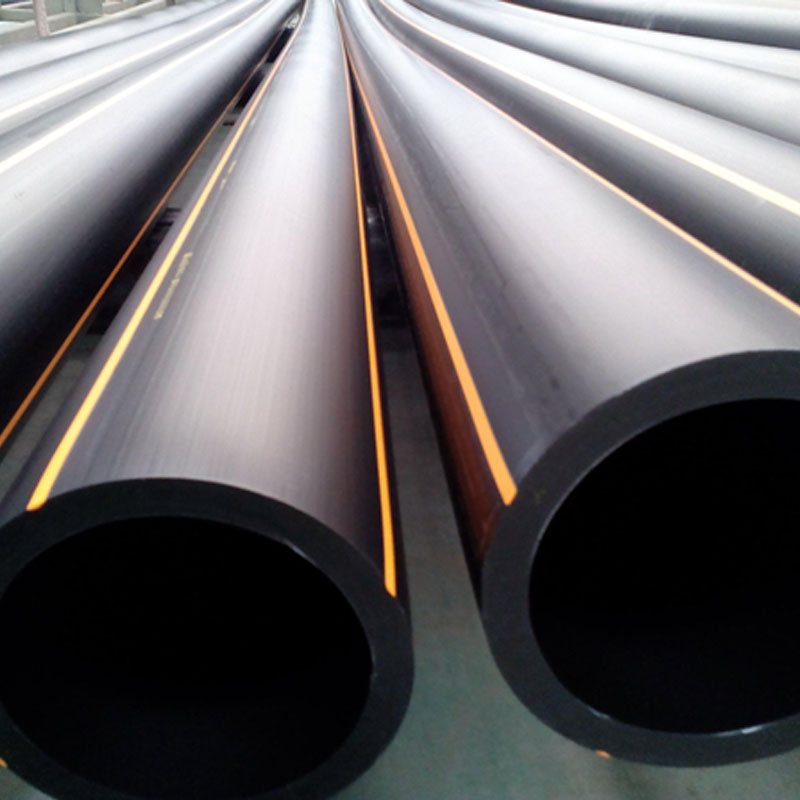
Polypropylene Random (PPR) hot water pipes represent a significant advancement in residential and commercial plumbing systems. Positioned as a direct replacement for traditional metal piping (copper, galvanized steel) and increasingly, PVC, PPR offers a compelling combination of thermal stability, chemical resistance, and ease of installation. These pipes are manufactured from polypropylene random copolymer, a thermoplastic polymer exhibiting superior performance characteristics when subjected to elevated temperatures. Within the industry chain, PPR pipe production involves resin selection, extrusion, and quality control procedures demanding adherence to stringent standards. Core performance attributes include resistance to corrosion, scaling, and bacterial growth, alongside excellent insulation properties minimizing heat loss in hot water applications. The critical advantage of PPR stems from its ability to maintain structural integrity and flow capacity under continuous thermal stress, a common failure point with alternative materials.
Material Science & Manufacturing
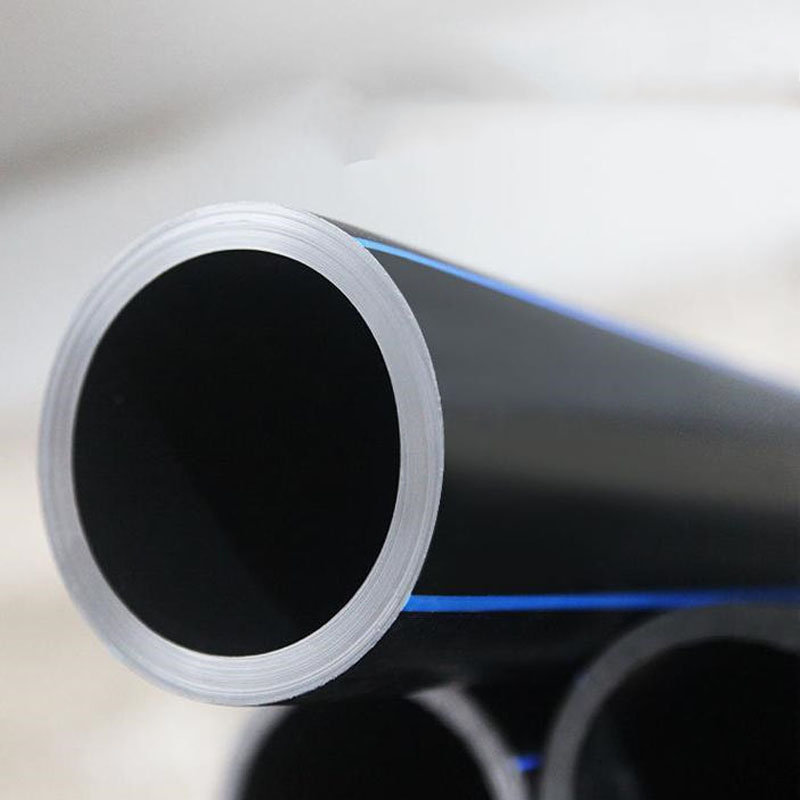
PPR pipe’s core material, polypropylene random copolymer, is characterized by its amorphous structure. This structure, unlike the crystalline structure found in standard polypropylene homopolymer, results in enhanced impact strength, particularly at lower temperatures. The raw material typically consists of polypropylene resin blended with additives such as stabilizers (to prevent degradation from UV exposure and oxidation), clarifying agents (to enhance transparency), and pigments (for color coding, typically red for hot water and green for cold water). Manufacturing begins with the melting and homogenization of the polypropylene granules. This is followed by extrusion through a circular die to form the pipe. Key parameters during extrusion include maintaining a consistent melt temperature (typically 190-230°C), precise control of the extrusion rate to achieve the desired wall thickness, and accurate dimensional calibration using a vacuum sizing tank. Subsequent cooling and coiling complete the process. Welding PPR pipes relies on thermal fusion, specifically butt welding, socket welding, or electrofusion welding. Butt welding is used for larger diameter pipes, involving heating the pipe ends and pressing them together. Socket welding uses a specialized heating tool to melt both the pipe and fitting, creating a homogenous joint. Electrofusion welding employs an electrically heated fitting, providing precise control over the welding process. The quality of the weld is critically dependent on proper heating times and pressures, dictated by pipe diameter and wall thickness.
Performance & Engineering
The performance of PPR hot water pipes is governed by several key engineering principles. Hydrostatic strength, the pipe’s ability to withstand internal pressure, is a paramount concern, especially under elevated temperatures. PPR exhibits a pressure rating that decreases with increasing temperature; therefore, derating factors are critical in system design. Creep rupture, the slow, time-dependent deformation under sustained stress, is another critical factor. The long-term hydrostatic strength must be calculated considering the operating temperature and design lifespan. Thermal expansion and contraction are also significant considerations. PPR has a higher coefficient of thermal expansion than metal pipes, necessitating the incorporation of expansion loops or flexible connectors to accommodate dimensional changes and prevent stress on joints. Force analysis under thermal loading requires consideration of the Young's modulus of polypropylene and the temperature gradient across the pipe wall. Compliance requirements dictate adherence to standards like DIN 8077 and EN ISO 15876, which specify minimum performance criteria for pressure resistance, temperature resistance, and chemical compatibility. The material’s resistance to chlorine and other common water treatment chemicals is also essential for long-term performance.
Technical Specifications
| Parameter | Unit | PN20 (SDR6) | PN25 (SDR5) |
|---|---|---|---|
| Nominal Pressure (PN) | Bar | 2.0 MPa | 2.5 MPa |
| Standard Dimension Ratio (SDR) | - | 6 | 5 |
| Maximum Operating Temperature | °C | 95 | 95 |
| Hydrostatic Pressure Test | Bar | 5.0 | 6.25 |
| Coefficient of Linear Thermal Expansion | mm/m°C | 0.15 | 0.15 |
| Oxygen Permeability (OTR) | cm³/m²/day | < 0.1 | < 0.1 |
Failure Mode & Maintenance
PPR pipe, while durable, is susceptible to specific failure modes. One common issue is slow crack growth (SCG), induced by sustained tensile stress in the presence of certain chemicals (e.g., chlorine dioxide). This results in brittle fracture over time. Another failure mode is crazing, the formation of a network of microcracks on the pipe surface, often caused by mechanical stress or UV exposure. Degradation of the material due to prolonged exposure to high temperatures, especially exceeding the maximum operating temperature, leads to a reduction in mechanical properties and increased susceptibility to failure. Oxidation, particularly at elevated temperatures, can also contribute to material degradation. Improper welding is a frequent source of failures. Insufficient heating, incorrect pressure during butt welding, or contamination of the welding surfaces compromise joint integrity. Maintenance primarily involves visual inspections for cracks, leaks, or signs of deformation. Periodic pressure testing can identify potential weaknesses. Preventative measures include using appropriate fittings for the application, avoiding excessive mechanical stress during installation, and protecting the pipes from prolonged UV exposure. In the event of a leak, the damaged section should be cut out and replaced using the appropriate welding technique. Regular flushing of the system to remove sediment and debris also contributes to longevity.
Industry FAQ
Q: What is the long-term effect of constant exposure to 80°C water on PPR pipe lifespan?
A: Constant exposure to 80°C water will gradually reduce the long-term hydrostatic strength of PPR pipe due to creep rupture. While PPR is rated for 95°C intermittent use, continuous operation at 80°C will accelerate material degradation. Lifespan reduction is dependent on the specific SDR rating and operating pressure, but typically, a derating factor should be applied for continuous high-temperature operation. Detailed calculations based on ISO 15876 are recommended to determine the expected service life.
Q: How does chlorine concentration in potable water affect PPR pipe’s durability?
A: PPR exhibits good resistance to chlorine in typical potable water concentrations. However, high chlorine concentrations, especially in conjunction with sustained stress, can contribute to Slow Crack Growth (SCG). It’s crucial to ensure the chlorine levels remain within acceptable limits specified by local water authorities. Using stabilized PPR formulations can further enhance resistance to chlorine-induced SCG.
Q: What are the key differences between PN20 and PN25 PPR pipes in terms of application?
A: PN20 pipes (SDR6) are typically used for residential hot and cold water distribution systems with moderate pressure requirements. PN25 pipes (SDR5) are designed for applications requiring higher pressure resistance, such as commercial buildings, high-rise apartments, or systems with significant hydraulic heads. The higher pressure rating of PN25 offers an added safety margin.
Q: Can PPR pipes be used for outdoor applications exposed to direct sunlight?
A: Prolonged exposure to direct sunlight can cause UV degradation of PPR, leading to reduced mechanical properties and potential brittleness. It is strongly recommended to use UV-stabilized PPR formulations for outdoor applications. Additionally, shielding the pipes with protective coverings or burying them underground is advisable to minimize UV exposure.
Q: What welding technique is preferred for larger diameter (over 63mm) PPR pipes?
A: Butt welding is the preferred technique for larger diameter PPR pipes (over 63mm). It provides a stronger and more reliable joint compared to socket welding for larger sizes. Electrofusion welding is also an option for larger diameters, offering precise control over the welding process but typically requiring specialized equipment and training.
Conclusion
PPR hot water pipes offer a viable and often superior alternative to traditional piping materials. Their inherent resistance to corrosion, coupled with ease of installation and excellent thermal properties, positions them as a leading solution for both residential and commercial plumbing systems. However, successful implementation requires a thorough understanding of the material’s limitations, particularly concerning temperature, pressure, and chemical exposure.
Adherence to relevant international standards and proper installation techniques are crucial for maximizing the lifespan and ensuring the long-term reliability of PPR piping systems. Continued material development, focusing on enhanced UV resistance and improved creep rupture performance, will further solidify PPR's position as a dominant force in the fluid conveyance industry.
-
DN25 HDPE Compression Fitting-HORON INTERNATIONAL|Reliable Irrigation Solutions
NewsFeb.11,2026
-
hdpe coupling joint product Manufacturing Analysis
News2026-11-18
-
ppr pipe heating time products Performance Analysis
News2026-11-16
-
hdpe pipe sizes factory Performance Analysis
News2026-11-09
-
HDPE Pipe Sizes Service Performance Analysis
News2026-10-26
-
wholesale 15mm ppr pipe Material Science and Performance Analysis
News2026-10-20
-
wholesale pvc pipe price per foot Technical Analysis
News2026-09-21
-
wholesale long pvc pipe Technical Analysis and Manufacturing Specifications
News2026-09-15
-
wholesale plumbing kitchen sink water lines Material Performance
News2026-09-15
-
wholesale hdpe drip irrigation Material Science
News2026-09-15
-
wholesale hot water ppr pipe Performance Analysis
News2026-09-15
-
wholesale ppr plumbing Performance Analysis
News2026-09-15
-
wholesale ppr pipe supplier Performance Analysis
News2026-09-13
-
wholesale 50mm ppr pipe Performance Analysis
News2026-09-13
-
wholesale hdpe drip pipe Performance Analysis
News2026-09-13
-
wholesale hdpe pipe 63mm price Manufacturing Specification and Performance Analysis
News2026-09-13