

Feb . 11, 2026 00:01 Back to list
hot water ppr pipe factory Performance Analysis
Introduction
Polypropylene Random Copolymer (PPR) piping systems have become a prevalent solution for hot and cold water distribution networks in residential, commercial, and industrial applications. This technical guide provides a comprehensive analysis of PPR pipes, specifically focusing on those manufactured for hot water applications – referred to herein as 'hot water PPR pipes'. PPR pipes occupy a crucial position in the building materials supply chain, bridging the gap between petrochemical production of polypropylene resin and the end-user plumbing installations. Their key performance characteristics include excellent thermal stability, chemical resistance, and hygienic properties. A core industry pain point is ensuring long-term performance and preventing premature failure, particularly concerning creep rupture and chlorine degradation when exposed to continuous high temperatures. This guide will delve into the material science, manufacturing processes, performance parameters, potential failure modes, and relevant industry standards to provide a detailed technical understanding of hot water PPR pipe systems.
Material Science & Manufacturing
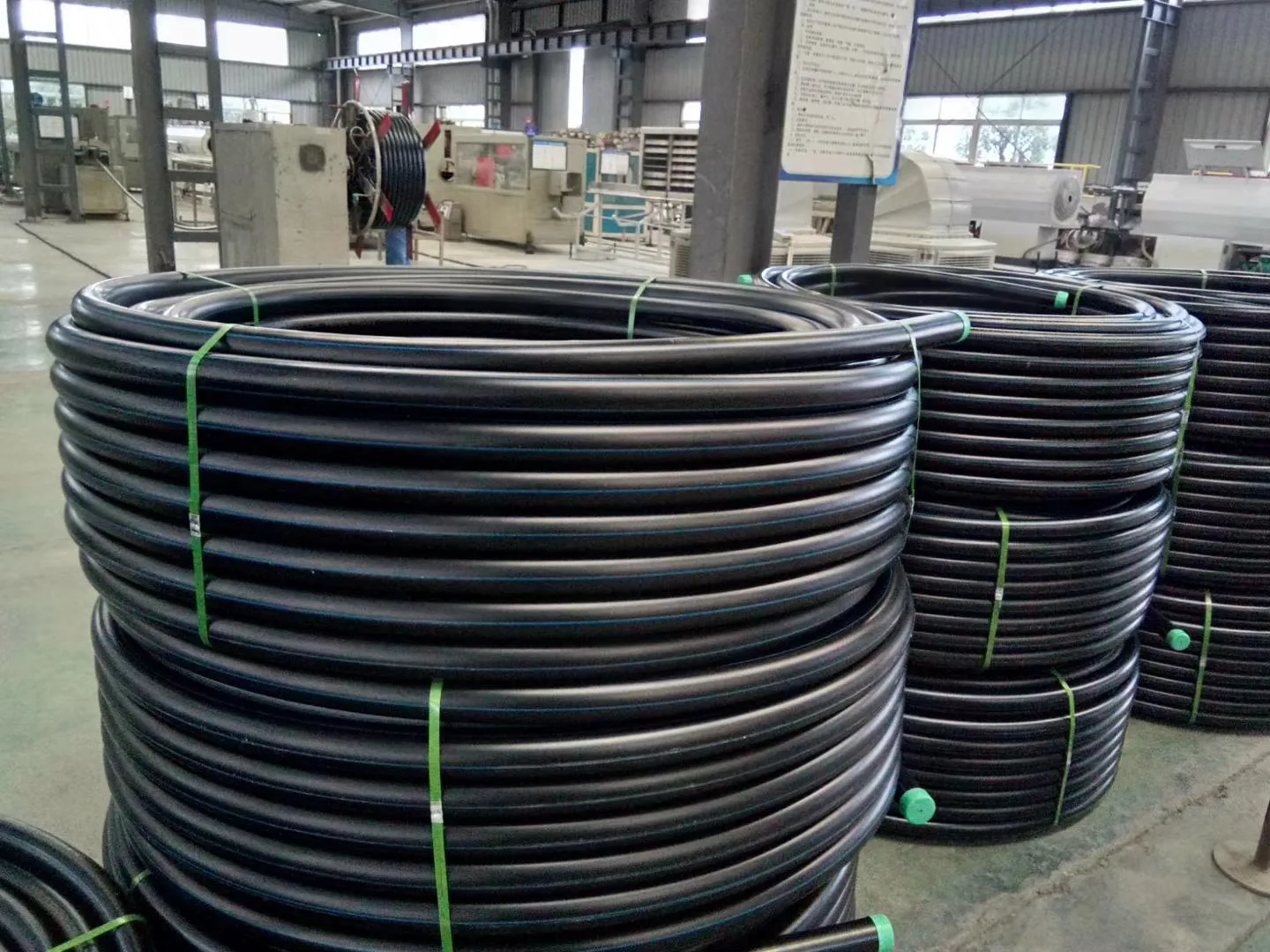
Hot water PPR pipes are primarily composed of polypropylene random copolymer. This material is produced by copolymerizing propylene monomer with ethylene comonomer, resulting in a material with improved properties compared to homopolymer polypropylene. The ethylene content typically ranges from 4-7%, affecting the pipe’s flexibility and impact resistance. Raw material selection is critical; the polypropylene resin must meet specific requirements regarding melt flow index (MFI), density, and molecular weight distribution. The manufacturing process typically involves extrusion. Polypropylene granules are fed into an extruder, melted, and forced through a die to form a continuous pipe. Key parameters during extrusion include barrel temperature profile (typically 190-230°C), die temperature (200-240°C), and screw speed. Precise control of these parameters is vital to ensure uniform pipe wall thickness and material homogeneity. Furthermore, the cooling process (water bath or air cooling) must be carefully managed to prevent warping or deformation. Pipe dimensions (diameter, wall thickness) are closely monitored through online gauging systems. Hydrostatic testing is performed on finished pipes to verify pressure resistance and identify potential defects like pinholes or weak spots. The quality of the welding process used to join pipes and fittings is also paramount; socket fusion, butt fusion, and electrofusion are common methods. Proper welding parameters (temperature, pressure, duration) are essential to create reliable, leak-proof joints.
Performance & Engineering
The performance of hot water PPR pipes is governed by several critical engineering principles. Firstly, creep resistance is a paramount concern. Prolonged exposure to elevated temperatures and internal pressure can lead to slow deformation (creep) and eventually, creep rupture. PPR materials exhibit a time-dependent behavior, meaning their stress-strain relationship changes over time under constant load. Finite element analysis (FEA) is often employed to simulate the long-term behavior of PPR pipes under various operating conditions. Secondly, thermal expansion and contraction need to be considered. PPR has a relatively high coefficient of thermal expansion compared to metals. Expansion loops and contraction joints are incorporated into the piping system to accommodate thermal movements and prevent stress buildup. Thirdly, chemical compatibility is crucial. While PPR exhibits good resistance to many common chemicals, prolonged exposure to chlorine and oxidizing agents can cause degradation. Therefore, water quality and chlorine levels must be monitored. Engineering design must also address pressure surges (water hammer) which can induce significant stress on the pipe network. Pressure reducing valves and surge arrestors are often used to mitigate these effects. Compliance with relevant building codes and plumbing standards is essential to ensure safe and reliable performance. These standards define minimum requirements for pipe pressure ratings, material quality, and installation practices.
Technical Specifications
| Parameter | Unit | Typical Value (DN20, PN20) | Testing Standard |
|---|---|---|---|
| Nominal Diameter | mm | 20 | ISO 15876 |
| Nominal Pressure | bar | 20 | ISO 15876 |
| Hydrostatic Pressure Test | bar | 40 (for 2 minutes) | ISO 15876 |
| Tensile Strength | MPa | ≥20 | ISO 6259 |
| Elongation at Break | % | ≥200 | ISO 6259 |
| Water Absorption | % | ≤0.5 | ISO 6259 |
Failure Mode & Maintenance
Hot water PPR pipes are susceptible to several failure modes. Creep rupture, as previously discussed, is a major concern, particularly in systems operating at high temperatures and pressures for extended periods. Chlorine degradation can lead to embrittlement and cracking, reducing the pipe’s impact resistance. UV exposure can also cause degradation, especially in outdoor applications. Oxidation of the polypropylene material can occur over time, leading to a loss of mechanical properties. Improper installation, such as inadequate support or excessive bending, can induce stress concentrations and lead to premature failure. Furthermore, defects introduced during manufacturing (e.g., inclusions, voids) can serve as initiation points for cracks. Regular maintenance involves visual inspections to identify signs of leakage, deformation, or discoloration. Water quality monitoring is crucial to detect elevated chlorine levels. Periodic hydrostatic testing can be conducted to assess the overall integrity of the piping system. If leaks or cracks are detected, the affected pipe section should be replaced immediately. Proper support and anchoring of the pipes are essential to prevent stress buildup. Avoid exposing PPR pipes to direct sunlight for prolonged periods. Periodic flushing of the system can remove sediment buildup and prevent clogging. In cases of chlorine degradation, consider installing a water treatment system to reduce chlorine levels.
Industry FAQ
Q: What is the maximum allowable operating temperature for hot water PPR pipes?
A: The maximum continuous operating temperature for standard hot water PPR pipes (Type 3) is typically 70°C, with short-term temperature spikes up to 95°C. Exceeding these temperatures can significantly reduce the pipe’s lifespan and increase the risk of creep rupture. Specialized high-temperature PPR formulations are available for applications requiring higher operating temperatures.
Q: How does chlorine affect PPR pipe performance?
A: Chlorine can cause oxidative degradation of the polypropylene material, leading to embrittlement and cracking. The rate of degradation depends on the chlorine concentration, water temperature, and exposure duration. Using a water softener or chlorine removal filter can minimize the effects of chlorine.
Q: What is the recommended spacing for pipe supports?
A: The recommended spacing for pipe supports depends on the pipe diameter, water temperature, and internal pressure. Generally, supports should be installed every 50-80 cm for horizontal runs and every 2-3 meters for vertical runs. Proper support prevents sagging and reduces stress on the pipe joints.
Q: What are the key differences between socket fusion and butt fusion welding?
A: Socket fusion is a simpler welding method suitable for smaller diameter pipes. The pipe is inserted into the fitting socket and heated using a heating tool. Butt fusion is used for larger diameter pipes and involves heating both the pipe and fitting ends and then joining them under pressure. Butt fusion typically provides a stronger and more reliable joint.
Q: What are the implications of using PPR pipes with incompatible fittings?
A: Using fittings made from different materials (e.g., metal fittings with PPR pipes) can lead to galvanic corrosion and leakage. It is crucial to use fittings specifically designed for PPR piping systems and ensure compatibility between the pipe and fitting materials.
Conclusion
Hot water PPR pipe systems offer a robust and cost-effective solution for hot and cold water distribution, provided that careful attention is paid to material selection, manufacturing quality, installation practices, and maintenance procedures. Understanding the underlying material science – particularly the effects of temperature, pressure, and chemical exposure – is crucial for ensuring long-term reliability. Addressing the key pain points of creep resistance and chlorine degradation through proper material specification and water quality control is paramount.
Future developments in PPR technology may focus on enhancing creep resistance through the incorporation of reinforcing fillers or the development of new polypropylene copolymer formulations. Continued advancements in non-destructive testing methods will also improve the ability to detect potential defects and ensure the integrity of PPR piping systems. Ultimately, a holistic approach encompassing design, material selection, installation, and maintenance is essential for maximizing the performance and lifespan of hot water PPR pipe installations.
-
DN25 HDPE Compression Fitting-HORON INTERNATIONAL|Reliable Irrigation Solutions
NewsFeb.11,2026
-
hdpe coupling joint product Manufacturing Analysis
News2026-11-18
-
ppr pipe heating time products Performance Analysis
News2026-11-16
-
hdpe pipe sizes factory Performance Analysis
News2026-11-09
-
HDPE Pipe Sizes Service Performance Analysis
News2026-10-26
-
wholesale 15mm ppr pipe Material Science and Performance Analysis
News2026-10-20
-
wholesale pvc pipe price per foot Technical Analysis
News2026-09-21
-
wholesale long pvc pipe Technical Analysis and Manufacturing Specifications
News2026-09-15
-
wholesale plumbing kitchen sink water lines Material Performance
News2026-09-15
-
wholesale hdpe drip irrigation Material Science
News2026-09-15
-
wholesale hot water ppr pipe Performance Analysis
News2026-09-15
-
wholesale ppr plumbing Performance Analysis
News2026-09-15
-
wholesale ppr pipe supplier Performance Analysis
News2026-09-13
-
wholesale 50mm ppr pipe Performance Analysis
News2026-09-13
-
wholesale hdpe drip pipe Performance Analysis
News2026-09-13
-
wholesale hdpe pipe 63mm price Manufacturing Specification and Performance Analysis
News2026-09-13