

Feb . 11, 2026 00:01 Back to list
hot water ppr pipe factories Manufacturing Processes
Introduction
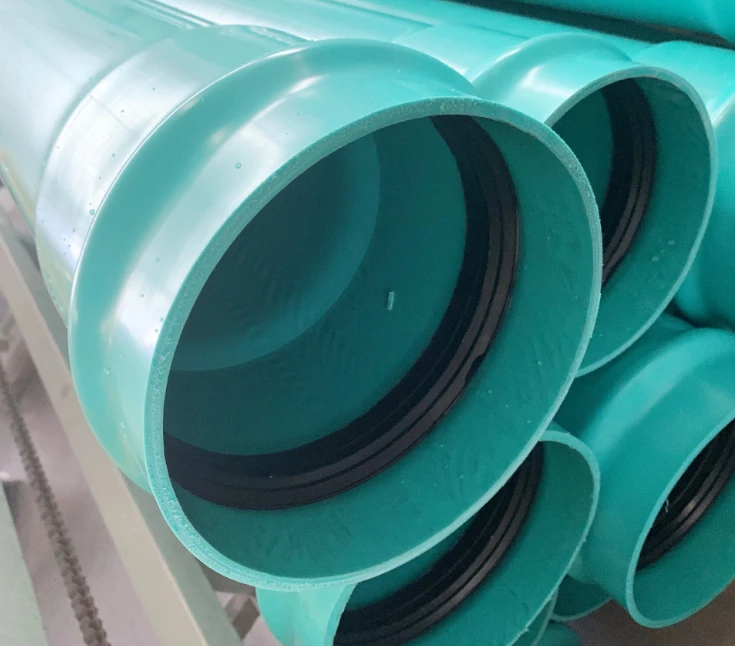
Polypropylene Random Copolymer (PPR) piping systems have become a prevalent solution for hot and cold water distribution in residential, commercial, and industrial applications. This guide provides a comprehensive technical overview of PPR pipe manufacturing, material properties, performance characteristics, and potential failure modes, specifically addressing the considerations for hot water systems. PPR pipes occupy a critical position within the building infrastructure supply chain, serving as a direct replacement for traditional metal piping systems like copper and galvanized steel. Core performance characteristics include thermal stability, chemical resistance, pressure bearing capacity, and hygienic properties, offering a lightweight and corrosion-resistant alternative. The industry currently faces challenges related to ensuring consistent weld quality, particularly in on-site installations, and mitigating the risk of slow crack growth under sustained hydrostatic pressure, especially at elevated temperatures. This guide addresses these critical points for manufacturers and end-users alike.
Material Science & Manufacturing
PPR pipes are primarily composed of polypropylene random copolymer, a thermoplastic polymer created through the polymerization of propylene monomer. The “random” designation signifies the random distribution of comonomers (typically ethylene) within the polymer chain. This randomness disrupts the crystallinity of the polypropylene, resulting in enhanced impact resistance and flexibility compared to homopolymer polypropylene. Raw material selection is paramount, with varying grades of PPR copolymer (Type 1, Type 2, Type 3) offering different density and melt flow index (MFI) values. Type 3 PPR, with the highest MFI, is commonly used for hot water pipes due to its superior resistance to creep and thermal deformation.
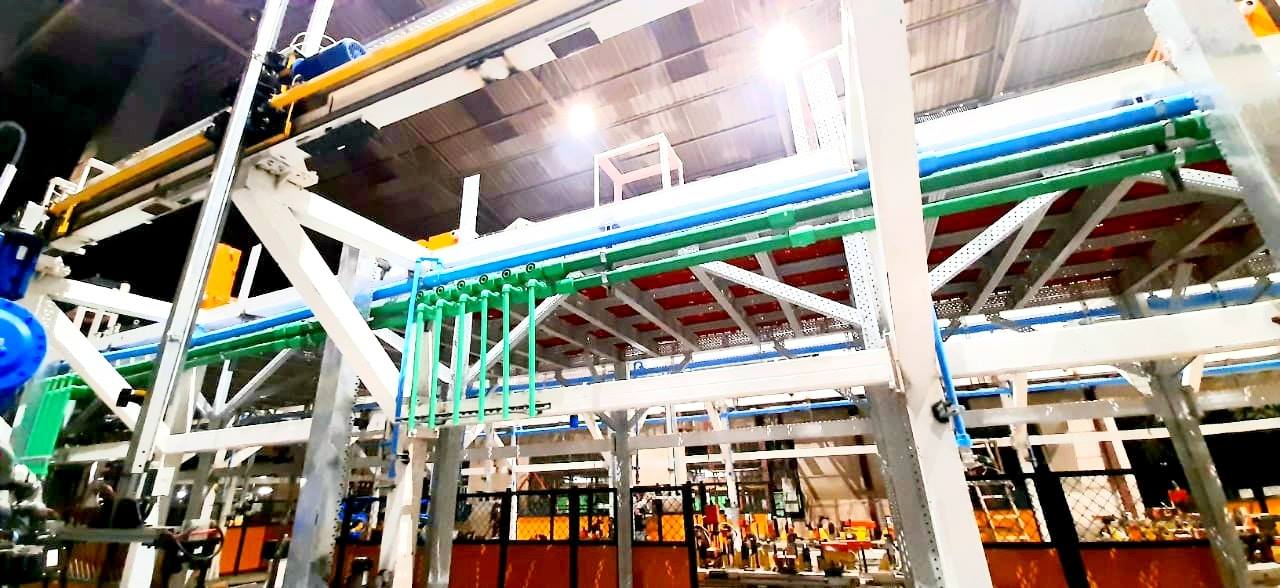
The manufacturing process typically involves extrusion. Polypropylene granules are fed into an extruder, where they are heated and melted. The molten polymer is then forced through a die, forming a continuous pipe. Critical process parameters include die temperature, extrusion speed, cooling rate, and haul-off speed. Maintaining precise temperature control is crucial to prevent degradation of the polymer and ensure dimensional accuracy. Upon extrusion, pipes undergo rigorous quality control checks, including hydrostatic pressure testing, impact testing, and dimensional measurements. Socket fusion fittings are manufactured concurrently via injection molding, employing similar PPR copolymer materials to ensure compatibility and weld integrity. The welding process relies on controlled heating of both the pipe and fitting surfaces, followed by immediate joining under pressure, creating a homogeneous weld joint. Parameter control of heating tool temperature and welding duration are pivotal for consistent weld strength.
Performance & Engineering
The performance of PPR pipes in hot water systems is dictated by several key engineering considerations. Firstly, creep resistance is critical. Sustained exposure to elevated temperatures (e.g., 60°C or higher) and hydrostatic pressure can cause the pipe to slowly deform over time, potentially leading to leaks or joint failures. PPR Type 3 materials exhibit significantly improved creep resistance compared to lower grades. Secondly, thermal expansion and contraction must be accounted for. PPR has a higher coefficient of thermal expansion than metal pipes, necessitating the incorporation of expansion loops or flexible connectors within the piping system to prevent stress buildup. Force analysis focuses on hoop stress calculations, considering internal pressure, temperature, and pipe dimensions.
Compliance requirements are governed by international standards (detailed in the footer). These standards specify minimum requirements for hydrostatic pressure testing, impact resistance, tensile strength, and thermal stability. Furthermore, the chemical compatibility of PPR with potable water must be verified, ensuring no leaching of harmful substances occurs. PPR is generally resistant to most chemicals commonly found in potable water, but prolonged exposure to strong oxidizing agents should be avoided. The long-term performance is also impacted by the design of the piping network, considering flow velocity, pressure drops, and the number of bends and fittings.
Technical Specifications
| Parameter | Unit | PPR Type 1 | PPR Type 2 | PPR Type 3 |
|---|---|---|---|---|
| Density | g/cm³ | 0.905 - 0.915 | 0.905 - 0.915 | 0.905 - 0.915 |
| Melt Flow Index (MFI) (190°C, 2.16 kg) | g/10min | 0.3 – 0.8 | 0.8 – 1.5 | 1.5 – 3.0 |
| Hydrostatic Pressure Test (20°C, 24hr) | MPa | 12.4 | 12.4 | 12.4 |
| Hydrostatic Pressure Test (60°C, 24hr) | MPa | 6.2 | 8.0 | 10.0 |
| Tensile Strength | MPa | 20 – 25 | 22 – 27 | 25 – 30 |
| Elongation at Break | % | 300 – 500 | 400 – 600 | 500 – 700 |
Failure Mode & Maintenance
PPR pipes, while durable, are susceptible to specific failure modes. Slow Crack Growth (SCG) is a primary concern, particularly in hot water systems. This occurs due to sustained hydrostatic pressure combined with residual stresses from manufacturing or installation, exacerbated by the presence of aggressive chemicals or localized imperfections. Stress cracking can initiate at weld joints or stress concentrators (e.g., sharp bends). Another failure mode is oxidation, which can occur at elevated temperatures over extended periods, leading to embrittlement and reduced mechanical properties. Delamination, though less common, can occur if the weld joint is not properly formed, creating a weak interface. Fatigue cracking can occur in systems subject to pressure fluctuations.
Preventative maintenance involves regular visual inspections for leaks, discoloration, or deformation. Periodic pressure testing can identify potential weaknesses before they lead to catastrophic failure. Proper installation practices, including the use of calibrated heating tools and correct welding parameters, are crucial to minimizing the risk of SCG. Water quality should be monitored to prevent the introduction of aggressive chemicals. If a leak is detected, the affected section of pipe should be replaced using proper socket fusion techniques. Avoid using abrasive cleaners or solvents, as these can damage the pipe surface. Periodic flushing of the system can remove sediment buildup that may contribute to corrosion or stress cracking. Ensuring proper support for the piping system minimizes stress on the joints and reduces the likelihood of failure.
Industry FAQ
Q: What is the impact of water hardness on the lifespan of PPR pipes?
A: Water hardness, specifically the presence of calcium and magnesium ions, can lead to scale buildup within the PPR pipes. While PPR is generally resistant to scale formation, heavy scale buildup can reduce the internal diameter of the pipe, increasing flow resistance and potentially creating localized stress points. Regular flushing or the use of water softening systems can mitigate this issue. Scale buildup itself doesn’t typically cause catastrophic failure but can contribute to reduced flow rates and efficiency.
Q: What welding parameters should be used for different PPR pipe diameters?
A: Welding parameters are critical and vary depending on pipe diameter and wall thickness. Generally, larger diameter pipes require longer heating times and higher welding pressures. Manufacturers of PPR pipe and fittings provide specific welding parameter charts. As a guideline, a 20mm pipe may require a heating time of 30-40 seconds, while a 63mm pipe could require 60-80 seconds. Always consult the manufacturer's specifications.
Q: How does the chlorine content in potable water affect PPR pipe performance?
A: PPR is generally resistant to chlorine, but prolonged exposure to high concentrations of chlorine can lead to gradual degradation of the polymer. Most potable water supplies contain chlorine levels well within the acceptable range for PPR. However, in areas with exceptionally high chlorine content, consideration should be given to alternative piping materials or the installation of a chlorine filter.
Q: What are the recommended expansion provisions for long runs of PPR pipe in hot water systems?
A: PPR has a relatively high coefficient of thermal expansion (approximately 0.03 mm/m°C). For long runs, expansion loops or flexible connectors should be installed every 50-100 meters to accommodate thermal expansion and prevent stress buildup. The size and spacing of expansion loops depend on the operating temperature and pipe diameter. Detailed engineering calculations should be performed to determine the optimal expansion provisions.
Q: What are the key indicators of a potentially flawed socket fusion weld?
A: Key indicators of a flawed weld include insufficient fusion (visible gap between the pipe and fitting), uneven weld bead, burn marks on the pipe or fitting, and a rough or irregular weld surface. A hydrostatic pressure test should always be conducted after welding to verify the integrity of the joint. If any defects are observed, the weld should be cut out and re-welded.
Conclusion
PPR piping systems represent a viable and increasingly popular alternative to traditional metal piping for hot and cold water applications. Their lightweight nature, corrosion resistance, and ease of installation offer significant advantages. However, successful implementation relies on a thorough understanding of the material properties, manufacturing processes, and potential failure modes. Proper material selection (PPR Type 3 for hot water), meticulous installation practices, and regular maintenance are crucial for ensuring long-term reliability and preventing costly failures.
Future developments in PPR technology may focus on incorporating additives to further enhance creep resistance, UV stability, and chemical compatibility. Improved welding techniques and automated quality control systems will also contribute to increased system performance and durability. Continued adherence to international standards and best practices will remain essential for maintaining the integrity and longevity of PPR piping infrastructure.
-
DN25 HDPE Compression Fitting-HORON INTERNATIONAL|Reliable Irrigation Solutions
NewsFeb.11,2026
-
hdpe coupling joint product Manufacturing Analysis
News2026-11-18
-
ppr pipe heating time products Performance Analysis
News2026-11-16
-
hdpe pipe sizes factory Performance Analysis
News2026-11-09
-
HDPE Pipe Sizes Service Performance Analysis
News2026-10-26
-
wholesale 15mm ppr pipe Material Science and Performance Analysis
News2026-10-20
-
wholesale pvc pipe price per foot Technical Analysis
News2026-09-21
-
wholesale long pvc pipe Technical Analysis and Manufacturing Specifications
News2026-09-15
-
wholesale plumbing kitchen sink water lines Material Performance
News2026-09-15
-
wholesale hdpe drip irrigation Material Science
News2026-09-15
-
wholesale hot water ppr pipe Performance Analysis
News2026-09-15
-
wholesale ppr plumbing Performance Analysis
News2026-09-15
-
wholesale ppr pipe supplier Performance Analysis
News2026-09-13
-
wholesale 50mm ppr pipe Performance Analysis
News2026-09-13
-
wholesale hdpe drip pipe Performance Analysis
News2026-09-13
-
wholesale hdpe pipe 63mm price Manufacturing Specification and Performance Analysis
News2026-09-13