

Feb . 11, 2026 00:01 Back to list
hdpe water supply pipe products Performance Analysis
Introduction
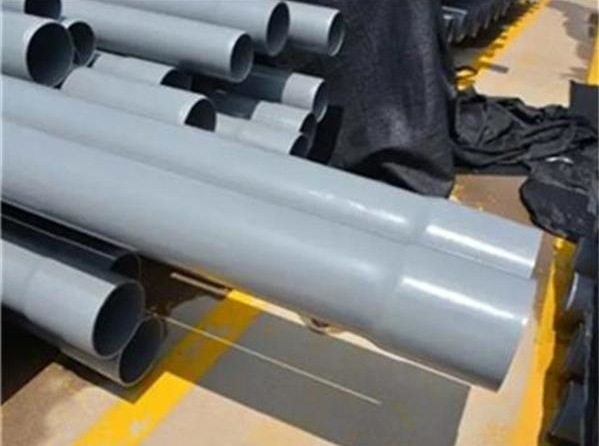
High-Density Polyethylene (HDPE) water supply pipe represents a significant advancement in potable water distribution infrastructure. Positioned as a direct replacement for traditional materials like ductile iron, PVC, and concrete, HDPE pipes offer a compelling combination of durability, corrosion resistance, and cost-effectiveness. Its technical position within the water supply chain is critical; serving as the final conduit delivering treated water to end-users, its performance directly impacts water quality, system efficiency, and long-term operational costs. Core performance characteristics of HDPE pipes include pressure-bearing capability, resistance to chemical leaching, flexibility allowing for seismic accommodation, and a smooth interior surface minimizing frictional losses. The industry currently faces challenges regarding long-term material creep under sustained pressure, proper jointing techniques to maintain system integrity, and the need for standardized quality control procedures to prevent substandard materials from entering the market.
Material Science & Manufacturing
HDPE is a thermoplastic polymer created from the polymerization of ethylene. The raw material’s key physical properties include a density range of 0.93 to 0.97 g/cm³, a tensile strength typically between 20-30 MPa, and a relatively low coefficient of friction. Crucially, HDPE exhibits excellent chemical resistance to most common soil constituents and water treatments. Manufacturing HDPE water supply pipes predominantly employs extrusion processes. High-molecular-weight HDPE resin is fed into an extruder, where it is melted and forced through a die to create a continuous pipe. Key parameters rigorously controlled during extrusion include melt temperature (typically 180-210°C), die pressure, and cooling rate. Cooling is critical for establishing the crystalline structure of the HDPE, directly impacting its long-term strength and resistance to slow crack growth (SCG). Pipe diameters are achieved through varying die geometries. For larger diameter pipes, spiral winding techniques may be employed to build up the pipe wall in layers. Jointing is commonly accomplished through butt fusion, socket fusion, or electrofusion welding. Butt fusion, the most prevalent method, requires precise alignment and controlled heating/cooling cycles to create a homogenous weld with strength comparable to the base material. Improper welding parameters (e.g., insufficient heating time, uneven pressure) can lead to weak joints susceptible to failure.
Performance & Engineering
The performance of HDPE water supply pipes is heavily reliant on hydraulic and structural engineering principles. Force analysis, especially concerning hydrostatic pressure and soil loading, is paramount. HDPE pipes demonstrate a capacity to withstand significant internal pressures, governed by the pipe’s dimensions (diameter and wall thickness) and the material’s hydrostatic design stress (HDS). The HDS is typically determined through long-term hydrostatic strength testing per industry standards. Environmental resistance is another critical factor. While HDPE exhibits excellent chemical resistance, prolonged exposure to UV radiation can lead to degradation. Therefore, black HDPE pipe, incorporating carbon black as a UV stabilizer, is commonly used for above-ground applications. Buried pipelines benefit from the shielding effect of the surrounding soil. Compliance requirements vary by region but generally adhere to standards set by organizations like AWWA (American Water Works Association) and NSF International. These standards specify requirements for material quality, pipe dimensions, jointing procedures, and performance testing. The flexibility of HDPE allows it to accommodate ground movement caused by seismic activity or thermal expansion/contraction, minimizing the risk of pipeline rupture. The Hazen-Williams equation is commonly used to calculate frictional head loss within HDPE pipelines, enabling engineers to optimize pipe sizing and pump selection.
Technical Specifications
| Parameter | Units | Typical Value | Testing Standard |
|---|---|---|---|
| Hydrostatic Design Stress (HDS) | MPa | 8.0 - 12.5 | ASTM D1597 |
| Tensile Strength | MPa | 20 - 30 | ASTM D638 |
| Elongation at Break | % | 300 - 700 | ASTM D638 |
| Density | g/cm³ | 0.93 - 0.97 | ASTM D1505 |
| Slow Crack Growth Resistance (SCGR) | Hours | > 1000 | ASTM F1139 |
| Maximum Operating Temperature | °C | 60 | Manufacturer Specification |
Failure Mode & Maintenance
HDPE water supply pipes, while durable, are susceptible to several failure modes. Slow Crack Growth (SCG) is a primary concern, initiated by sustained tensile stress combined with exposure to certain chemicals (e.g., chlorine). Fatigue cracking can occur due to repeated pressure fluctuations or external loads. Joint failures are also common, typically stemming from improper welding procedures or contamination during fusion. Oxidation, while less frequent, can occur with prolonged exposure to high temperatures and oxygen. Delamination can occur in layered pipe constructions due to insufficient bonding between layers. Maintenance strategies focus on preventative measures. Regular pressure testing helps identify potential leaks or weaknesses. Cathodic protection may be employed in areas with aggressive soil conditions to mitigate corrosion of metallic components in the pipeline system. Proper backfilling practices are essential to prevent excessive stress on the pipe. For repairs, cut-and-replace techniques using butt fusion or mechanical couplings are commonly employed. Regular visual inspections of exposed pipe sections can detect signs of UV degradation or physical damage. Accurate record-keeping of installation details, welding parameters, and maintenance activities is critical for long-term system management and troubleshooting.
Industry FAQ
Q: What is the impact of water hammer on HDPE pipelines and how can it be mitigated?
A: Water hammer, or pressure surge, can create significant stress on HDPE pipes, potentially leading to rupture or joint failure. HDPE’s flexibility offers some inherent resistance, but mitigation strategies are crucial. These include the installation of surge relief valves, air chambers, and slow-closing valves. Proper pipe anchoring also helps absorb shock waves. Accurate hydraulic modeling is essential for predicting pressure surges and designing appropriate mitigation measures.
Q: How does the long-term creep behavior of HDPE affect pipeline performance over decades?
A: Long-term creep, the gradual deformation of the pipe under sustained pressure, is a key consideration. While HDPE has excellent short-term strength, its creep resistance is lower. This can lead to a gradual reduction in internal diameter and an increase in frictional losses over time. Design engineers must account for creep by using appropriate safety factors and selecting HDPE grades with higher creep resistance. Regular monitoring of pressure and flow rates can help detect signs of excessive creep.
Q: What are the best practices for ensuring the quality of butt fusion welds?
A: High-quality butt fusion welds are critical for pipeline integrity. Best practices include proper surface preparation (cleaning and drying), accurate alignment of pipe ends, precise control of heating and cooling times and pressures, and visual inspection of the weld bead for defects. Qualified and certified welding technicians are essential. Destructive and non-destructive testing (e.g., tensile testing, radiographic inspection) should be performed on representative welds to verify their strength and integrity.
Q: How does soil corrosivity affect the lifespan of HDPE water supply pipes?
A: While HDPE is inherently corrosion-resistant, aggressive soil conditions can indirectly impact its lifespan. Highly corrosive soils can attack metallic components within the pipeline system (e.g., valves, fittings) and potentially damage the HDPE pipe itself through mechanical stress. Cathodic protection is often employed to mitigate soil corrosivity. Proper bedding and backfilling materials can also help isolate the pipe from corrosive elements.
Q: What are the advantages of HDPE over traditional ductile iron pipe in terms of lifecycle cost?
A: HDPE generally offers a lower lifecycle cost compared to ductile iron. While the initial material cost may be comparable, HDPE’s inherent corrosion resistance eliminates the need for costly corrosion control measures (e.g., coatings, cathodic protection) required for ductile iron. HDPE also requires less maintenance and has a longer service life. Lower frictional losses reduce pumping energy costs. The flexibility of HDPE minimizes repair costs associated with ground movement or seismic activity.
Conclusion
HDPE water supply pipe technology represents a robust and reliable solution for potable water distribution. Its inherent properties – corrosion resistance, flexibility, and ease of installation – offer significant advantages over traditional materials. However, ensuring long-term performance requires a thorough understanding of material science, proper manufacturing controls, and adherence to industry best practices for jointing and installation.
Moving forward, continued research and development will focus on improving HDPE’s creep resistance, developing more advanced welding techniques, and enhancing quality control procedures. Standardization efforts will be critical for ensuring consistent material quality and performance across the industry. The adoption of smart pipeline monitoring systems will enable proactive maintenance and optimization of HDPE water supply networks, further maximizing their lifecycle cost-effectiveness.
-
DN25 HDPE Compression Fitting-HORON INTERNATIONAL|Reliable Irrigation Solutions
NewsFeb.11,2026
-
hdpe coupling joint product Manufacturing Analysis
News2026-11-18
-
ppr pipe heating time products Performance Analysis
News2026-11-16
-
hdpe pipe sizes factory Performance Analysis
News2026-11-09
-
HDPE Pipe Sizes Service Performance Analysis
News2026-10-26
-
wholesale 15mm ppr pipe Material Science and Performance Analysis
News2026-10-20
-
wholesale pvc pipe price per foot Technical Analysis
News2026-09-21
-
wholesale long pvc pipe Technical Analysis and Manufacturing Specifications
News2026-09-15
-
wholesale plumbing kitchen sink water lines Material Performance
News2026-09-15
-
wholesale hdpe drip irrigation Material Science
News2026-09-15
-
wholesale hot water ppr pipe Performance Analysis
News2026-09-15
-
wholesale ppr plumbing Performance Analysis
News2026-09-15
-
wholesale ppr pipe supplier Performance Analysis
News2026-09-13
-
wholesale 50mm ppr pipe Performance Analysis
News2026-09-13
-
wholesale hdpe drip pipe Performance Analysis
News2026-09-13
-
wholesale hdpe pipe 63mm price Manufacturing Specification and Performance Analysis
News2026-09-13