

Feb . 11, 2026 00:01 Back to list
hdpe water supply pipe manufacturers Performance Analysis

Introduction
High-Density Polyethylene (HDPE) water supply pipes represent a significant advancement in potable water distribution systems. Positioned as a direct replacement for traditional materials like ductile iron, PVC, and concrete, HDPE pipes offer a unique combination of durability, flexibility, and cost-effectiveness. The manufacturing sector for these pipes is driven by increasing demands for reliable, corrosion-resistant infrastructure, particularly in regions facing aging pipelines and stringent water quality standards. HDPE’s inherent properties – its resistance to chemical attack, low coefficient of friction, and weldability – make it a preferred choice for trenchless installation techniques like Horizontal Directional Drilling (HDD), significantly reducing disruption and installation costs. Core performance characteristics center around maintaining water purity, withstanding internal and external pressures, and ensuring long-term operational integrity with minimal maintenance. The industry currently faces challenges regarding standardization of welding procedures and ensuring consistent material quality across manufacturers.
Material Science & Manufacturing
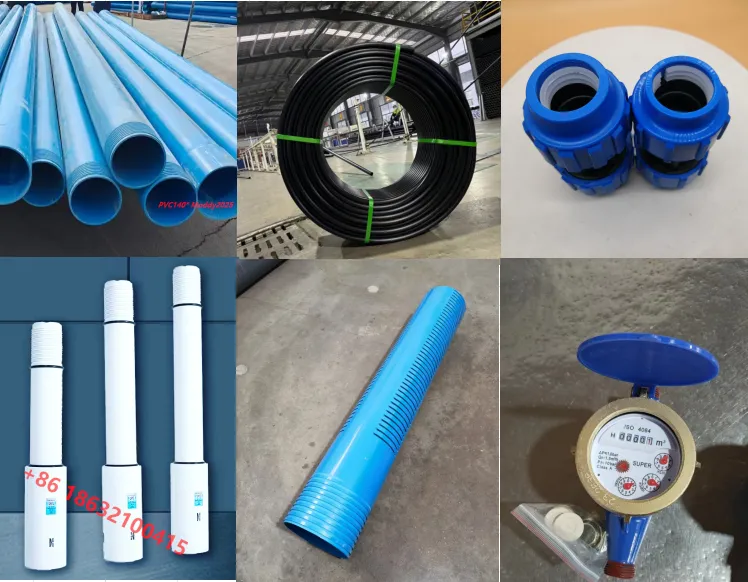
HDPE pipes are produced from high-density polyethylene resin, typically sourced from ethylene produced via catalytic cracking of petroleum or natural gas. The resin’s properties are critical; a high molecular weight and narrow molecular weight distribution contribute to superior strength and creep resistance. Key raw material specifications include density (typically 0.941 – 0.965 g/cm³), Melt Flow Index (MFI – affecting processability, generally between 0.3 - 0.8 g/10min), and carbon black content for UV protection. Manufacturing predominantly utilizes extrusion processes. The polyethylene resin is fed into an extruder, melted, and forced through a die to form a continuous pipe. Critical parameters during extrusion include barrel temperature profiles (typically 180-240°C, varying by resin grade), die temperature (closely regulated to ensure dimensional accuracy), and haul-off speed (controlling wall thickness). Pipe diameters range from small distribution lines (½ inch) to large transmission mains (63 inches or greater). Pressure rating is achieved through variations in wall thickness, classified according to Pressure Class (e.g., PN10, PN16, PN20), dictating maximum allowable operating pressure. Post-extrusion, pipes undergo cooling, sizing, and quality control checks, including hydrostatic testing to verify pressure integrity and dimensional accuracy. Proper annealing is crucial to relieve internal stresses and improve long-term performance.
Performance & Engineering
HDPE’s performance is governed by its inherent material properties and the engineering design considerations for specific applications. Stress analysis, utilizing Finite Element Analysis (FEA), is crucial in determining appropriate wall thicknesses to withstand internal water pressure, external soil loads, and dynamic loads from traffic or seismic activity. The long-term hydrostatic strength (LTHS) is a critical performance indicator, predicting pipe life under sustained pressure and temperature. Creep resistance, the tendency of the material to deform over time under constant stress, is a significant factor influencing LTHS. HDPE exhibits excellent chemical resistance to most commonly encountered water treatment chemicals, including chlorine, chloramines, and fluoride. However, prolonged exposure to strong oxidizing agents should be avoided. Environmental resistance is also paramount. UV degradation can be mitigated by incorporating carbon black into the resin formulation. Buried HDPE pipes are generally unaffected by soil chemistry, but consideration must be given to potential galvanic corrosion if in contact with dissimilar metals. Installation is a key engineering aspect. Jointing is typically achieved through butt fusion welding, electrofusion welding, or mechanical fittings. Butt fusion, the most common method, requires precise temperature and pressure control to create a homogenous weld joint with strength equivalent to the base material. Proper anchoring and restraint are necessary to prevent pipe movement and stress concentration, particularly in areas prone to soil settlement or thermal expansion/contraction.
Technical Specifications
| Parameter | Unit | Typical Value (PN16 Pipe) | Test Standard |
|---|---|---|---|
| Nominal Diameter | mm | 110 | ISO 4427 |
| Pressure Rating | bar | 16 | ISO 4427 |
| Wall Thickness | mm | 3.7 | Calculated per ISO 4427 |
| Density | g/cm³ | 0.953 | ISO 1183 |
| Hydrostatic Design Stress (HDS) | MPa | 8.0 | ISO 4427 |
| Long Term Hydrostatic Strength (LTHS) | % of HDS at 50 years | 86 | ISO 1167 |
Failure Mode & Maintenance
HDPE water supply pipes, while durable, are susceptible to specific failure modes. Slow Crack Growth (SCG) is a primary concern, initiated by sustained stress, the presence of aggressive chemicals, and micro-defects in the material. SCG manifests as brittle cracks propagating slowly over time, eventually leading to leakage. Another failure mode is Rapid Crack Propagation (RCP), triggered by a sudden pressure surge or impact, causing catastrophic failure. Weld defects, such as incomplete fusion or porosity, significantly reduce joint strength and can initiate failure. External damage from excavation equipment or ground movement can cause mechanical damage, including cracking and puncture. Soil stresses, particularly from unstable soils or heavy loads, can lead to pipe deformation and localized stress concentrations. Maintenance primarily focuses on preventative measures. Regular leak detection surveys are crucial for identifying SCG and weld failures. Proper backfill procedures, using non-aggressive materials and ensuring adequate compaction, minimize external stress. Surge protection devices should be installed to mitigate pressure transients. Joint integrity should be periodically inspected, particularly in areas prone to movement or corrosion. For repairs, qualified technicians should perform butt fusion or electrofusion welding, adhering to strict quality control procedures. In cases of significant damage, pipe replacement may be necessary.
Industry FAQ
Q: What is the impact of temperature on the performance of HDPE pipes?
A: Temperature significantly influences HDPE’s mechanical properties. Elevated temperatures reduce the material's strength and increase its susceptibility to creep. Conversely, low temperatures can increase brittleness. Design calculations must account for the anticipated operating temperature range, and appropriate derating factors should be applied to HDS and LTHS values. Furthermore, thermal expansion and contraction need to be considered during installation to prevent stress buildup.
Q: What are the advantages of HDPE over ductile iron for water transmission?
A: HDPE offers several advantages over ductile iron. It’s significantly lighter, reducing installation costs and handling requirements. It's corrosion-resistant, eliminating the need for costly protective coatings and cathodic protection systems. It has a smoother inner surface, resulting in lower friction losses and improved hydraulic efficiency. HDPE's flexibility allows for greater tolerance to ground movement and seismic activity. However, ductile iron generally has a higher tensile strength and can withstand higher pressures in certain applications.
Q: How do you ensure the quality of butt-fused joints?
A: Ensuring butt fusion joint quality requires strict adherence to established procedures. This includes proper surface preparation (cleaning and facing the pipe ends), precise temperature control of the heating plate and pipe ends, application of appropriate fusion pressure, and accurate cooling time. Non-destructive testing (NDT) methods, such as visual inspection and ultrasonic testing, are essential to identify defects. Qualified and certified fusion operators are crucial.
Q: What are the implications of using recycled HDPE in water supply pipes?
A: Using recycled HDPE is increasingly common, promoting sustainability. However, the quality of recycled material must be rigorously controlled. The material should be sourced from known and reliable sources, and its properties (MFI, density, molecular weight) should be verified to meet relevant standards. Blending recycled and virgin HDPE is often practiced to optimize performance and maintain quality.
Q: What is the expected service life of a properly installed HDPE water supply pipe?
A: A properly installed and maintained HDPE water supply pipe can have a service life exceeding 50 years, and often exceeding 100 years. The actual lifespan depends on factors such as operating pressure, temperature, soil conditions, water quality, and the quality of installation. Regular inspections and preventative maintenance are key to maximizing service life.
Conclusion
HDPE water supply pipes represent a durable, reliable, and cost-effective solution for potable water distribution. Their inherent material properties, coupled with advancements in manufacturing and installation techniques, have positioned them as a leading alternative to traditional piping materials. Understanding the material science, performance characteristics, and potential failure modes is critical for ensuring long-term operational integrity and minimizing life-cycle costs.
Continued research and development focusing on enhancing SCG resistance, improving weld quality control, and developing more sustainable recycled HDPE formulations will further solidify HDPE's position in the water infrastructure sector. Adherence to rigorous quality standards and proper engineering design practices are paramount to realizing the full potential of this versatile material.
-
DN25 HDPE Compression Fitting-HORON INTERNATIONAL|Reliable Irrigation Solutions
NewsFeb.11,2026
-
hdpe coupling joint product Manufacturing Analysis
News2026-11-18
-
ppr pipe heating time products Performance Analysis
News2026-11-16
-
hdpe pipe sizes factory Performance Analysis
News2026-11-09
-
HDPE Pipe Sizes Service Performance Analysis
News2026-10-26
-
wholesale 15mm ppr pipe Material Science and Performance Analysis
News2026-10-20
-
wholesale pvc pipe price per foot Technical Analysis
News2026-09-21
-
wholesale long pvc pipe Technical Analysis and Manufacturing Specifications
News2026-09-15
-
wholesale plumbing kitchen sink water lines Material Performance
News2026-09-15
-
wholesale hdpe drip irrigation Material Science
News2026-09-15
-
wholesale hot water ppr pipe Performance Analysis
News2026-09-15
-
wholesale ppr plumbing Performance Analysis
News2026-09-15
-
wholesale ppr pipe supplier Performance Analysis
News2026-09-13
-
wholesale 50mm ppr pipe Performance Analysis
News2026-09-13
-
wholesale hdpe drip pipe Performance Analysis
News2026-09-13
-
wholesale hdpe pipe 63mm price Manufacturing Specification and Performance Analysis
News2026-09-13