

Feb . 11, 2026 00:01 Back to list
hdpe water supply pipe manufacturer Performance and Engineering
Introduction
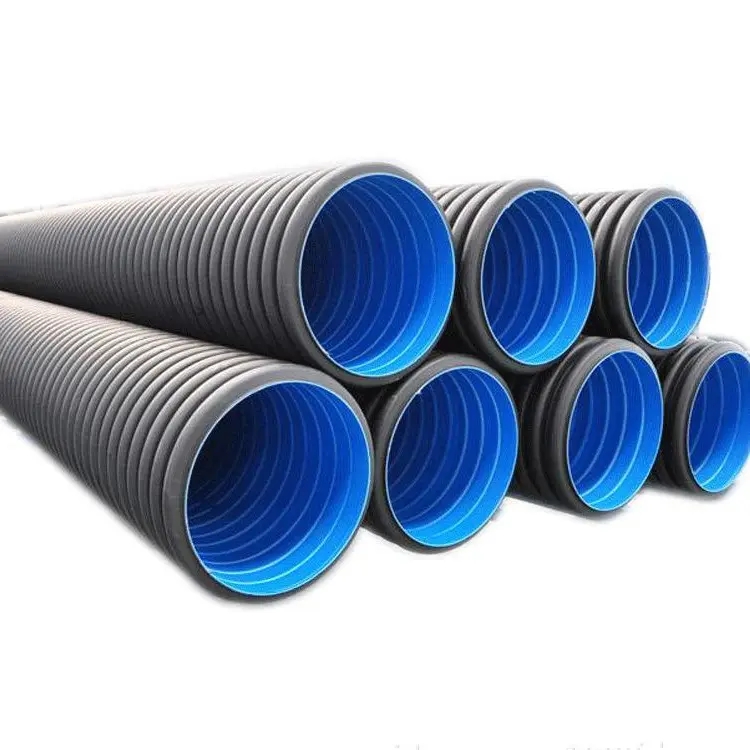
High-Density Polyethylene (HDPE) water supply pipes represent a significant advancement in water distribution infrastructure, offering a compelling alternative to traditional materials like ductile iron, PVC, and concrete. Positioned as a critical component within the broader potable water and wastewater management industry, HDPE pipes are increasingly favored due to their durability, corrosion resistance, and cost-effectiveness. These pipes are manufactured through extrusion processes, resulting in seamless tubes available in a range of diameters and pressure ratings, conforming to stringent industry standards. Core performance characteristics include exceptional flow capacity due to smooth inner walls, flexibility allowing for trenchless installation techniques, and long-term hydraulic performance stability. The industry’s shift towards HDPE reflects a growing emphasis on lifecycle cost analysis, sustainable infrastructure development, and minimizing water loss through leakage. Addressing key pain points such as corrosion-related failures, high installation costs, and vulnerability to ground movement, HDPE pipes present a robust and reliable solution for modern water distribution networks.
Material Science & Manufacturing
The foundation of HDPE water supply pipes lies in the material science of high-density polyethylene itself. HDPE is a thermoplastic polymer produced from the polymerization of ethylene. Its high density – typically ranging from 0.941 to 0.965 g/cm³ – contributes to its strength and resistance to chemical degradation. Raw materials typically include natural gas or petroleum-derived ethylene. The manufacturing process begins with resin selection, graded based on Molecular Weight Distribution (MWD) and PE100 designation indicating enhanced slow crack growth resistance. Production commonly employs extrusion techniques: either hot extrusion or cold extrusion. Hot extrusion involves heating the HDPE resin to a molten state (around 180-210°C) and forcing it through a die to form the pipe. Critical parameters during extrusion include temperature control within the extruder barrel, die pressure, and cooling rates to ensure consistent wall thickness and material crystallinity. Cold extrusion is preferred for smaller diameter pipes and uses lower temperatures. Post-extrusion processes include size calibration, cooling, printing (identification markings), and cutting to length. Quality control measures throughout the manufacturing process involve rigorous testing of melt flow index, density, hydrostatic strength, and dimensional accuracy, ensuring conformance to relevant standards. Material compatibility with soil types and water chemistry is also a consideration, with additives sometimes incorporated to enhance UV resistance and prevent oxidation.
Performance & Engineering
The performance of HDPE water supply pipes is governed by several key engineering principles. Firstly, the pipes exhibit exceptional resistance to internal hydrostatic pressure, dictated by their pressure rating (PN – nominal pressure). Force analysis considers hoop stress within the pipe wall, calculated based on the internal pressure and pipe diameter using the Barlow's formula. Secondly, HDPE's inherent flexibility allows for significant ground movement and seismic activity without failure. This is crucial in areas prone to earthquakes or unstable soil conditions. The ability to absorb strain minimizes the risk of cracking or joint separation. Thirdly, HDPE offers excellent resistance to a broad range of chemicals commonly found in potable water and soil environments. However, prolonged exposure to strong oxidizing agents should be avoided. Environmental resistance testing includes UV exposure assessment (for above-ground applications) and accelerated aging tests to predict long-term performance. Compliance with drinking water standards (e.g., NSF/ANSI 61) is paramount, ensuring that the pipe material does not leach harmful substances into the water supply. Installation practices significantly impact performance; proper bedding and backfilling are essential to distribute loads evenly and prevent stress concentrations. The long-term hydraulic performance is maintained due to HDPE’s smooth internal surface, minimizing friction losses and preventing bio-film buildup.
Technical Specifications
| Parameter | Unit | Typical Value (PN10) | Typical Value (PN16) |
|---|---|---|---|
| Nominal Pressure | Bar | 10 | 16 |
| Outside Diameter | mm | 110 | 160 |
| Wall Thickness | mm | 5.8 | 8.3 |
| Hydrostatic Pressure Test | Bar | 15 | 24 |
| Tensile Strength (MRS 10) | MPa | 10.0 | 10.0 |
| Slow Crack Growth Resistance | Hours | >1600 (FNCT) | >1600 (FNCT) |
Failure Mode & Maintenance
Despite their inherent robustness, HDPE water supply pipes are susceptible to certain failure modes. Slow Crack Growth (SCG) is a primary concern, initiated by sustained tensile stress in the presence of certain contaminants. This is mitigated through the use of PE100 materials with enhanced SCG resistance and proper installation practices. Fatigue cracking can occur due to cyclical pressure fluctuations or external loads, particularly at joints. Localized stress concentrations caused by improper bedding or sharp bends can accelerate fatigue. Corrosion, while not directly affecting the HDPE material, can occur at metallic fittings if galvanic corrosion is not prevented. Oxidation can occur with prolonged exposure to UV radiation and high temperatures, leading to embrittlement. Delamination may happen in improperly fused joints. Maintenance typically involves periodic inspections for leaks, visual assessment of pipe condition, and monitoring of water quality. Repair can be achieved through saddle fusion, electrofusion, or mechanical couplings. Preventative maintenance includes ensuring proper cathodic protection at metallic fittings, maintaining adequate soil cover, and avoiding exposure to incompatible chemicals. A proactive approach to maintenance, including regular pressure testing and leak detection surveys, is crucial to maximizing the lifespan of HDPE water supply systems. Failure analysis should include visual examination, material testing, and assessment of installation records to determine root causes and prevent recurrence.
Industry FAQ
Q: What is the impact of surge pressure on HDPE pipe systems and how can it be mitigated?
A: Surge pressure, or water hammer, can exert significant stress on HDPE pipes, potentially leading to cracking or joint failure. Mitigation strategies include installing surge relief valves, utilizing slow-closing valves, and implementing proper pipe anchoring to minimize pressure wave propagation. Air chambers can also be used to absorb pressure surges.
Q: How does the soil type affect the installation and performance of HDPE pipes?
A: Soil type significantly influences HDPE pipe installation and performance. Aggressive soils containing sharp rocks or debris require adequate bedding material to prevent damage. Corrosive soils can accelerate corrosion of metallic fittings. Unstable soils necessitate flexible installation techniques to accommodate ground movement. Soil analysis is crucial during the design phase.
Q: What is the expected lifespan of a properly installed HDPE water supply system?
A: A properly installed and maintained HDPE water supply system can have a lifespan exceeding 50 years, often up to 100 years. This is significantly longer than many traditional materials. Lifespan is dependent on factors such as water quality, soil conditions, operating pressure, and adherence to industry best practices.
Q: What are the advantages of trenchless installation methods for HDPE pipes?
A: Trenchless installation methods, such as horizontal directional drilling (HDD), offer several advantages including reduced disruption to traffic and the environment, lower installation costs in urban areas, and the ability to install pipes under obstacles such as roads and rivers. HDPE’s flexibility makes it ideally suited for these techniques.
Q: How do HDPE pipes compare to PVC in terms of environmental impact?
A: HDPE generally has a lower environmental impact than PVC. HDPE is recyclable and doesn't contain phthalates or chlorine, which are present in PVC. HDPE also has a lower carbon footprint in terms of manufacturing and transportation. The lifecycle assessment favors HDPE due to its durability and extended lifespan, reducing the need for frequent replacements.
Conclusion
HDPE water supply pipes represent a paradigm shift in water distribution technology, offering a robust, reliable, and sustainable alternative to conventional materials. Their inherent properties – including exceptional strength, flexibility, corrosion resistance, and long-term durability – address critical pain points within the industry, reducing lifecycle costs and enhancing infrastructure resilience. The successful implementation of HDPE systems, however, relies on a comprehensive understanding of material science, manufacturing processes, and engineering principles.
Looking forward, continued advancements in HDPE resin technology, coupled with the development of innovative installation techniques, will further enhance the performance and cost-effectiveness of these systems. Adherence to stringent quality control standards and the adoption of proactive maintenance strategies are essential to maximizing the lifespan of HDPE water supply networks and ensuring the reliable delivery of potable water for generations to come.
-
DN25 HDPE Compression Fitting-HORON INTERNATIONAL|Reliable Irrigation Solutions
NewsFeb.11,2026
-
hdpe coupling joint product Manufacturing Analysis
News2026-11-18
-
ppr pipe heating time products Performance Analysis
News2026-11-16
-
hdpe pipe sizes factory Performance Analysis
News2026-11-09
-
HDPE Pipe Sizes Service Performance Analysis
News2026-10-26
-
wholesale 15mm ppr pipe Material Science and Performance Analysis
News2026-10-20
-
wholesale pvc pipe price per foot Technical Analysis
News2026-09-21
-
wholesale long pvc pipe Technical Analysis and Manufacturing Specifications
News2026-09-15
-
wholesale plumbing kitchen sink water lines Material Performance
News2026-09-15
-
wholesale hdpe drip irrigation Material Science
News2026-09-15
-
wholesale hot water ppr pipe Performance Analysis
News2026-09-15
-
wholesale ppr plumbing Performance Analysis
News2026-09-15
-
wholesale ppr pipe supplier Performance Analysis
News2026-09-13
-
wholesale 50mm ppr pipe Performance Analysis
News2026-09-13
-
wholesale hdpe drip pipe Performance Analysis
News2026-09-13
-
wholesale hdpe pipe 63mm price Manufacturing Specification and Performance Analysis
News2026-09-13