

Feb . 11, 2026 00:01 Back to list
hdpe water supply pipe factory Manufacturing Specifications and Performance Analysis
Introduction
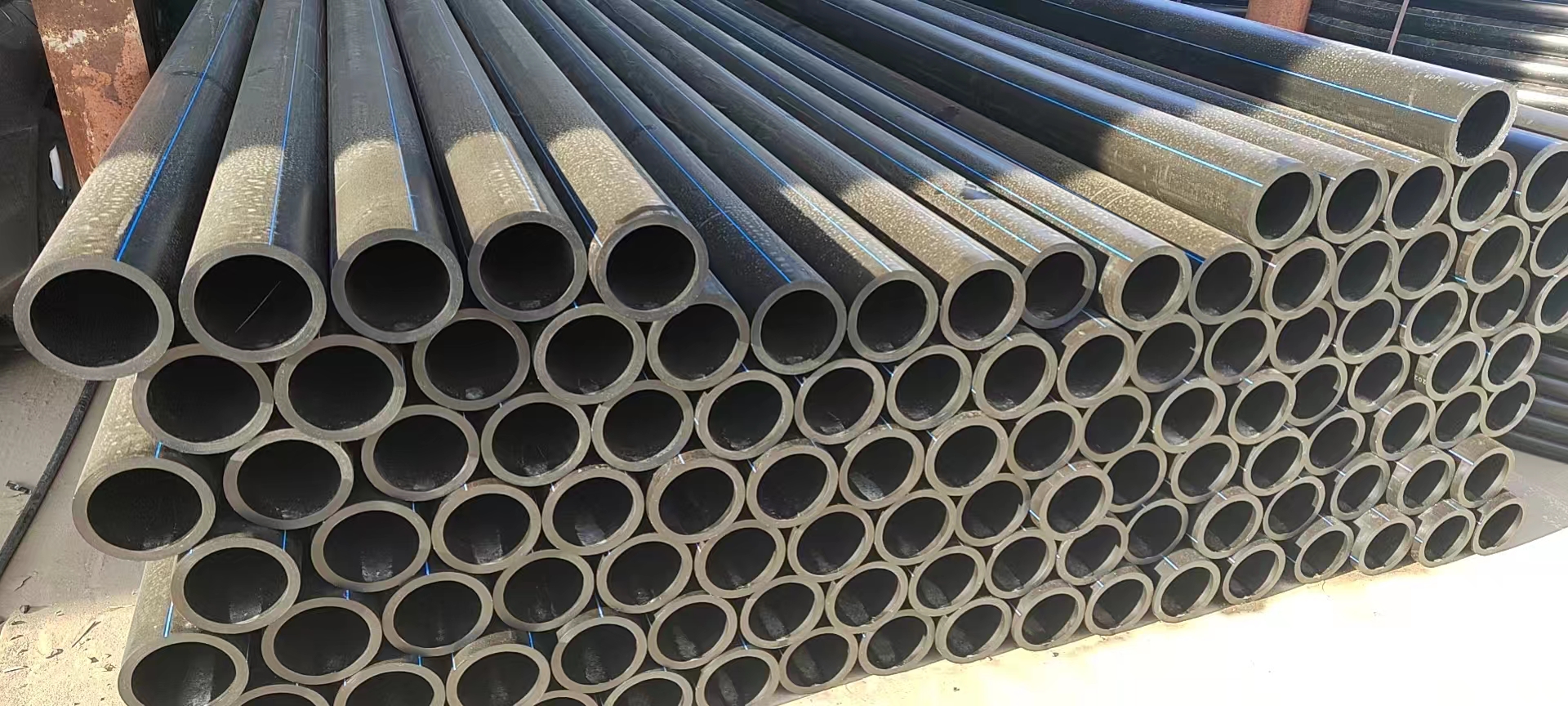
High-Density Polyethylene (HDPE) water supply pipe represents a significant advancement in water distribution infrastructure. Positioned as a direct replacement for traditional materials like ductile iron, PVC, and steel, HDPE pipes offer a combination of durability, flexibility, and cost-effectiveness. These pipes are manufactured through extrusion processes, yielding seamless pipes in various diameters and pressure ratings. Core performance characteristics include excellent chemical resistance, leak-free joints achieved through heat fusion welding, and a smooth interior surface minimizing friction loss. The increasing adoption of HDPE is driven by growing concerns surrounding water infrastructure degradation, the need for sustainable materials, and the demand for reduced long-term maintenance costs. A key pain point in the industry is the initial higher material cost versus PVC, however, a Total Cost of Ownership (TCO) analysis consistently demonstrates HDPE’s long-term economic advantages due to its longevity and reduced repair frequency.
Material Science & Manufacturing
HDPE pipe production begins with high-density polyethylene resin, typically produced via the Ziegler-Natta or metallocene catalytic processes. The resin’s molecular weight distribution and density are critical properties, influencing the pipe’s strength and environmental stress crack resistance (ESCR). Density typically ranges from 0.93 to 0.97 g/cm³. The manufacturing process primarily involves extrusion. Resin is fed into an extruder, melted, and forced through a die to create the desired pipe diameter. Key parameters during extrusion include melt temperature (typically 180-210°C), die pressure, and cooling rate. Improper temperature control leads to variations in pipe wall thickness and potential weak points. Different grades of HDPE (e.g., PE3408, PE4710) are used depending on the intended application and pressure requirements. Pipe dimensions are tightly controlled according to standards like ASTM D3350. Heat fusion welding, specifically butt fusion, socket fusion, and electrofusion, are the preferred joining methods. Successful welding relies on precise temperature and pressure control to create a homogenous weld joint with strength comparable to the base material. The quality of the welding process is heavily dependent on operator skill and adherence to standardized procedures.
Performance & Engineering
The performance of HDPE water supply pipes is fundamentally governed by its mechanical properties and resistance to environmental factors. Stress analysis under internal pressure (burst pressure) is a critical design consideration. The hoop stress formula (σ = PD/2t, where P is pressure, D is diameter, and t is wall thickness) dictates the required wall thickness for a given operating pressure. HDPE exhibits excellent ductile behavior, meaning it yields significantly before fracturing, providing a safety margin against catastrophic failure. Environmental factors, such as ultraviolet (UV) radiation and long-term creep, also impact performance. UV degradation can embrittle the material, necessitating the use of UV stabilizers or protective coatings, particularly for above-ground applications. Long-term creep, or the gradual deformation under sustained load, is a concern at elevated temperatures. Soil loading and external pressure from traffic must also be considered, especially for buried pipes. Compliance with standards like AWWA C906 ensures pipes meet minimum performance requirements for pressure rating, burst strength, and long-term durability. The smooth inner surface of HDPE reduces friction loss, resulting in lower pumping costs and increased flow capacity compared to rougher pipe materials. Furthermore, HDPE’s flexibility allows it to accommodate ground movement and seismic activity without fracturing.
Technical Specifications
| Parameter | Unit | PE3408 | PE4710 |
|---|---|---|---|
| Hydrostatic Design Basis (HDB) | psi | 800 | 1000 |
| Hydrostatic Design Stress (HDS) | psi | 400 | 500 |
| Minimum Burst Pressure | psi | 2400 | 3000 |
| Density | g/cm³ | 0.93 – 0.94 | 0.94 – 0.96 |
| Environmental Stress Crack Resistance (ESCR) | Hours to Failure | >1000 | >5000 |
| Service Temperature Range | °F | -40 to 140 | -40 to 180 |
Failure Mode & Maintenance
HDPE water supply pipes, while durable, are susceptible to specific failure modes. Slow Crack Growth (SCG) is a primary concern, particularly in areas with high stress concentrations or aggressive soil conditions. SCG initiates from scratches, gouges, or imperfections in the pipe wall and propagates slowly over time, eventually leading to failure. Another failure mode is Oxidative Degradation, caused by exposure to oxygen and high temperatures over prolonged periods. This leads to embrittlement and loss of mechanical properties. Third-party damage during installation or excavation is a common cause of failure, resulting in punctures or cracks. Joint failures can occur due to improper heat fusion welding techniques, contamination during welding, or inadequate pressure during the cooling phase. Maintenance typically involves regular leak detection surveys, cathodic protection in corrosive soil environments, and visual inspections for signs of damage. Repair options include mechanical couplings, heat fusion patches, or replacement of the damaged section. Preventative measures include proper bedding and backfilling practices, the use of protective sleeves over exposed pipe sections, and thorough quality control during installation and welding.
Industry FAQ
Q: What is the impact of soil corrosivity on HDPE pipe lifespan?
A: Soil corrosivity can significantly impact HDPE pipe lifespan. Highly corrosive soils, particularly those with high sulfate content or stray electrical currents, can accelerate degradation and SCG. Implementing cathodic protection systems and selecting HDPE grades with enhanced ESCR are crucial mitigation strategies.
Q: How does HDPE pipe perform in seismic regions?
A: HDPE’s inherent flexibility makes it exceptionally well-suited for seismic regions. Unlike rigid pipes, it can withstand ground movement and deformation without fracturing, reducing the risk of catastrophic failure during earthquakes.
Q: What are the advantages of heat fusion welding over mechanical joints?
A: Heat fusion welding creates a homogenous, leak-free joint with strength comparable to the base material. Mechanical joints, while faster to install, are prone to leaks and require periodic tightening and maintenance. Heat fusion minimizes long-term maintenance costs and ensures a reliable connection.
Q: What is the acceptable level of ovality in HDPE pipe after installation?
A: Ovality, or deformation of the pipe’s cross-section, should be minimized. Generally, ovality should not exceed 5% of the nominal diameter. Excessive ovality can indicate improper installation, soil loading issues, or pipe damage.
Q: How does HDPE compare to PVC in terms of long-term cost?
A: While PVC has a lower initial material cost, HDPE typically offers a lower Total Cost of Ownership (TCO) over the pipe’s lifespan. HDPE’s longer service life, reduced leakage rates, and lower maintenance requirements offset the higher upfront investment.
Conclusion
HDPE water supply pipe represents a robust and sustainable solution for modern water distribution systems. Its exceptional chemical resistance, durability, and flexibility, coupled with leak-free joining capabilities, address critical pain points associated with traditional piping materials. Careful consideration of material selection, proper installation techniques, and preventative maintenance programs are paramount to maximizing the long-term performance and reliability of HDPE infrastructure.
Looking ahead, advancements in HDPE resin technology and welding techniques will further enhance the performance and cost-effectiveness of these systems. Increased adoption of smart monitoring technologies will enable proactive leak detection and predictive maintenance, optimizing operational efficiency and minimizing water loss. HDPE pipe will continue to play a vital role in ensuring safe, reliable, and sustainable water delivery for communities worldwide.
-
DN25 HDPE Compression Fitting-HORON INTERNATIONAL|Reliable Irrigation Solutions
NewsFeb.11,2026
-
hdpe coupling joint product Manufacturing Analysis
News2026-11-18
-
ppr pipe heating time products Performance Analysis
News2026-11-16
-
hdpe pipe sizes factory Performance Analysis
News2026-11-09
-
HDPE Pipe Sizes Service Performance Analysis
News2026-10-26
-
wholesale 15mm ppr pipe Material Science and Performance Analysis
News2026-10-20
-
wholesale pvc pipe price per foot Technical Analysis
News2026-09-21
-
wholesale long pvc pipe Technical Analysis and Manufacturing Specifications
News2026-09-15
-
wholesale plumbing kitchen sink water lines Material Performance
News2026-09-15
-
wholesale hdpe drip irrigation Material Science
News2026-09-15
-
wholesale hot water ppr pipe Performance Analysis
News2026-09-15
-
wholesale ppr plumbing Performance Analysis
News2026-09-15
-
wholesale ppr pipe supplier Performance Analysis
News2026-09-13
-
wholesale 50mm ppr pipe Performance Analysis
News2026-09-13
-
wholesale hdpe drip pipe Performance Analysis
News2026-09-13
-
wholesale hdpe pipe 63mm price Manufacturing Specification and Performance Analysis
News2026-09-13