

Feb . 11, 2026 00:01 Back to list
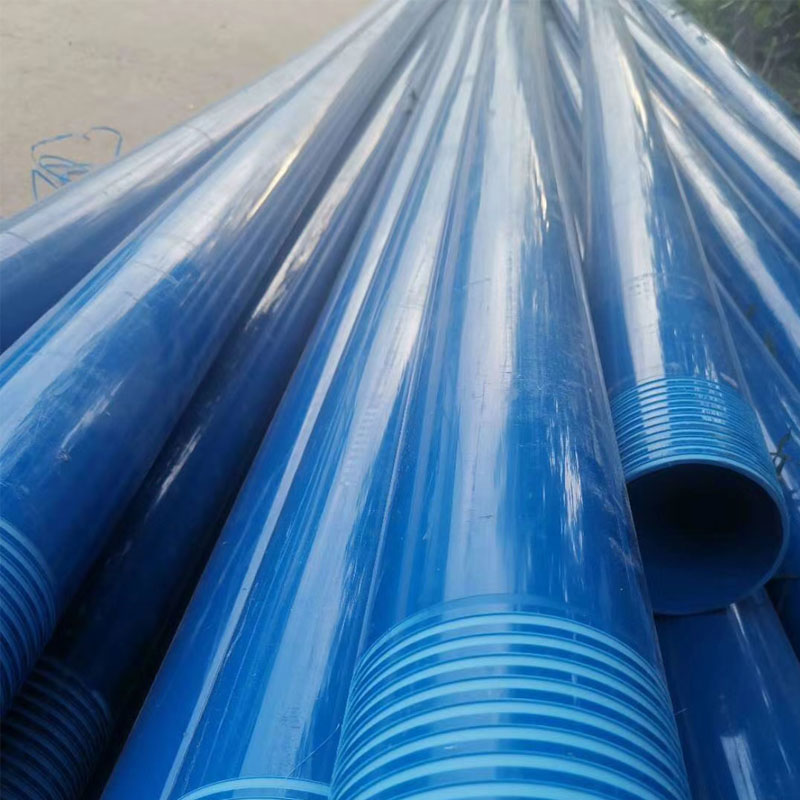
hdpe water supply pipe factories Performance Engineering

Introduction
High-Density Polyethylene (HDPE) water supply pipes represent a significant advancement in fluid conveyance infrastructure. Positioned within the water distribution network as a critical component, these pipes are integral to municipal, agricultural, and industrial water systems. Unlike traditional materials such as ductile iron or concrete, HDPE offers a unique combination of flexibility, chemical resistance, and longevity. Their increasing adoption is driven by demands for reduced leakage, lower maintenance costs, and enhanced sustainability. Core performance characteristics include pressure bearing capacity, resistance to corrosion and scaling, and ease of installation through techniques like butt fusion. The manufacturing landscape of HDPE water supply pipe factories is increasingly focused on quality control, adherence to international standards, and development of innovative pipe designs to meet evolving application requirements. This guide provides a comprehensive overview of HDPE water supply pipes, covering material science, manufacturing processes, performance engineering, potential failure modes, and relevant industry standards.
Material Science & Manufacturing
HDPE is a thermoplastic polymer produced from the monomer ethylene. Its semi-crystalline structure contributes to its high strength-to-density ratio and resistance to chemical attack. Raw material properties, specifically the molecular weight distribution and density (typically between 0.93 and 0.97 g/cm³), directly influence the final pipe performance. Polyethylene grades used for water pipes often incorporate additives like carbon black for UV resistance and antioxidant stabilizers to prevent oxidative degradation. Manufacturing predominantly involves extrusion processes. The process begins with HDPE resin pellets being fed into an extruder, where they are heated and melted. The molten plastic is then forced through a die, shaping it into a continuous pipe. Critical parameters during extrusion include barrel temperature profiles (typically ranging from 180°C to 240°C), screw speed, and die pressure. Precise control of these parameters ensures consistent wall thickness and dimensional accuracy. Subsequent to extrusion, pipes are cooled, calibrated (to maintain internal and external diameters), and cut to length. Butt fusion is the predominant joining method, requiring skilled operators and precise temperature and pressure control to create leak-proof seals. Quality control at each stage, including raw material inspection, in-process monitoring of extrusion parameters, and hydrostatic pressure testing, is paramount to ensure long-term reliability.
Performance & Engineering
HDPE pipes exhibit excellent hydraulic performance due to their smooth inner surface, minimizing friction losses and reducing pumping energy requirements. Force analysis under hydrostatic pressure considers hoop stress (related to pipe diameter and pressure) and longitudinal stress (influenced by end constraints and thermal expansion/contraction). HDPE’s flexibility allows for some ground movement without catastrophic failure, a critical advantage in seismically active areas. Environmental resistance is a key performance attribute; HDPE is unaffected by most common soil chemicals and resistant to corrosion. However, prolonged exposure to UV radiation without adequate stabilization can lead to embrittlement. Compliance requirements vary globally, but generally adhere to standards such as NSF/ANSI 61 for potable water applications, ensuring the pipe material does not leach harmful substances into the water. Engineering considerations also include surge pressure analysis, particularly in pump systems, to prevent water hammer effects that could damage the pipe. Proper anchoring and support are essential to prevent excessive bending stresses, especially in vertical installations. Thermal expansion and contraction, with a coefficient of thermal expansion approximately 0.2 mm/m/°C, must be accommodated through expansion joints or flexible connections.
Technical Specifications
| Parameter | Metric (Imperial) | Testing Standard | Typical Value |
|---|---|---|---|
| Pressure Rating (PN) | PN10, PN16, PN20 (145 psi, 232 psi, 290 psi) | ISO 1167 | Varies based on SDR |
| Standard Dimension Ratio (SDR) | SDR 11, SDR 17, SDR 21, SDR 26 | ASTM D2236 | Ranges from 11 to 26 |
| Hydrostatic Stress Resistance | Hours to failure at specified pressure | ISO 1167 | >1000 hours at 1.5x PN |
| Tensile Strength | >20 MPa (2900 psi) | ASTM D638 | Typically 25-35 MPa |
| Elongation at Break | >300% | ASTM D638 | Typically 400-600% |
| Water Absorption | <0.3% (24 hours) | ASTM D570 | Generally negligible |
Failure Mode & Maintenance
HDPE pipes, while durable, are susceptible to specific failure modes. Slow Crack Growth (SCG) is a common concern, initiated by stress concentrations around imperfections or scratches, particularly in the presence of certain detergents or aggressive chemicals. Oxidative degradation, especially in UV-exposed sections, leads to embrittlement and cracking. Fatigue cracking can occur under cyclic pressure or repeated bending stresses. Joint failures, particularly in butt-fused connections, can result from inadequate fusion parameters (temperature, pressure, dwell time) or improper surface preparation. Third-party damage during excavation is a frequent cause of leaks. Maintenance typically involves visual inspection for cracks, deformations, or leaks. Hydrostatic testing can be conducted to assess pipe integrity. For minor SCG, wrapping the affected area with a protective layer can slow crack propagation. Damaged sections require repair through cut-out and butt fusion of a replacement section. Regular monitoring of water quality and pressure fluctuations can help identify potential issues early. Preventative maintenance, including proper backfilling and protection from UV exposure, is crucial for maximizing pipe lifespan. Proper corrosion protection of metallic fittings connected to HDPE is also essential to prevent galvanic corrosion.
Industry FAQ
Q: What is the impact of temperature on HDPE pipe performance?
A: Temperature significantly affects HDPE pipe performance. Higher temperatures reduce the pipe’s pressure rating due to decreased material strength. Conversely, lower temperatures increase brittleness. Thermal expansion and contraction must be carefully considered during installation, particularly in long pipelines. Derating factors, as specified in standards like ISO 1167, are applied to the pressure rating at elevated temperatures.
Q: How does HDPE compare to PVC in terms of long-term durability?
A: While PVC offers initial cost advantages, HDPE generally exhibits superior long-term durability. HDPE possesses higher impact resistance, especially at low temperatures, and is less susceptible to SCG. HDPE’s resistance to many chemicals is broader than PVC's. The lifecycle cost of HDPE, considering longevity and reduced maintenance, often proves more competitive.
Q: What are the key quality control checks during HDPE pipe manufacturing?
A: Key quality control checks include raw material verification (density, molecular weight distribution), in-process monitoring of extrusion parameters (temperature, pressure, screw speed), dimensional accuracy checks (diameter, wall thickness), hydrostatic pressure testing, and impact resistance testing. Regular batch testing and adherence to ISO 9001 quality management systems are crucial.
Q: What are the best practices for butt fusion joining of HDPE pipes?
A: Best practices include thorough surface preparation (cleaning and removing any contaminants), precise alignment of the pipe ends, strict adherence to fusion parameters (temperature, pressure, dwell time) as specified by the pipe manufacturer, and visual inspection of the fusion weld. Proper operator training and qualification are essential.
Q: Are HDPE pipes suitable for potable water applications, and what certifications are required?
A: Yes, HDPE pipes are widely used for potable water applications. However, they must meet specific certifications to ensure water quality is not compromised. Common certifications include NSF/ANSI 61, which certifies that the pipe material does not leach harmful substances into the water. Compliance with local regulations regarding potable water systems is also required.
Conclusion
HDPE water supply pipes represent a robust and reliable solution for modern water distribution systems. Their inherent properties – flexibility, corrosion resistance, and ease of installation – coupled with adherence to stringent manufacturing and testing standards, position them as a long-term cost-effective alternative to traditional piping materials. The ability to withstand ground movement, minimize leakage, and reduce pumping costs contributes to sustainable water infrastructure development.
Continued innovation in HDPE resin formulations, pipe design, and joining techniques will further enhance the performance and lifespan of these systems. Future development may focus on incorporating smart technologies for leak detection and remote monitoring. A comprehensive understanding of material science, engineering principles, and potential failure modes, as outlined in this guide, is critical for ensuring the successful implementation and long-term operation of HDPE water supply networks.
-
DN25 HDPE Compression Fitting-HORON INTERNATIONAL|Reliable Irrigation Solutions
NewsFeb.11,2026
-
hdpe coupling joint product Manufacturing Analysis
News2026-11-18
-
ppr pipe heating time products Performance Analysis
News2026-11-16
-
hdpe pipe sizes factory Performance Analysis
News2026-11-09
-
HDPE Pipe Sizes Service Performance Analysis
News2026-10-26
-
wholesale 15mm ppr pipe Material Science and Performance Analysis
News2026-10-20
-
wholesale pvc pipe price per foot Technical Analysis
News2026-09-21
-
wholesale long pvc pipe Technical Analysis and Manufacturing Specifications
News2026-09-15
-
wholesale plumbing kitchen sink water lines Material Performance
News2026-09-15
-
wholesale hdpe drip irrigation Material Science
News2026-09-15
-
wholesale hot water ppr pipe Performance Analysis
News2026-09-15
-
wholesale ppr plumbing Performance Analysis
News2026-09-15
-
wholesale ppr pipe supplier Performance Analysis
News2026-09-13
-
wholesale 50mm ppr pipe Performance Analysis
News2026-09-13
-
wholesale hdpe drip pipe Performance Analysis
News2026-09-13
-
wholesale hdpe pipe 63mm price Manufacturing Specification and Performance Analysis
News2026-09-13