

Feb . 11, 2026 00:01 Back to list
hdpe tubing sizes factories Performance Analysis
Introduction
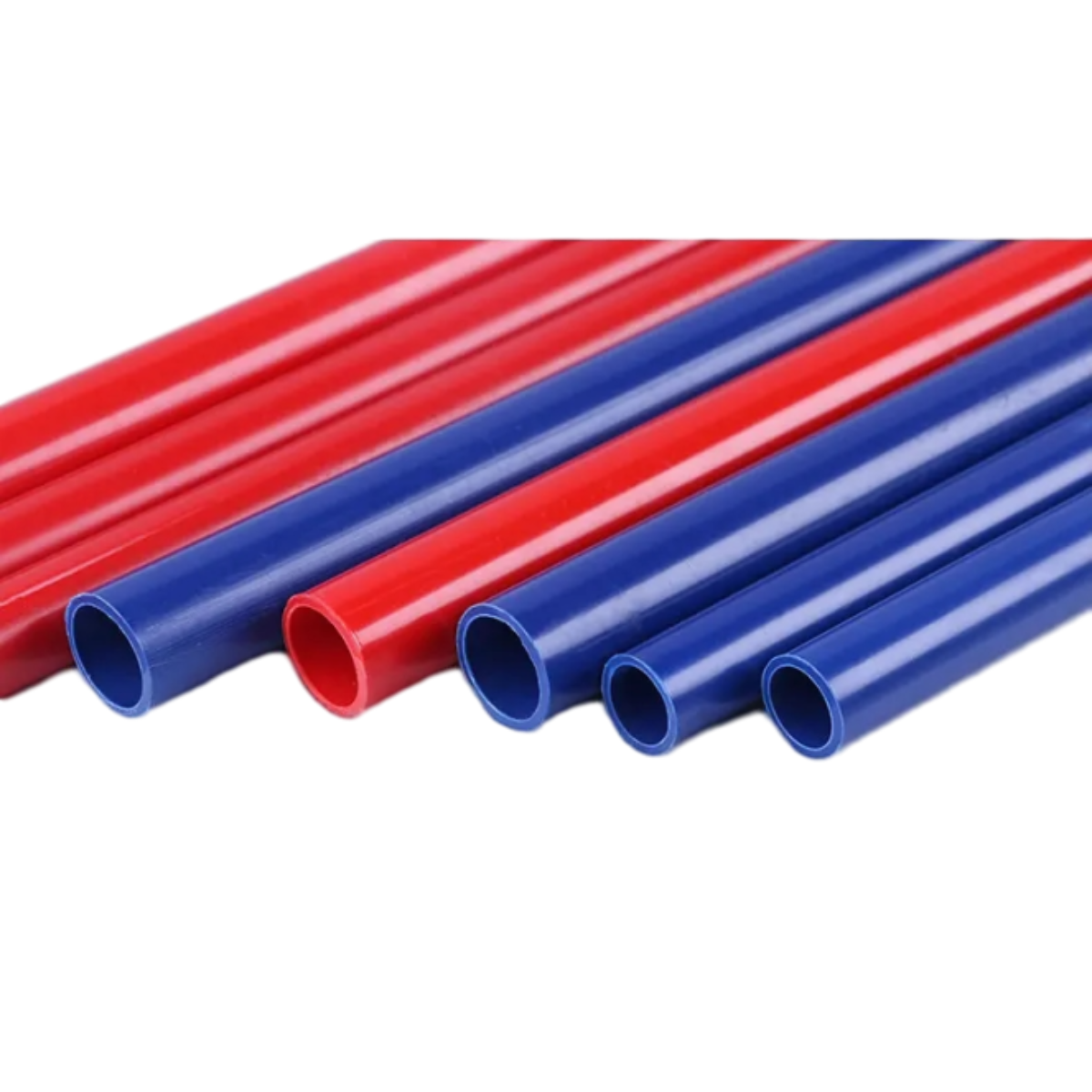
High-Density Polyethylene (HDPE) tubing, manufactured by HDPE tubing sizes factories, represents a critical component across diverse industries including potable water distribution, industrial fluid transfer, irrigation, gas transportation, and drainage systems. Its position in the supply chain extends from petrochemical feedstock production (ethylene polymerization) to fabrication, joining, and ultimately, installation in end-user applications. HDPE tubing is favored for its corrosion resistance, flexibility, lightweight nature, and cost-effectiveness compared to traditional materials like metal pipes. Core performance characteristics revolve around pressure handling capability (defined by Schedule 40, Schedule 80, and SID designations), flow rate, resistance to chemical degradation, and long-term durability. A primary industry pain point involves ensuring consistent dimensional accuracy across a wide range of sizes to maintain system integrity and reduce installation complexities, alongside verifying compliance with evolving regulatory standards concerning material purity and leachability.
Material Science & Manufacturing
HDPE tubing begins with ethylene, a gas derived from natural gas or crude oil. This ethylene undergoes polymerization to create HDPE, a thermoplastic polymer characterized by its high linearity and minimal branching. Key physical properties include a density ranging from 0.93 to 0.97 g/cm³, a tensile strength between 20-30 MPa, and a relatively low coefficient of friction. The manufacturing process typically involves extrusion. HDPE resin is melted and forced through a die of the desired diameter and wall thickness. Crucial parameters during extrusion include melt temperature (typically 180-210°C), die pressure, and cooling rates. Variations in these parameters directly impact the tubing’s dimensional accuracy, ovality, and surface finish. Post-extrusion, the tubing is cooled, marked with size and material specifications, and cut to length. Quality control includes rigorous testing of melt flow index (MFI) to assess molecular weight distribution, and hydrostatic pressure testing to verify burst resistance. Chemical compatibility is primarily dictated by the HDPE’s resistance to acids, bases, and solvents; however, prolonged exposure to strong oxidizing agents or certain hydrocarbons can lead to stress cracking. The addition of carbon black for UV protection is standard practice for outdoor applications.
Performance & Engineering
The performance of HDPE tubing is heavily reliant on its ability to withstand internal and external pressures, as well as environmental stressors. Force analysis involves calculating hoop stress (σh = PD/2t, where P is pressure, D is diameter, and t is wall thickness) to ensure the tubing's structural integrity. Environmental resistance is critical, particularly concerning UV degradation, thermal expansion/contraction, and soil stresses. While HDPE exhibits excellent chemical resistance, permeation of gases (particularly methane in gas distribution systems) is a concern and necessitates appropriate material selection and wall thickness. Compliance requirements vary geographically but generally encompass standards relating to material purity (ensuring the absence of harmful leachates), hydrostatic design stress (HDS) calculations, and joint integrity. The SDR (Standard Dimension Ratio) – the ratio of diameter to wall thickness – is a key engineering parameter determining pressure-bearing capacity. Installation techniques, such as butt fusion, socket fusion, and electrofusion, are critical for achieving leak-free joints and maintaining long-term performance. Proper bedding and backfilling procedures are essential to prevent soil stresses from causing deformation or cracking.
Technical Specifications
| Nominal Pipe Size (inches) | Schedule | Outside Diameter (inches) | Wall Thickness (inches) |
|---|---|---|---|
| 1/2 | 40 | 0.625 | 0.065 |
| 1/2 | 80 | 0.625 | 0.095 |
| 3/4 | 40 | 0.840 | 0.083 |
| 3/4 | 80 | 0.840 | 0.108 |
| 1 | 40 | 1.050 | 0.113 |
| 1 | 80 | 1.050 | 0.138 |
Failure Mode & Maintenance
HDPE tubing, despite its robustness, is susceptible to several failure modes. Slow Crack Growth (SCG) is a primary concern, induced by sustained tensile stress in the presence of aggressive chemicals. This leads to brittle fracture over time. Fatigue cracking can occur under cyclic loading, particularly at joints or areas of stress concentration. UV degradation, while mitigated by carbon black additives, can still lead to embrittlement and reduced mechanical properties over prolonged exposure. Oxidation can occur at elevated temperatures, altering the polymer’s structure. Joint failures are common, stemming from inadequate fusion parameters (temperature, pressure, dwell time) or improper surface preparation. Maintenance primarily focuses on preventative measures: regular visual inspections for cracks, deformations, or signs of UV damage; pressure testing to detect leaks; and adherence to recommended operating pressure limits. For repairs, qualified personnel should perform fusion welding, ensuring proper preparation and adherence to welding procedures. Should SCG be suspected, replacement of the affected section is the recommended course of action. Periodic flushing of the tubing can prevent the buildup of sediment and biofilms which could contribute to corrosion in adjacent metallic fittings.
Industry FAQ
Q: What is the impact of temperature fluctuations on HDPE tubing performance?
A: HDPE exhibits a significant coefficient of thermal expansion. Temperature fluctuations cause the tubing to expand and contract. This movement must be accommodated during installation with expansion loops or flexible connections to prevent stress buildup and potential cracking. Extreme low temperatures can increase brittleness, while high temperatures can reduce the tubing’s pressure-bearing capacity.
Q: How does the SDR (Standard Dimension Ratio) affect the tubing's pressure rating?
A: A lower SDR indicates a thicker wall relative to the diameter, resulting in a higher pressure rating. Higher SDR values represent thinner walls and lower pressure ratings. Selecting the appropriate SDR is crucial based on the anticipated operating pressure and application requirements. Manufacturers provide pressure-temperature derating charts to account for variations in operating temperature.
Q: What are the key considerations for joining HDPE tubing?
A: Proper jointing is paramount. Butt fusion, socket fusion, and electrofusion are the most common methods. Butt fusion requires precise alignment and controlled heating and cooling cycles. Socket fusion relies on heating the pipe and fitting simultaneously before insertion. Electrofusion uses electrical resistance heating. Surface preparation, including cleaning and removal of contaminants, is essential for all methods. Qualified personnel and calibrated equipment are critical.
Q: What testing is performed to ensure HDPE tubing meets quality standards?
A: Common tests include hydrostatic pressure testing (burst pressure verification), melt flow index (MFI) testing (to assess molecular weight), dimensional accuracy checks (diameter, wall thickness, ovality), and chemical resistance testing. Some manufacturers also conduct accelerated aging tests to predict long-term performance.
Q: What is the long-term performance expectation for properly installed HDPE tubing?
A: With proper installation and operation within design parameters, HDPE tubing can have a service life exceeding 50 years. Factors such as UV exposure, soil stresses, and the presence of aggressive chemicals can influence the actual lifespan. Regular inspections and preventative maintenance are essential for maximizing longevity.
Conclusion
HDPE tubing, manufactured by specialized factories, offers a compelling combination of durability, flexibility, and cost-effectiveness, making it a preferred material for a wide spectrum of fluid conveyance applications. Its performance is intrinsically linked to material science – the properties of the HDPE resin itself – and meticulous control of the manufacturing processes. Selecting the appropriate SDR, employing proper joining techniques, and addressing potential failure modes through preventative maintenance are crucial for ensuring long-term reliability and minimizing life-cycle costs.
The future of HDPE tubing lies in advancements in polymer formulations (e.g., enhanced UV resistance, improved creep resistance) and the development of smarter installation techniques incorporating sensor technologies for leak detection and performance monitoring. Continued adherence to stringent quality control measures and evolving industry standards will be paramount in maintaining HDPE's position as a leading material in fluid transfer systems.
-
DN25 HDPE Compression Fitting-HORON INTERNATIONAL|Reliable Irrigation Solutions
NewsFeb.11,2026
-
hdpe coupling joint product Manufacturing Analysis
News2026-11-18
-
ppr pipe heating time products Performance Analysis
News2026-11-16
-
hdpe pipe sizes factory Performance Analysis
News2026-11-09
-
HDPE Pipe Sizes Service Performance Analysis
News2026-10-26
-
wholesale 15mm ppr pipe Material Science and Performance Analysis
News2026-10-20
-
wholesale pvc pipe price per foot Technical Analysis
News2026-09-21
-
wholesale long pvc pipe Technical Analysis and Manufacturing Specifications
News2026-09-15
-
wholesale plumbing kitchen sink water lines Material Performance
News2026-09-15
-
wholesale hdpe drip irrigation Material Science
News2026-09-15
-
wholesale hot water ppr pipe Performance Analysis
News2026-09-15
-
wholesale ppr plumbing Performance Analysis
News2026-09-15
-
wholesale ppr pipe supplier Performance Analysis
News2026-09-13
-
wholesale 50mm ppr pipe Performance Analysis
News2026-09-13
-
wholesale hdpe drip pipe Performance Analysis
News2026-09-13
-
wholesale hdpe pipe 63mm price Manufacturing Specification and Performance Analysis
News2026-09-13