

Feb . 11, 2026 00:01 Back to list
hdpe to steel transition coupling service Performance Analysis
Introduction
HDPE to steel transition couplings are critical components in pipeline systems where high-density polyethylene (HDPE) pipe is connected to steel piping. These couplings facilitate the joining of two dissimilar materials, each possessing unique properties and application benefits. The primary function is to provide a structurally sound, leak-proof connection that accommodates differential thermal expansion and contraction between the HDPE and steel, as well as potential ground movement. This is particularly relevant in oil & gas, water and wastewater, mining, and industrial processing facilities. The performance of these couplings directly impacts the integrity and longevity of the entire pipeline system, making understanding their design, material science, and proper installation paramount. Common failure points include corrosion at the steel interface, HDPE creep under sustained pressure, and compromised sealing mechanisms. This guide provides a detailed technical overview of HDPE to steel transition couplings, covering material properties, manufacturing processes, performance parameters, failure analysis, and relevant industry standards.
Material Science & Manufacturing
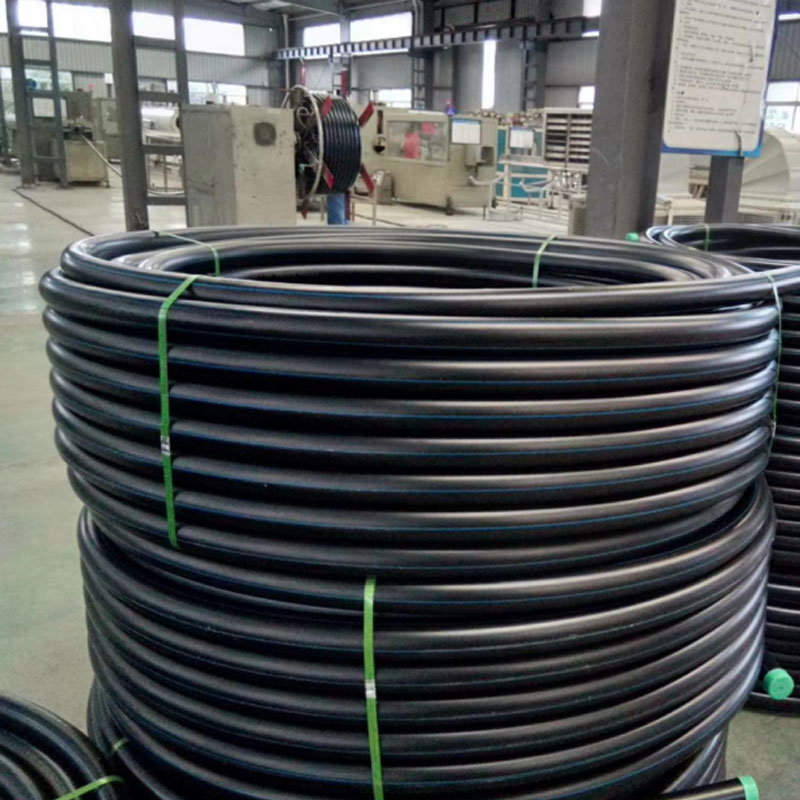
The materials used in HDPE to steel transition couplings are fundamental to their performance. High-Density Polyethylene (HDPE) is a thermoplastic polymer known for its high strength-to-density ratio, excellent chemical resistance, and flexibility. Specifically, HDPE grades used in these couplings typically conform to PE100 standards (ISO 4427), exhibiting a Minimum Required Strength (MRS) of 10 MPa. Steel components are generally carbon steel, chosen for its strength and weldability. However, the grade of steel significantly impacts corrosion resistance. Common steel grades include ASTM A53 Grade B and API 5L X42, often with external coatings like epoxy or polyethylene to mitigate corrosion.
Manufacturing processes vary depending on the coupling design, but broadly fall into several categories: Injection Molding for HDPE components, Steel Fabrication (cutting, welding, machining) for the steel side, and Assembly involving mechanical fastening, welding, or adhesive bonding. Injection molding requires precise temperature and pressure control to ensure uniform density and minimize residual stresses within the HDPE component. Critical parameters include melt temperature (typically 180-220°C), mold temperature (30-60°C), and injection pressure (50-100 MPa). Steel fabrication must adhere to welding procedures specified in ASME Section IX, ensuring complete penetration and minimal porosity. Welding parameters (current, voltage, travel speed) are critical for maintaining the steel’s mechanical properties. The assembly process is critical for establishing a reliable seal. Methods include bolted flange connections with gaskets (typically EPDM or Nitrile), mechanical interlock designs, and, less commonly, field-welded connections between the steel component and a steel sleeve designed for HDPE insertion. Quality control at each stage, including hydrostatic testing of the assembled coupling, is crucial.
Performance & Engineering
The performance of HDPE to steel transition couplings is governed by several engineering considerations. First, pressure containment is paramount. Couplings are designed based on ASME B31.3 (Process Piping) or EN 1092 (Flanges and their Joints) standards, depending on the application. Burst pressure testing is conducted to verify the coupling's ability to withstand maximum operating pressures with a significant safety factor. Second, differential thermal expansion must be accommodated. HDPE has a significantly higher coefficient of thermal expansion (approximately 1.7 x 10^-4 /°C) compared to steel (approximately 1.2 x 10^-5 /°C). Coupling designs incorporate flexible elements or sliding interfaces to prevent stress buildup due to temperature fluctuations. Force analysis involves calculating the stresses induced in the HDPE and steel components due to thermal expansion and internal pressure. Finite Element Analysis (FEA) is frequently used to optimize the coupling geometry and material selection. Third, corrosion resistance is critical, especially at the steel-HDPE interface. Galvanic corrosion can occur if dissimilar metals are in contact in the presence of an electrolyte. Protective coatings, cathodic protection, and the use of compatible materials are employed to mitigate this risk. Finally, ground movement and seismic activity can induce significant stresses on the pipeline. Coupling designs may incorporate flexible joints or expansion loops to accommodate these stresses.
Technical Specifications
| Parameter | Unit | Typical Value (Flanged Coupling, 6" Nominal Pipe Size) | Test Standard |
|---|---|---|---|
| Maximum Operating Pressure | MPa | 16 | ASME B31.3 |
| Burst Pressure | MPa | 48 | API 5L |
| Operating Temperature Range | °C | -40 to 80 | ISO 4427 |
| HDPE Material Grade | - | PE100 | EN 15554 |
| Steel Material Grade | - | ASTM A53 Grade B | ASTM A53 |
| Coating (Steel) | - | Epoxy Fusion Bonded Powder (FBPC) | ISO 21809-1 |
Failure Mode & Maintenance
HDPE to steel transition couplings are susceptible to several failure modes. Creep rupture of the HDPE component under sustained pressure is a common issue, especially at elevated temperatures. This is exacerbated by improper installation or inadequate support. Corrosion of the steel component, particularly at weld joints or coating defects, can lead to leaks and structural failure. Galvanic corrosion between the steel and HDPE can also occur. Delamination of the HDPE from the steel interface, often due to inadequate surface preparation or adhesive failure (in bonded couplings), is another significant concern. Fatigue cracking can occur in bolted flange connections due to cyclic loading and thermal stresses. Oxidation of the HDPE, especially under prolonged UV exposure, can lead to embrittlement and reduced strength.
Preventative maintenance is crucial. Regular visual inspections should be conducted to identify signs of corrosion, leaks, or deformation. Non-destructive testing (NDT) methods, such as ultrasonic testing (UT) and radiographic testing (RT), can be used to assess the integrity of the steel component. Periodic torque checks of bolted flange connections are essential. For buried pipelines, cathodic protection systems should be monitored and maintained. In the event of a leak, the coupling should be immediately taken out of service and inspected. Repair options include replacing the coupling, repairing weld defects (if applicable), or applying corrosion inhibitors. Proper installation, adherence to manufacturer's recommendations, and a robust preventative maintenance program are key to maximizing the service life of these critical pipeline components.
Industry FAQ
Q: What are the key considerations when selecting an HDPE to steel transition coupling for a sour service application (containing H2S)?
A: Sour service applications require materials specifically resistant to sulfide stress cracking (SSC). The steel component must conform to NACE MR0175/ISO 15156 standards and be constructed of low-alloy steels with controlled chemical composition. The HDPE component should also be evaluated for its resistance to degradation in the presence of H2S and other corrosive components. Gaskets and seals must be compatible with sour gas environments. Consider using fully encapsulated couplings to prevent corrosion of the steel.
Q: How do I address the issue of differential thermal expansion between HDPE and steel in a long pipeline?
A: Employing expansion loops or flexible joints is critical. Expansion loops create slack in the pipeline to accommodate thermal movement. Flexible joints, such as rubber expansion joints or bellows-type couplings, can absorb movement without inducing stress on the components. Ensure the expansion loop or flexible joint is appropriately sized based on the expected temperature range and pipeline length. Proper anchoring and support are also important.
Q: What are the limitations of field-welded HDPE to steel transition connections?
A: Field-welded connections require highly skilled welders and strict adherence to welding procedures. Achieving a consistent, defect-free weld between the steel sleeve and the HDPE can be challenging. The welding process can introduce residual stresses into the HDPE, potentially reducing its long-term strength. Quality control, including radiographic inspection, is essential. Pre-fabricated couplings are generally preferred for critical applications.
Q: What types of gaskets are recommended for flanged HDPE to steel transition couplings?
A: EPDM (Ethylene Propylene Diene Monomer) and Nitrile (NBR) gaskets are commonly used. EPDM offers excellent resistance to weathering, ozone, and water, while Nitrile provides good resistance to oils and fuels. The gasket material should be selected based on the fluid being conveyed and the operating temperature. Ensure the gasket is properly sized and installed to achieve a leak-proof seal.
Q: How do I verify the proper installation of an HDPE to steel transition coupling?
A: A thorough visual inspection is the first step, checking for proper alignment, bolt torque, and gasket compression. Hydrostatic testing, conducted according to applicable standards, is essential to verify the coupling’s leak-tightness. For critical applications, radiographic inspection of welds (if present) and non-destructive testing of the HDPE component are recommended.
Conclusion
HDPE to steel transition couplings represent a vital interface in complex piping systems, demanding careful consideration of material properties, manufacturing precision, and operational parameters. Successful implementation relies on a holistic understanding of the interplay between HDPE’s flexibility and steel’s strength, mitigating challenges such as differential thermal expansion and galvanic corrosion. The selection of appropriate materials, adherence to stringent quality control protocols during manufacturing, and the implementation of a robust preventative maintenance program are all critical components of ensuring long-term reliability and safety.
The future of these couplings will likely see increased adoption of advanced materials, such as reinforced polymers and corrosion-resistant alloys, alongside the integration of smart monitoring systems for real-time performance assessment. Continued research into non-destructive testing methodologies and improved welding techniques will also contribute to enhanced durability and reduced lifecycle costs. Prioritizing these advancements will enable the design and deployment of increasingly resilient and efficient pipeline infrastructure.
-
DN25 HDPE Compression Fitting-HORON INTERNATIONAL|Reliable Irrigation Solutions
NewsFeb.11,2026
-
hdpe coupling joint product Manufacturing Analysis
News2026-11-18
-
ppr pipe heating time products Performance Analysis
News2026-11-16
-
hdpe pipe sizes factory Performance Analysis
News2026-11-09
-
HDPE Pipe Sizes Service Performance Analysis
News2026-10-26
-
wholesale 15mm ppr pipe Material Science and Performance Analysis
News2026-10-20
-
wholesale pvc pipe price per foot Technical Analysis
News2026-09-21
-
wholesale long pvc pipe Technical Analysis and Manufacturing Specifications
News2026-09-15
-
wholesale plumbing kitchen sink water lines Material Performance
News2026-09-15
-
wholesale hdpe drip irrigation Material Science
News2026-09-15
-
wholesale hot water ppr pipe Performance Analysis
News2026-09-15
-
wholesale ppr plumbing Performance Analysis
News2026-09-15
-
wholesale ppr pipe supplier Performance Analysis
News2026-09-13
-
wholesale 50mm ppr pipe Performance Analysis
News2026-09-13
-
wholesale hdpe drip pipe Performance Analysis
News2026-09-13
-
wholesale hdpe pipe 63mm price Manufacturing Specification and Performance Analysis
News2026-09-13