

Feb . 11, 2026 00:01 Back to list
hdpe to steel transition coupling products Performance Analysis

Introduction
HDPE to Steel Transition Couplings represent a critical component in fluid and gas transmission systems where the need arises to join High-Density Polyethylene (HDPE) piping to steel infrastructure. These couplings facilitate the connection between the flexible, corrosion-resistant HDPE and the robust, pressure-withstanding capabilities of steel, commonly found in existing pipelines or process equipment. Their technical position within the industry chain lies at the interface between plastics and metallurgy, demanding expertise in both material science and joining technologies. Core performance characteristics revolve around maintaining leak-tight seals under specified pressure and temperature conditions, accommodating thermal expansion/contraction differentials between the two materials, and ensuring long-term structural integrity in potentially corrosive environments. A primary industry pain point is maintaining consistent joint reliability across diverse operational parameters and ensuring compatibility with various fluid media, ranging from potable water to aggressive chemical substances. The coupling's design must mitigate galvanic corrosion risks and provide a secure mechanical connection resistant to vibration and cyclical loading.
Material Science & Manufacturing
The core materials in HDPE to Steel Transition Couplings are, as the name suggests, High-Density Polyethylene (HDPE) and carbon steel, typically specified to ASTM A53 Grade B or equivalent. HDPE possesses excellent chemical resistance, a low coefficient of friction, and high impact strength, but exhibits significant thermal expansion. Its density ranges from 0.941 to 0.965 g/cm³, with a typical tensile strength of 20-30 MPa. Carbon steel, conversely, provides high tensile strength (400-550 MPa) and pressure containment capabilities, but is susceptible to corrosion. Manufacturing the HDPE component often involves injection molding or rotational molding, with strict control over melt temperature (180-250°C), mold temperature (30-60°C), and cooling rates to minimize residual stress and ensure dimensional accuracy. The steel component is usually manufactured through machining, forging, or casting. The critical joining process commonly utilizes a combination of mechanical clamping, rubber gaskets (EPDM, NBR), and sometimes, adhesive bonding. Parameter control focuses on ensuring proper gasket compression to achieve a watertight seal, maintaining dimensional tolerances for a secure mechanical interlock, and surface preparation of the steel component to enhance adhesion if adhesives are used. Galvanic corrosion is a major concern when dissimilar metals are in contact in an electrolyte; therefore, barrier coatings or sacrificial anodes are often incorporated into the design.
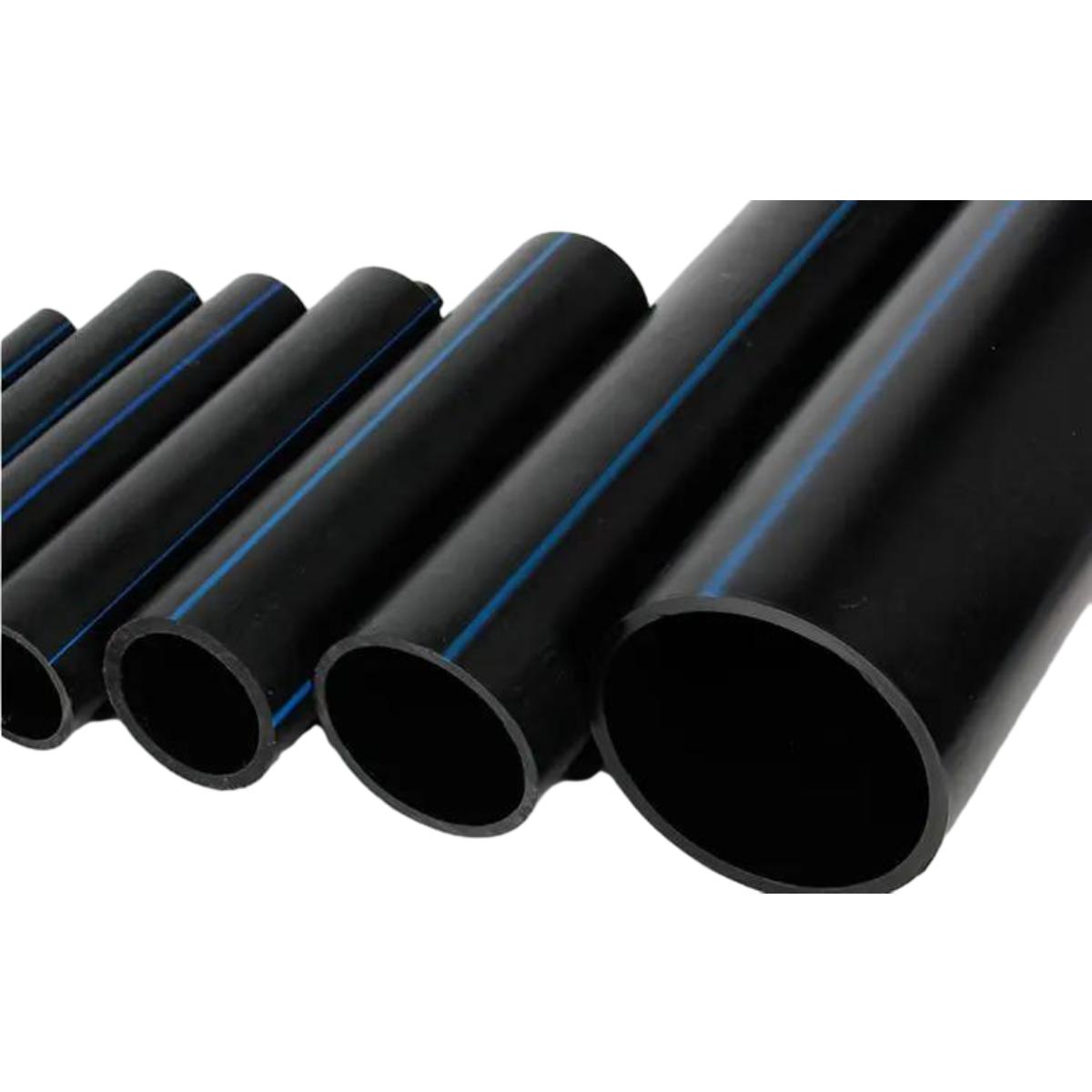
Performance & Engineering
Performance analysis of HDPE to Steel Transition Couplings necessitates consideration of several key factors. Firstly, force analysis examines the stresses induced by internal pressure, axial load (due to piping weight or movement), and thermal expansion/contraction. Finite Element Analysis (FEA) is frequently employed to optimize the coupling’s geometry and material selection to withstand these stresses without failure. Environmental resistance is paramount; the coupling must maintain its integrity in the operating temperature range (typically -40°C to +80°C) and resist degradation from UV exposure, chemical attack, and abrasion. Compliance requirements often involve adherence to industry standards such as AWWA C906 (for potable water applications), API 5L (for pipeline applications), and relevant pressure vessel codes. Functional implementation hinges on proper installation, which includes ensuring adequate pipe insertion depth, correct gasket seating, and appropriate tightening torque of the clamping bolts. Galvanic corrosion mitigation strategies, such as the use of isolation washers or zinc-rich coatings on the steel component, are crucial for long-term performance. Pressure testing, typically conducted hydrostatically to 1.5 times the operating pressure, is essential to verify the integrity of the joint.
Technical Specifications
| Parameter | Specification Range | Testing Standard | Typical Application |
|---|---|---|---|
| Nominal Pipe Size (NPS) | 2” to 48” | ANSI/ASME B36.10M | Potable Water Distribution |
| Operating Pressure | Up to 300 PSI (20.7 bar) | API 5L | Natural Gas Transmission |
| Operating Temperature | -40°C to +80°C | ASTM D1693 | Industrial Wastewater |
| HDPE Material | PE100, PE80 | ISO 4427 | Pressure Sewer Systems |
| Steel Material | ASTM A53 Grade B, Carbon Steel | ASTM A53 | Oil & Gas Pipelines |
| Gasket Material | EPDM, NBR, Viton | ASTM D2000 | Corrosive Chemical Transport |
Failure Mode & Maintenance
Failure modes in HDPE to Steel Transition Couplings are diverse. Fatigue cracking can occur in the steel component due to cyclical pressure and vibration, particularly in areas of stress concentration around bolt holes. Delamination between the HDPE and the gasket can lead to leakage, often exacerbated by improper installation or gasket degradation. Chemical attack on the HDPE material can cause swelling, embrittlement, and eventual failure, especially with prolonged exposure to aggressive solvents or acids. Oxidation of the steel component, particularly if protective coatings are compromised, can lead to corrosion and a loss of structural integrity. Galvanic corrosion, if not adequately mitigated, can accelerate the corrosion of the steel. Maintenance primarily involves periodic visual inspection for signs of corrosion, leakage, or gasket deterioration. Regular torque checks of the clamping bolts are essential to maintain proper gasket compression. If corrosion is detected, the steel component may require recoating or replacement. Damaged or deteriorated gaskets should be replaced immediately. Proper cleaning procedures should be implemented to prevent the buildup of debris that could accelerate corrosion or compromise the seal.
Industry FAQ
Q: What is the primary concern regarding long-term reliability when joining HDPE and steel?
A: The primary concern is galvanic corrosion. The electrochemical potential difference between HDPE and steel, in the presence of an electrolyte (moisture, soil), can lead to accelerated corrosion of the steel component. Mitigation strategies like isolation washers, barrier coatings, or sacrificial anodes are critical.
Q: How does thermal expansion affect the performance of these couplings?
A: HDPE has a significantly higher coefficient of thermal expansion than steel. The coupling design must accommodate this differential expansion to prevent excessive stress on the joint, which could lead to leakage or failure. Flexible gaskets and appropriately sized expansion gaps are essential.
Q: What gasket material is best suited for aggressive chemical environments?
A: Viton (fluoroelastomer) generally offers the best chemical resistance for a wide range of aggressive chemicals. However, specific chemical compatibility should always be verified through testing to ensure long-term performance. EPDM and NBR are suitable for less aggressive environments.
Q: What are the key considerations during installation to ensure a leak-proof seal?
A: Ensuring proper pipe insertion depth, correct gasket seating, and appropriate tightening torque of the clamping bolts are crucial. Surface cleanliness of the pipes and the coupling components is also essential. Following the manufacturer's installation instructions meticulously is paramount.
Q: How do I determine the appropriate coupling size for a given application?
A: The coupling size must match the nominal pipe sizes of both the HDPE and steel pipes being joined. In addition, the operating pressure and temperature must be considered to ensure the coupling is rated for the specific application. Consulting the manufacturer's specifications and performing a thorough engineering review are recommended.
Conclusion
HDPE to Steel Transition Couplings represent a vital interface in fluid and gas transmission systems, bridging the gap between the benefits of HDPE and the strength of steel. Their performance and longevity are fundamentally dependent on careful material selection, robust manufacturing processes, and meticulous attention to detail during installation and maintenance. Understanding the potential failure modes, particularly galvanic corrosion and the impact of thermal expansion, is crucial for ensuring reliable, long-term operation.
Future advancements in coupling design may focus on incorporating smart materials with self-healing capabilities, further enhancing corrosion resistance and extending service life. Continued research into gasket materials with improved chemical resistance and wider temperature ranges will also be critical. The adoption of advanced monitoring technologies, such as embedded sensors to detect early signs of corrosion or leakage, will further optimize performance and minimize downtime, solidifying the role of these couplings in critical infrastructure applications.
-
DN25 HDPE Compression Fitting-HORON INTERNATIONAL|Reliable Irrigation Solutions
NewsFeb.11,2026
-
hdpe coupling joint product Manufacturing Analysis
News2026-11-18
-
ppr pipe heating time products Performance Analysis
News2026-11-16
-
hdpe pipe sizes factory Performance Analysis
News2026-11-09
-
HDPE Pipe Sizes Service Performance Analysis
News2026-10-26
-
wholesale 15mm ppr pipe Material Science and Performance Analysis
News2026-10-20
-
wholesale pvc pipe price per foot Technical Analysis
News2026-09-21
-
wholesale long pvc pipe Technical Analysis and Manufacturing Specifications
News2026-09-15
-
wholesale plumbing kitchen sink water lines Material Performance
News2026-09-15
-
wholesale hdpe drip irrigation Material Science
News2026-09-15
-
wholesale hot water ppr pipe Performance Analysis
News2026-09-15
-
wholesale ppr plumbing Performance Analysis
News2026-09-15
-
wholesale ppr pipe supplier Performance Analysis
News2026-09-13
-
wholesale 50mm ppr pipe Performance Analysis
News2026-09-13
-
wholesale hdpe drip pipe Performance Analysis
News2026-09-13
-
wholesale hdpe pipe 63mm price Manufacturing Specification and Performance Analysis
News2026-09-13