

Feb . 11, 2026 00:01 Back to list
hdpe to steel coupling factory Performance Engineering
Introduction
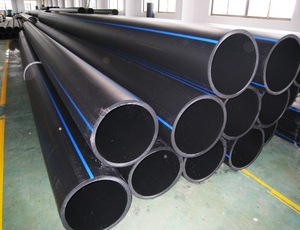
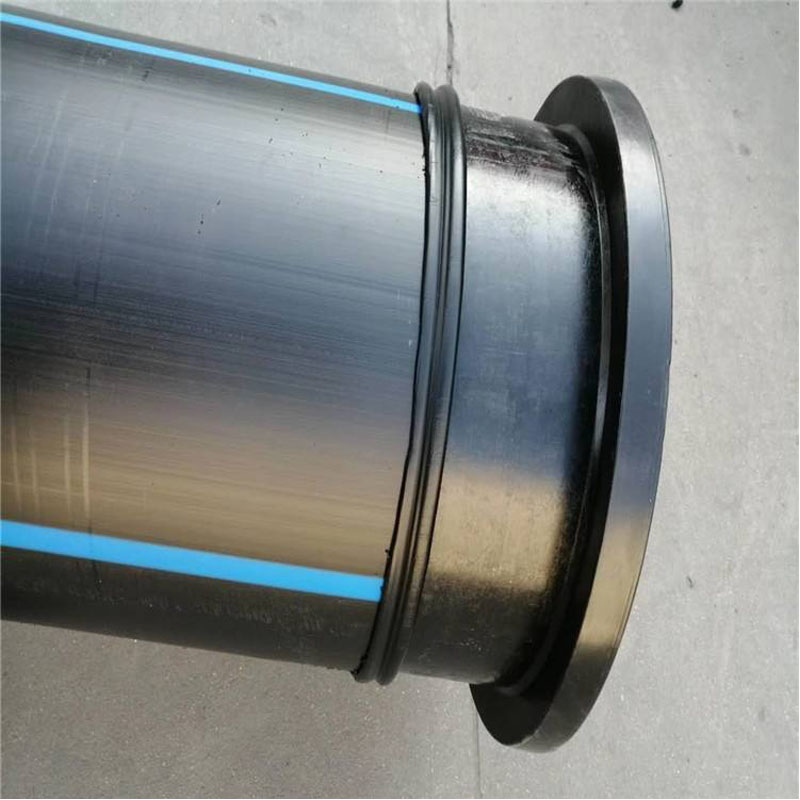
HDPE to steel couplings represent a critical joining solution in a wide range of industrial applications, particularly within fluid transfer systems, infrastructure projects, and industrial piping networks. These couplings facilitate the transition between High-Density Polyethylene (HDPE) piping – valued for its corrosion resistance, flexibility, and cost-effectiveness – and steel piping, which provides superior structural strength and high-pressure handling capabilities. Their technical position within the supply chain is as a specialized component manufactured by dedicated coupling factories, serving industries like oil & gas, water & wastewater treatment, mining, and chemical processing. Core performance characteristics center around maintaining leak-proof connections, accommodating differential thermal expansion between materials, resisting internal and external pressures, and ensuring long-term durability under harsh operating conditions. The selection of the appropriate coupling type (flanged, welded, mechanical) depends heavily on application-specific parameters, demanding a thorough understanding of material compatibility, pressure ratings, and installation procedures.
Material Science & Manufacturing
The manufacturing of HDPE to steel couplings involves the integration of distinct material properties and fabrication processes. HDPE, a thermoplastic polymer derived from petroleum, exhibits a semi-crystalline structure, contributing to its toughness and chemical inertness. Its density (typically 0.941 - 0.965 g/cm³) and tensile strength (ranging from 20-30 MPa) are crucial parameters during coupling design. Steel components commonly utilize carbon steel (ASTM A53 Grade B is frequent) or stainless steel (304/316 for enhanced corrosion resistance). The steel's yield strength (250-350 MPa for carbon steel, 500-600 MPa for stainless) dictates the coupling's pressure handling capacity.
Production typically involves several stages. Steel components are often manufactured via investment casting or forging, followed by machining to precise tolerances. HDPE components are commonly produced through injection molding, where molten HDPE is injected into a mold cavity under high pressure. Critical parameters during injection molding include melt temperature (180-220°C), mold temperature (30-50°C), and injection pressure (50-150 MPa). The joining process is vital. Welding, particularly butt fusion for HDPE and subsequent welding to the steel component, requires precise control of temperature, pressure, and cooling rates to avoid material degradation and ensure weld integrity. Mechanical couplings rely on compression fittings and gaskets (often EPDM or nitrile rubber) to create a seal. Quality control measures, including non-destructive testing (NDT) such as ultrasonic testing and radiographic inspection of welds, are essential to verify structural integrity and prevent leaks.
Performance & Engineering
Performance of HDPE to steel couplings is governed by several key engineering considerations. Force analysis centers on internal pressure loads, axial tensile loads (due to pipeline weight or thermal expansion), and bending moments. Finite Element Analysis (FEA) is often employed to simulate stress distribution within the coupling, ensuring it can withstand the anticipated operating loads with an adequate safety factor. Environmental resistance is paramount, particularly in corrosive environments. Galvanic corrosion – the electrochemical reaction between dissimilar metals (steel and HDPE) – must be mitigated through proper material selection (using sacrificial anodes or corrosion-inhibiting coatings on the steel) and insulation techniques.
Compliance requirements vary depending on the intended application and geographical location. For potable water systems, couplings must meet NSF/ANSI 61 standards for lead content and extractable chemicals. For gas pipelines, compliance with DOT (Department of Transportation) regulations is crucial. Pressure testing, typically conducted hydrostatically at 1.5 times the working pressure, verifies the coupling's ability to contain fluids without leakage. The differential thermal expansion between HDPE (high coefficient of thermal expansion) and steel (lower coefficient) creates stresses within the coupling. Coupling designs incorporating flexible elements or expansion joints accommodate these stresses, preventing premature failure. Careful attention must also be paid to soil conditions (for buried pipelines), considering factors like soil corrosivity, settlement, and external loads.
Technical Specifications
| Parameter | HDPE Component | Steel Component (Carbon Steel) | Steel Component (Stainless Steel 316) |
|---|---|---|---|
| Material | HDPE (PE100) | ASTM A53 Grade B | ASTM A240 TP316 |
| Density | 0.95 g/cm³ | 7.85 g/cm³ | 8.03 g/cm³ |
| Tensile Strength | 25 MPa | 400 MPa | 500 MPa |
| Yield Strength | - | 250 MPa | 300 MPa |
| Operating Pressure (Max) | PN16 (2.25 MPa) | PN40 (6.0 MPa) | PN100 (15.0 MPa) |
| Operating Temperature Range | -40°C to +60°C | -20°C to +150°C | -20°C to +300°C |
Failure Mode & Maintenance
Failure modes in HDPE to steel couplings are diverse and often interconnected. Fatigue cracking in the steel component, particularly around weld points, can occur due to cyclic pressure fluctuations and vibration. Delamination at the HDPE-steel interface can result from inadequate surface preparation during bonding or thermal stresses. Degradation of the HDPE material, caused by prolonged exposure to UV radiation or aggressive chemicals, leads to embrittlement and reduced tensile strength. Oxidation of the steel component, especially in the presence of moisture and chlorides, contributes to corrosion and weakening of the coupling.
Preventive maintenance is crucial. Regular visual inspections should identify signs of corrosion, cracking, or leakage. Periodic pressure testing confirms the integrity of the connection. For mechanical couplings, inspect gaskets for wear and tear and replace them as needed. Protective coatings on the steel component should be periodically inspected and reapplied to prevent corrosion. Proper installation practices, including adequate support and alignment of the pipeline, minimize stress on the coupling. In cases of corrosion, cathodic protection techniques can be employed to mitigate further degradation. If fatigue cracking is detected, the coupling should be replaced immediately. Thorough documentation of all inspections and maintenance activities is essential for tracking performance and identifying potential issues.
Industry FAQ
Q: What are the primary considerations when selecting a coupling for a high-pressure gas pipeline?
A: For high-pressure gas pipelines, the primary consideration is pressure containment. Stainless steel couplings with high pressure ratings (PN100 or higher) are typically preferred. Welding is the preferred joining method for steel, ensuring a homogenous and leak-proof connection. Compliance with DOT regulations is also paramount, necessitating rigorous testing and documentation.
Q: How do you mitigate galvanic corrosion in HDPE to steel couplings used in seawater applications?
A: Galvanic corrosion in seawater environments is a significant concern. Using stainless steel components minimizes the potential difference between the metals. Applying a corrosion-inhibiting coating to the steel component and implementing cathodic protection are also effective mitigation strategies. Insulating the HDPE and steel components with a non-conductive material can further reduce corrosion.
Q: What is the impact of temperature fluctuations on the long-term performance of these couplings?
A: Temperature fluctuations induce differential expansion and contraction between HDPE and steel. Couplings should be designed to accommodate these stresses, often through the incorporation of flexible elements or expansion joints. Excessive stress can lead to cracking or delamination. Selecting materials with compatible coefficients of thermal expansion and ensuring proper installation practices are critical.
Q: What type of testing is typically performed to ensure the quality of HDPE to steel welds?
A: Non-destructive testing (NDT) is essential for verifying weld quality. Radiographic inspection (X-ray) detects internal flaws, while ultrasonic testing identifies subsurface defects. Dye penetrant testing reveals surface cracks. Visual inspection is also performed to assess weld appearance and identify any obvious imperfections.
Q: What are the typical failure rates observed in these couplings across different industries?
A: Failure rates vary significantly based on application and maintenance practices. In well-maintained water distribution systems, failure rates are typically low (less than 1%). However, in harsh environments like oil & gas, where couplings are exposed to corrosive fluids and high pressures, failure rates can be higher (up to 5-10%) without robust corrosion prevention and regular inspection programs.
Conclusion
HDPE to steel couplings represent a sophisticated engineered solution for joining dissimilar piping materials. Their successful implementation demands a comprehensive understanding of material science, manufacturing processes, and the underlying engineering principles governing their performance. Selecting the appropriate coupling type, ensuring proper installation, and implementing a robust maintenance program are critical for maximizing service life and preventing costly failures.
Future advancements in coupling technology are likely to focus on developing more corrosion-resistant materials, optimizing coupling designs to accommodate larger differential thermal expansion, and incorporating smart sensors for real-time monitoring of coupling integrity. The integration of digital twin technology can enable predictive maintenance, allowing operators to proactively address potential issues before they escalate into major problems. This constant evolution ensures these couplings remain a vital component in critical infrastructure systems worldwide.
-
DN25 HDPE Compression Fitting-HORON INTERNATIONAL|Reliable Irrigation Solutions
NewsFeb.11,2026
-
hdpe coupling joint product Manufacturing Analysis
News2026-11-18
-
ppr pipe heating time products Performance Analysis
News2026-11-16
-
hdpe pipe sizes factory Performance Analysis
News2026-11-09
-
HDPE Pipe Sizes Service Performance Analysis
News2026-10-26
-
wholesale 15mm ppr pipe Material Science and Performance Analysis
News2026-10-20
-
wholesale pvc pipe price per foot Technical Analysis
News2026-09-21
-
wholesale long pvc pipe Technical Analysis and Manufacturing Specifications
News2026-09-15
-
wholesale plumbing kitchen sink water lines Material Performance
News2026-09-15
-
wholesale hdpe drip irrigation Material Science
News2026-09-15
-
wholesale hot water ppr pipe Performance Analysis
News2026-09-15
-
wholesale ppr plumbing Performance Analysis
News2026-09-15
-
wholesale ppr pipe supplier Performance Analysis
News2026-09-13
-
wholesale 50mm ppr pipe Performance Analysis
News2026-09-13
-
wholesale hdpe drip pipe Performance Analysis
News2026-09-13
-
wholesale hdpe pipe 63mm price Manufacturing Specification and Performance Analysis
News2026-09-13