

Feb . 11, 2026 00:01 Back to list
hdpe to pvc connection products Performance Analysis
Introduction
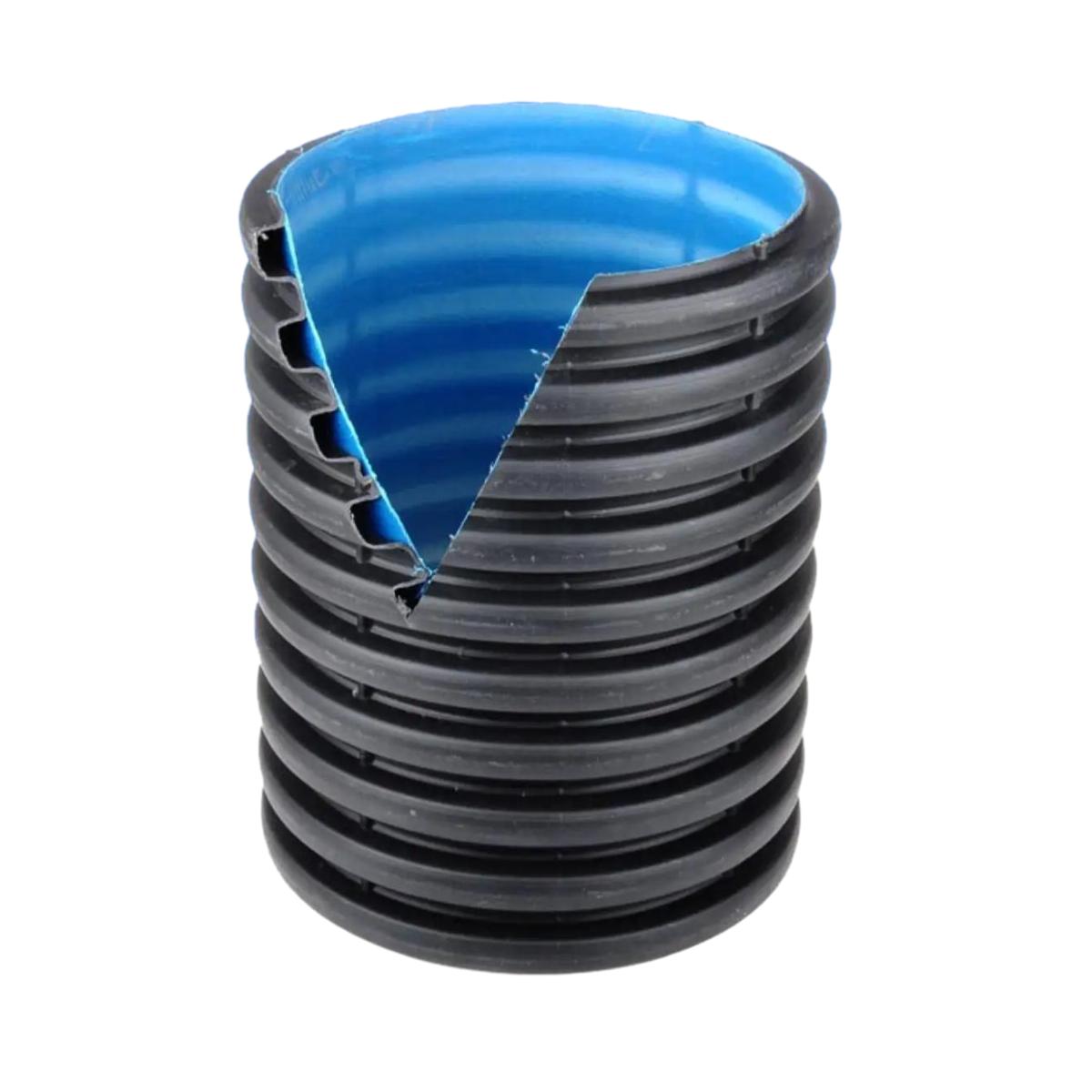
HDPE to PVC connection products represent a critical interface in fluid transfer systems, infrastructure projects, and industrial piping networks. These connections facilitate the joining of High-Density Polyethylene (HDPE) and Polyvinyl Chloride (PVC) pipes, materials chosen for their distinct advantages—HDPE for its flexibility, impact resistance, and chemical inertness, and PVC for its rigidity, cost-effectiveness, and established installation practices. This guide provides an in-depth technical overview of these connections, encompassing material science, manufacturing processes, performance characteristics, failure modes, and relevant industry standards. A core industry pain point lies in ensuring long-term joint integrity, preventing leaks and failures resulting from differential thermal expansion, material incompatibility, and improper installation techniques. The performance of these connections directly impacts operational efficiency, environmental safety, and overall system reliability. Understanding the nuanced technical aspects of HDPE to PVC transitions is paramount for engineers, procurement managers, and maintenance personnel involved in these applications.
Material Science & Manufacturing
The successful integration of HDPE and PVC necessitates a thorough understanding of their distinct material properties. HDPE, a thermoplastic polymer derived from ethylene, boasts a semi-crystalline structure contributing to its toughness and resistance to cracking. Its density typically ranges from 0.941 to 0.965 g/cm³, and it exhibits a relatively low coefficient of friction. PVC, a vinyl polymer, is available in rigid and flexible formulations. Rigid PVC, used extensively in piping, features a high tensile strength and modulus of elasticity. Its density falls between 1.38 and 1.40 g/cm³. The key manufacturing process for HDPE to PVC connections involves either mechanical coupling (using rubber gaskets and compression fittings) or solvent welding (for smaller diameter connections). Injection molding is frequently employed for producing the connector body, typically using polypropylene (PP) or a reinforced thermoplastic polymer capable of withstanding differential expansion stresses. Critical process parameters during molding include melt temperature, mold temperature, and injection pressure to ensure dimensional accuracy and material homogeneity. Rubber gaskets, usually EPDM or nitrile rubber, provide a watertight seal. The manufacturing of these gaskets demands precise control over compound formulation, vulcanization temperature, and compression set to ensure long-term sealing performance. Quality control involves rigorous testing of material composition, dimensions, and sealing pressure to meet industry standards.
Performance & Engineering
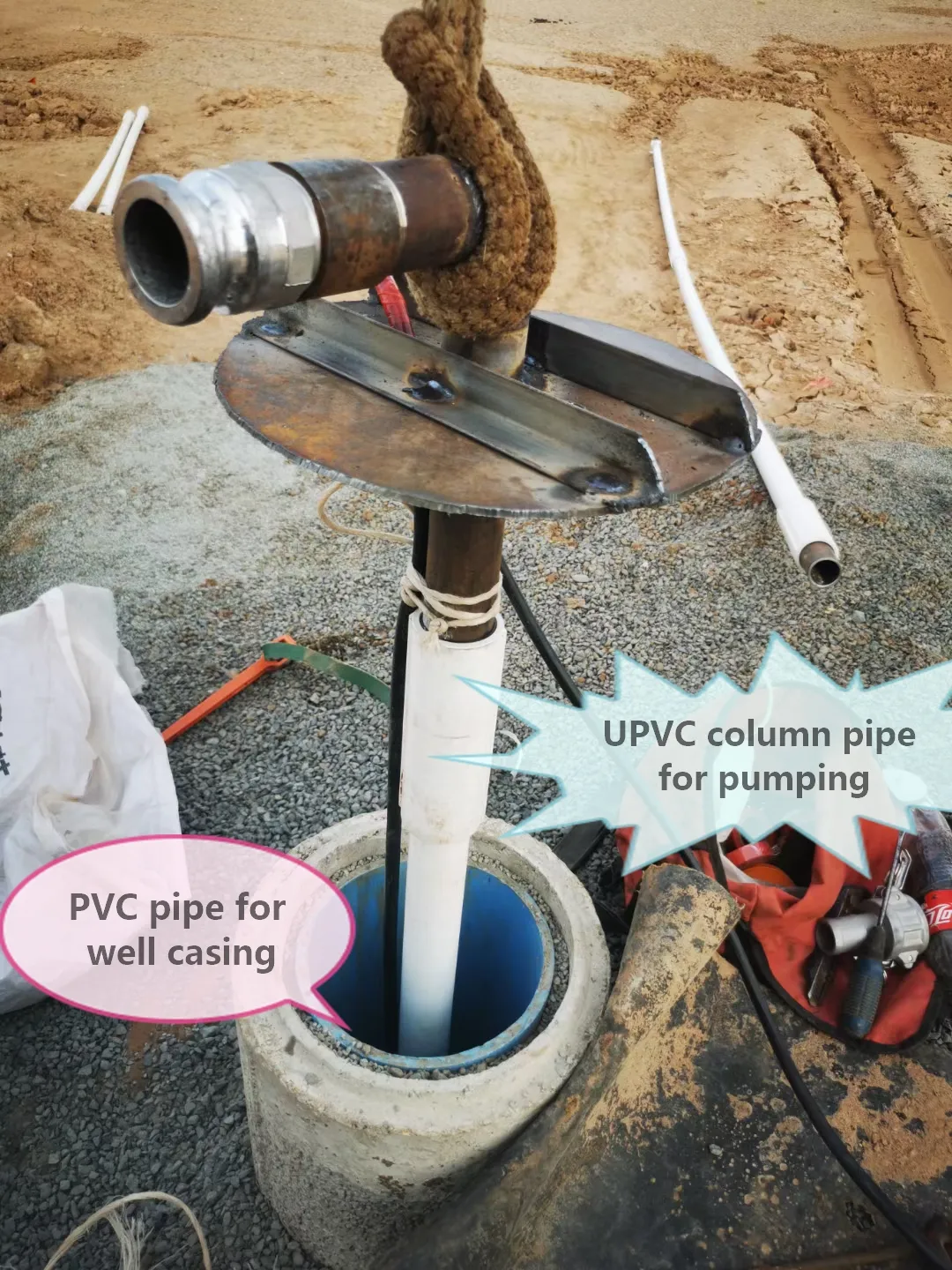
Performance of HDPE to PVC connections is dictated by several engineering considerations. The significant difference in thermal expansion coefficients between HDPE (approximately 1.1 x 10⁻⁴ /°C) and PVC (approximately 8 x 10⁻⁵ /°C) creates considerable stress on the connection during temperature fluctuations. This differential expansion can lead to joint separation, gasket failure, or pipe deformation. Engineering designs often incorporate flexible couplings or expansion joints to accommodate these stresses. Force analysis must account for internal fluid pressure, external loads (soil loading, traffic loads), and axial tension or compression forces. The connection’s shear strength and tensile strength are critical parameters, determined through standardized testing procedures. Environmental resistance is a key performance factor. Exposure to UV radiation, particularly for HDPE, can cause degradation and embrittlement. Chemical compatibility is also crucial; the connector material and gasket must be resistant to the fluids being conveyed. Compliance requirements vary by region and application. Potable water systems necessitate connections certified to NSF/ANSI 61 standards, ensuring the absence of harmful contaminants. Wastewater treatment applications require compliance with corrosion resistance standards. Proper installation, adhering to manufacturer specifications and industry best practices, is paramount. Incorrect alignment, insufficient compression, or improper gasket lubrication can compromise joint integrity and lead to premature failure.
Technical Specifications
| Parameter | HDPE Pipe | PVC Pipe | Connector Material (Typical) |
|---|---|---|---|
| Density (g/cm³) | 0.941 - 0.965 | 1.38 - 1.40 | 1.05 - 1.15 (Polypropylene) |
| Tensile Strength (MPa) | 20 - 35 | 55 - 70 | 25 - 40 |
| Coefficient of Linear Thermal Expansion (/°C) | 1.1 x 10⁻⁴ | 8 x 10⁻⁵ | 1.0 - 1.5 x 10⁻⁴ |
| Operating Temperature (°C) | -40 to 60 | 0 to 60 | -20 to 80 |
| Pressure Rating (Bar) | PN10, PN16, PN20 (dependent on SDR) | PN10, PN16 (dependent on schedule) | Dependent on connector design, typically matches pipe rating |
| Chemical Resistance | Excellent to most acids, alkalis, and solvents | Good to many acids and alkalis, limited resistance to some solvents | Excellent to most common fluids, check specific compatibility |
Failure Mode & Maintenance
Common failure modes in HDPE to PVC connections include gasket failure due to compression set, cracking from differential thermal expansion stress, and corrosion of metallic components within the connector. Fatigue cracking can occur under cyclic loading, particularly in applications involving vibration or pressure pulsations. Delamination between the HDPE and PVC pipes, although less common, can occur if the connection is not properly sealed or if the materials are incompatible. Oxidation of the HDPE pipe, especially in outdoor applications, can lead to brittleness and reduced impact resistance. Regular maintenance is critical for preventing these failures. This includes visual inspection for leaks, cracks, or signs of deformation. Gasket replacement should be performed periodically, typically every 5-10 years, depending on the application and operating conditions. Lubrication of the gasket during installation and re-installation is crucial for ensuring a proper seal. Joints should be protected from direct sunlight and extreme temperatures whenever possible. In the event of a leak, the connection should be immediately repaired or replaced. Proper documentation of installation dates, maintenance schedules, and any repairs performed is essential for tracking the performance and longevity of the system. Non-destructive testing methods, such as ultrasonic leak detection, can be employed to identify hidden leaks before they escalate into major failures.
Industry FAQ
Q: What is the primary engineering challenge when connecting HDPE to PVC?
A: The primary challenge stems from the significant difference in their coefficients of thermal expansion. HDPE expands and contracts considerably more than PVC with temperature changes, leading to stress on the connection. Properly designed couplings, flexible joints, or expansion loops are critical to accommodate this differential movement and prevent joint failure.
Q: What gasket materials are recommended for HDPE to PVC connections, and why?
A: EPDM (ethylene propylene diene monomer) rubber is commonly recommended due to its excellent resistance to water, UV radiation, and many chemicals. Nitrile rubber is suitable for applications involving oil-based fluids. The gasket material must maintain its elasticity and sealing properties over a wide temperature range and resist degradation from exposure to the conveyed fluids.
Q: How does UV exposure affect HDPE to PVC connection longevity?
A: Prolonged UV exposure can degrade HDPE, leading to embrittlement and reduced impact resistance. While PVC is more UV resistant, the HDPE portion of the connection is susceptible. UV stabilizers can be added to the HDPE formulation to mitigate this effect, and shielding the connection from direct sunlight is recommended.
Q: What is the significance of SDR (Standard Dimension Ratio) in HDPE pipe and how does it relate to connector selection?
A: SDR defines the ratio of pipe diameter to wall thickness, directly influencing the pipe’s pressure-bearing capacity. Connectors must be selected with pressure ratings that match or exceed the SDR rating of the HDPE pipe. Using an undersized connector can create a weak point and lead to catastrophic failure.
Q: Are solvent-welded connections suitable for joining HDPE to PVC?
A: Generally, solvent welding is not recommended for directly joining HDPE to PVC. The solvents used for PVC welding can attack and degrade HDPE. Mechanical couplings with appropriate gaskets are the preferred method, providing a secure and reliable connection without compromising material integrity. Solvent welding may be used for PVC portions adjacent to the HDPE transition, but not directly at the interface.
Conclusion
HDPE to PVC connections are a vital component in numerous industrial and municipal applications, requiring careful consideration of material properties, manufacturing processes, and engineering principles. The disparate thermal expansion rates between these polymers present a key design challenge, necessitating the incorporation of flexible couplings or expansion joints. Successful implementation relies on selecting appropriate connector materials, gaskets, and installation techniques that ensure long-term joint integrity and prevent premature failure.
The increasing demand for robust and reliable fluid transfer systems will continue to drive innovation in HDPE to PVC connection technology. Future advancements may focus on developing novel sealing materials with enhanced chemical resistance and temperature stability, as well as incorporating smart monitoring systems to detect early signs of degradation or leakage. Adherence to relevant industry standards, coupled with rigorous quality control procedures, is paramount for ensuring the safety and longevity of these critical connections.
-
DN25 HDPE Compression Fitting-HORON INTERNATIONAL|Reliable Irrigation Solutions
NewsFeb.11,2026
-
hdpe coupling joint product Manufacturing Analysis
News2026-11-18
-
ppr pipe heating time products Performance Analysis
News2026-11-16
-
hdpe pipe sizes factory Performance Analysis
News2026-11-09
-
HDPE Pipe Sizes Service Performance Analysis
News2026-10-26
-
wholesale 15mm ppr pipe Material Science and Performance Analysis
News2026-10-20
-
wholesale pvc pipe price per foot Technical Analysis
News2026-09-21
-
wholesale long pvc pipe Technical Analysis and Manufacturing Specifications
News2026-09-15
-
wholesale plumbing kitchen sink water lines Material Performance
News2026-09-15
-
wholesale hdpe drip irrigation Material Science
News2026-09-15
-
wholesale hot water ppr pipe Performance Analysis
News2026-09-15
-
wholesale ppr plumbing Performance Analysis
News2026-09-15
-
wholesale ppr pipe supplier Performance Analysis
News2026-09-13
-
wholesale 50mm ppr pipe Performance Analysis
News2026-09-13
-
wholesale hdpe drip pipe Performance Analysis
News2026-09-13
-
wholesale hdpe pipe 63mm price Manufacturing Specification and Performance Analysis
News2026-09-13