

Feb . 11, 2026 00:01 Back to list
hdpe to pvc connection product Performance Analysis
Introduction
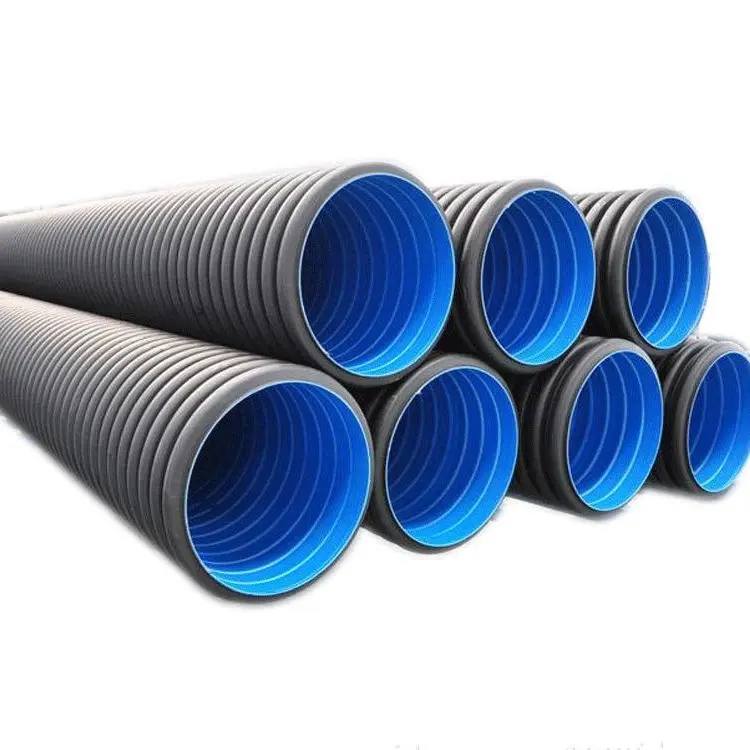
HDPE to PVC connections represent a critical juncture in fluid handling systems, particularly in applications demanding chemical resistance, durability, and cost-effectiveness. These connections bridge the gap between High-Density Polyethylene (HDPE), known for its flexibility and impact resistance, and Polyvinyl Chloride (PVC), prized for its rigidity and chemical inertness. The technical position of these connections lies within the broader realm of piping systems – specifically, transitioning between dissimilar materials. Core performance characteristics center around maintaining leak-proof seals under pressure, accommodating thermal expansion/contraction differences between the two polymers, and ensuring long-term compatibility with conveyed fluids. A primary industry pain point is the potential for galvanic corrosion if improper connection methods or incompatible materials are utilized, particularly in electrically conductive fluid systems. Maintaining consistent pressure ratings across the connection is also a significant challenge addressed through careful design and material selection.
Material Science & Manufacturing
HDPE is a thermoplastic polymer produced from the polymerization of ethylene. Its semi-crystalline nature imparts high tensile strength, approximately 30-40 MPa, and a relatively low density (0.941-0.965 g/cm³). Manufacturing HDPE pipes typically involves extrusion, where molten HDPE is forced through a die, followed by cooling and sizing. PVC, conversely, is a rigid thermoplastic polymer derived from vinyl chloride monomer. Its density is higher than HDPE (1.40 g/cm³), and its tensile strength ranges from 55-70 MPa. PVC pipe production largely utilizes extrusion, but often includes the addition of stabilizers to prevent degradation during processing. The connection components – often involving adapters, couplings, and gaskets – are frequently molded from polypropylene (PP) or similar materials exhibiting good chemical compatibility with both HDPE and PVC.
Manufacturing the connections themselves involves several processes. Electrofusion welding is a common technique for joining HDPE to adapter fittings. This process uses electrical resistance heating to melt and fuse the materials together, creating a homogenous joint. Solvent cementing is typically used for PVC connections, utilizing a chemical solvent to partially dissolve the PVC surfaces, allowing them to bond upon evaporation. Mechanical connections, employing rubber gaskets and compression fittings, provide a non-welded alternative, but require precise torque control to ensure a leak-tight seal. Key parameter control during manufacturing focuses on maintaining dimensional accuracy of the fittings, ensuring proper gasket compression, and verifying the integrity of the weld seams via non-destructive testing (NDT) methods such as ultrasonic inspection.
Performance & Engineering
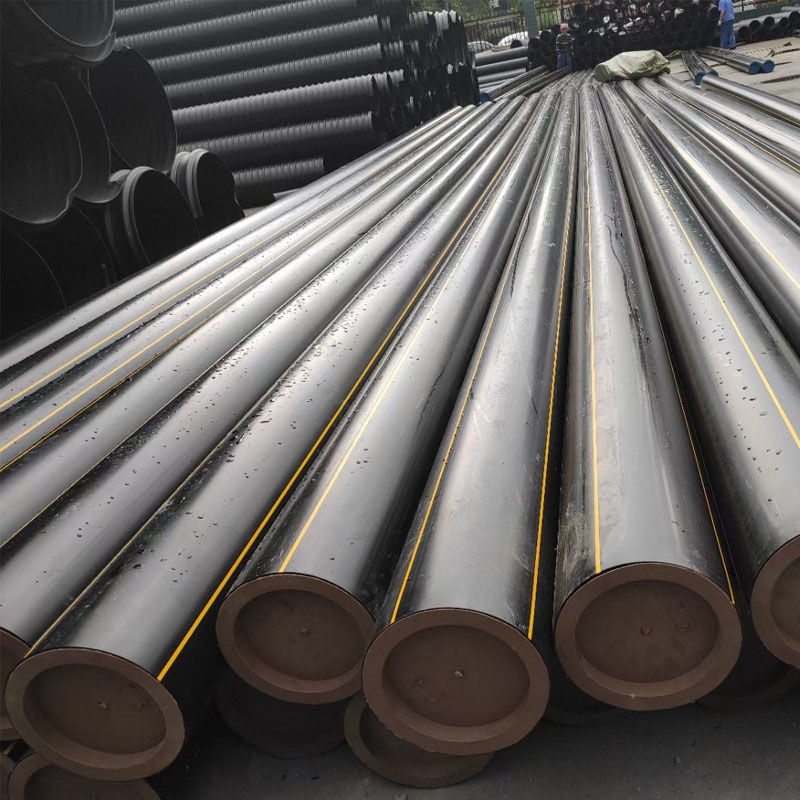
The performance of HDPE to PVC connections is governed by several engineering considerations. Force analysis must account for both internal hydrostatic pressure from the conveyed fluid and external loads, such as soil pressure or mechanical stress. The differential thermal expansion coefficients between HDPE (approximately 1.1 x 10⁻⁴ /°C) and PVC (approximately 8 x 10⁻⁵ /°C) present a critical design challenge. Excessive expansion/contraction can induce stress on the connection, potentially leading to leaks or failure. Expansion loops or flexible couplings are often incorporated to mitigate these stresses.
Environmental resistance is paramount, especially concerning UV exposure and chemical compatibility. While HDPE exhibits excellent resistance to most chemicals, PVC can degrade when exposed to certain solvents and hydrocarbons. The connection materials must be carefully selected to withstand the specific chemical environment. Compliance requirements vary by region and application. Potable water systems, for instance, demand connections certified to NSF/ANSI 61 standards to ensure the absence of harmful leachates. Industrial applications often necessitate adherence to ASTM D2412 for pressure ratings and ASTM F477 for threaded plastic fittings. Functional implementation requires meticulous attention to alignment during installation, proper gasket seating, and adherence to manufacturer's torque specifications.
Technical Specifications
| Parameter | HDPE (Typical) | PVC (Typical) | Connection Adapter (PP) |
|---|---|---|---|
| Tensile Strength (MPa) | 30-40 | 55-70 | 25-35 |
| Density (g/cm³) | 0.941-0.965 | 1.40 | 0.90-0.92 |
| Coefficient of Linear Thermal Expansion (/°C) | 1.1 x 10⁻⁴ | 8 x 10⁻⁵ | 1.0 x 10⁻⁴ |
| Maximum Operating Pressure (psi) | Variable, depending on SDR | Variable, depending on Schedule | Equal to lowest rated material |
| Chemical Resistance | Excellent to most acids and bases | Good, susceptible to some solvents | Good, generally compatible with both |
| Operating Temperature Range (°C) | -40 to 60 | -14 to 60 | -20 to 80 |
Failure Mode & Maintenance
Failure modes in HDPE to PVC connections are diverse. Fatigue cracking can occur in welded joints due to cyclic pressure fluctuations, particularly if weld quality is compromised. Delamination can arise in mechanical connections if gaskets are improperly installed or compressed, allowing fluid ingress. Degradation of PVC due to UV exposure or chemical attack can lead to embrittlement and cracking. Oxidation of HDPE, although slow, can reduce its long-term strength. A common failure is joint separation stemming from differential thermal expansion/contraction not adequately accommodated in the design.
Preventative maintenance involves regular visual inspection for leaks, cracks, or signs of material degradation. Torque checks on mechanical connections should be performed periodically to ensure proper gasket compression. For welded joints, NDT (ultrasonic testing) should be conducted at intervals, particularly in critical applications. Should a leak develop, immediate shutdown and repair are essential. Repair options depend on the nature of the failure. Minor leaks in mechanical connections can often be resolved by tightening the fittings. Significant damage to welded joints typically necessitates cutting out the damaged section and re-welding a new connection. Replacing degraded gaskets or damaged adapters is a standard repair procedure. Long-term durability relies on proper material selection, correct installation practices, and a proactive maintenance regime.
Industry FAQ
Q: What are the primary considerations when selecting a connection method (welding, solvent cementing, mechanical) for HDPE to PVC?
A: The selection depends on the application's specific requirements. Welding offers the strongest, most homogenous joint but requires skilled labor and is best suited for permanent installations. Solvent cementing is cost-effective for PVC-to-PVC connections but less reliable for dissimilar materials. Mechanical connections provide flexibility and ease of installation but are susceptible to leaks if not properly torqued and maintained. Chemical compatibility and pressure requirements are also crucial factors.
Q: How do you mitigate the risks associated with differential thermal expansion between HDPE and PVC?
A: Incorporating expansion loops, using flexible couplings, or designing the pipeline with sufficient slack can accommodate thermal movement. Choosing connection materials with similar thermal expansion coefficients can also minimize stress. Proper support and anchoring of the pipeline are essential to prevent buckling or strain on the connections.
Q: What are the long-term effects of using incompatible materials in an HDPE to PVC connection?
A: Incompatibility can lead to galvanic corrosion, especially in conductive fluid systems. Chemical degradation of the PVC due to exposure to fluids not compatible with its formulation is another risk. Long-term exposure to incompatible environments can accelerate material breakdown, compromising the integrity of the connection.
Q: What quality control measures are critical during the installation of HDPE to PVC connections?
A: Visual inspection of all components for damage is the first step. Proper alignment and seating of gaskets are crucial for mechanical connections. Weld parameters (temperature, pressure, cooling time) must be strictly controlled and documented for welded joints. Torque specifications must be followed precisely. Post-installation pressure testing is essential to verify leak-tightness.
Q: What are the typical failure rates observed in HDPE to PVC connections, and how can these be minimized?
A: Failure rates vary significantly based on application and installation quality. Estimates range from 1-5% per year in demanding industrial environments. Minimizing failures requires proper material selection, adherence to best practices during installation, regular inspection and maintenance, and addressing any identified issues promptly.
Conclusion
HDPE to PVC connections represent a versatile solution for fluid handling systems, offering a balance of cost-effectiveness, chemical resistance, and durability. However, successful implementation hinges on a thorough understanding of the material properties, manufacturing processes, and potential failure modes associated with these dissimilar material connections. Careful consideration of thermal expansion, chemical compatibility, and installation best practices is paramount to ensuring long-term reliability and preventing costly failures.
Future developments in connection technology may focus on utilizing advanced sealing materials and innovative joint designs to further mitigate the challenges posed by differential thermal expansion and chemical incompatibility. The integration of sensor technologies for real-time monitoring of connection integrity is also a promising area of research, enabling proactive maintenance and preventing catastrophic failures. Ultimately, a technically informed approach to design, installation, and maintenance remains the cornerstone of a robust and dependable HDPE to PVC connection system.
-
DN25 HDPE Compression Fitting-HORON INTERNATIONAL|Reliable Irrigation Solutions
NewsFeb.11,2026
-
hdpe coupling joint product Manufacturing Analysis
News2026-11-18
-
ppr pipe heating time products Performance Analysis
News2026-11-16
-
hdpe pipe sizes factory Performance Analysis
News2026-11-09
-
HDPE Pipe Sizes Service Performance Analysis
News2026-10-26
-
wholesale 15mm ppr pipe Material Science and Performance Analysis
News2026-10-20
-
wholesale pvc pipe price per foot Technical Analysis
News2026-09-21
-
wholesale long pvc pipe Technical Analysis and Manufacturing Specifications
News2026-09-15
-
wholesale plumbing kitchen sink water lines Material Performance
News2026-09-15
-
wholesale hdpe drip irrigation Material Science
News2026-09-15
-
wholesale hot water ppr pipe Performance Analysis
News2026-09-15
-
wholesale ppr plumbing Performance Analysis
News2026-09-15
-
wholesale ppr pipe supplier Performance Analysis
News2026-09-13
-
wholesale 50mm ppr pipe Performance Analysis
News2026-09-13
-
wholesale hdpe drip pipe Performance Analysis
News2026-09-13
-
wholesale hdpe pipe 63mm price Manufacturing Specification and Performance Analysis
News2026-09-13