

Feb . 11, 2026 00:01 Back to list
hdpe to pvc connection manufacturer Material Science Manufacturing
Introduction
HDPE to PVC connections represent a critical interface in fluid transfer systems, particularly in municipal water distribution, irrigation, industrial processing, and drainage applications. These connections are necessitated by the distinct advantages of each material: High-Density Polyethylene (HDPE) offers exceptional impact resistance, flexibility, and chemical inertness, while Polyvinyl Chloride (PVC) provides cost-effectiveness and rigidity. The integration, however, presents unique engineering challenges stemming from differing thermal expansion coefficients, material compatibility concerns, and the necessity for robust, leak-proof sealing. This guide comprehensively analyzes the material science, manufacturing processes, performance characteristics, failure modes, and relevant industry standards governing HDPE to PVC transitions, aimed at procurement managers, design engineers, and maintenance personnel involved in these systems. A key industry pain point revolves around long-term joint integrity, particularly in environments exhibiting temperature fluctuations and corrosive substances, leading to potential system failures and costly repairs. Successful implementation relies on a thorough understanding of the underlying principles and adherence to best practices.
Material Science & Manufacturing
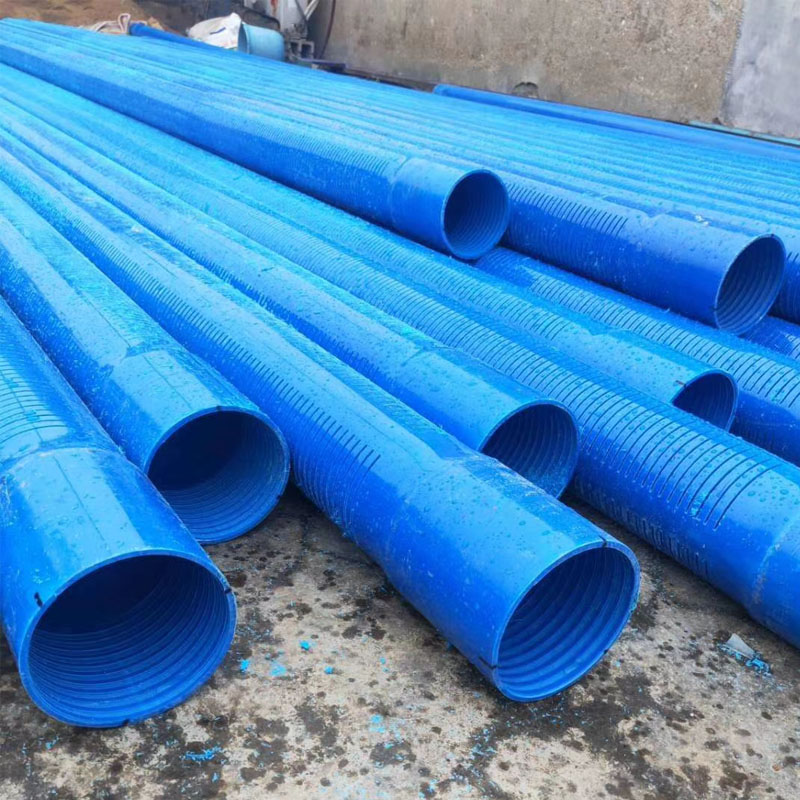
HDPE is a thermoplastic polymer with a high strength-to-density ratio, exhibiting excellent resistance to a wide range of chemicals. Its semi-crystalline structure contributes to its toughness and resistance to cracking. The manufacturing of HDPE pipes commonly involves extrusion, where molten HDPE resin is forced through a die to create a continuous pipe profile. Key parameters controlled during extrusion include melt temperature (typically 180-210°C), die pressure, and cooling rate, all impacting the final pipe dimensions and crystalline structure. PVC, also a thermoplastic, possesses inherent rigidity due to its amorphous structure. PVC pipe production often utilizes the extrusion process as well, but typically operates at lower temperatures (160-180°C) compared to HDPE. The addition of plasticizers can modify PVC's flexibility, but can also affect its chemical resistance.
The critical interface between HDPE and PVC requires specialized coupling methods. Common techniques include mechanical couplings with rubber gaskets, solvent cementing (less prevalent due to compatibility issues), and electrofusion welding with specifically designed transition fittings. Mechanical couplings utilize a housing with compression rings and a sealing gasket (typically EPDM or nitrile rubber) to create a watertight seal. Electrofusion welding involves heating the fitting and pipe ends simultaneously using an electrical current, melting the materials and creating a fusion bond. Precise control of welding parameters – voltage, current, and welding time – is crucial to achieving optimal joint strength. Material compatibility is paramount; the gasket material must be chemically resistant to both HDPE and PVC, as well as the conveyed fluid. Improper gasket selection leads to swelling, degradation, and eventual leakage. The transition fitting materials (often polypropylene or modified PVC) are engineered to accommodate the differing thermal expansion rates of HDPE and PVC, minimizing stress on the joint during temperature cycles.
Performance & Engineering
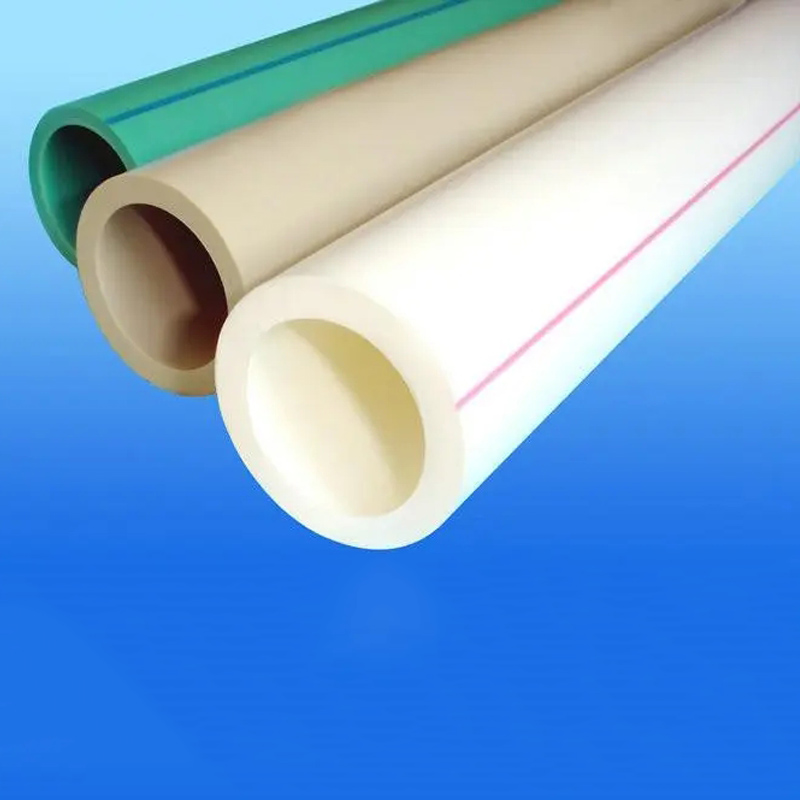
Performance of HDPE to PVC connections is primarily evaluated based on pressure rating, leak tightness, and long-term durability. Pressure testing, conducted according to industry standards (see Section 7), confirms the joint's ability to withstand specified internal pressures. Leak tightness is assessed using hydrostatic or pneumatic testing, measuring the rate of pressure loss over a defined period. A critical engineering consideration is the differential thermal expansion between HDPE and PVC. HDPE exhibits a significantly higher coefficient of thermal expansion (approximately 0.000065 in/in/°F) compared to PVC (approximately 0.00003 in/in/°F). This difference can induce substantial stresses at the connection point during temperature fluctuations, potentially leading to joint separation or gasket failure. Transition fittings are designed to mitigate this stress by incorporating flexible elements or accommodating movement.
Force analysis is essential in determining the optimal coupling method for specific application loads. Tensile loads, resulting from pipe weight or external forces, must be adequately supported by the coupling. Bending moments, induced by ground settlement or seismic activity, can create significant stress concentrations at the joint. Finite Element Analysis (FEA) is frequently employed to model the stress distribution within the connection and optimize the fitting design. Environmental resistance is another crucial factor. Exposure to UV radiation can degrade PVC, reducing its mechanical properties. Buried applications require consideration of soil corrosivity and potential for galvanic corrosion if dissimilar metals are present in the system. Compliance requirements vary by region and application. Drinking water systems must adhere to NSF/ANSI 61 standards, ensuring the materials do not leach harmful contaminants into the water supply. Pressure vessels and piping systems are often subject to ASME B31.3 regulations.
Technical Specifications
| Parameter | HDPE (PE100) | PVC (Schedule 40) | Transition Fitting (Polypropylene) |
|---|---|---|---|
| Tensile Strength (psi) | 6,000 - 8,000 | 6,900 | 5,800 |
| Flexural Modulus (psi) | 70,000 - 120,000 | 300,000 | 250,000 |
| Coefficient of Linear Thermal Expansion (in/in/°F) | 0.000065 | 0.00003 | 0.00005 |
| Water Absorption (%) | 0.03 | 0.05 | 0.08 |
| Operating Temperature Range (°F) | -40 to 180 | -40 to 140 | -20 to 176 |
| Chemical Resistance | Excellent to most acids & bases | Good to most acids & bases (Limited by plasticizers) | Good to moderate; verify compatibility |
Failure Mode & Maintenance
Common failure modes in HDPE to PVC connections include gasket failure due to degradation or improper installation, joint separation due to thermal stress, cracking in the PVC pipe or fitting due to overpressure or impact damage, and corrosion of metal components within the coupling. Gasket failure manifests as visible leakage and can be accelerated by exposure to UV radiation, ozone, or aggressive chemicals. Joint separation often occurs gradually, starting with minor seepage and progressing to complete failure. PVC cracking can result from tensile stress, impact loading, or embrittlement due to UV exposure. Fatigue cracking, particularly in mechanically coupled joints, can occur under cyclic loading conditions.
Preventive maintenance is crucial for ensuring long-term reliability. Regular visual inspections should be conducted to identify signs of leakage, corrosion, or cracking. Torque verification of compression ring bolts in mechanical couplings is recommended at specified intervals. Gasket replacement should be performed proactively based on material age and exposure conditions. In areas prone to ground movement, flexible couplings or expansion joints should be incorporated to accommodate differential settlement. For electrofusion welded joints, periodic ultrasonic testing can detect subsurface cracks or voids. When repairs are necessary, it is critical to use compatible materials and follow manufacturer's instructions meticulously. Improper repair procedures can exacerbate the problem and lead to further failures. Record-keeping of maintenance activities and failure incidents is essential for identifying recurring issues and improving system reliability.
Industry FAQ
Q: What are the primary factors to consider when selecting a coupling method (mechanical, electrofusion) for an HDPE to PVC transition?
A: The selection hinges on application-specific parameters. Electrofusion generally provides a stronger, more permanent joint, ideal for high-pressure applications and where minimal maintenance is desired. However, it requires specialized equipment and skilled operators. Mechanical couplings are more versatile, allowing for easier installation and disassembly for maintenance, but may exhibit lower pressure ratings and require periodic torque checks. The size of the pipes, operating pressure, and accessibility for welding are all critical considerations.
Q: How do you address the issue of differential thermal expansion between HDPE and PVC in a long pipeline?
A: Incorporating expansion loops or utilizing flexible couplings at intervals along the pipeline is essential. Expansion loops provide space for the HDPE pipe to expand and contract without stressing the PVC joint. Flexible couplings accommodate movement through built-in elasticity. The frequency and size of expansion loops depend on the pipeline length, temperature range, and coefficient of thermal expansion difference.
Q: What gasket materials are most suitable for HDPE to PVC connections, and what are their limitations?
A: EPDM (ethylene propylene diene monomer) and nitrile rubber are commonly used due to their excellent chemical resistance and compatibility with both HDPE and PVC. EPDM excels in outdoor applications due to its UV and ozone resistance, but has limited resistance to oils and fuels. Nitrile rubber offers superior oil resistance but is less durable in UV exposure. The selection should be based on the conveyed fluid and environmental conditions.
Q: What quality control measures should be implemented during the installation of HDPE to PVC transitions?
A: Strict adherence to manufacturer's installation guidelines is paramount. This includes proper pipe preparation (cleaning and beveling), correct gasket placement, appropriate torque application for mechanical couplings, and precise welding parameters for electrofusion joints. Visual inspection of the completed joint for any defects (gaps, misalignment, cracks) is essential. Hydrostatic testing should be performed to verify leak tightness.
Q: Are there any specific standards relating to the long-term durability of these connections in buried applications?
A: Yes, factors like soil corrosivity, ground movement, and external loads are governed by standards such as ASTM F2166 (Standard Practice for Installing Underground Plastic Piping Systems) and EN 1610 (European Standard for Pipelines). Cathodic protection may be necessary in corrosive soil environments to prevent corrosion of any metallic components within the coupling.
Conclusion
HDPE to PVC connections represent a complex engineering challenge requiring careful consideration of material properties, manufacturing processes, and environmental factors. Successfully integrating these materials necessitates a thorough understanding of their differing thermal expansion characteristics and chemical compatibilities. The selection of an appropriate coupling method – mechanical, electrofusion, or others – is dependent on the specific application requirements, including pressure rating, temperature range, and maintenance accessibility.
Implementing robust quality control measures during installation and adhering to relevant industry standards are crucial for ensuring long-term joint integrity and preventing costly failures. Proactive maintenance, including regular inspections and gasket replacement, further enhances system reliability. Continued research and development in transition fitting materials and installation techniques will undoubtedly lead to even more durable and efficient HDPE to PVC connections in the future.
-
DN25 HDPE Compression Fitting-HORON INTERNATIONAL|Reliable Irrigation Solutions
NewsFeb.11,2026
-
hdpe coupling joint product Manufacturing Analysis
News2026-11-18
-
ppr pipe heating time products Performance Analysis
News2026-11-16
-
hdpe pipe sizes factory Performance Analysis
News2026-11-09
-
HDPE Pipe Sizes Service Performance Analysis
News2026-10-26
-
wholesale 15mm ppr pipe Material Science and Performance Analysis
News2026-10-20
-
wholesale pvc pipe price per foot Technical Analysis
News2026-09-21
-
wholesale long pvc pipe Technical Analysis and Manufacturing Specifications
News2026-09-15
-
wholesale plumbing kitchen sink water lines Material Performance
News2026-09-15
-
wholesale hdpe drip irrigation Material Science
News2026-09-15
-
wholesale hot water ppr pipe Performance Analysis
News2026-09-15
-
wholesale ppr plumbing Performance Analysis
News2026-09-15
-
wholesale ppr pipe supplier Performance Analysis
News2026-09-13
-
wholesale 50mm ppr pipe Performance Analysis
News2026-09-13
-
wholesale hdpe drip pipe Performance Analysis
News2026-09-13
-
wholesale hdpe pipe 63mm price Manufacturing Specification and Performance Analysis
News2026-09-13