

Feb . 11, 2026 00:01 Back to list
hdpe straight coupler service Performance Analysis
Introduction
High-Density Polyethylene (HDPE) straight couplers are critical components in polyethylene (PE) piping systems, primarily utilized for joining sections of HDPE pipe in a collinear manner. Positioned within the broader infrastructure supply chain – encompassing raw material production, pipe extrusion, and ultimately, system installation – the coupler's function is to maintain the integrity and flow capacity of the pipeline. These couplers are extensively employed across diverse applications including water distribution, sewage systems, irrigation, industrial fluid transport, and gas distribution networks. Core performance characteristics revolve around maintaining pressure ratings equivalent to the pipe itself, ensuring leak-proof connections, accommodating thermal expansion and contraction, and providing long-term durability in varied environmental conditions. The selection of appropriate HDPE straight couplers is paramount to preventing system failures, minimizing maintenance, and adhering to stringent industry regulations. They represent a fundamentally simple, yet crucial, element in ensuring the efficient and safe transport of fluids and gases.
Material Science & Manufacturing
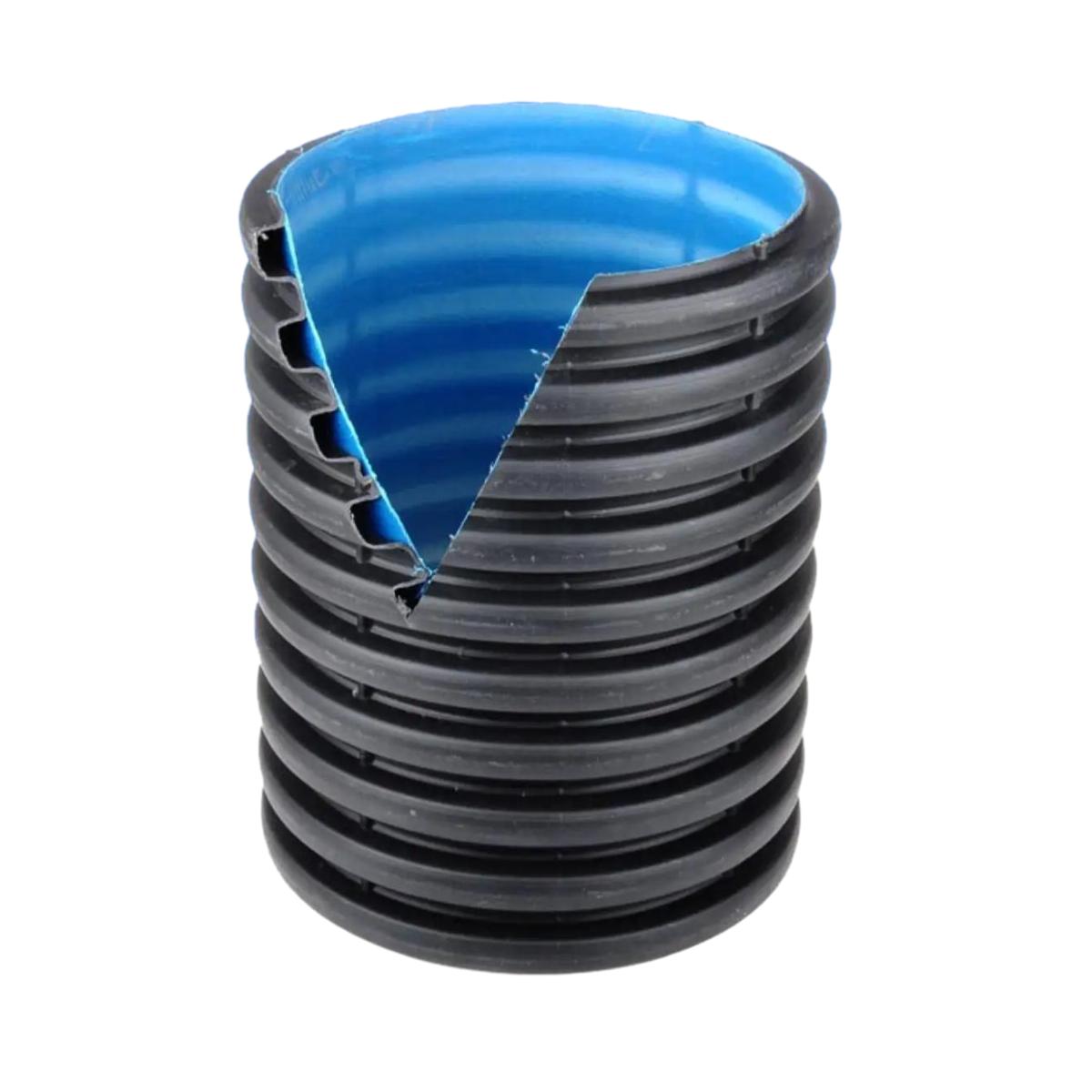
HDPE straight couplers are typically manufactured from high-density polyethylene resin, conforming to standards such as ASTM D3350 or equivalent international specifications. The raw material’s key properties influencing coupler performance include density (typically 0.93 to 0.97 g/cm³), Molecular Weight Distribution (MWD), Melt Flow Index (MFI), and resistance to environmental stress cracking (ESCR). Manufacturing processes primarily center around injection molding. This involves heating HDPE pellets to a molten state and injecting them under high pressure into a precisely engineered mold cavity. Critical process parameters include melt temperature (typically 180-220°C), mold temperature (30-60°C), injection pressure (50-150 MPa), and cooling rate. Post-molding, couplers undergo quality control checks for dimensional accuracy, surface finish, and absence of defects like weld lines or voids. Some couplers feature a ribbed internal surface to enhance grip and prevent pull-out, requiring careful mold design and controlled cooling. For larger diameter couplers, rotational molding may be employed, offering advantages in producing thicker-walled components with uniform wall thickness. The selection of HDPE grade directly impacts the coupler’s chemical resistance, UV stability, and long-term mechanical properties. Batch consistency in raw material sourcing and stringent process control are vital for reliable performance.
Performance & Engineering
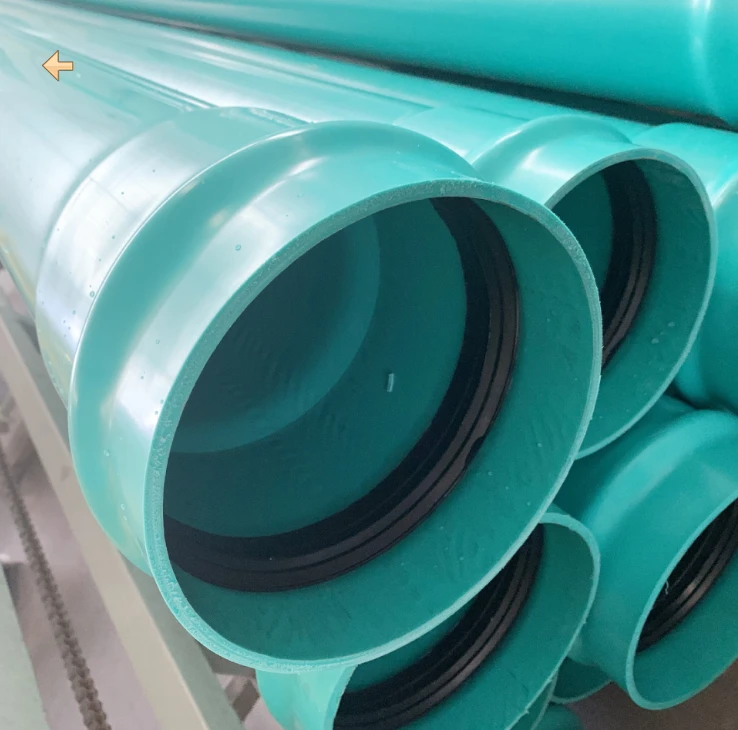
The performance of HDPE straight couplers is governed by several engineering principles. First, pressure containment requires sufficient wall thickness and robust joint design to withstand internal hydrostatic pressure, external soil loads, and surge pressures. Force analysis, utilizing finite element analysis (FEA), is frequently employed to optimize coupler geometry and minimize stress concentrations. Secondly, accommodating thermal expansion and contraction is crucial. HDPE exhibits a significant coefficient of thermal expansion (approximately 1.1 x 10⁻⁴ / °C), necessitating a degree of flexibility in the coupler design or allowance for movement within the piping system. Thirdly, environmental resistance demands consideration of UV exposure, chemical attack, and potential abrasion. HDPE couplers are susceptible to degradation from prolonged UV exposure, requiring the incorporation of UV stabilizers during manufacturing. Chemical compatibility is critical; couplers must withstand the fluids being transported without swelling, cracking, or leaching. Compliance with relevant standards – such as AWWA C906 for potable water applications – dictates allowable stresses, pressure ratings, and testing protocols. Proper installation, adhering to manufacturer’s guidelines regarding alignment and insertion depth, is essential for achieving optimal performance and preventing joint separation.
Technical Specifications
| Parameter | Unit | Typical Value (DN 100) | Testing Standard |
|---|---|---|---|
| Nominal Diameter | mm | 110 | ISO 4437 |
| Pressure Rating (PN) | bar | 16 | ISO 9001 |
| Material | - | HDPE (PE100) | ASTM D3350 |
| Wall Thickness | mm | 4.5 | Internal QC |
| Jointing Method | - | Spigot and Socket Fusion | DVS 2205 |
| Operating Temperature Range | °C | -40 to +60 | Manufacturer Spec. |
Failure Mode & Maintenance
HDPE straight coupler failures typically manifest in several forms. Joint separation, often stemming from inadequate fusion welding or improper insertion depth, leads to leakage. Environmental stress cracking (ESC) can occur due to prolonged exposure to aggressive chemicals or sustained tensile stress, resulting in crack propagation. UV degradation causes embrittlement and loss of impact resistance, particularly in exposed applications. Fatigue cracking can develop under cyclic loading conditions, such as those experienced in pump discharge lines. Failure analysis often reveals that insufficient surface preparation prior to fusion welding is a primary contributor to joint failures. Maintenance primarily involves visual inspection for cracks, leaks, or signs of degradation. Periodic pressure testing can identify hidden leaks. In the event of minor leakage, repair may involve re-fusion welding (if feasible) or replacement of the coupler. Prevention of failure centers on proper installation practices, including thorough surface cleaning, correct fusion welding parameters (temperature, pressure, time), and appropriate material selection for the intended application. Protecting couplers from direct sunlight with UV-resistant coatings or burial can significantly extend service life. Regular monitoring for signs of distress and proactive replacement of aging components are also crucial.
Industry FAQ
Q: What is the impact of varying pipe diameters on coupler selection?
A: Coupler selection is directly dictated by the pipe’s nominal diameter. Couplers are designed with precise spigot and socket dimensions to ensure a secure, leak-proof fit with corresponding pipe sizes. Using a coupler designed for an incorrect diameter will compromise the joint integrity, leading to potential failure. It’s also important to consider SDR (Standard Dimension Ratio) compatibility, as different SDRs represent varying wall thicknesses for a given diameter and require correspondingly sized couplers.
Q: How does the type of welding process (butt fusion vs. socket fusion) affect coupler performance?
A: Both butt fusion and socket fusion are viable methods for joining HDPE pipes with couplers, but they have different strengths. Butt fusion is generally preferred for larger diameter pipes, providing a stronger, more consistent weld. Socket fusion is more commonly used for smaller diameters and offers greater flexibility in confined spaces. The quality of the weld, regardless of the method, is paramount. Proper operator training, adherence to welding parameters, and thorough inspection are critical for ensuring reliable joint performance.
Q: Can HDPE straight couplers be used with other types of plastic piping materials?
A: No. HDPE straight couplers are specifically designed for use with HDPE pipes. Attempting to join HDPE couplers with pipes made from other materials – such as PVC or PP – will result in incompatible joint geometries and material properties, leading to immediate failure. Compatibility between the pipe and coupler material is absolutely essential.
Q: What is the typical service life expectancy of an HDPE straight coupler under ideal conditions?
A: Under ideal conditions – including proper installation, exposure to non-aggressive fluids, and protection from UV degradation – HDPE straight couplers can have a service life exceeding 50 years. However, this is highly dependent on the specific application, environmental factors, and the quality of the materials and workmanship involved. Regular inspection and proactive maintenance are essential for maximizing service life.
Q: How do I determine the correct pressure rating for a coupler based on my system’s operating conditions?
A: The coupler’s pressure rating must be equal to or greater than the maximum operating pressure of the piping system, including any potential surge pressures. Refer to system design calculations and relevant industry standards (e.g., AWWA, ISO) to determine the required pressure rating. It’s also crucial to consider the temperature of the transported fluid, as higher temperatures can reduce the allowable pressure rating of HDPE materials.
Conclusion
HDPE straight couplers are foundational elements in modern piping infrastructure, offering a reliable and durable solution for joining HDPE pipes. Their performance hinges on a complex interplay of material science, manufacturing precision, and engineering considerations, encompassing pressure containment, thermal expansion accommodation, and environmental resistance. Rigorous adherence to industry standards and best practices in installation and maintenance are paramount to preventing failures and ensuring long-term system integrity.
The continued development of advanced HDPE formulations and welding techniques promises to further enhance the performance and longevity of these critical components. Ongoing research into improved UV stabilization, enhanced chemical resistance, and non-destructive testing methods will contribute to a more sustainable and reliable piping infrastructure for future generations.
-
DN25 HDPE Compression Fitting-HORON INTERNATIONAL|Reliable Irrigation Solutions
NewsFeb.11,2026
-
hdpe coupling joint product Manufacturing Analysis
News2026-11-18
-
ppr pipe heating time products Performance Analysis
News2026-11-16
-
hdpe pipe sizes factory Performance Analysis
News2026-11-09
-
HDPE Pipe Sizes Service Performance Analysis
News2026-10-26
-
wholesale 15mm ppr pipe Material Science and Performance Analysis
News2026-10-20
-
wholesale pvc pipe price per foot Technical Analysis
News2026-09-21
-
wholesale long pvc pipe Technical Analysis and Manufacturing Specifications
News2026-09-15
-
wholesale plumbing kitchen sink water lines Material Performance
News2026-09-15
-
wholesale hdpe drip irrigation Material Science
News2026-09-15
-
wholesale hot water ppr pipe Performance Analysis
News2026-09-15
-
wholesale ppr plumbing Performance Analysis
News2026-09-15
-
wholesale ppr pipe supplier Performance Analysis
News2026-09-13
-
wholesale 50mm ppr pipe Performance Analysis
News2026-09-13
-
wholesale hdpe drip pipe Performance Analysis
News2026-09-13
-
wholesale hdpe pipe 63mm price Manufacturing Specification and Performance Analysis
News2026-09-13