

Feb . 11, 2026 00:01 Back to list
hdpe straight coupler product Manufacturing Analysis
Introduction
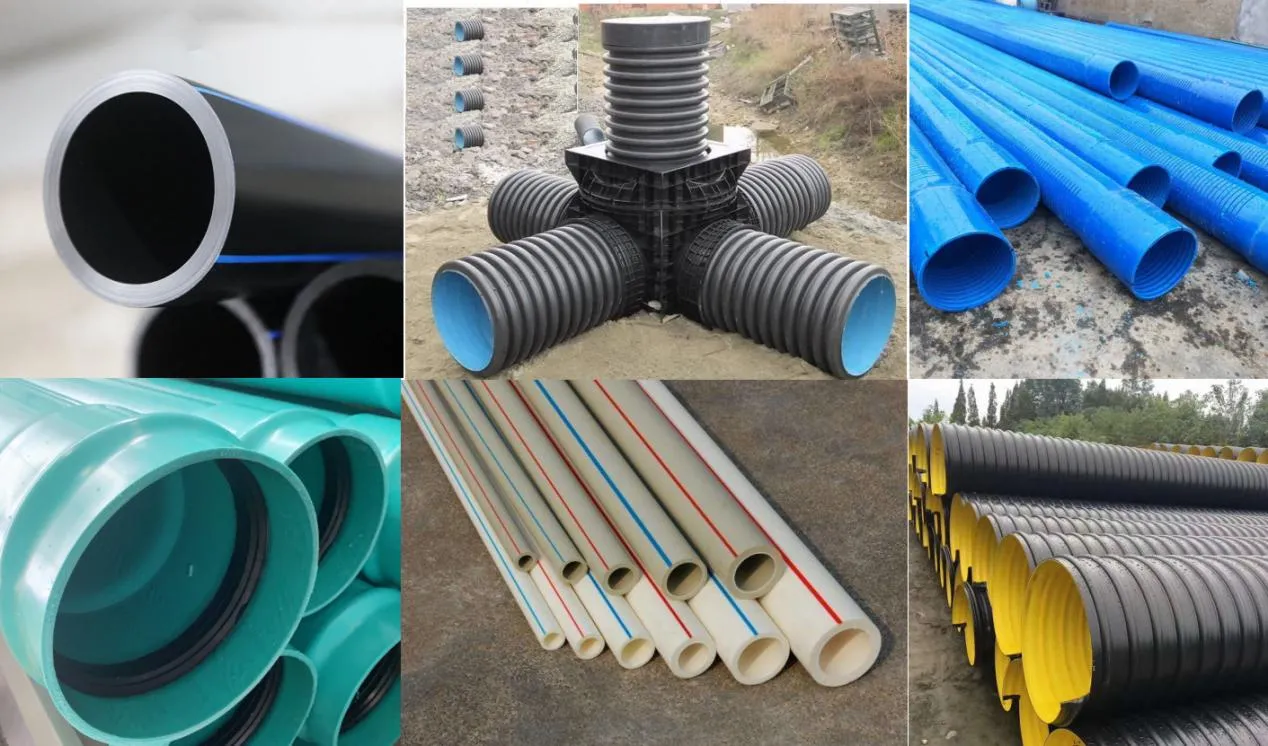
High-Density Polyethylene (HDPE) straight couplers are essential components in thermoplastic piping systems, facilitating the joining of two HDPE pipes of the same nominal diameter while maintaining flow continuity. Positioned within the broader infrastructure supply chain, these couplers represent a critical link between polymer production and final application in sectors such as water distribution, irrigation, drainage, gas transmission, and industrial fluid handling. Their primary performance characteristic is providing a leak-proof, structurally sound connection capable of withstanding hydrostatic pressure, soil loading, and temperature fluctuations. The increasing adoption of HDPE piping, driven by its corrosion resistance, lightweight nature, and cost-effectiveness compared to traditional materials like ductile iron or steel, elevates the importance of reliable coupling solutions like the HDPE straight coupler. Core industry pain points revolve around ensuring long-term joint integrity, achieving consistent installation quality across diverse field conditions, and mitigating risks associated with improper material selection or installation techniques.
Material Science & Manufacturing
HDPE straight couplers are typically manufactured from high-density polyethylene resin, conforming to standards like ASTM D3350 or ISO 4437. The raw material’s molecular weight distribution and density significantly influence the final coupler's mechanical properties. Higher molecular weight leads to increased toughness and creep resistance. The manufacturing process commonly involves injection molding. Granular HDPE resin is fed into a heated barrel, melted, and then injected under high pressure into a mold cavity shaped like the coupler. Critical parameters include melt temperature (typically 180-220°C), mold temperature (30-60°C), injection pressure (70-120 MPa), and cooling rate. Precise control of these parameters is crucial to minimize shrinkage, warpage, and internal stresses within the finished product. Some couplers utilize a ribbed or sleeve design to enhance pull-out resistance. The quality of the weld lines formed during injection molding is paramount; incomplete fusion can create weak points prone to failure. Post-molding operations may include deburring and dimensional inspection. Chemical compatibility of the HDPE resin with the conveyed fluid is also a vital consideration; long-term exposure to aggressive chemicals can induce stress cracking or degradation.
Performance & Engineering
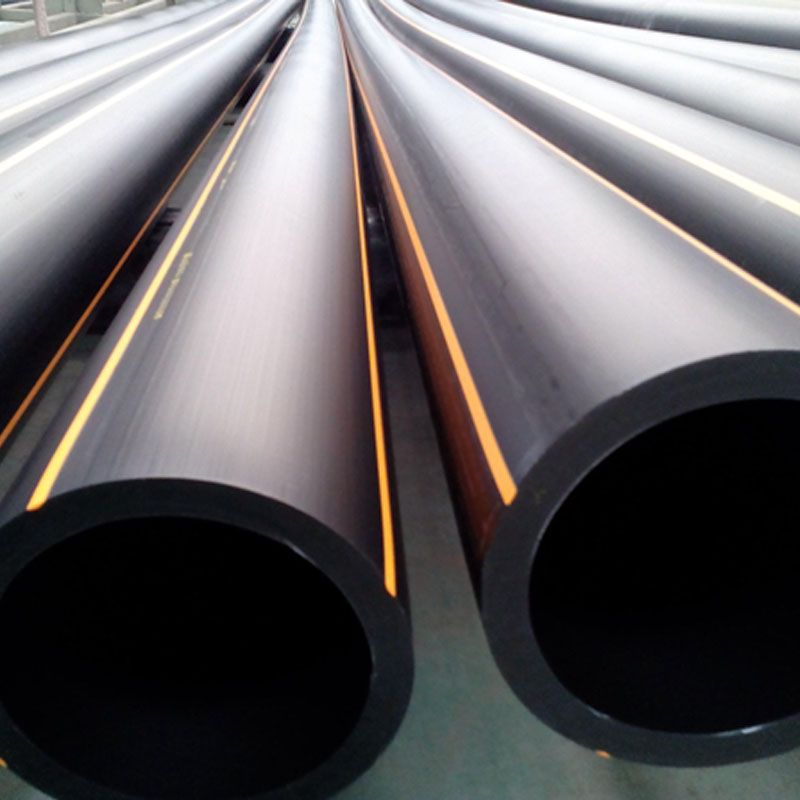
The performance of an HDPE straight coupler is dictated by several engineering principles. First, hydrostatic pressure resistance is governed by Barlow’s formula, relating wall thickness, pipe diameter, and allowable stress. Coupler wall thickness must be sufficient to withstand the maximum operating pressure of the piping system with an appropriate safety factor. Second, soil loading resistance requires consideration of the coupler’s ability to distribute external loads without deformation or cracking. This is particularly important for buried pipelines. Third, thermal expansion and contraction of HDPE pipes necessitate a degree of flexibility in the coupling system to prevent stress build-up. Couplers often incorporate a slight interference fit or a flexible sleeve to accommodate these movements. Fourth, compliance with industry standards, such as AWWA C906 for water distribution, dictates specific performance requirements related to leak tightness, tensile strength, and resistance to environmental stress cracking. Failure analysis often reveals that improper installation – insufficient insertion depth, misalignment, or inadequate support – is a primary contributor to premature failure. Finite Element Analysis (FEA) is frequently used during the design phase to optimize coupler geometry and predict stress distribution under various loading conditions.
Technical Specifications
| Nominal Pipe Size (Inches) | Pressure Rating (PSI) | Material | Wall Thickness (mm) |
|---|---|---|---|
| 1/2 | 150 | HDPE (ASTM D3350) | 3.7 |
| 3/4 | 150 | HDPE (ASTM D3350) | 4.4 |
| 1 | 150 | HDPE (ASTM D3350) | 5.1 |
| 1 1/4 | 100 | HDPE (ASTM D3350) | 5.8 |
| 1 1/2 | 100 | HDPE (ASTM D3350) | 6.4 |
| 2 | 80 | HDPE (ASTM D3350) | 7.1 |
Failure Mode & Maintenance
HDPE straight coupler failures typically manifest in several forms. Fatigue cracking can occur under cyclic pressure loading, especially in systems with water hammer effects. Environmental Stress Cracking (ESC) is a common issue, particularly when exposed to detergents, solvents, or oxidizing agents. The presence of stress concentrators, such as sharp corners or weld defects, exacerbates ESC. Creep, the time-dependent deformation under sustained load, can lead to joint separation over time. Oxidation, though slow, can degrade the polymer matrix, reducing its mechanical strength. Installation-related failures include insufficient insertion of the pipe into the coupler, creating a gap that compromises the seal, or improper alignment leading to uneven stress distribution. Maintenance primarily focuses on preventative measures. Regular visual inspections should be conducted to identify any signs of cracking, deformation, or leakage. Proper backfilling procedures are critical to prevent soil loading damage. Avoid direct contact with incompatible chemicals. If a leak is detected, the affected coupler should be replaced immediately. Hydrostatic testing can verify the integrity of the piping system. Periodic cleaning of the pipeline can also help prevent the buildup of debris that could contribute to premature failure.
Industry FAQ
Q: What is the impact of temperature on the performance of an HDPE straight coupler?
A: Temperature significantly affects HDPE's mechanical properties. Higher temperatures reduce the material's tensile strength and creep resistance, potentially leading to joint separation under sustained load. Lower temperatures increase brittleness, making the coupler more susceptible to cracking, especially during installation. Installation procedures should account for ambient temperature conditions, and consideration must be given to the operating temperature range of the conveyed fluid.
Q: How does the ribbed design of some couplers contribute to their performance?
A: Ribs on the interior of the coupler increase the surface area in contact with the pipe, enhancing the mechanical interlock and resistance to pull-out forces. This is particularly important in applications where tensile loads are present, such as in sloped pipelines or areas prone to ground movement.
Q: What are the key differences between injection-molded and compression-molded HDPE couplers?
A: Injection molding produces couplers with higher dimensional accuracy and smoother surfaces, making them suitable for applications requiring precise fits and minimal flow restriction. Compression molding is typically used for larger diameter couplers, offering greater flexibility in design but potentially lower dimensional tolerances. The injection molded couplers generally have better consistency and repeatability.
Q: How important is the proper insertion depth when installing an HDPE straight coupler?
A: Proper insertion depth is critical for ensuring a watertight seal and maximizing the mechanical strength of the joint. Insufficient insertion creates a gap that allows fluid to leak and reduces the pull-out resistance. Excessive insertion can stress the coupler and potentially damage the pipe. Always adhere to the manufacturer's recommended insertion depth, typically marked on the coupler itself.
Q: Can HDPE straight couplers be used with pipes manufactured from other materials, such as PVC or PP?
A: No. HDPE straight couplers are specifically designed to be used with HDPE pipes of the same nominal diameter and pressure rating. Attempting to connect different materials can result in a compromised joint with a high risk of leakage or failure due to differences in thermal expansion coefficients and material compatibility. Transition couplings designed for dissimilar materials must be used.
Conclusion
HDPE straight couplers are vital components ensuring the reliable and long-lasting performance of HDPE piping systems. Their design, material composition, and manufacturing processes are all carefully engineered to withstand the demanding conditions of various industrial applications. Successful implementation hinges on a thorough understanding of material science principles, adherence to industry standards, and meticulous attention to installation procedures.
Looking forward, advancements in HDPE resin technology, such as the development of enhanced UV stabilizers and impact modifiers, will further improve the durability and lifespan of these couplers. The integration of smart sensing technologies into coupler designs could enable real-time monitoring of joint integrity, facilitating proactive maintenance and preventing catastrophic failures. Continued research into novel joining techniques, such as electrofusion welding, holds promise for creating even stronger and more reliable connections.
-
DN25 HDPE Compression Fitting-HORON INTERNATIONAL|Reliable Irrigation Solutions
NewsFeb.11,2026
-
hdpe coupling joint product Manufacturing Analysis
News2026-11-18
-
ppr pipe heating time products Performance Analysis
News2026-11-16
-
hdpe pipe sizes factory Performance Analysis
News2026-11-09
-
HDPE Pipe Sizes Service Performance Analysis
News2026-10-26
-
wholesale 15mm ppr pipe Material Science and Performance Analysis
News2026-10-20
-
wholesale pvc pipe price per foot Technical Analysis
News2026-09-21
-
wholesale long pvc pipe Technical Analysis and Manufacturing Specifications
News2026-09-15
-
wholesale plumbing kitchen sink water lines Material Performance
News2026-09-15
-
wholesale hdpe drip irrigation Material Science
News2026-09-15
-
wholesale hot water ppr pipe Performance Analysis
News2026-09-15
-
wholesale ppr plumbing Performance Analysis
News2026-09-15
-
wholesale ppr pipe supplier Performance Analysis
News2026-09-13
-
wholesale 50mm ppr pipe Performance Analysis
News2026-09-13
-
wholesale hdpe drip pipe Performance Analysis
News2026-09-13
-
wholesale hdpe pipe 63mm price Manufacturing Specification and Performance Analysis
News2026-09-13