

Feb . 11, 2026 00:01 Back to list
hdpe pipes products Performance Analysis
Introduction
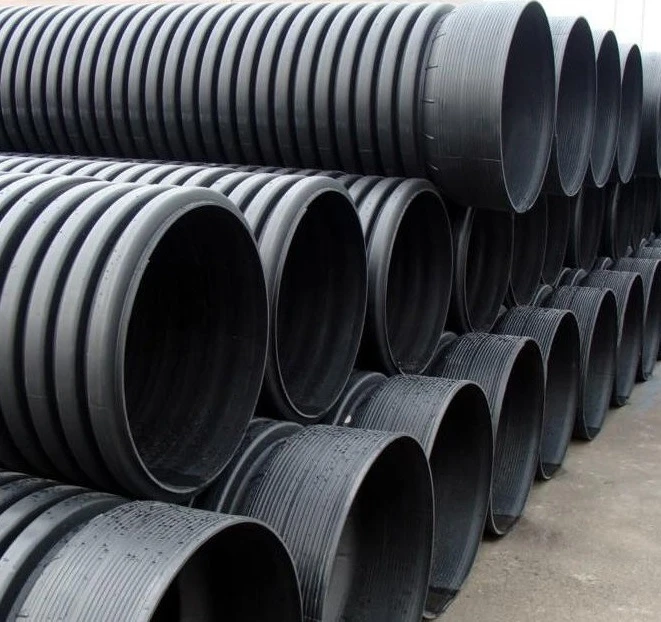
High-Density Polyethylene (HDPE) pipes are a thermoplastic piping system utilized across a diverse range of applications, including potable water distribution, wastewater management, gas transportation, industrial fluid handling, and drainage systems. Positioned as a modern alternative to traditional materials like ductile iron, steel, PVC, and concrete, HDPE pipes offer a unique combination of durability, flexibility, and cost-effectiveness. Their chemical inertness, resistance to corrosion, and lightweight nature contribute to reduced installation costs and extended service life. The core performance characteristics center around pressure bearing capacity (related to Schedule designation – 40, 80, etc.), long-term hydrostatic strength, and resistance to environmental stress cracking (ESCR). A significant advantage lies in their fusion-welded joints, creating a leak-free system with superior hydraulic efficiency compared to mechanically joined pipes.
Material Science & Manufacturing
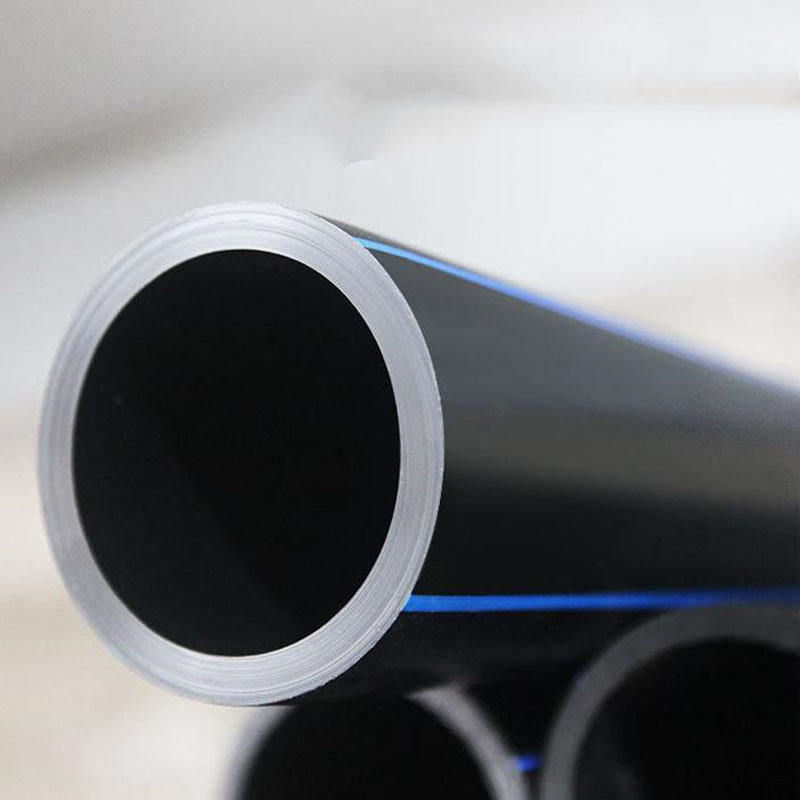
HDPE pipes are manufactured from high-density polyethylene, a thermoplastic polymer produced from the polymerization of ethylene. The polyethylene resin’s density (typically 0.941 to 0.965 g/cm³) directly impacts its mechanical properties – higher density equates to greater strength and rigidity. The raw material often incorporates additives such as carbon black for UV protection, antioxidants to prevent thermal degradation, and stabilizers to enhance long-term performance. Manufacturing predominantly utilizes two processes: extrusion and injection molding. Extrusion is the primary method for producing long lengths of pipe. The process involves melting HDPE pellets and forcing them through a die that shapes the molten plastic into the desired pipe diameter and wall thickness. Precise temperature control, screw speed, and die design are critical parameters influencing the pipe’s uniformity and mechanical properties. Injection molding is used for fittings and short pipe sections. Cooling rates and mold pressure must be carefully controlled to prevent warping and ensure dimensional accuracy. Post-extrusion, pipes undergo quality control checks, including hydrostatic testing to verify pressure bearing capacity and dimensional inspections to ensure adherence to specifications. The PE100 material designation, often cited, refers to the minimum required long-term hydrostatic strength (MRS) of 10 MPa, indicating a minimum expected service life of 50 years at ambient temperatures.
Performance & Engineering
The performance of HDPE pipes is significantly influenced by several engineering factors. Stress analysis, particularly concerning external loads and internal pressure, is crucial for determining appropriate pipe wall thickness and burial depth. The Hazen-Williams equation and Darcy-Weisbach equation are used to calculate frictional head loss, vital for pump sizing and system hydraulics. Environmental factors play a considerable role; temperature affects the pipe’s modulus of elasticity and susceptibility to creep. Low temperatures increase brittleness, while elevated temperatures can reduce strength and lead to deformation. Soil conditions also influence performance. Corrosive soils can contribute to long-term degradation, necessitating the use of protective coatings or cathodic protection in certain environments. Furthermore, HDPE's resistance to Chemical attack is paramount in industrial applications. Its inherent resistance to most acids, bases, and solvents makes it ideal for conveying a wide array of fluids. However, prolonged exposure to strong oxidizing agents should be avoided. Compliance with industry standards, such as ASTM D3261 (for polyethylene pipe for use in distribution systems), dictates minimum performance requirements for pressure rating, burst pressure, and long-term hydrostatic strength. Fatigue analysis is also important where cyclic pressure fluctuations or external loading exist. The pipe’s flexibility allows it to accommodate ground movement and seismic activity, reducing the risk of catastrophic failure.
Technical Specifications
| Parameter | Units | Specification (Typical) | Test Standard |
|---|---|---|---|
| Material | - | PE100 | ASTM D3350 |
| Density | g/cm³ | 0.955 | ASTM D1505 |
| Minimum Required Strength (MRS) | MPa | 10.0 | ISO 11679 |
| Hydrostatic Design Basis (HDB) | MPa | 12.5 | ASTM D3261 |
| Burst Pressure | MPa | Varies with SDR (Schedule) | ASTM D1597 |
| Operating Temperature Range | °C | -40 to +60 (Short term up to +80) | - |
Failure Mode & Maintenance
HDPE pipes, while robust, are susceptible to certain failure modes. Slow Crack Growth (SCG) or Environmental Stress Cracking (ESCR) is a primary concern, initiated by sustained tensile stress in the presence of aggressive chemicals or environmental factors. This manifests as brittle cracks propagating slowly through the pipe wall. Another failure mode is ductile fracture resulting from exceeding the pipe's pressure rating or impact damage during installation. UV degradation can embrittle the pipe surface if exposed to prolonged sunlight without adequate protection (carbon black additive mitigates this). Joint failures, while rare with proper fusion welding, can occur due to incomplete fusion, contamination during welding, or excessive stress on the joint. Creep, the time-dependent deformation under constant stress, can also contribute to long-term failure. Maintenance primarily focuses on preventative measures. Regular visual inspections for cracks, deformation, or leaks are crucial. Proper backfilling procedures during installation minimize stress on the pipe. For buried pipelines, corrosion potential should be assessed, and cathodic protection implemented if necessary. If a leak is detected, the affected section should be excavated and either repaired using fusion welding or replaced. A comprehensive record of pipe material, installation details, and maintenance activities is essential for long-term asset management. Avoid sharp bends or excessive loading on the pipe to prevent stress concentration and potential failure.
Industry FAQ
Q: What is the advantage of HDPE pipe over ductile iron pipe in terms of corrosion resistance?
A: HDPE is inherently corrosion-resistant, exhibiting no susceptibility to rust or oxidation unlike ductile iron, which requires protective coatings and is still prone to corrosion over time, especially in aggressive soil conditions. This eliminates the need for costly corrosion control measures and extends the service life of the HDPE pipeline.
Q: How does temperature affect the performance of HDPE pipe?
A: Elevated temperatures reduce the pipe’s stiffness and strength, potentially leading to creep and deformation under sustained loads. Conversely, low temperatures increase brittleness, making the pipe more susceptible to cracking, particularly under impact. Operating temperature limits must be observed to ensure long-term performance.
Q: What is the significance of the SDR (Schedule) value in HDPE pipe specifications?
A: The Schedule Designation (SDR) is the ratio of the pipe's outside diameter to its wall thickness. A lower SDR value indicates a thicker wall and, consequently, a higher pressure rating. Choosing the appropriate SDR is crucial to ensure the pipe can withstand the anticipated operating pressures and external loads.
Q: What fusion welding methods are commonly used for joining HDPE pipes?
A: Butt fusion, electrofusion, and socket fusion are the primary welding methods. Butt fusion is used for larger diameter pipes, electrofusion for smaller diameters and complex fittings, and socket fusion for joining smaller pipes and fittings. Proper training and adherence to welding procedures are essential for creating reliable, leak-free joints.
Q: How can Environmental Stress Cracking (ESCR) be prevented in HDPE pipelines?
A: Preventing ESCR involves careful material selection (using PE100 with high ESCR resistance), minimizing sustained tensile stress on the pipe (proper installation and backfilling), and avoiding contact with aggressive chemicals that can accelerate cracking. Pressure testing with appropriate fluids is also critical.
Conclusion
HDPE pipes represent a significant advancement in piping technology, offering a robust, durable, and cost-effective solution for a wide range of applications. Their inherent resistance to corrosion, coupled with the integrity of fusion-welded joints, provides extended service life and minimized maintenance requirements. Understanding the material science, manufacturing processes, and engineering considerations detailed herein is crucial for optimizing system design and ensuring long-term performance.
The continued adoption of HDPE pipe relies on adherence to established industry standards and best practices. As material science evolves, further enhancements in HDPE resin formulations will likely improve performance characteristics, such as ESCR resistance and high-temperature capabilities. Proper installation techniques and proactive maintenance programs are essential to realizing the full potential of this versatile piping material and maximizing its lifecycle cost-effectiveness.
-
DN25 HDPE Compression Fitting-HORON INTERNATIONAL|Reliable Irrigation Solutions
NewsFeb.11,2026
-
hdpe coupling joint product Manufacturing Analysis
News2026-11-18
-
ppr pipe heating time products Performance Analysis
News2026-11-16
-
hdpe pipe sizes factory Performance Analysis
News2026-11-09
-
HDPE Pipe Sizes Service Performance Analysis
News2026-10-26
-
wholesale 15mm ppr pipe Material Science and Performance Analysis
News2026-10-20
-
wholesale pvc pipe price per foot Technical Analysis
News2026-09-21
-
wholesale long pvc pipe Technical Analysis and Manufacturing Specifications
News2026-09-15
-
wholesale plumbing kitchen sink water lines Material Performance
News2026-09-15
-
wholesale hdpe drip irrigation Material Science
News2026-09-15
-
wholesale hot water ppr pipe Performance Analysis
News2026-09-15
-
wholesale ppr plumbing Performance Analysis
News2026-09-15
-
wholesale ppr pipe supplier Performance Analysis
News2026-09-13
-
wholesale 50mm ppr pipe Performance Analysis
News2026-09-13
-
wholesale hdpe drip pipe Performance Analysis
News2026-09-13
-
wholesale hdpe pipe 63mm price Manufacturing Specification and Performance Analysis
News2026-09-13