

Feb . 11, 2026 00:01 Back to list
hdpe pipes product Performance Analysis
Introduction
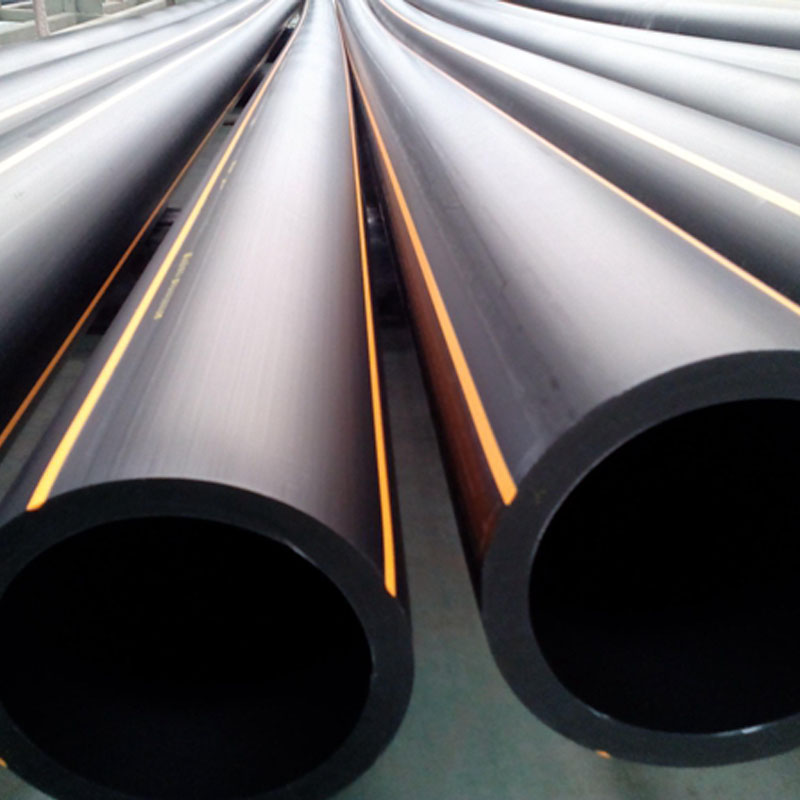
High-Density Polyethylene (HDPE) pipes are thermoplastic pipes made from polyethylene with a high density. They represent a significant advancement in fluid conveyance systems across numerous industries including municipal water and sewer, oil and gas, mining, and agricultural irrigation. Positioned within the broader piping industry alongside PVC, ductile iron, and steel, HDPE distinguishes itself through a unique combination of flexibility, durability, and chemical resistance. The core performance characteristics – including pressure rating, burst strength, and long-term hydrostatic strength (LTHS) – dictate its suitability for demanding applications where traditional materials often fall short. A key driver for HDPE adoption is its ability to be joined using heat fusion, creating a leak-free, structurally sound pipeline system. Understanding these properties and applications is critical for engineers and procurement professionals seeking reliable and cost-effective piping solutions.
Material Science & Manufacturing
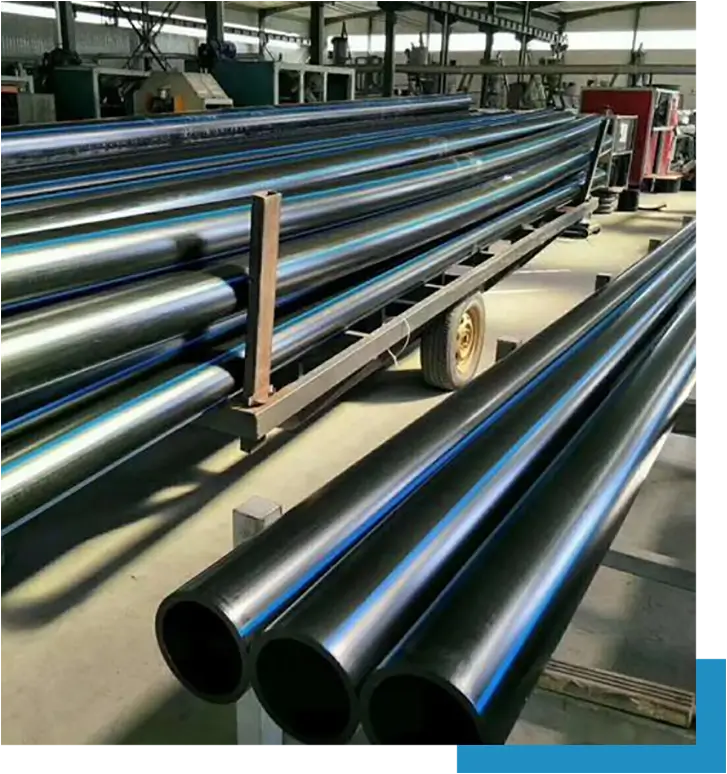
HDPE pipes are produced from polyethylene resins, typically grades designated as PE3408, PE4710, or PE100, each indicating a minimum required strength (Minimum Required Strength - MRS) in MPa. The raw material’s molecular weight distribution and density influence its mechanical properties. Higher density translates to increased crystallinity and, consequently, enhanced tensile strength and rigidity. The manufacturing process typically involves extrusion. Polyethylene granules are fed into an extruder, melted, and forced through a die to form a continuous pipe. Critical parameters during extrusion include melt temperature (typically between 180°C and 210°C), die pressure, and cooling rate. Precise control of these parameters ensures dimensional accuracy, uniform wall thickness, and consistent material properties. Furthermore, the incorporation of carbon black or other UV stabilizers is crucial for protecting the pipe from degradation caused by prolonged exposure to sunlight. Pipe dimensions (diameter and wall thickness) are governed by standards like ASTM D3350 and ISO 4427. Jointing methods significantly impact system performance; common techniques include butt fusion, socket fusion, and electrofusion. Butt fusion, considered the most robust, involves heating the pipe ends and the fitting simultaneously, then pressing them together under controlled pressure to create a homogenous weld. Maintaining proper fusion parameters—temperature, pressure, and time—is essential to achieve a weld strength equivalent to or exceeding that of the base pipe material.
Performance & Engineering
HDPE pipe performance is dictated by its ability to withstand internal and external pressures, resist chemical attack, and maintain long-term structural integrity. Force analysis in pipeline design requires consideration of hydrostatic pressure, soil loads, traffic loads (if buried), and thermal stresses. The pipe’s flexibility allows it to accommodate ground movement and thermal expansion/contraction without compromising the joint integrity. This is a crucial advantage in seismically active areas or regions with expansive soils. Environmental resistance is a key performance attribute; HDPE is highly resistant to most acids, alkalis, and organic solvents, making it suitable for conveying a wide range of fluids. However, prolonged exposure to strong oxidizing agents should be avoided. Compliance requirements vary by region and application. For potable water systems, HDPE pipes must meet NSF/ANSI 61 standards to ensure they do not leach harmful contaminants into the water supply. For gas distribution, compliance with DOT regulations (49 CFR Part 192) is mandatory. Properly engineered HDPE pipelines exhibit a significant margin of safety, often exceeding a 2:1 safety factor based on burst pressure. The long-term hydrostatic strength (LTHS) is a critical parameter for assessing the pipeline’s ability to withstand continuous pressure over its service life. LTHS is determined through accelerated aging tests according to ISO 11679, simulating decades of service in a laboratory setting.
Technical Specifications
| Parameter | PE3408 | PE4710 | PE100 | ASTM D3350 Standard |
|---|---|---|---|---|
| Minimum Required Strength (MRS) (MPa) | 3.4 | 4.7 | 10.0 | Determined by Hydrostatic Stress |
| Density (g/cm³) | 0.934 – 0.941 | 0.941 – 0.953 | 0.941 – 0.965 | Typically 0.93 – 0.97 |
| Hydrostatic Pressure Rating (at 23°C) (psi) | 800 | 1200 | 1600 | Varies with schedule and size |
| Operating Temperature Range (°C) | -40 to +60 | -40 to +60 | -40 to +60 | Dependent on application and pressure |
| Long-Term Hydrostatic Strength (LTHS) (% of MRS) | 80% | 80% | 80% | Determined by ISO 11679 |
| Outside Diameter (inches) | 0.5 to 63 | 0.5 to 63 | 0.5 to 63 | Standard dimensions per ASTM |
Failure Mode & Maintenance
HDPE pipes, while remarkably durable, are susceptible to specific failure modes under certain conditions. Slow Crack Growth (SCG) is a primary concern, particularly in applications involving sustained tensile stress and exposure to aggressive chemicals. This manifests as brittle cracks propagating slowly through the pipe wall, often initiating at stress concentrators like welds or fittings. Oxidation, induced by UV exposure and elevated temperatures, can lead to embrittlement and reduced mechanical properties. Incorrect fusion parameters during joining can create weak welds prone to failure under pressure. Third-party damage during installation (e.g., from excavation equipment) is a common cause of leaks. Ground movement and settlement can induce excessive stress on buried pipelines, leading to cracking or joint separation. Maintenance primarily involves regular visual inspections to identify signs of damage or degradation. Leak detection surveys utilizing acoustic sensors or tracer gases can pinpoint the location of leaks. For minor cracks, repair sleeves or clamps can provide a temporary solution, but complete replacement is often the preferred long-term remedy. Preventative maintenance includes ensuring proper backfill compaction around buried pipes to minimize stress and protecting exposed sections from UV radiation. Regular testing of fusion equipment and operator training are crucial for maintaining weld quality. Furthermore, implementing cathodic protection in corrosive environments can mitigate the risk of electrochemical degradation.
Industry FAQ
Q: What is the impact of surge pressure on HDPE pipelines, and how can it be mitigated?
A: Surge pressure, or water hammer, occurs due to sudden changes in flow velocity, often caused by pump starts/stops or valve closures. HDPE, while flexible, can still be damaged by excessive surge pressure. Mitigation strategies include installing surge arrestors (air valves, vacuum breakers), utilizing slow-closing valves, and optimizing pump control algorithms to minimize flow transients. Proper pipeline design, including adequate pipe support and anchoring, is also crucial.
Q: Can HDPE pipes be used in direct burial applications without external protection?
A: Generally, yes, HDPE provides inherent corrosion resistance. However, the level of external protection required depends on the surrounding soil conditions. In rocky or abrasive soils, a protective bedding layer (sand or fine gravel) is recommended to prevent damage during backfilling. In areas with potential for third-party damage, increased cover depth or warning tape should be employed.
Q: What are the key differences between butt fusion and electrofusion welding?
A: Butt fusion is typically used for larger diameter pipes and involves heating both pipe ends and the fitting simultaneously before pressing them together. Electrofusion uses electrical resistance heating within the fitting to melt the pipe and fitting surfaces. Electrofusion offers greater control over the welding process and is suitable for smaller diameters and complex fittings.
Q: How does the operating temperature affect the pressure rating of HDPE pipes?
A: The pressure rating of HDPE pipes decreases as the operating temperature increases. This is due to the reduction in material strength at elevated temperatures. Derating factors, specified by the manufacturer and relevant standards (e.g., ASTM D3350), must be applied to the pressure rating when operating at temperatures above 23°C.
Q: What is the recommended minimum cover depth for buried HDPE pipelines?
A: The recommended minimum cover depth varies depending on the pipe diameter, soil conditions, and anticipated traffic loads. As a general guideline, a minimum of 1.2 meters (4 feet) of cover is recommended for areas subject to vehicular traffic. In areas with lighter loads, a minimum of 0.6 meters (2 feet) may be sufficient. Consult local regulations and engineering best practices for specific requirements.
Conclusion
HDPE pipes offer a compelling combination of durability, flexibility, and chemical resistance, making them a preferred material for a wide range of fluid conveyance applications. The material's inherent properties, coupled with advancements in manufacturing and joining technologies, ensure long-term performance and reliability. However, successful implementation requires a thorough understanding of material science, engineering principles, and relevant industry standards. Careful consideration must be given to factors such as operating temperature, pressure rating, soil conditions, and potential failure modes.
Looking forward, continued innovation in HDPE resin formulations and welding techniques will further enhance the material’s capabilities and expand its application scope. The increasing emphasis on sustainable infrastructure solutions also positions HDPE favorably, due to its recyclability and long service life. By adhering to best practices in design, installation, and maintenance, engineers and operators can maximize the value and longevity of HDPE pipeline systems, ensuring a secure and efficient conveyance of vital resources.
-
DN25 HDPE Compression Fitting-HORON INTERNATIONAL|Reliable Irrigation Solutions
NewsFeb.11,2026
-
hdpe coupling joint product Manufacturing Analysis
News2026-11-18
-
ppr pipe heating time products Performance Analysis
News2026-11-16
-
hdpe pipe sizes factory Performance Analysis
News2026-11-09
-
HDPE Pipe Sizes Service Performance Analysis
News2026-10-26
-
wholesale 15mm ppr pipe Material Science and Performance Analysis
News2026-10-20
-
wholesale pvc pipe price per foot Technical Analysis
News2026-09-21
-
wholesale long pvc pipe Technical Analysis and Manufacturing Specifications
News2026-09-15
-
wholesale plumbing kitchen sink water lines Material Performance
News2026-09-15
-
wholesale hdpe drip irrigation Material Science
News2026-09-15
-
wholesale hot water ppr pipe Performance Analysis
News2026-09-15
-
wholesale ppr plumbing Performance Analysis
News2026-09-15
-
wholesale ppr pipe supplier Performance Analysis
News2026-09-13
-
wholesale 50mm ppr pipe Performance Analysis
News2026-09-13
-
wholesale hdpe drip pipe Performance Analysis
News2026-09-13
-
wholesale hdpe pipe 63mm price Manufacturing Specification and Performance Analysis
News2026-09-13