

Feb . 11, 2026 00:01 Back to list
hdpe pipes manufacturers Manufacturing Performance Analysis
Introduction
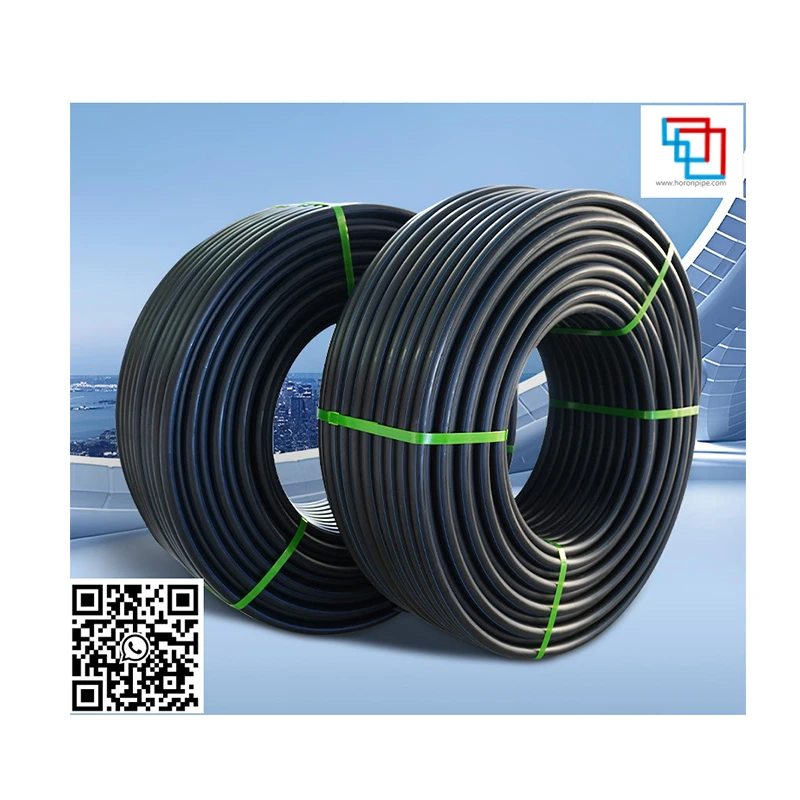
High-Density Polyethylene (HDPE) pipes are a thermoplastic pipe system used for a wide range of applications, including water distribution, gas transmission, sewer systems, and industrial piping. Positioned as a crucial component within the broader infrastructure supply chain, HDPE pipes represent a significant advancement over traditional materials like ductile iron, concrete, and PVC. Their core performance characteristics—including high strength-to-density ratio, excellent chemical resistance, and long service life—address critical industry pain points related to corrosion, leakage, and maintenance costs. This guide will provide an in-depth technical overview of HDPE pipe manufacturing, material properties, performance criteria, failure modes, and relevant industry standards, aimed at engineers, procurement managers, and technical decision-makers.
Material Science & Manufacturing
HDPE pipes are fabricated from high-density polyethylene, a linear polymer produced through the copolymerization of ethylene. The raw material’s properties are heavily influenced by its molecular weight distribution, density (typically ranging from 0.93 to 0.97 g/cm³), and the presence of comonomers which affect crystallinity. Higher densities correlate with improved tensile strength, stiffness, and chemical resistance. The manufacturing process predominantly involves extrusion. HDPE resin is fed into an extruder, where it’s heated and melted before being forced through a die to form a continuous pipe. Key parameters during extrusion include melt temperature (typically 180-210°C), die pressure, and cooling rate. Precise control of these parameters is critical to ensure consistent wall thickness, dimensional accuracy, and avoidance of defects like melt fracture. Common extrusion methods include conventional extrusion, spiral extrusion, and drum extrusion, each offering varying levels of control and production efficiency. Pipe dimensions are controlled by calibrators and cooling baths. Post-extrusion processes such as butt fusion, electrofusion, or mechanical joining are employed to connect pipe sections in field applications. The polyethylene resin grade utilized must meet stringent standards (e.g., PE 100, PE 80) dictating minimum requirements for hydrostatic strength and slow crack growth resistance.
Performance & Engineering
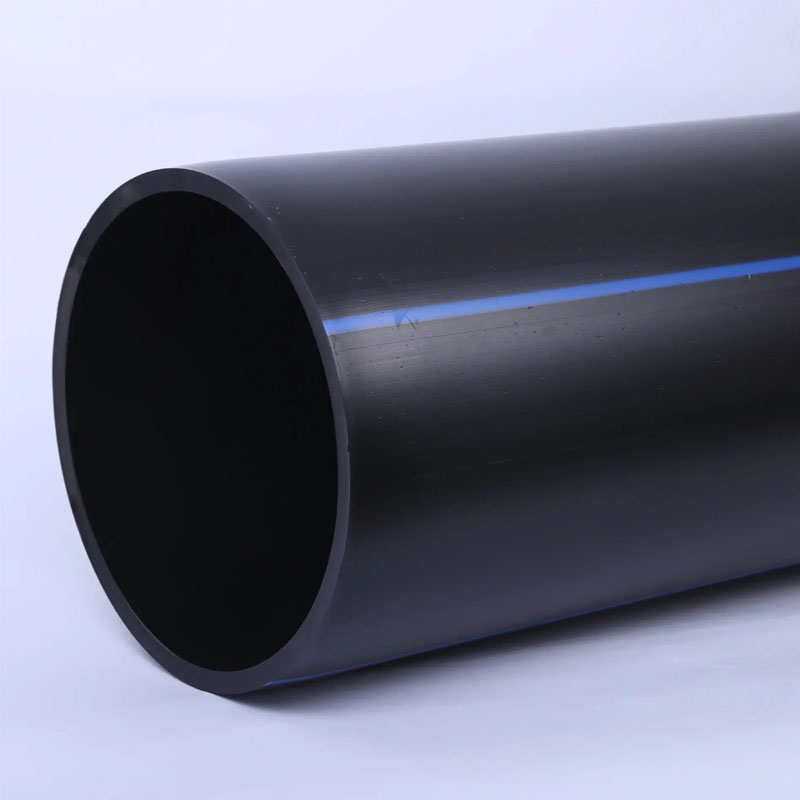
The performance of HDPE pipes is governed by several engineering principles. Stress analysis, considering both internal pressure and external loads (soil pressure, traffic load), is paramount in determining appropriate pipe wall thickness. The Barlow formula is frequently used to calculate the required wall thickness based on hoop stress. Environmental factors, particularly temperature, significantly impact HDPE pipe performance. While HDPE exhibits good ductility at ambient temperatures, its long-term strength decreases with increasing temperature. Creep rupture, the slow failure of the material under sustained stress, is a key concern in high-temperature applications. Chemical resistance is another critical performance characteristic. HDPE is inherently resistant to a broad range of acids, bases, and solvents. However, prolonged exposure to strong oxidizing agents can lead to degradation. HDPE’s susceptibility to slow crack growth (SCG) necessitates the inclusion of additives like carbon black to enhance stress crack resistance. Compliance requirements vary depending on the application and geographical region. Drinking water pipes must meet NSF/ANSI 61 standards for contaminant leaching. Gas transmission pipelines are subject to DOT regulations (Department of Transportation) regarding material specifications, welding procedures, and safety requirements. The pipe’s long-term hydrostatic strength (LTHS) is a crucial parameter for ensuring durability and preventing failures over the intended service life.
Technical Specifications
| Parameter | Unit | PE 80 | PE 100 |
|---|---|---|---|
| Minimum Required Strength (MRS) | MPa | 8.0 | 10.0 |
| Hydrostatic Design Stress (HDS) | MPa | 6.3 | 7.5 |
| Density | g/cm³ | 0.930 – 0.953 | 0.941 – 0.965 |
| Vicat Softening Temperature | °C | 120 – 130 | 125 – 135 |
| Slow Crack Growth Resistance (SCGR) | Hours | >1000 | >5000 |
| Operating Temperature Range | °C | -40 to +60 | -40 to +60 |
Failure Mode & Maintenance
HDPE pipes, while durable, are susceptible to specific failure modes. Slow crack growth (SCG), initiated by stress concentrations around scratches or imperfections, is a major concern, particularly in demanding applications. Environmental stress cracking (ESC), caused by the combined effect of stress and exposure to aggressive chemicals, can also lead to failure. Fatigue cracking can occur under cyclic loading, such as in areas subjected to traffic vibration. UV degradation, resulting from prolonged exposure to sunlight, can cause embrittlement and loss of mechanical properties. Joint failures, particularly those involving improper fusion techniques, are common points of weakness. Maintenance practices should focus on preventative measures. Regular visual inspections to identify scratches, cracks, or deformation are crucial. Pressure testing should be conducted periodically to detect leaks. Protection from UV exposure, such as burying the pipe or applying a UV-resistant coating, is recommended. Proper installation procedures, including adequate bedding and backfill, minimize stress concentrations and prevent external damage. In the event of a leak, repair options include mechanical couplings, heat fusion welding, or electrofusion welding, depending on the size and location of the defect. Thorough cleaning of the damaged area is essential before any repair is attempted.
Industry FAQ
Q: What is the advantage of HDPE pipe over ductile iron pipe in terms of corrosion resistance?
A: HDPE is inherently corrosion-resistant, as polyethylene is unaffected by most chemicals found in soil or water. Ductile iron, while often coated to mitigate corrosion, is still susceptible to rust over time, especially if the coating is damaged. This leads to reduced pipe wall thickness, increased leakage, and potential contamination.
Q: How does temperature affect the long-term performance of HDPE pipe?
A: Elevated temperatures can reduce the long-term hydrostatic strength of HDPE due to creep rupture. While HDPE can operate up to 60°C, prolonged exposure to higher temperatures necessitates derating the allowable operating pressure to ensure long-term integrity. Conversely, low temperatures do not significantly impact performance, though increased brittleness is possible at extremely low temperatures.
Q: What are the critical considerations when butt fusing HDPE pipes?
A: Proper surface preparation is crucial – ends must be clean, dry, and free from contamination. Precise temperature and pressure control during the fusion process are essential to achieve a homogenous weld. Adequate cooling time must be allowed to prevent weld distortion. Skilled operators and calibrated fusion equipment are vital for ensuring joint integrity.
Q: What role does carbon black play in HDPE pipe formulation?
A: Carbon black is added to HDPE formulations to provide UV protection and significantly improve slow crack growth resistance (SCGR). It acts as a scavenger of free radicals generated by UV exposure, preventing chain scission and embrittlement. Its inclusion is critical for applications exposed to sunlight or potential stress cracking environments.
Q: What standards govern the quality and performance of HDPE pipes intended for potable water applications?
A: HDPE pipes used for potable water must comply with NSF/ANSI 61 standards, which establish limits for contaminant leaching into the water supply. They also frequently adhere to AWWA (American Water Works Association) standards, which define material specifications, testing procedures, and installation guidelines.
Conclusion
HDPE pipes represent a robust and versatile piping solution increasingly favored across diverse industries. Their inherent advantages – including corrosion resistance, long-term durability, and flexibility – address critical limitations associated with traditional materials. Successful implementation relies on a thorough understanding of material science, manufacturing processes, performance engineering principles, and adherence to relevant industry standards.
Looking forward, advancements in HDPE resin technology, coupled with improvements in fusion techniques and non-destructive testing methods, will further enhance the performance and reliability of HDPE piping systems. The increasing focus on sustainable infrastructure solutions positions HDPE as a key material in future water, gas, and industrial applications, offering a cost-effective and environmentally responsible alternative to legacy materials.
-
DN25 HDPE Compression Fitting-HORON INTERNATIONAL|Reliable Irrigation Solutions
NewsFeb.11,2026
-
hdpe coupling joint product Manufacturing Analysis
News2026-11-18
-
ppr pipe heating time products Performance Analysis
News2026-11-16
-
hdpe pipe sizes factory Performance Analysis
News2026-11-09
-
HDPE Pipe Sizes Service Performance Analysis
News2026-10-26
-
wholesale 15mm ppr pipe Material Science and Performance Analysis
News2026-10-20
-
wholesale pvc pipe price per foot Technical Analysis
News2026-09-21
-
wholesale long pvc pipe Technical Analysis and Manufacturing Specifications
News2026-09-15
-
wholesale plumbing kitchen sink water lines Material Performance
News2026-09-15
-
wholesale hdpe drip irrigation Material Science
News2026-09-15
-
wholesale hot water ppr pipe Performance Analysis
News2026-09-15
-
wholesale ppr plumbing Performance Analysis
News2026-09-15
-
wholesale ppr pipe supplier Performance Analysis
News2026-09-13
-
wholesale 50mm ppr pipe Performance Analysis
News2026-09-13
-
wholesale hdpe drip pipe Performance Analysis
News2026-09-13
-
wholesale hdpe pipe 63mm price Manufacturing Specification and Performance Analysis
News2026-09-13