

Feb . 11, 2026 00:01 Back to list
hdpe pipe price products Performance Analysis
Introduction
High-Density Polyethylene (HDPE) pipe represents a significant advancement in fluid transfer technology, widely adopted across diverse industries including water distribution, gas transmission, irrigation, and drainage. Positioned as a cost-effective and durable alternative to traditional materials like ductile iron, steel, and PVC, HDPE pipe’s performance is fundamentally linked to its molecular structure and manufacturing processes. Its primary advantage lies in its flexibility, corrosion resistance, and long service life. Understanding the interplay between HDPE resin grades, pipe dimensions, and operational parameters is crucial for optimizing system performance and minimizing lifecycle costs. The 'price' of HDPE pipe is not solely determined by material cost but is intrinsically tied to its performance characteristics, specified standards compliance, and the total installed cost, encompassing factors like fusion welding and trenching. This guide provides an in-depth analysis of HDPE pipe, encompassing material science, manufacturing, performance criteria, failure modes, and industry standards.
Material Science & Manufacturing
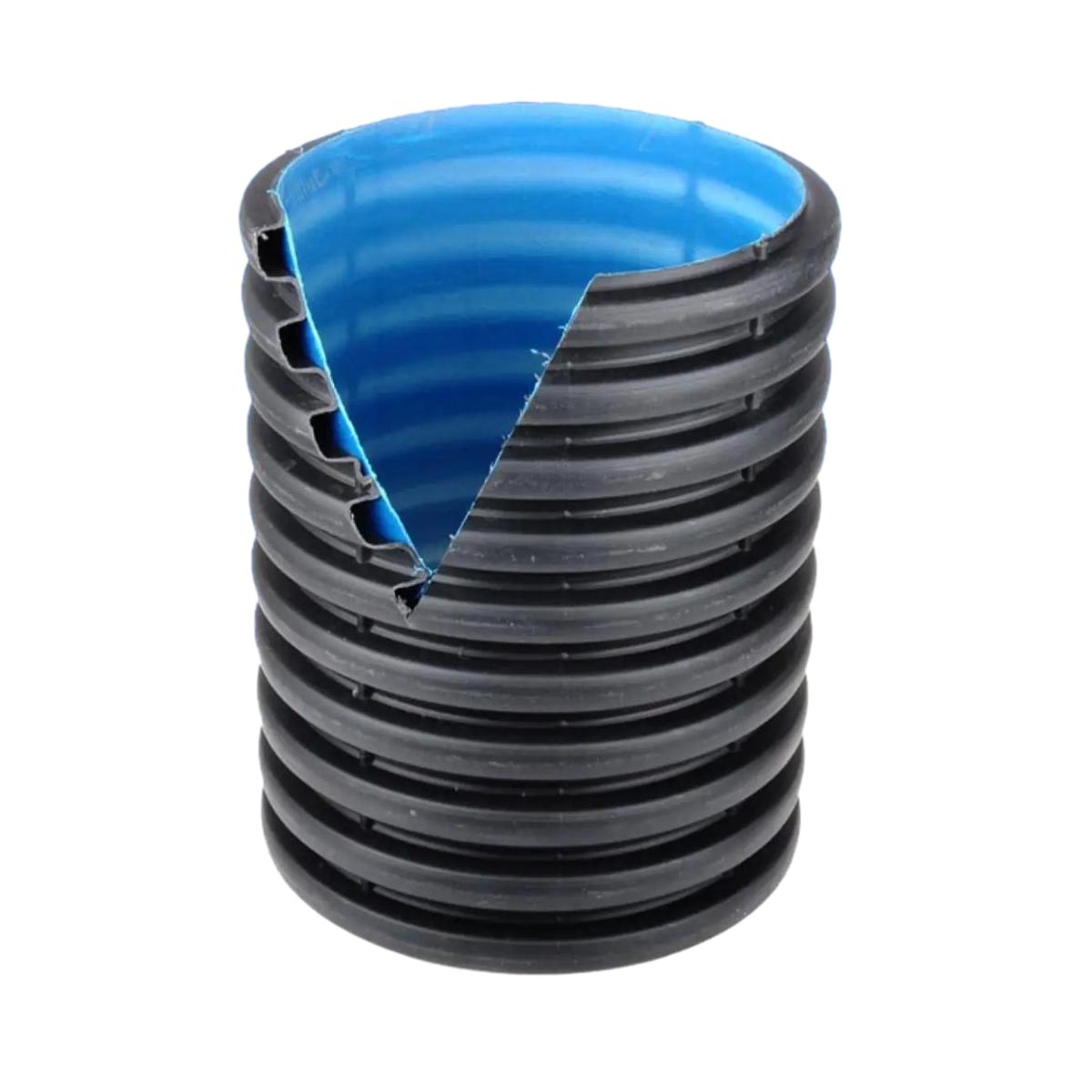
HDPE pipe is produced from polyethylene resin, specifically a high-density grade characterized by a linear polymer chain with minimal branching. This structure contributes to its high tensile strength, rigidity, and chemical resistance. Raw material selection is paramount; typically, resins conforming to ASTM D3350 or equivalent international standards are used. Key properties of the resin include molecular weight distribution, melt flow index (MFI), and density. A higher density generally translates to increased strength and rigidity but may compromise impact resistance. Manufacturing predominantly employs extrusion processes. Virgin HDPE resin, along with controlled quantities of additives (stabilizers, pigments, antioxidants), is fed into an extruder where it is heated and plasticized. The molten plastic is then forced through a die to form the desired pipe diameter and wall thickness. Critical process parameters include extrusion temperature, die pressure, and cooling rate. Proper cooling is essential to prevent warpage and ensure dimensional accuracy. Butt fusion, socket fusion, and electrofusion welding are common joining techniques. Butt fusion, prevalent for larger diameter pipes, involves heating the pipe ends and pressing them together under controlled pressure. Quality control measures include hydrostatic testing to verify pressure-bearing capacity and dimensional checks to ensure compliance with relevant standards (e.g., ASTM F441 for 4-inch to 15-inch pipe). Pipe markings are critical and must include manufacturer’s name, size, SDR (Standard Dimension Ratio), material designation, and applicable standards.
Performance & Engineering
The performance of HDPE pipe is governed by several engineering principles. Stress analysis, particularly concerning internal pressure and external loads (soil burial, traffic loads), is critical for determining appropriate pipe wall thickness. The Standard Dimension Ratio (SDR), a dimensionless number representing the ratio of pipe diameter to wall thickness, is a key design parameter. Lower SDR values indicate thicker walls and higher pressure ratings. HDPE exhibits significant creep behavior, meaning it deforms slowly under sustained stress. This must be considered in long-term designs, especially for applications involving elevated temperatures. Environmental stress cracking (ESC) is a potential failure mode, where the combined effect of stress and exposure to certain chemicals can lead to cracking. Selecting compatible materials and avoiding prolonged exposure to aggressive substances is essential. The pipe’s flexibility allows for accommodating ground movement and thermal expansion/contraction, reducing the risk of joint failure. Burial depth and backfill material also influence performance; adequate soil cover provides support and protection. In seismic zones, the pipe’s ability to withstand ground deformation is paramount. Compliance with relevant codes and standards, such as AWWA C906 (for water distribution) and ASME B31.3 (for process piping), is mandatory. Finite element analysis (FEA) is frequently used to model complex stress scenarios and optimize pipe designs.
Technical Specifications
| Parameter | Unit | Typical Value (SDR 17) | Typical Value (SDR 11) |
|---|---|---|---|
| Outside Diameter | inch | 6 | 6 |
| Wall Thickness | inch | 0.280 | 0.400 |
| Pressure Rating (PN) | psi | 100 | 160 |
| SDR (Standard Dimension Ratio) | - | 17 | 11 |
| Density | g/cm³ | 0.953 – 0.965 | 0.953 – 0.965 |
| Melt Flow Index (MFI) | g/10min | 0.5 - 1.0 | 0.5 - 1.0 |
Failure Mode & Maintenance
HDPE pipe, while durable, is susceptible to specific failure modes. Slow Crack Growth (SCG), a form of ESC, is a primary concern, particularly in applications involving sustained stress and exposure to detergents or certain solvents. Fatigue cracking can occur due to cyclic pressure fluctuations or ground movement. UV degradation, although less significant with buried pipes, can affect exposed sections. Oxidation, especially at elevated temperatures, can lead to embrittlement. Joint failures often arise from improper fusion welding techniques – insufficient heating, inadequate pressure, or contamination can create weak points. Third-party damage during excavation is a frequent cause of pipe failure. Regular inspection programs, including visual checks for cracks or deformations, are crucial. Hydrostatic testing can be used to assess the pipe’s pressure-bearing capacity. For minor leaks, heat welding can often provide a repair. In cases of significant damage, pipe replacement is typically required. Maintaining accurate records of pipe installation, welding procedures, and inspection results is essential for effective asset management. The use of tracer wire during burial assists in locating the pipe for future maintenance or repairs. Employing corrosion inhibitors in the conveyed fluid can mitigate internal corrosion, particularly in aggressive environments.
Industry FAQ
Q: What is the impact of soil corrosivity on the long-term performance of HDPE pipe?
A: Soil corrosivity doesn’t directly affect HDPE itself, as it is chemically inert. However, highly corrosive soils can accelerate corrosion of any metallic components connected to the pipe (e.g., fittings, valves). Furthermore, aggressive soil chemistry can indirectly influence HDPE by altering the surrounding soil structure, increasing stress on the pipe due to settlement or swelling.
Q: How does temperature affect the allowable operating pressure of HDPE pipe?
A: As temperature increases, the strength and stiffness of HDPE decrease, leading to a reduction in the allowable operating pressure. Derating factors are typically applied to pressure ratings based on the maximum operating temperature. These factors are specified in relevant standards like ASTM F441.
Q: What are the key considerations when selecting an HDPE pipe SDR for a specific application?
A: SDR selection depends on the operating pressure, burial depth, soil conditions, and anticipated external loads. Higher pressures and greater burial depths require lower SDR values (thicker walls). Soil conditions also impact SDR selection, as unstable soils necessitate increased structural support.
Q: What are the best practices for ensuring a reliable butt fusion weld?
A: Proper surface preparation (cleaning and removal of contaminants), accurate temperature control of the pipe ends and fusion machine, correct pressure application during the fusion process, and adequate cooling time are critical for a reliable weld. Qualified operators and adherence to established welding procedures are also essential.
Q: What is the long-term performance expectation of HDPE pipe in potable water applications?
A: Properly installed and maintained HDPE pipe can provide a service life of 50-100 years or more in potable water applications. The inertness of HDPE prevents leaching of harmful substances into the water and minimizes biofilm formation. Regular monitoring and preventative maintenance are still recommended to ensure continued performance.
Conclusion
HDPE pipe represents a robust and versatile solution for a wide range of fluid transfer applications. Its inherent properties, including corrosion resistance, flexibility, and long service life, coupled with relatively low installation costs, make it a compelling alternative to traditional piping materials. However, successful implementation requires a thorough understanding of material science, manufacturing processes, and engineering principles. Careful consideration of factors like SDR selection, weld quality, and environmental conditions is essential to maximize performance and prevent premature failure.
Looking forward, advancements in HDPE resin technology are expected to yield even higher-performance pipes with enhanced resistance to SCG and improved temperature capabilities. The increasing adoption of digital technologies, such as remote monitoring and predictive maintenance, will further optimize the lifecycle management of HDPE pipe networks, reducing operational costs and enhancing system reliability. The ‘price’ of HDPE pipe will continue to be a function of these innovations and the broader market dynamics of raw material costs and demand.
-
DN25 HDPE Compression Fitting-HORON INTERNATIONAL|Reliable Irrigation Solutions
NewsFeb.11,2026
-
hdpe coupling joint product Manufacturing Analysis
News2026-11-18
-
ppr pipe heating time products Performance Analysis
News2026-11-16
-
hdpe pipe sizes factory Performance Analysis
News2026-11-09
-
HDPE Pipe Sizes Service Performance Analysis
News2026-10-26
-
wholesale 15mm ppr pipe Material Science and Performance Analysis
News2026-10-20
-
wholesale pvc pipe price per foot Technical Analysis
News2026-09-21
-
wholesale long pvc pipe Technical Analysis and Manufacturing Specifications
News2026-09-15
-
wholesale plumbing kitchen sink water lines Material Performance
News2026-09-15
-
wholesale hdpe drip irrigation Material Science
News2026-09-15
-
wholesale hot water ppr pipe Performance Analysis
News2026-09-15
-
wholesale ppr plumbing Performance Analysis
News2026-09-15
-
wholesale ppr pipe supplier Performance Analysis
News2026-09-13
-
wholesale 50mm ppr pipe Performance Analysis
News2026-09-13
-
wholesale hdpe drip pipe Performance Analysis
News2026-09-13
-
wholesale hdpe pipe 63mm price Manufacturing Specification and Performance Analysis
News2026-09-13