

Feb . 11, 2026 00:01 Back to list
hdpe pipe for water supply specifications factories Manufacturing Process and Performance Analysis
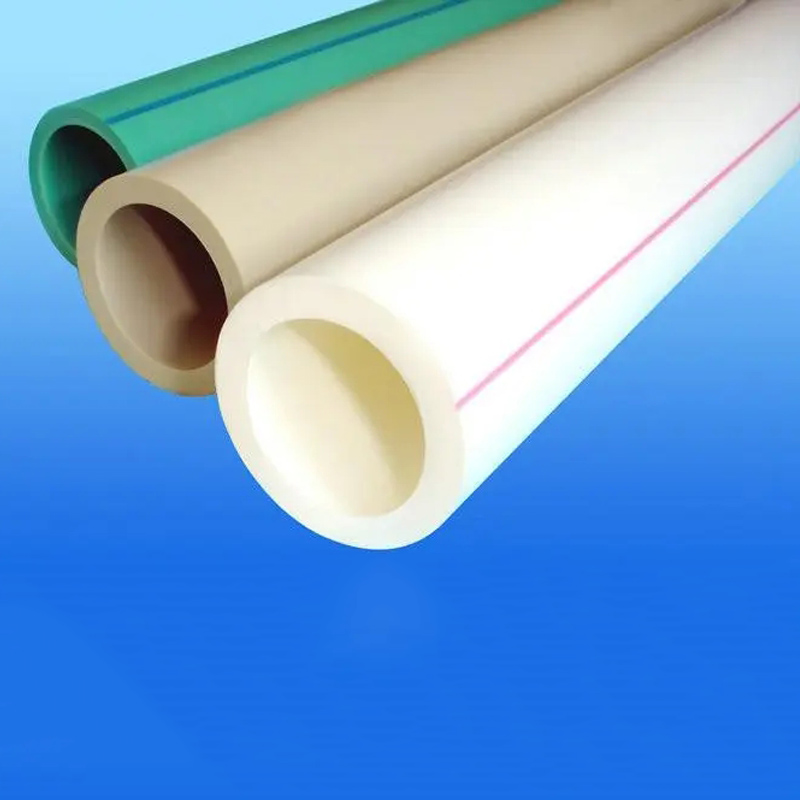
Introduction
High-Density Polyethylene (HDPE) pipe represents a significant advancement in water supply infrastructure. Positioned as a direct replacement for traditional materials like ductile iron, concrete, and PVC, HDPE pipe offers a unique combination of durability, flexibility, and cost-effectiveness. This technical guide will detail the specifications, manufacturing processes, performance characteristics, potential failure modes, and relevant industry standards pertaining to HDPE pipe specifically designed for potable water distribution systems. The industry currently faces challenges with aging infrastructure leading to water loss and contamination. HDPE pipes, with their inherent corrosion resistance and leak-tight joints, provide a long-term solution minimizing these issues. This guide is intended for engineers, procurement managers, and quality control personnel involved in the selection, installation, and maintenance of water supply pipelines.
Material Science & Manufacturing
HDPE pipe is manufactured from a thermoplastic polymer derived from petroleum. The key raw material is high-density polyethylene resin, categorized by its density (typically 0.931 to 0.954 g/cm³) and molecular weight distribution. Higher density equates to increased tensile strength and stiffness. The resin is typically sourced as powder or pellets. Manufacturing predominantly utilizes extrusion processes. In extrusion, the HDPE resin is melted and forced through a die, shaping it into a continuous pipe. Key parameters influencing pipe quality include melt temperature (180-210°C), extrusion pressure, die geometry, and cooling rate. Different grades of HDPE (PE3408, PE4710, PE6308, PE8008, and PE1000) are utilized depending on the intended application and pressure requirements. PE100 is the most commonly used grade for water supply due to its superior slow crack growth resistance (SCGR) and long-term hydrostatic strength. Fusion welding (butt fusion, electrofusion, socket fusion) is the primary joining method, creating a homogenous weld stronger than the base material itself. Quality control during manufacturing includes dimensional checks, hydrostatic pressure testing, and SCGR testing to ensure compliance with relevant standards.
Performance & Engineering
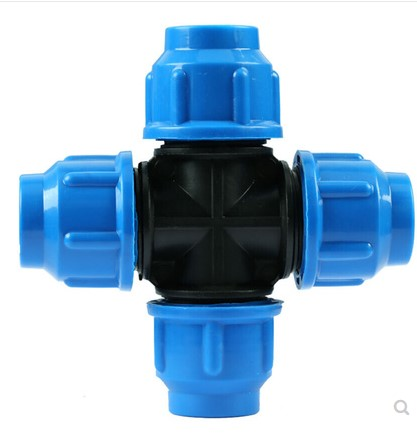
HDPE pipe's performance characteristics are governed by several engineering principles. Its flexibility allows for greater absorption of ground movement and thermal expansion/contraction, reducing stress on joints and minimizing the risk of failure. The pipe's smooth interior surface reduces frictional losses, improving hydraulic efficiency and lowering pumping costs. Burst pressure is a critical performance parameter, determined by the pipe’s dimensions (diameter and wall thickness) and the material’s hydrostatic strength. The Hazen-Williams equation is commonly used to calculate head loss in HDPE pipelines. Environmental resistance is another key aspect; HDPE is largely inert to most chemicals found in soil and water, preventing corrosion. However, prolonged exposure to UV radiation can cause degradation, necessitating the use of UV stabilizers or protective coatings. HDPE’s resistance to third-party damage is a concern; therefore, appropriate burial depth and warning tape are essential. Compliance with AWWA C906 and other relevant standards ensures that HDPE pipes meet minimum performance requirements for water distribution systems, including long-term pressure containment and resistance to slow crack growth.
Technical Specifications
| Parameter | Unit | PE100 (Typical) | PE80 (Typical) |
|---|---|---|---|
| Hydrostatic Design Stress (HDS) | MPa | 8.0 | 6.3 |
| Hydrostatic Design Basis (HDB) | Years | 50 | 50 |
| Minimum Tensile Strength | MPa | 55 | 45 |
| Slow Crack Growth Resistance (SCGR) | Hours (to 10% failure) | >1000 | >500 |
| Density | g/cm³ | 0.953 - 0.965 | 0.941 - 0.953 |
| Operating Temperature Range | °C | -40 to +60 | -40 to +40 |
Failure Mode & Maintenance
HDPE pipe, while durable, is susceptible to specific failure modes. Slow Crack Growth (SCGR) is a primary concern, initiated by sustained tensile stress and exacerbated by environmental factors. It manifests as cracks propagating slowly over time, eventually leading to leakage. Fatigue cracking can occur due to repeated bending or flexing, particularly in areas with inadequate support. Third-party damage from excavation or accidental impact is a common cause of failure. Joint failures can arise from improper fusion welding techniques (insufficient heating, incorrect pressure) or contaminated weld surfaces. Oxidation can degrade the pipe material over extended periods, especially at elevated temperatures. Maintenance primarily involves regular inspections to identify potential issues early. Leak detection surveys using acoustic methods can pinpoint the location of leaks. Repair techniques include heat fusion patches, mechanical couplings, or localized excavation and replacement. Preventative measures include proper bedding and backfill, appropriate warning tape installation, and adherence to recommended operating pressures and temperatures.
Industry FAQ
Q: What is the impact of varying soil conditions on HDPE pipe installation?
A: Soil corrosivity, load-bearing capacity, and thermal conductivity all influence HDPE pipe performance. Corrosive soils require enhanced protection, while poor load-bearing capacity necessitates increased bedding support. Thermal expansion/contraction is also affected by soil temperature; proper allowance must be made during installation to prevent stress buildup.
Q: How does the long-term creep behavior of HDPE affect pipeline design?
A: HDPE exhibits creep, meaning it deforms slowly under sustained stress. This must be considered in pipeline design by incorporating appropriate safety factors and limiting allowable stress levels. PE100 grades offer superior creep resistance compared to lower grades.
Q: What are the best practices for ensuring a reliable electrofusion weld?
A: Proper surface preparation (cleaning and drying), correct fusion parameters (voltage, current, time), and ensuring adequate clamping pressure are critical for reliable electrofusion welds. Regular calibration of the fusion equipment is also essential.
Q: How does water hammer affect HDPE pipelines, and what mitigation strategies are recommended?
A: Water hammer (pressure surge) can cause significant stress on HDPE pipelines. Mitigation strategies include surge arrestors, slow-closing valves, and air release valves to dampen pressure fluctuations.
Q: What is the expected service life of an HDPE water supply pipeline?
A: With proper installation, operation, and maintenance, an HDPE water supply pipeline can have a service life exceeding 50 years, and potentially up to 100 years. This longevity is a key economic benefit of using HDPE compared to other materials.
Conclusion
HDPE pipe stands as a robust and reliable solution for modern water supply infrastructure. Its combination of high strength, flexibility, corrosion resistance, and ease of installation makes it a compelling alternative to traditional materials. Understanding the material science, manufacturing processes, and potential failure modes is critical for successful implementation.
Future advancements in HDPE technology will likely focus on enhanced UV stabilization, improved SCGR performance, and the development of smart pipe systems incorporating sensors for leak detection and performance monitoring. Continued adherence to industry standards and best practices will ensure the long-term integrity and sustainability of HDPE water supply networks.
-
DN25 HDPE Compression Fitting-HORON INTERNATIONAL|Reliable Irrigation Solutions
NewsFeb.11,2026
-
hdpe coupling joint product Manufacturing Analysis
News2026-11-18
-
ppr pipe heating time products Performance Analysis
News2026-11-16
-
hdpe pipe sizes factory Performance Analysis
News2026-11-09
-
HDPE Pipe Sizes Service Performance Analysis
News2026-10-26
-
wholesale 15mm ppr pipe Material Science and Performance Analysis
News2026-10-20
-
wholesale pvc pipe price per foot Technical Analysis
News2026-09-21
-
wholesale long pvc pipe Technical Analysis and Manufacturing Specifications
News2026-09-15
-
wholesale plumbing kitchen sink water lines Material Performance
News2026-09-15
-
wholesale hdpe drip irrigation Material Science
News2026-09-15
-
wholesale hot water ppr pipe Performance Analysis
News2026-09-15
-
wholesale ppr plumbing Performance Analysis
News2026-09-15
-
wholesale ppr pipe supplier Performance Analysis
News2026-09-13
-
wholesale 50mm ppr pipe Performance Analysis
News2026-09-13
-
wholesale hdpe drip pipe Performance Analysis
News2026-09-13
-
wholesale hdpe pipe 63mm price Manufacturing Specification and Performance Analysis
News2026-09-13