

Feb . 11, 2026 00:01 Back to list
hdpe pipe for sale manufacturers Performance Analysis
Introduction
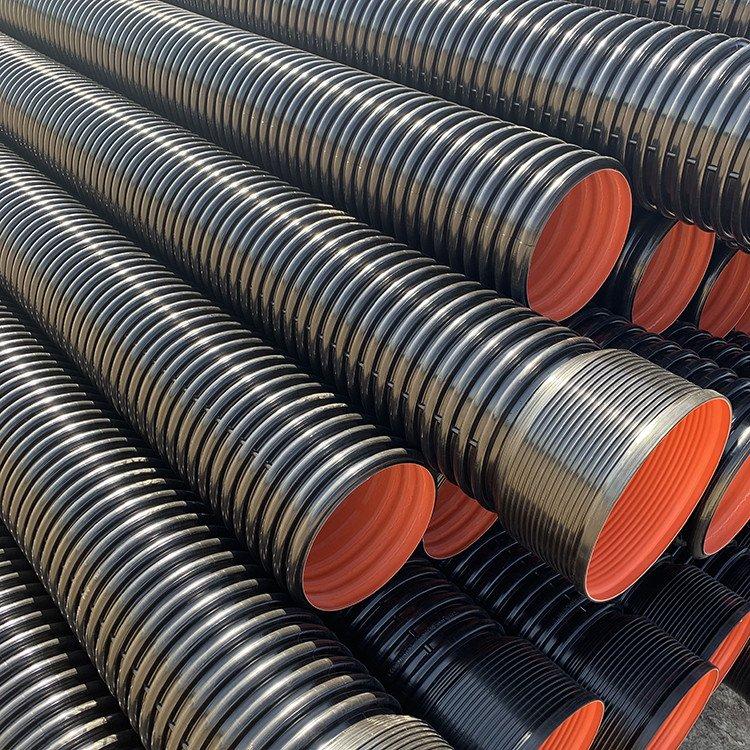
High-Density Polyethylene (HDPE) pipe represents a significant advancement in fluid conveyance technology, serving diverse industries including water distribution, gas transmission, mining, and industrial processing. Positioned as a robust alternative to traditional materials like ductile iron, steel, and PVC, HDPE pipe offers a unique combination of durability, flexibility, and cost-effectiveness. This technical guide provides an in-depth exploration of HDPE pipe, covering its material science, manufacturing processes, performance characteristics, potential failure modes, and relevant industry standards, specifically tailored for procurement managers and engineers involved in specifying and utilizing these systems. A core pain point in many industries is the need for long-lasting, corrosion-resistant piping solutions, particularly in harsh environments. HDPE addresses this challenge directly through its inherent chemical inertness and resistance to degradation, offering a lifecycle cost advantage over materials prone to corrosion and requiring frequent replacement. The selection criteria for HDPE pipe revolve around pressure ratings, environmental factors, and specific application requirements.
Material Science & Manufacturing
HDPE pipe is produced from high-density polyethylene, a thermoplastic polymer derived from the polymerization of ethylene. Key physical properties include a density ranging from 0.93 to 0.97 g/cm³, a tensile strength of 20-30 MPa, and a relatively low coefficient of friction. The material exhibits excellent chemical resistance to a wide range of acids, alkalis, and solvents, making it suitable for conveying aggressive fluids. Manufacturing typically employs extrusion processes. Raw HDPE resin, along with additives such as stabilizers, antioxidants, and sometimes pigments, is fed into an extruder. The extruder melts the resin and forces it through a die, shaping it into a continuous pipe. Critical process parameters include maintaining consistent melt temperature (typically 180-210°C) to ensure uniform density and molecular weight distribution, controlling the cooling rate of the extruded pipe to minimize residual stress, and precise die design to achieve accurate dimensional tolerances. Several extrusion methods exist, including conventional extrusion, spiral mandrel extrusion for larger diameters, and bimodal polyethylene extrusion to enhance stress crack resistance. Post-extrusion processes may include surface treatment for improved abrasion resistance or marking for traceability.
Performance & Engineering
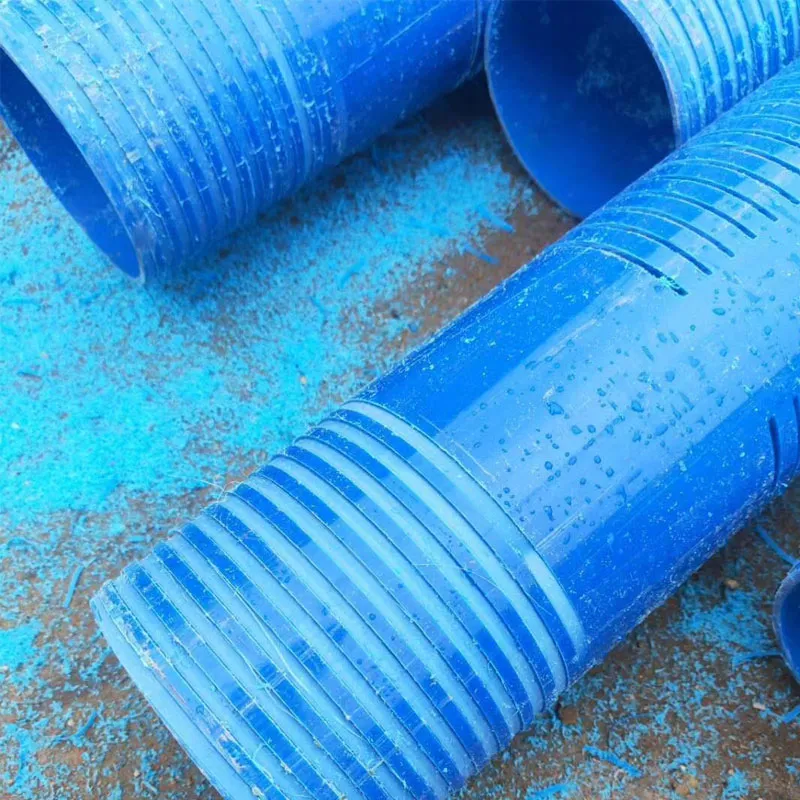
The performance of HDPE pipe is significantly influenced by its ability to withstand internal and external pressures, resist environmental stress cracking (ESC), and maintain long-term creep resistance. Force analysis considers hoop stress (resulting from internal pressure) and longitudinal stress (due to pressure surges or thermal expansion/contraction). HDPE’s ductility allows for some degree of deformation without catastrophic failure. ESC is a critical consideration, particularly in applications involving exposure to detergents, solvents, or other aggressive chemicals. The addition of bimodal polyethylene resins and the optimization of pipe wall thickness are key strategies to mitigate ESC. Creep, the time-dependent deformation under sustained load, is also a factor. HDPE exhibits creep behavior, and design calculations must account for this phenomenon, especially in applications requiring long-term structural integrity. HDPE pipe systems are often designed according to pressure pipe design codes, such as those published by the American Water Works Association (AWWA) or European standards (EN). These codes specify allowable stresses, safety factors, and installation guidelines. Soil loading, traffic loads, and thermal effects must be considered in the overall engineering design.
Technical Specifications
| Parameter | Unit | Standard (ASTM D3350) | Typical Value |
|---|---|---|---|
| Pressure Rating (PN) | Bar | PN6, PN10, PN16, PN20 | Up to PN32 available |
| Density | g/cm³ | ≥ 0.93 | 0.95 - 0.97 |
| Tensile Strength at Yield | MPa | ≥ 8.0 | 20 - 30 |
| Elongation at Break | % | ≥ 350 | 500 - 800 |
| Stress Crack Resistance (ESCR) | Hours to Failure | Variable, depending on test conditions | > 1000 (with bimodal PE) |
| Operating Temperature Range | °C | -40 to +60 | -50 to +80 (short term) |
Failure Mode & Maintenance
While HDPE is highly durable, several failure modes can occur. Slow Crack Growth (SCG) is a significant concern, often initiated by stress concentrations around imperfections or damage. Environmental Stress Cracking (ESC), as previously discussed, can accelerate SCG. Fatigue cracking can occur in applications involving repeated pressure fluctuations or mechanical stress. Oxidation, particularly at elevated temperatures, can lead to embrittlement and loss of mechanical properties. Joint failures are also common, often stemming from improper fusion welding or inadequate support. Regular inspection is crucial for preventative maintenance. Visual inspections can identify cracks, deformation, or damage. Non-destructive testing methods, such as ultrasonic testing, can detect subsurface flaws. Proper joint fusion welding techniques are essential. Periodic pressure testing can verify the integrity of the system. For long-term performance, protection from UV exposure (e.g., burying the pipe or using UV-resistant coatings) is recommended. Damage from external loads (e.g., excavation equipment) should be avoided. Repair options include cut-and-replace sections or the use of saddle fittings for smaller repairs.
Industry FAQ
Q: What is the advantage of HDPE pipe over ductile iron pipe in corrosive environments?
A: HDPE pipe exhibits superior corrosion resistance compared to ductile iron. Ductile iron is susceptible to rust and corrosion, particularly in acidic or saline environments, requiring protective coatings and cathodic protection systems. HDPE is chemically inert and does not corrode, eliminating the need for these additional measures and reducing lifecycle costs associated with corrosion mitigation and replacement.
Q: How does HDPE pipe handle thermal expansion and contraction?
A: HDPE pipe has a relatively high coefficient of thermal expansion. Design considerations must include expansion loops, expansion joints, or burial depths that minimize temperature fluctuations to accommodate this movement. Properly designed systems allow for expansion and contraction without inducing excessive stress on the pipe or joints.
Q: What are the key considerations for welding HDPE pipe?
A: Proper fusion welding is critical for ensuring leak-free joints. Techniques include butt fusion, socket fusion, and electrofusion. Operator training and certification are essential. Precise control of welding parameters (temperature, pressure, and dwell time) is required. Joint preparation, including cleaning and proper alignment, is also crucial.
Q: Can HDPE pipe be used for potable water applications?
A: Yes, HDPE pipe is approved for potable water applications in many jurisdictions, provided it meets relevant standards for material purity and extractables. The material does not leach harmful chemicals into the water and is resistant to biofilm formation.
Q: What are the environmental benefits of using HDPE pipe?
A: HDPE pipe is a recyclable material, contributing to sustainability efforts. Its long service life reduces the need for frequent replacements, minimizing material consumption and waste generation. The smooth inner surface reduces friction losses, lowering pumping energy requirements and associated emissions. HDPE’s leak-free joints minimize water loss in distribution systems.
Conclusion
HDPE pipe represents a compelling solution for a wide range of fluid conveyance applications, offering a unique blend of durability, flexibility, and cost-effectiveness. Its inherent resistance to corrosion, coupled with its long service life and ease of installation, positions it as a superior alternative to traditional materials in many scenarios. Understanding the material’s properties, manufacturing processes, performance characteristics, and potential failure modes is crucial for engineers and procurement professionals seeking to optimize system design and ensure long-term reliability.
Future advancements in HDPE technology are focused on enhancing stress crack resistance, improving jointing techniques, and expanding the range of applications. Continued research and development will further solidify HDPE pipe’s position as a leading material in the fluid conveyance industry, driving innovation and sustainability in infrastructure projects worldwide. Thorough adherence to established standards and best practices will be paramount in maximizing the benefits of this versatile material.
-
DN25 HDPE Compression Fitting-HORON INTERNATIONAL|Reliable Irrigation Solutions
NewsFeb.11,2026
-
hdpe coupling joint product Manufacturing Analysis
News2026-11-18
-
ppr pipe heating time products Performance Analysis
News2026-11-16
-
hdpe pipe sizes factory Performance Analysis
News2026-11-09
-
HDPE Pipe Sizes Service Performance Analysis
News2026-10-26
-
wholesale 15mm ppr pipe Material Science and Performance Analysis
News2026-10-20
-
wholesale pvc pipe price per foot Technical Analysis
News2026-09-21
-
wholesale long pvc pipe Technical Analysis and Manufacturing Specifications
News2026-09-15
-
wholesale plumbing kitchen sink water lines Material Performance
News2026-09-15
-
wholesale hdpe drip irrigation Material Science
News2026-09-15
-
wholesale hot water ppr pipe Performance Analysis
News2026-09-15
-
wholesale ppr plumbing Performance Analysis
News2026-09-15
-
wholesale ppr pipe supplier Performance Analysis
News2026-09-13
-
wholesale 50mm ppr pipe Performance Analysis
News2026-09-13
-
wholesale hdpe drip pipe Performance Analysis
News2026-09-13
-
wholesale hdpe pipe 63mm price Manufacturing Specification and Performance Analysis
News2026-09-13