

Feb . 11, 2026 00:01 Back to list
hdpe pipe for sale factories Performance and Engineering
Introduction
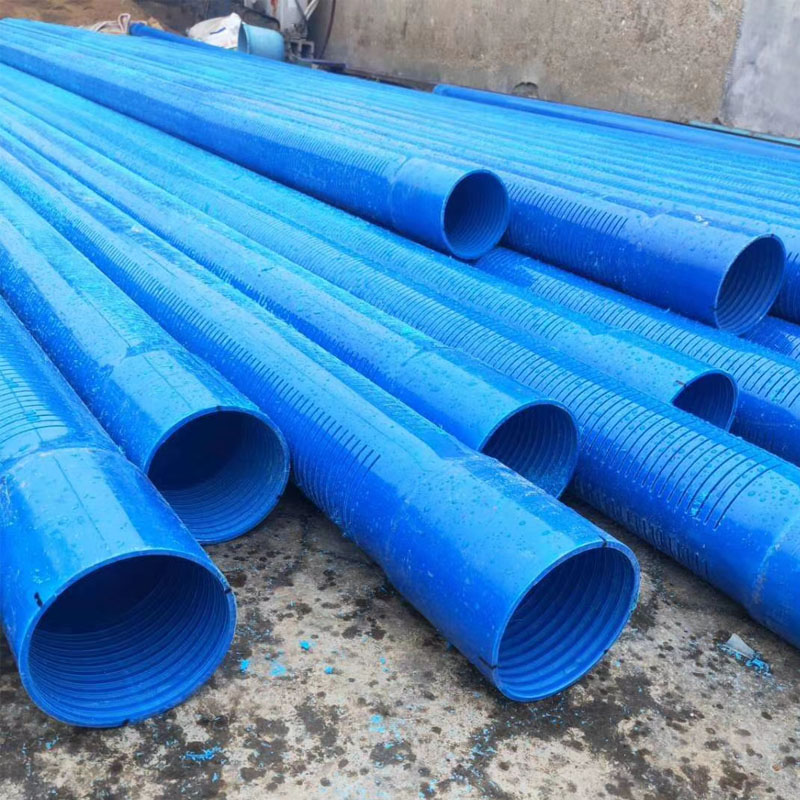
High-Density Polyethylene (HDPE) pipe represents a significant advancement in fluid transfer infrastructure, increasingly favored across numerous industries including municipal water supply, irrigation, mining, and industrial chemical conveyance. HDPE pipe factories specializing in sales and production cater to this growing demand, offering a range of sizes, pressure ratings, and configurations. Positioned within the broader polymer piping market, HDPE distinguishes itself through its corrosion resistance, flexibility, and long-term durability – characteristics surpassing traditional materials like ductile iron, steel, and PVC in many applications. Core performance metrics center on pressure bearing capacity, long-term hydrostatic strength (LHS), slow crack growth resistance, and joint integrity, all critical factors determining service life and operational reliability. The proliferation of HDPE pipe factories is directly linked to stringent infrastructure demands, evolving environmental regulations favoring non-corrosive materials, and advancements in polymer processing technologies enabling cost-effective production.
Material Science & Manufacturing
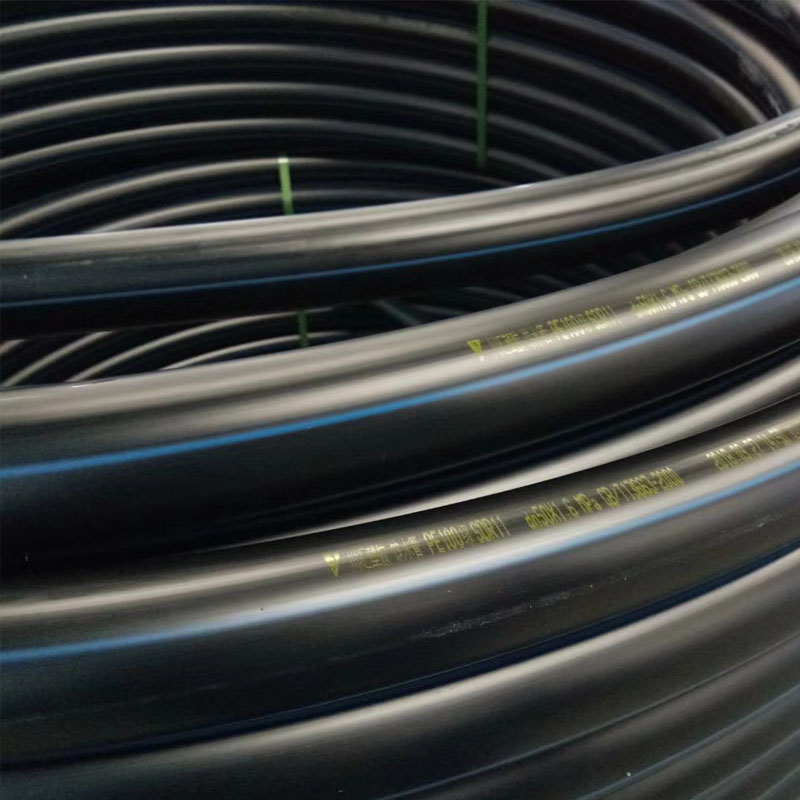
HDPE pipe derives its properties from the polyethylene polymer, specifically a linear HDPE grade exhibiting high molecular weight and minimal branching. The raw material typically consists of ethylene monomers polymerized under controlled conditions using Ziegler-Natta or metallocene catalysts. These catalysts dictate the polymer's molecular weight distribution and co-monomer content, influencing its final characteristics like density, crystallinity, and impact resistance. The density of HDPE commonly used for pipe fabrication ranges from 0.93 to 0.97 g/cm³. Manufacturing processes primarily involve extrusion. The HDPE resin is melted and forced through a circular die, creating a continuous pipe profile. Parameter control during extrusion is paramount. Melt temperature (typically 180-210°C), die swell, extrusion pressure, and cooling rate directly influence pipe dimensions, wall thickness uniformity, and the degree of crystallinity. Butt fusion, socket fusion, electrofusion, and mechanical joining methods are employed for joining pipe sections. Butt fusion, the most common method for larger diameter pipes, requires precise temperature and pressure control to ensure a homogenous weld with comparable strength to the base material. Quality control throughout the manufacturing process includes rigorous testing of raw material properties, dimensional accuracy, hydrostatic pressure testing, and slow crack growth resistance assessment per industry standards.
Performance & Engineering
The performance of HDPE pipe is governed by a complex interplay of mechanical stress, environmental factors, and fluid properties. Force analysis under internal pressure reveals that hoop stress (tangential stress acting circumferentially) is the dominant failure mode. HDPE’s ductility and high tensile strength mitigate this risk. However, long-term hydrostatic stress (LHS) is a critical design consideration. LHS is the stress developed in the pipe wall due to sustained internal pressure over its projected service life (typically 50 years or more). Environmental resistance is a key advantage. HDPE exhibits excellent resistance to a broad range of chemicals, including acids, bases, and solvents, making it suitable for aggressive fluid transport. However, susceptibility to UV degradation necessitates the incorporation of UV stabilizers in the material formulation, particularly for above-ground applications. Creep – the time-dependent deformation under sustained stress – is another factor. Standards like ASTM D3261 provide methodologies for predicting creep rupture based on material properties and operating conditions. Compliance requirements vary by region and application. Municipal water distribution adheres to NSF/ANSI 61 standards for potable water safety. Gas distribution is governed by regulations like DOT 192. Industrial applications often require adherence to API standards depending on the transported fluid. Proper pipe support and bedding are crucial to prevent excessive stress concentrations and maintain long-term integrity.
Technical Specifications
| Parameter | Unit | Typical Value (SDR 17) | Test Standard |
|---|---|---|---|
| Outside Diameter | mm | 110 | ASTM D2412 |
| Wall Thickness | mm | 6.5 | ASTM D2412 |
| Pressure Rating | MPa | 1.0 | ASTM D1597 |
| Density | g/cm³ | 0.95 | ASTM D1505 |
| Hydrostatic Design Stress (HDS) | MPa | 8.0 | ASTM D1597 |
| Slow Crack Growth Resistance (SCGR) | Hours | >1000 | ASTM D1694 |
Failure Mode & Maintenance
HDPE pipe, while durable, is susceptible to specific failure modes. Slow Crack Growth (SCG) is a primary concern, initiated by sustained stress, exposure to aggressive chemicals, or imperfections in the weld. SCG manifests as cracks propagating slowly through the pipe wall, often along longitudinal stress lines. Fatigue cracking can occur under cyclic pressure fluctuations, particularly in applications involving frequent pressure surges. Joint failure is common, often stemming from improper fusion parameters (insufficient temperature or pressure) during butt fusion or electrofusion. Environmental Stress Cracking (ESC) can also occur due to the combined effects of stress and environmental agents. Oxidation, though less prevalent in HDPE than in some other polymers, can degrade the material over extended periods, particularly at elevated temperatures. Maintenance involves periodic visual inspections for cracks, leaks, or deformation. Non-destructive testing methods like ultrasonic testing can detect subsurface flaws. For minor leaks, patching with compatible HDPE materials and adhesives can provide temporary repairs. For significant damage, pipe replacement is often necessary. Proper bedding and backfilling are crucial preventative measures, minimizing stress on the pipe. Avoiding sharp bends and ensuring adequate support are also essential. Regular pressure testing can identify potential weaknesses before they escalate into failures.
Industry FAQ
Q: What is the impact of temperature on the long-term performance of HDPE pipe?
A: Elevated temperatures accelerate creep and reduce the long-term hydrostatic strength (LHS) of HDPE pipe. Design engineers must derate the pressure rating based on the anticipated operating temperature. Conversely, lower temperatures generally increase the pipe’s strength but can increase its brittleness, making it more susceptible to impact damage. The HDPE formulation (molecular weight distribution, co-monomer content) also plays a role in temperature sensitivity.
Q: How does the SDR (Standard Dimension Ratio) affect the pressure rating of HDPE pipe?
A: The SDR is the ratio of the pipe’s outside diameter to its wall thickness. A lower SDR indicates a thicker wall and, consequently, a higher pressure rating. HDPE pipe is categorized by SDR (e.g., SDR 17, SDR 11, SDR 9). Selecting the appropriate SDR is crucial to match the pipe’s pressure capacity to the application’s demands. Increasing SDR reduces the pipe diameter for a given pressure rating.
Q: What are the best practices for ensuring the integrity of butt-fused joints?
A: Proper surface preparation (cleaning and trimming) is critical. Maintaining the correct fusion temperature and pressure within the manufacturer’s specifications is essential. Adequate soaking time is necessary to ensure proper diffusion of the polymer chains across the joint interface. Visual inspection for proper weld bead formation is important, supplemented by non-destructive testing methods like visual inspection and peel tests to verify weld strength.
Q: What considerations should be taken when transporting abrasive materials through HDPE pipe?
A: Abrasive materials can cause wear and erosion of the pipe wall, reducing its service life. Selecting a higher wall thickness (lower SDR) can mitigate this risk. Consider incorporating wear-resistant liners or coatings to protect the pipe’s inner surface. Controlling the flow velocity can also reduce erosion rates.
Q: How does UV exposure affect HDPE pipe and what protective measures should be taken?
A: Prolonged exposure to ultraviolet (UV) radiation can cause degradation of the HDPE polymer, leading to embrittlement and reduced strength. Incorporating UV stabilizers into the material formulation is essential for above-ground applications. Alternatively, protecting the pipe with opaque coatings or burying it underground can minimize UV exposure.
Conclusion
HDPE pipe stands as a robust and versatile solution for a wide spectrum of fluid transport applications, offering significant advantages over traditional materials in terms of corrosion resistance, durability, and ease of installation. Understanding the material science, manufacturing processes, and performance characteristics outlined in this guide is crucial for engineers, procurement managers, and operators involved in the selection, installation, and maintenance of HDPE piping systems. Careful consideration of factors like pressure rating, temperature, chemical compatibility, and environmental exposure ensures optimal performance and long-term reliability.
Looking ahead, continued advancements in HDPE formulations – including the development of enhanced UV stabilizers and improved creep resistance – will further expand the application envelope of this material. The growing emphasis on sustainable infrastructure and the demand for long-lasting, low-maintenance piping solutions will likely drive increased adoption of HDPE pipe across various industries. Proper adherence to industry standards and best practices remains paramount to realizing the full potential of this technology.
-
DN25 HDPE Compression Fitting-HORON INTERNATIONAL|Reliable Irrigation Solutions
NewsFeb.11,2026
-
hdpe coupling joint product Manufacturing Analysis
News2026-11-18
-
ppr pipe heating time products Performance Analysis
News2026-11-16
-
hdpe pipe sizes factory Performance Analysis
News2026-11-09
-
HDPE Pipe Sizes Service Performance Analysis
News2026-10-26
-
wholesale 15mm ppr pipe Material Science and Performance Analysis
News2026-10-20
-
wholesale pvc pipe price per foot Technical Analysis
News2026-09-21
-
wholesale long pvc pipe Technical Analysis and Manufacturing Specifications
News2026-09-15
-
wholesale plumbing kitchen sink water lines Material Performance
News2026-09-15
-
wholesale hdpe drip irrigation Material Science
News2026-09-15
-
wholesale hot water ppr pipe Performance Analysis
News2026-09-15
-
wholesale ppr plumbing Performance Analysis
News2026-09-15
-
wholesale ppr pipe supplier Performance Analysis
News2026-09-13
-
wholesale 50mm ppr pipe Performance Analysis
News2026-09-13
-
wholesale hdpe drip pipe Performance Analysis
News2026-09-13
-
wholesale hdpe pipe 63mm price Manufacturing Specification and Performance Analysis
News2026-09-13