

Feb . 11, 2026 00:01 Back to list
hdpe pipe connectors manufacturer Performance Analysis
Introduction
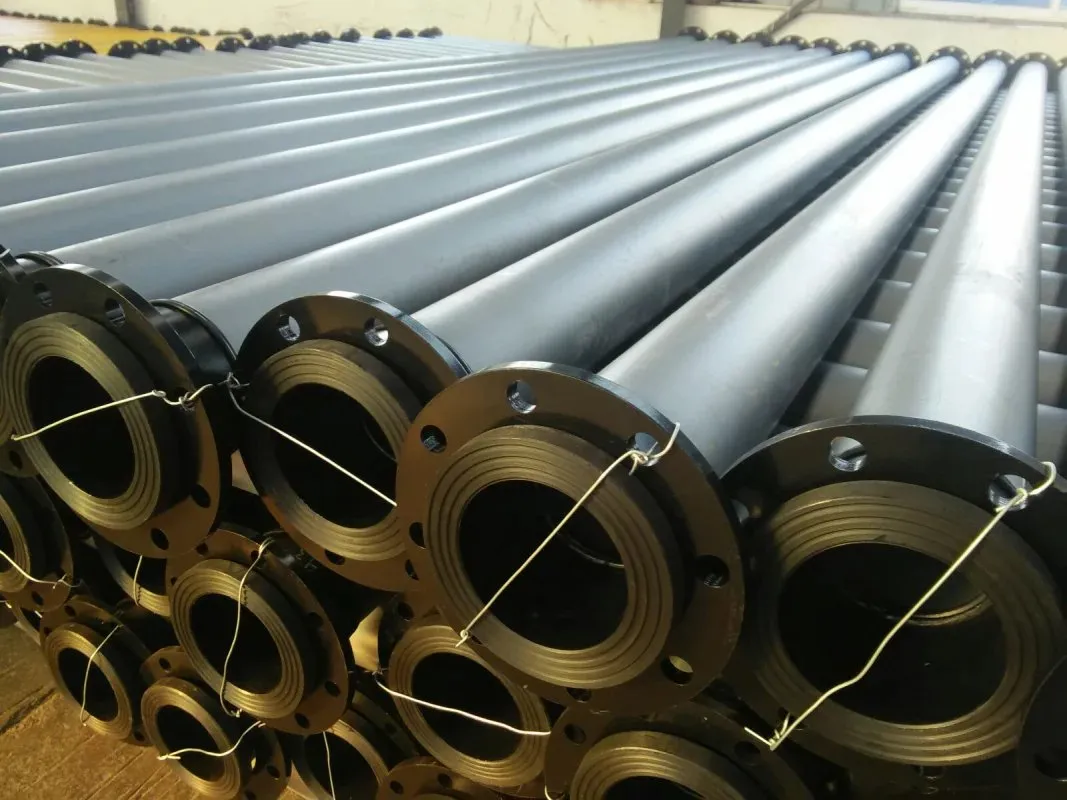
High-Density Polyethylene (HDPE) pipe connectors are critical components in fluid and gas conveyance systems, playing a vital role in infrastructure projects ranging from municipal water distribution to industrial process piping and gas transmission. These connectors, encompassing electrofusion, butt fusion, mechanical fittings, and compression fittings, facilitate the joining of HDPE pipes, ensuring leak-proof and structurally sound connections. Their technical position within the industry chain lies immediately downstream of HDPE pipe extrusion, functioning as the interface between linear pipeline segments. Core performance characteristics include pressure rating, leak tightness, joint strength, and long-term durability in varied environmental conditions. The industry faces persistent challenges related to maintaining consistent weld quality (in fusion connections), ensuring compatibility across varying HDPE resin grades (PE 3408, PE 4710, etc.), and mitigating risks associated with improper installation techniques which lead to premature failure. This guide provides a comprehensive technical overview of HDPE pipe connectors, covering materials, manufacturing, performance, failure modes, and relevant industry standards.
Material Science & Manufacturing
HDPE pipe connectors are predominantly manufactured from high-density polyethylene resins, typically conforming to PE 3408, PE 4710, or similar specifications defined by ASTM D3350. The resin’s molecular weight distribution, density (typically 0.93 to 0.97 g/cm³), and melt flow index (MFI) directly influence connector weldability and impact resistance. Raw material selection prioritizes consistent resin quality and minimal contamination. Manufacturing processes vary depending on connector type. Electrofusion fittings are typically produced via injection molding, with precise control of melt temperature, mold pressure, and cooling rates being paramount to achieving dimensional accuracy and consistent material properties. Butt fusion fittings and larger diameter connectors often utilize rotational molding, a process requiring careful control of rotation speed and temperature distribution to ensure uniform wall thickness. Mechanical fittings, often employing stainless steel components, involve injection molding of the HDPE body followed by assembly with metallic parts. Critical parameters include maintaining a consistent HDPE-to-steel bonding surface treatment (for mechanical fittings), precise control of injection molding parameters to minimize residual stresses, and stringent quality control measures to detect voids or imperfections within the HDPE structure. Chemical compatibility considerations include resistance to common fluids and gases being conveyed (water, natural gas, industrial chemicals), with HDPE exhibiting excellent resistance to many, but potential degradation with prolonged exposure to strong oxidizing agents.
Performance & Engineering
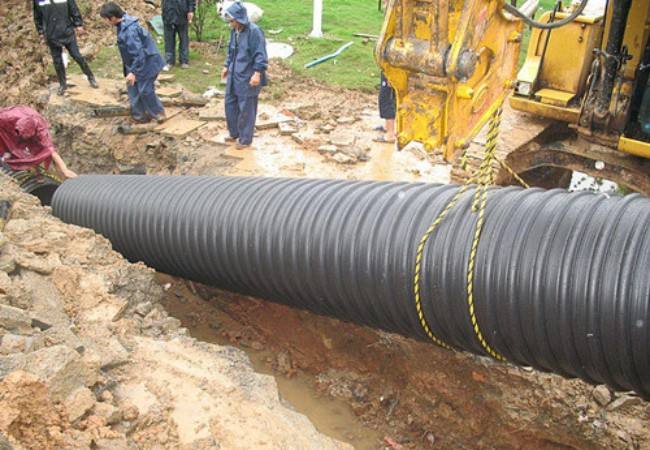
The performance of HDPE pipe connectors is governed by several key engineering principles. Stress analysis, particularly Finite Element Analysis (FEA), is utilized during the design phase to optimize connector geometry and ensure adequate pressure containment. Connector strength is evaluated based on burst pressure testing (ASTM D1597), tensile strength (ASTM D638), and impact resistance (ASTM D2444). Environmental resistance is critical, with connectors designed to withstand temperature fluctuations, UV exposure (requiring carbon black additives for UV stabilization), and soil stresses. Long-term creep resistance is also assessed, as HDPE can exhibit time-dependent deformation under sustained load. Compliance with industry standards, such as AWWA C906 for water distribution systems and ASTM F2897 for gas distribution systems, dictates specific performance requirements. Specifically, electrofusion fittings rely on precisely controlled heating and cooling cycles to create a homogenous weld bead with mechanical properties comparable to the parent pipe material. Butt fusion, requiring careful surface preparation and controlled pressure and temperature, relies on intermolecular diffusion for a robust joint. Failure analysis frequently reveals that inadequate operator training and improper equipment calibration contribute significantly to performance issues. Internal pressure causes hoop stress within the pipe and connector, demanding a design capable of withstanding the maximum operating pressure with an adequate safety factor.
Technical Specifications
| Parameter | Unit | PE 3408 Connector | PE 4710 Connector |
|---|---|---|---|
| Pressure Rating | PSI | 150 | 200 |
| Operating Temperature | °F | -40 to 140 | -40 to 180 |
| SDR (Standard Dimension Ratio) | - | 17.6 | 11.5 |
| Tensile Strength (Minimum) | PSI | 4000 | 5500 |
| Impact Strength (Izod Notched) | ft-lb/in | 10 | 15 |
| UV Resistance | Hours to 50% Degradation | 1000+ | 1000+ |
Failure Mode & Maintenance
HDPE pipe connector failures typically fall into several categories. Brittle fracture, particularly at low temperatures, can occur if the HDPE material is subjected to excessive stress or impact. Fatigue cracking can develop under cyclical loading conditions, especially at stress concentration points within the connector geometry. Environmental stress cracking (ESC) arises from the combined action of tensile stress and exposure to aggressive chemicals. Delamination can occur in electrofusion fittings due to insufficient fusion or the presence of contaminants. Oxidation can lead to material degradation over extended periods of exposure to high temperatures or oxidizing environments. Improper installation is a major contributing factor to failures, including insufficient weld time or pressure during butt fusion, inadequate cleaning of fusion surfaces, and overtightening of mechanical fittings. Maintenance primarily focuses on visual inspection for cracks, leaks, or signs of degradation. Periodic pressure testing can verify joint integrity. For electrofusion fittings, verifying the weld parameters recorded by the fusion machine is crucial. For mechanical fittings, regular inspection of the sealing elements (gaskets, o-rings) is recommended. Preventive maintenance also includes protecting exposed connectors from direct sunlight and physical damage. Corrective actions involve replacing damaged connectors and addressing the root cause of the failure to prevent recurrence.
Industry FAQ
Q: What is the optimal welding temperature range for electrofusion fittings using PE 4710 material?
A: The optimal welding temperature range for PE 4710 electrofusion fittings typically falls between 210°C and 230°C (410°F to 446°F). However, it’s crucial to always refer to the specific fitting manufacturer’s data sheet, as temperature recommendations can vary based on fitting size and design. Maintaining precise temperature control within the specified range is essential for achieving a homogenous weld and maximizing joint strength.
Q: How does the SDR (Standard Dimension Ratio) of an HDPE pipe affect the choice of connector?
A: The SDR dictates the pipe wall thickness relative to its diameter. A lower SDR indicates a thicker wall and higher pressure rating. Connectors must be compatible with the pipe's SDR. Using a connector designed for a higher SDR pipe on a lower SDR pipe will result in a weakened joint and potential failure. Always verify the connector’s SDR rating matches or exceeds that of the pipe being connected.
Q: What are the key considerations for long-term burial of HDPE pipe connectors?
A: Long-term burial requires attention to several factors. Ensure adequate backfill compaction to provide support and prevent stress concentration. Protect connectors from external loads and potential damage during installation and operation. Consider the soil’s chemical composition; aggressive soils can contribute to ESC. In areas prone to ground movement, implement appropriate bedding and anchoring techniques. Cathodic protection may be required in certain soil conditions to mitigate corrosion of metallic components in mechanical fittings.
Q: What are the typical failure modes associated with mechanical fittings, and how can they be mitigated?
A: Common failure modes for mechanical fittings include gasket failure due to degradation or improper installation, loosening of bolts due to vibration or thermal cycling, and corrosion of metallic components. Mitigation strategies include using high-quality gaskets with appropriate chemical resistance, regularly torquing bolts to the manufacturer’s specifications, utilizing corrosion-resistant materials (stainless steel), and implementing periodic inspection programs.
Q: What quality control measures are essential during HDPE pipe connector manufacturing?
A: Critical quality control measures include raw material verification (ensuring compliance with ASTM D3350), dimensional inspection of molded components, weld strength testing of electrofusion fittings, hydrostatic pressure testing of finished connectors, and visual inspection for defects such as voids, cracks, or surface imperfections. Statistical Process Control (SPC) is utilized to monitor key process parameters and ensure consistent product quality.
Conclusion
HDPE pipe connectors are indispensable components in modern piping systems, offering a robust and reliable solution for fluid and gas conveyance. Their performance is intrinsically linked to material selection, manufacturing precision, and adherence to established industry standards. Understanding the material science governing HDPE behavior, the nuances of various joining techniques (fusion versus mechanical), and potential failure modes is paramount for ensuring long-term system integrity. Proper installation, rigorous quality control, and proactive maintenance practices are essential to maximizing connector lifespan and preventing costly failures.
Looking ahead, advancements in HDPE resin technology, coupled with improvements in fusion equipment and monitoring systems, will further enhance connector performance and reliability. The increasing demand for sustainable infrastructure solutions will continue to drive the adoption of HDPE piping systems, necessitating a continued focus on innovation and best practices within the connector manufacturing industry. Continuous development and refinement of non-destructive testing methods will also play a vital role in ensuring the ongoing integrity of these critical infrastructure components.
-
DN25 HDPE Compression Fitting-HORON INTERNATIONAL|Reliable Irrigation Solutions
NewsFeb.11,2026
-
hdpe coupling joint product Manufacturing Analysis
News2026-11-18
-
ppr pipe heating time products Performance Analysis
News2026-11-16
-
hdpe pipe sizes factory Performance Analysis
News2026-11-09
-
HDPE Pipe Sizes Service Performance Analysis
News2026-10-26
-
wholesale 15mm ppr pipe Material Science and Performance Analysis
News2026-10-20
-
wholesale pvc pipe price per foot Technical Analysis
News2026-09-21
-
wholesale long pvc pipe Technical Analysis and Manufacturing Specifications
News2026-09-15
-
wholesale plumbing kitchen sink water lines Material Performance
News2026-09-15
-
wholesale hdpe drip irrigation Material Science
News2026-09-15
-
wholesale hot water ppr pipe Performance Analysis
News2026-09-15
-
wholesale ppr plumbing Performance Analysis
News2026-09-15
-
wholesale ppr pipe supplier Performance Analysis
News2026-09-13
-
wholesale 50mm ppr pipe Performance Analysis
News2026-09-13
-
wholesale hdpe drip pipe Performance Analysis
News2026-09-13
-
wholesale hdpe pipe 63mm price Manufacturing Specification and Performance Analysis
News2026-09-13