

Feb . 11, 2026 00:01 Back to list
hdpe pipe connectors factory Performance Engineering
Introduction
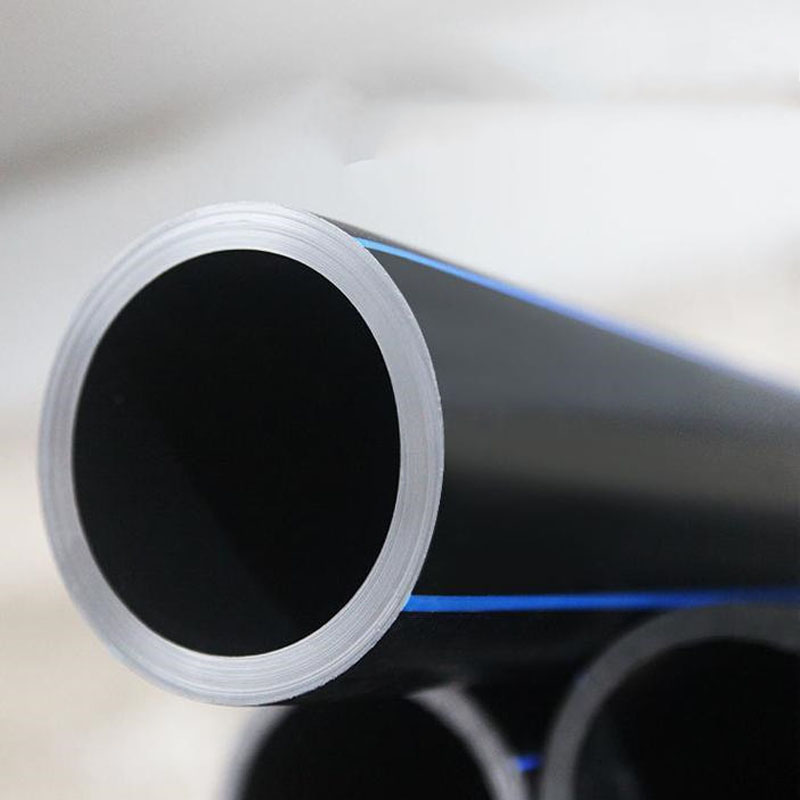
High-Density Polyethylene (HDPE) pipe connectors represent a critical component within fluid transfer systems, particularly in applications demanding robust chemical resistance, durability, and long-term reliability. These connectors facilitate the joining of HDPE pipes, enabling the construction of pipelines for potable water, wastewater, industrial applications, and irrigation. Their position within the industry chain is integral, functioning as the interface between rigid HDPE piping and forming complete, leak-proof networks. Core performance characteristics center around maintaining pressure integrity, preventing environmental contamination, and ensuring ease of installation and maintenance. The rising demand for HDPE piping systems, driven by infrastructure development and replacement of aging pipelines, directly correlates with the growth and increasing sophistication of HDPE pipe connector manufacturing. A key industry pain point is ensuring connector compatibility with varying HDPE pipe standards (SDR ratings, dimensions) and consistently achieving joint integrity under diverse operating conditions – temperature fluctuations, soil stress, and internal pressure.
Material Science & Manufacturing
The foundational material for HDPE pipe connectors is, naturally, High-Density Polyethylene. This thermoplastic polymer is characterized by its high strength-to-density ratio, exceptional resistance to most chemicals, and inherent flexibility. HDPE resin grades used in connector production typically exhibit a molecular weight distribution tailored for optimal processing and impact resistance. Raw material selection considers factors like Melt Flow Index (MFI) – affecting ease of molding – and Hexane Extractables content, indicating residual monomers impacting long-term durability. Manufacturing processes vary depending on connector type and size. Injection molding is prevalent for smaller, intricately designed connectors like compression fittings and flanged adaptors. Key parameters controlled during injection molding include melt temperature (typically 200-240°C), mold temperature (30-60°C), injection pressure, and cooling rate. Improper control leads to weld lines, sink marks, or warping, compromising connector integrity. Larger diameter connectors, such as those for butt fusion, are frequently manufactured through rotational molding or machining from solid HDPE billets. Rotational molding necessitates precise control of heating and cooling cycles to achieve uniform wall thickness. Butt fusion connectors require tight dimensional tolerances to ensure complete and consistent weldability. Chemical compatibility testing with common transported fluids (acids, bases, hydrocarbons) is crucial to validate material suitability. A common failure mechanism during manufacturing is insufficient resin degassing, leading to void formation and reduced structural strength.
Performance & Engineering
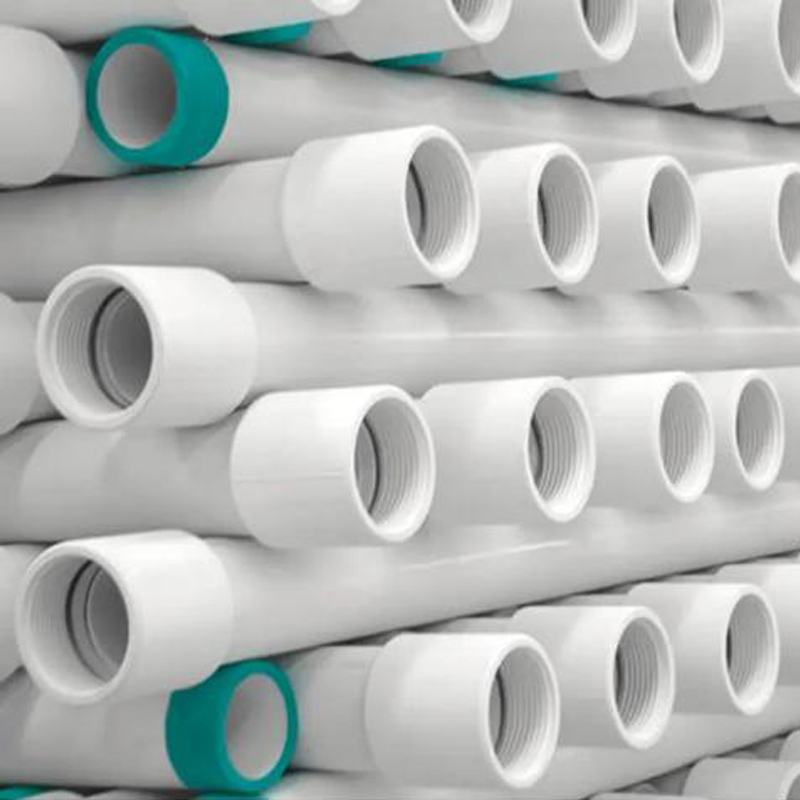
The performance of HDPE pipe connectors is fundamentally governed by principles of stress analysis and fluid mechanics. Connectors must withstand internal hydrostatic pressure, external soil loads, and axial tensile forces resulting from pipe expansion/contraction. Finite Element Analysis (FEA) is routinely employed during the design phase to optimize connector geometry and material distribution, minimizing stress concentrations. Specific engineering considerations include: pressure ratings (typically expressed in PSI or bar), dictated by pipe size, material grade, and connector design; joint deflection angles – accommodating pipeline movement due to thermal expansion or seismic activity; and resistance to creep – long-term deformation under sustained load. Environmental resistance is paramount. UV exposure can cause HDPE degradation, necessitating the incorporation of UV stabilizers into the resin formulation. The connectors’ long-term hydrostatic strength and slow crack growth resistance are also critically analyzed. Compliance requirements vary regionally. North American standards (ASTM D3261 for butt fusion, ASTM F477 for compression fittings) define acceptance criteria for joint integrity based on hydrostatic pressure testing and visual inspection. European standards (EN 12201) dictate similar performance benchmarks. Corrosion resistance is inherent to HDPE, eliminating the need for protective coatings common in metal piping systems. However, galvanic corrosion can occur if HDPE connectors are directly coupled with dissimilar metals in the pipeline. The selection of appropriate gasket materials (EPDM, nitrile) is essential to ensure chemical compatibility and leak-proof sealing.
Technical Specifications
| Parameter | Unit | Typical Value (Compression Fitting, 2” Diameter) | Test Standard |
|---|---|---|---|
| Maximum Operating Pressure | PSI | 200 | ASTM F477 |
| Temperature Rating | °F | -40 to 140 | ASTM D3261 |
| Material | - | HDPE, PE3408 | ASTM D3350 |
| Tensile Strength | MPa | 12.5 | ASTM D638 |
| Elongation at Break | % | 300 | ASTM D638 |
| Chemical Resistance | - | Excellent to most acids, bases, and solvents | ASTM D543 |
Failure Mode & Maintenance
HDPE pipe connector failure modes are diverse, spanning mechanical, chemical, and environmental causes. Common failure mechanisms include: fatigue cracking, initiated by cyclic pressure fluctuations or thermal stress; slow crack growth (SCG), exacerbated by residual stresses and exposure to aggressive chemicals; gasket degradation, resulting in leakage; and mechanical damage during installation or handling. Failure analysis often reveals root causes such as improper installation techniques (insufficient tightening of compression fittings, inadequate weld preparation for butt fusion), material defects (voids, inclusions), or exposure to incompatible chemicals. Preventative maintenance is crucial. Periodic visual inspections should identify signs of cracking, deformation, or gasket deterioration. Hydrostatic pressure testing can confirm joint integrity. For compression fittings, torque values should be verified periodically and adjusted as necessary. For butt fusion joints, non-destructive testing methods (radiography, ultrasonic testing) can detect subsurface defects. In the event of a leak, the affected connector should be replaced immediately. Proper storage of connectors is essential – protecting them from direct sunlight, extreme temperatures, and physical damage. Cleaning connectors before installation removes contaminants that could compromise joint integrity. When replacing connectors, always use compatible materials and follow manufacturer’s installation instructions precisely. Long-term exposure to UV radiation will cause degradation, so connectors should not be stored outdoors without protective covering.
Industry FAQ
Q: What are the key differences between compression fittings and butt fusion for HDPE pipe connections, and when would you recommend one over the other?
A: Compression fittings are suitable for smaller diameter pipes (typically up to 6 inches) and applications where frequent dismantling and reassembly are required. They are relatively easy to install and require minimal specialized equipment. However, they are more susceptible to leakage than butt fusion joints and have a lower pressure rating. Butt fusion, conversely, creates a homogenous weld between the pipe and connector, resulting in a stronger, leak-proof joint capable of withstanding higher pressures. It's ideal for larger diameter pipes and critical applications where long-term reliability is paramount. Butt fusion requires skilled operators and specialized equipment but offers superior performance.
Q: How does the SDR (Standard Dimension Ratio) of the HDPE pipe affect the selection of compatible connectors?
A: The SDR defines the relationship between the pipe's outer diameter and wall thickness, directly influencing its pressure-bearing capacity. Connectors must be compatible with the SDR of the pipe being used. Using a connector designed for a higher SDR pipe on a lower SDR pipe will compromise the joint's strength and potentially lead to failure. Connector manufacturers typically specify the SDR range their products are compatible with.
Q: What measures can be taken to mitigate the risk of slow crack growth (SCG) in HDPE pipe connectors?
A: SCG is often initiated by residual stresses and exacerbated by exposure to aggressive chemicals. Mitigating SCG requires careful material selection (using PE3408 or higher grade HDPE), minimizing residual stresses during manufacturing and installation, and avoiding contact with incompatible chemicals. Pressure surge protection systems can reduce cyclic stress. Proper installation, avoiding over-tightening of compression fittings, is also crucial.
Q: What is the role of gasket material in ensuring a leak-proof connection with HDPE pipe connectors?
A: The gasket provides a resilient seal between the connector and the pipe, compensating for dimensional variations and preventing leakage. Gasket material selection is critical. EPDM is commonly used for water and general-purpose applications, while nitrile is preferred for oil and solvent resistance. The gasket must be chemically compatible with the transported fluid and be able to withstand the operating temperature and pressure.
Q: How does temperature affect the performance of HDPE pipe connectors, and what considerations should be made during installation in extreme climates?
A: HDPE expands and contracts with temperature fluctuations. This thermal expansion/contraction must be accommodated in the pipeline design to prevent stress on the connectors. In cold climates, HDPE can become brittle, increasing the risk of cracking during installation. Warming the pipe and connectors before joining is recommended. In hot climates, excessive thermal expansion can lead to joint separation. Allowing for sufficient pipe movement through expansion joints or flexible connectors is essential.
Conclusion
HDPE pipe connectors are indispensable components in modern fluid transfer infrastructure. Their inherent chemical resistance, durability, and relatively low cost make them a preferred choice over traditional materials like metal. However, achieving optimal performance requires a deep understanding of material science, manufacturing processes, and engineering principles. Careful consideration must be given to factors such as pressure ratings, temperature fluctuations, chemical compatibility, and installation techniques to ensure long-term reliability and prevent premature failure.
Moving forward, advancements in HDPE resin technology and connector design will focus on enhancing strength, reducing SCG susceptibility, and improving installation efficiency. Increased adoption of non-destructive testing methods will enable more rigorous quality control. A continued emphasis on standardized testing and adherence to industry best practices will be crucial to maintaining the integrity of HDPE piping systems and ensuring their sustainable operation.
-
DN25 HDPE Compression Fitting-HORON INTERNATIONAL|Reliable Irrigation Solutions
NewsFeb.11,2026
-
hdpe coupling joint product Manufacturing Analysis
News2026-11-18
-
ppr pipe heating time products Performance Analysis
News2026-11-16
-
hdpe pipe sizes factory Performance Analysis
News2026-11-09
-
HDPE Pipe Sizes Service Performance Analysis
News2026-10-26
-
wholesale 15mm ppr pipe Material Science and Performance Analysis
News2026-10-20
-
wholesale pvc pipe price per foot Technical Analysis
News2026-09-21
-
wholesale long pvc pipe Technical Analysis and Manufacturing Specifications
News2026-09-15
-
wholesale plumbing kitchen sink water lines Material Performance
News2026-09-15
-
wholesale hdpe drip irrigation Material Science
News2026-09-15
-
wholesale hot water ppr pipe Performance Analysis
News2026-09-15
-
wholesale ppr plumbing Performance Analysis
News2026-09-15
-
wholesale ppr pipe supplier Performance Analysis
News2026-09-13
-
wholesale 50mm ppr pipe Performance Analysis
News2026-09-13
-
wholesale hdpe drip pipe Performance Analysis
News2026-09-13
-
wholesale hdpe pipe 63mm price Manufacturing Specification and Performance Analysis
News2026-09-13