

Feb . 11, 2026 00:01 Back to list
hdpe coupler price manufacturers Performance Analysis
Introduction
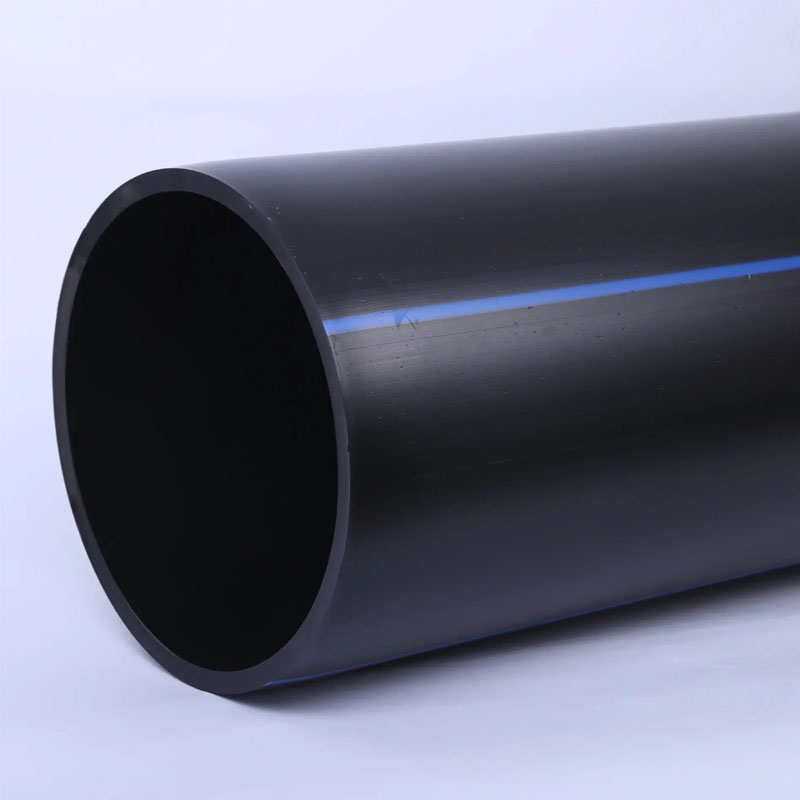
High-Density Polyethylene (HDPE) couplers represent a critical component within thermoplastic piping systems, facilitating the secure and leak-proof joining of HDPE pipes. These couplers are widely utilized across diverse industries including water and wastewater management, irrigation, mining, oil and gas, and chemical processing. Their functionality extends beyond simple connection; they accommodate thermal expansion and contraction, absorb shock and vibration, and allow for controlled flexibility within the pipeline. The ‘price’ aspect of HDPE couplers is intrinsically linked to material grade, manufacturing processes (injection molding, extrusion, compression molding), diameter, pressure rating, and the certification standards met. Understanding these factors is paramount for informed procurement decisions and long-term system reliability. This guide provides a comprehensive technical overview of HDPE couplers, encompassing material science, manufacturing, performance characteristics, failure modes, and relevant industry standards.
Material Science & Manufacturing
HDPE, the foundational material for these couplers, is a linear polyethylene characterized by minimal branching, resulting in high tensile strength and density (typically 0.941 – 0.965 g/cm³). The raw material is derived from the polymerization of ethylene. Critical material properties include a ductile-to-brittle transition temperature (DBTT) which impacts performance in cold environments, and resistance to a broad spectrum of chemicals. Different grades of HDPE (HDPE 3408, HDPE 3608, HDPE R100) are employed based on application demands. Manufacturing primarily utilizes injection molding for smaller diameter couplers and extrusion for larger diameters. Extrusion involves melting HDPE resin and forcing it through a die to create a continuous profile, which is then cut to length. Injection molding involves injecting molten HDPE into a mold cavity. Key process parameters influencing coupler quality include melt temperature, mold temperature (injection molding), extrusion speed, die design, and cooling rates. Uniform wall thickness is crucial for even stress distribution. Post-processing often includes quality control checks for dimensional accuracy, material density, and weldability. Furthermore, colorants and UV stabilizers are frequently incorporated during manufacturing to enhance durability and identify pipe material grades. The selection of appropriate stabilizers is critical for long-term outdoor exposure, preventing oxidative degradation. Proper material handling – controlling moisture levels and preventing contamination – is also vital to the integrity of the finished product.
Performance & Engineering
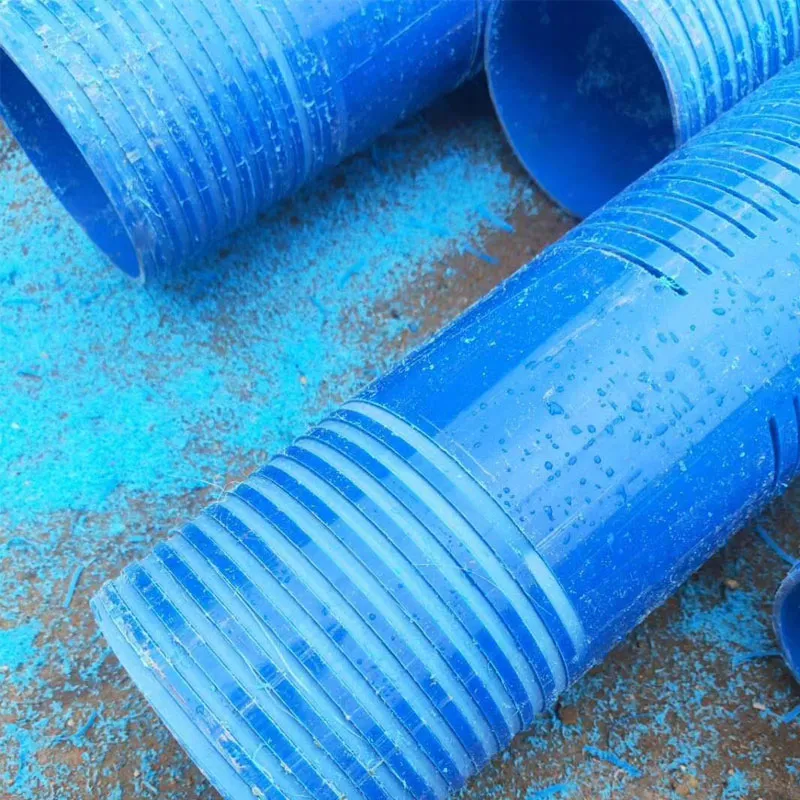
HDPE couplers are engineered to withstand significant hydrostatic pressure, with pressure ratings (PN – nominal pressure) commonly ranging from PN6 to PN20 or higher, depending on the pipe schedule and coupler design. Force analysis involves considerations of hoop stress due to internal pressure, longitudinal stress from pipe weight and fluid flow, and stresses induced by thermal expansion and contraction. Finite Element Analysis (FEA) is frequently used during the design phase to optimize coupler geometry and minimize stress concentrations. Environmental resistance is a key performance metric. While HDPE exhibits excellent resistance to many chemicals, exposure to strong oxidizing agents and prolonged UV radiation can lead to degradation. Coupler designs must account for potential ground movement and soil conditions in buried pipeline applications. Compliance requirements are dictated by industry standards and local regulations. For potable water applications, couplers must meet NSF/ANSI 61 standards to ensure they do not leach harmful contaminants into the water supply. For gas distribution, compliance with DOT regulations (USA) or EN standards (Europe) is essential. The joint integrity is a primary performance parameter, verified through hydrostatic pressure testing and leak testing protocols. Proper installation procedures – including correct alignment, adequate pipe preparation, and appropriate fusion techniques (butt fusion, electrofusion, socket fusion) – are crucial for achieving optimal performance and preventing premature failure.
Technical Specifications
| Parameter | Units | Typical Range | Test Standard |
|---|---|---|---|
| Nominal Diameter | mm | 20 – 630 | ISO 4437 |
| Pressure Rating (PN) | Bar | 6 – 20+ | ISO 14236 |
| Material Grade | - | PE80, PE100, HDPE R100 | ISO 12162 |
| Density | g/cm³ | 0.941 – 0.965 | ISO 1183 |
| Hydrostatic Pressure Test | Bar | 2.5 x PN for 2 minutes | ISO 14236 |
| Operating Temperature | °C | -40 to +60 | Manufacturer Specification |
Failure Mode & Maintenance
HDPE coupler failures typically fall into several categories. ‘Slow Crack Growth’ (SCG) is a primary concern, initiated by sustained tensile stress, particularly in the presence of aggressive chemicals or residual stress from improper installation. Fatigue cracking can occur due to cyclic pressure fluctuations or repeated bending moments. Delamination can occur in multilayer couplers due to poor adhesion between layers. Oxidation, driven by UV exposure and elevated temperatures, leads to embrittlement and loss of mechanical properties. Corrosion, while HDPE itself is corrosion-resistant, can affect metallic components within the coupler (e.g., locking rings or reinforcement elements). Maintenance primarily focuses on preventative measures. Regular visual inspections are crucial to identify signs of cracking, deformation, or corrosion. Proper backfilling procedures during installation minimize external stresses on the coupler. Protecting exposed couplers from direct sunlight with UV-resistant coatings extends their service life. Leak detection surveys can identify early signs of joint failure. In the event of a failure, the entire affected section of pipe and coupler should be replaced. Avoid the use of harsh cleaning agents or abrasive materials that could damage the HDPE surface. Periodic pressure testing can verify system integrity.
Industry FAQ
Q: What is the impact of temperature fluctuations on HDPE coupler performance?
A: HDPE expands and contracts with temperature changes. Couplers are designed with sufficient flexibility to accommodate this movement without inducing excessive stress. However, extreme temperature swings and improper installation (e.g., insufficient allowance for thermal expansion) can lead to joint separation or cracking. Selecting couplers appropriate for the operating temperature range and employing correct installation techniques are critical.
Q: How does the material grade (PE80 vs PE100) affect the long-term durability of an HDPE coupler?
A: PE100 exhibits superior long-term hydrostatic strength (LTS) and resistance to slow crack growth (SCG) compared to PE80. This translates to a longer service life and reduced risk of failure, especially in demanding applications. While PE80 may be more cost-effective upfront, PE100 often represents a more economical choice over the life of the pipeline.
Q: What are the common causes of leakage at HDPE coupler joints?
A: Leakage is often attributed to improper fusion techniques (butt fusion, electrofusion, or socket fusion), inadequate pipe preparation (e.g., contamination or improper cleaning), or excessive stress on the joint due to poor installation practices. Insufficient fusion time or temperature can result in incomplete welds. Visual inspection and pressure testing are vital to verify joint integrity.
Q: What standards govern the chemical resistance of HDPE couplers used in industrial applications?
A: The chemical resistance is generally assessed based on ISO 10358 and specific chemical compatibility charts provided by HDPE material manufacturers. The compatibility depends on the concentration and temperature of the chemical exposure. For highly corrosive environments, supplementary testing may be required to validate long-term performance. The coupler material grade also plays a role in its chemical resistance.
Q: How important is the proper storage of HDPE couplers before installation?
A: Proper storage is crucial. Couplers should be stored in a dry, well-ventilated area, protected from direct sunlight and extreme temperatures. Exposure to UV radiation can degrade the material, and moisture can compromise weldability. Storing couplers off the ground on pallets helps prevent contamination and physical damage. Following the manufacturer's storage recommendations is essential.
Conclusion
HDPE couplers are indispensable components in modern piping systems, offering a robust, reliable, and cost-effective solution for joining thermoplastic pipes. Their performance is fundamentally tied to the material science of HDPE, precise manufacturing processes, and adherence to stringent quality control measures. Understanding the potential failure modes – particularly SCG, fatigue cracking, and oxidation – is crucial for implementing effective preventative maintenance strategies.
The selection of the appropriate coupler grade, coupled with adherence to industry standards and best practices during installation, are paramount for ensuring long-term system integrity and minimizing the risk of costly failures. Continued advancements in HDPE material technology and manufacturing techniques will undoubtedly further enhance the performance and durability of these essential components.
-
DN25 HDPE Compression Fitting-HORON INTERNATIONAL|Reliable Irrigation Solutions
NewsFeb.11,2026
-
hdpe coupling joint product Manufacturing Analysis
News2026-11-18
-
ppr pipe heating time products Performance Analysis
News2026-11-16
-
hdpe pipe sizes factory Performance Analysis
News2026-11-09
-
HDPE Pipe Sizes Service Performance Analysis
News2026-10-26
-
wholesale 15mm ppr pipe Material Science and Performance Analysis
News2026-10-20
-
wholesale pvc pipe price per foot Technical Analysis
News2026-09-21
-
wholesale long pvc pipe Technical Analysis and Manufacturing Specifications
News2026-09-15
-
wholesale plumbing kitchen sink water lines Material Performance
News2026-09-15
-
wholesale hdpe drip irrigation Material Science
News2026-09-15
-
wholesale hot water ppr pipe Performance Analysis
News2026-09-15
-
wholesale ppr plumbing Performance Analysis
News2026-09-15
-
wholesale ppr pipe supplier Performance Analysis
News2026-09-13
-
wholesale 50mm ppr pipe Performance Analysis
News2026-09-13
-
wholesale hdpe drip pipe Performance Analysis
News2026-09-13
-
wholesale hdpe pipe 63mm price Manufacturing Specification and Performance Analysis
News2026-09-13