

Feb . 11, 2026 00:01 Back to list
hdpe coupler price manufacturer Performance Analysis
Introduction
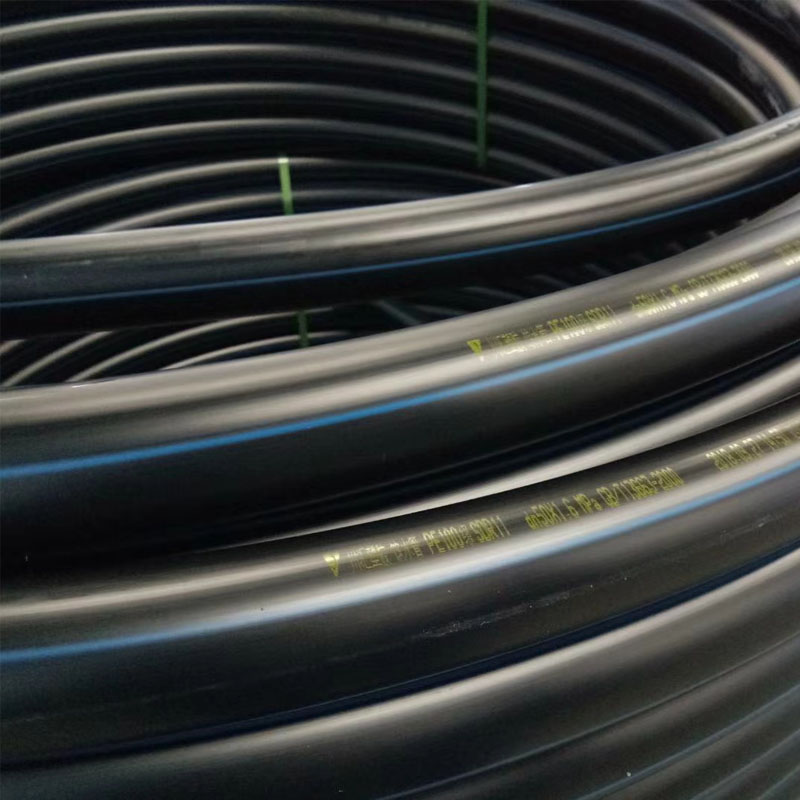
High-Density Polyethylene (HDPE) couplers are critical components in a broad spectrum of fluid and gas conveyance systems, serving as the joining element for HDPE pipes. This technical guide provides a comprehensive analysis of HDPE couplers, encompassing their material science, manufacturing processes, performance characteristics, failure modes, and relevant industry standards. Within the industry chain, HDPE couplers bridge the gap between pipe extrusion and system installation, directly impacting the long-term integrity and operational efficiency of pipelines used in sectors like water distribution, irrigation, gas transmission, mining, and drainage. Core performance is defined by leak-proof sealing, pressure containment, resistance to chemical degradation, and longevity in diverse environmental conditions. A primary industry pain point revolves around consistent dimensional accuracy to ensure proper interference fit and prevent leakage, alongside concerns regarding UV degradation and long-term creep resistance, particularly in above-ground applications.
Material Science & Manufacturing
HDPE couplers are primarily manufactured from high-density polyethylene resin, typically a grade conforming to PE100 or PE80 classifications as defined by ISO 17972. The raw material’s key physical properties include a density ranging from 0.93 to 0.97 g/cm³, a tensile strength between 20-30 MPa, and a ductile modulus typically around 600-800 MPa. Chemical resistance is excellent, with HDPE inert to most acids, bases, and solvents at ambient temperatures. Manufacturing processes primarily involve injection molding. Granular HDPE resin is melted and injected under high pressure into a precisely engineered mold cavity. Critical parameters during injection molding include melt temperature (180-220°C), mold temperature (30-50°C), injection pressure (50-100 MPa), and cooling rate. Variations in these parameters directly influence the coupler’s crystallinity, molecular weight distribution, and dimensional stability. Extrusion welding is also utilized, particularly for larger diameter couplers. This process involves heating HDPE material and fusing it onto the pipe and coupler body. Quality control demands rigorous testing of raw material properties (melt flow index, density) and finished coupler dimensions (outer diameter, internal diameter, wall thickness) to ensure compliance with industry specifications. The presence of carbon black additives is common, providing UV protection and improving resistance to stress cracking.
Performance & Engineering
The performance of HDPE couplers is primarily governed by their ability to withstand internal pressure and external loads while maintaining a leak-proof seal. Force analysis focuses on hoop stress developed within the coupler body under pressure, calculated using the Barlow’s formula (σ = PD/2t, where σ is hoop stress, P is internal pressure, D is outer diameter, and t is wall thickness). Environmental resistance is crucial, particularly UV degradation and slow crack growth (SCG). UV exposure can lead to chain scission and embrittlement, necessitating the use of UV stabilizers like carbon black. SCG is initiated by residual stresses and exacerbated by the presence of aggressive chemicals. Compliance requirements are dictated by standards like ASTM D2412 (pressure rating of plastic pipe), ASTM F477 (socket welding of thermoplastic pipe), and ISO 17972 (plastics piping systems for water supply and irrigation). The design of the sealing mechanism (typically an elastomeric ring) is critical. Finite element analysis (FEA) is frequently employed to optimize coupler geometry and minimize stress concentrations. Consideration must also be given to thermal expansion and contraction of the HDPE material, particularly in long pipeline systems. Proper installation techniques, including correct alignment and sufficient insertion depth, are paramount to achieving optimal performance.
Technical Specifications
| Parameter | Unit | PE100 Grade | PE80 Grade |
|---|---|---|---|
| Nominal Diameter | mm | 20-630 | 20-630 |
| Pressure Rating (PN) | Bar | PN16, PN20, PN25 | PN10, PN12.5, PN16 |
| Wall Thickness | mm | 2.3 - 12.5 | 2.3 - 10 |
| SDR (Standard Dimension Ratio) | - | SDR17.6, SDR13.5, SDR11 | SDR21, SDR17, SDR13.5 |
| Operating Temperature | °C | -20 to +60 | -10 to +40 |
| Tensile Strength | MPa | >32 | >28 |
Failure Mode & Maintenance
Common failure modes in HDPE couplers include leakage due to improper sealing, cracking from overpressure or external loads, SCG initiated by residual stresses or chemical attack, and UV degradation leading to embrittlement. Fatigue cracking can occur in couplers subjected to cyclic pressure fluctuations. Delamination of the sealing ring is also a frequent issue. Failure analysis often reveals inadequate surface preparation during installation, improper weld procedures (for welded couplers), or the use of incompatible chemicals. Preventive maintenance involves regular visual inspections for cracks, deformation, or signs of leakage. Periodic pressure testing can identify potential weaknesses before catastrophic failure. For UV-exposed couplers, protective coatings or shielding should be employed. In case of leakage, the coupler should be replaced immediately. Welded couplers require periodic inspection of the weld joint for porosity or incomplete fusion. Storage of HDPE couplers should be in a cool, dry place, away from direct sunlight and potential sources of chemical contamination. Proper handling procedures are essential to avoid physical damage during transportation and installation.
Industry FAQ
Q: What is the impact of pipe ovality on the performance of an HDPE coupler?
A: Pipe ovality significantly reduces the effectiveness of the sealing mechanism within the coupler. An oval pipe disrupts the uniform compression of the elastomeric seal, creating leak paths and reducing the coupler’s pressure rating. It is crucial to ensure the pipe is round before installation, typically using a pipe re-rounder tool.
Q: How does soil corrosivity affect the long-term performance of buried HDPE couplers?
A: While HDPE itself is highly resistant to most soil chemicals, aggressive soil conditions (high sulfate content, low pH) can accelerate SCG, particularly in the presence of residual stresses. Proper bedding material selection and application of protective coatings can mitigate this risk.
Q: What are the key considerations when selecting an HDPE coupler for a high-pressure application?
A: Pressure rating (PN) is paramount. The coupler’s PN must exceed the maximum operating pressure of the system, with a suitable safety factor. Material grade (PE100 is preferred for higher pressures) and wall thickness are also critical. Consider temperature derating factors as pressure ratings decrease with increasing temperature.
Q: What are the best practices for ensuring a leak-proof weld in HDPE coupler installations?
A: Proper surface preparation (cleaning and removing contaminants) is essential. Use a qualified welder certified to the relevant standards (e.g., DVS 2207). Maintain appropriate welding parameters (temperature, pressure, dwell time) as specified by the coupler manufacturer. Perform a visual inspection and hydrostatic testing to verify weld integrity.
Q: How important is UV protection for above-ground HDPE coupler installations?
A: UV protection is critical for above-ground applications. Prolonged UV exposure will cause chain scission and embrittlement of the HDPE, leading to premature failure. Using carbon black additives in the HDPE formulation is beneficial, but protective coatings or shielding are still recommended for extended service life.
Conclusion
HDPE couplers represent a vital element in modern piping systems, providing reliable and durable connections for a wide range of applications. Their performance is directly linked to the material properties of the HDPE resin, the precision of the manufacturing process, and adherence to industry standards. Understanding the potential failure modes and implementing appropriate preventive maintenance strategies are crucial for maximizing their service life and ensuring the integrity of the overall pipeline system.
Continued advancements in HDPE resin formulations, coupled with sophisticated manufacturing techniques and rigorous quality control procedures, are driving improvements in coupler performance and extending their application range. Future trends will likely focus on developing couplers with enhanced resistance to SCG, improved UV stability, and smarter integration with pipeline monitoring systems.
-
DN25 HDPE Compression Fitting-HORON INTERNATIONAL|Reliable Irrigation Solutions
NewsFeb.11,2026
-
hdpe coupling joint product Manufacturing Analysis
News2026-11-18
-
ppr pipe heating time products Performance Analysis
News2026-11-16
-
hdpe pipe sizes factory Performance Analysis
News2026-11-09
-
HDPE Pipe Sizes Service Performance Analysis
News2026-10-26
-
wholesale 15mm ppr pipe Material Science and Performance Analysis
News2026-10-20
-
wholesale pvc pipe price per foot Technical Analysis
News2026-09-21
-
wholesale long pvc pipe Technical Analysis and Manufacturing Specifications
News2026-09-15
-
wholesale plumbing kitchen sink water lines Material Performance
News2026-09-15
-
wholesale hdpe drip irrigation Material Science
News2026-09-15
-
wholesale hot water ppr pipe Performance Analysis
News2026-09-15
-
wholesale ppr plumbing Performance Analysis
News2026-09-15
-
wholesale ppr pipe supplier Performance Analysis
News2026-09-13
-
wholesale 50mm ppr pipe Performance Analysis
News2026-09-13
-
wholesale hdpe drip pipe Performance Analysis
News2026-09-13
-
wholesale hdpe pipe 63mm price Manufacturing Specification and Performance Analysis
News2026-09-13